What a 1500mm Conveyor Belt Is
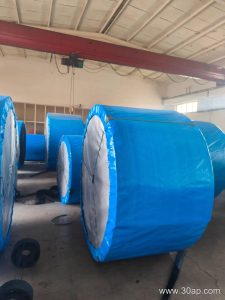
A 1500mm conveyor belt is a wide belt designed for high-capacity bulk material transport. Also called a 1500mm wide conveyor belt, it is commonly used in mining, coal preparation, cement plants, power stations, and large quarry operations where volume and continuity matter. This width sits between standard 1400mm and 1600mm belts, making it a practical choice for systems that need more throughput than a 1200mm belt can deliver without jumping to extra-wide configurations.
Construction and Common Specifications
The belt body typically uses a fabric core or steel cord reinforcement. Fabric-core versions include EP conveyor belt (polyester-nylon) and NN nylon belt, while steel cord designs are chosen for longer runs and higher tension. Cover rubber grades address specific conditions: abrasion resistant, heat resistant, flame retardant, oil resistant, and anti-static. A 1500mm belt often carries a multi-ply construction, with 2 to 6 plies common depending on strength class.
Typical reference data for a 1500mm conveyor belt may include:
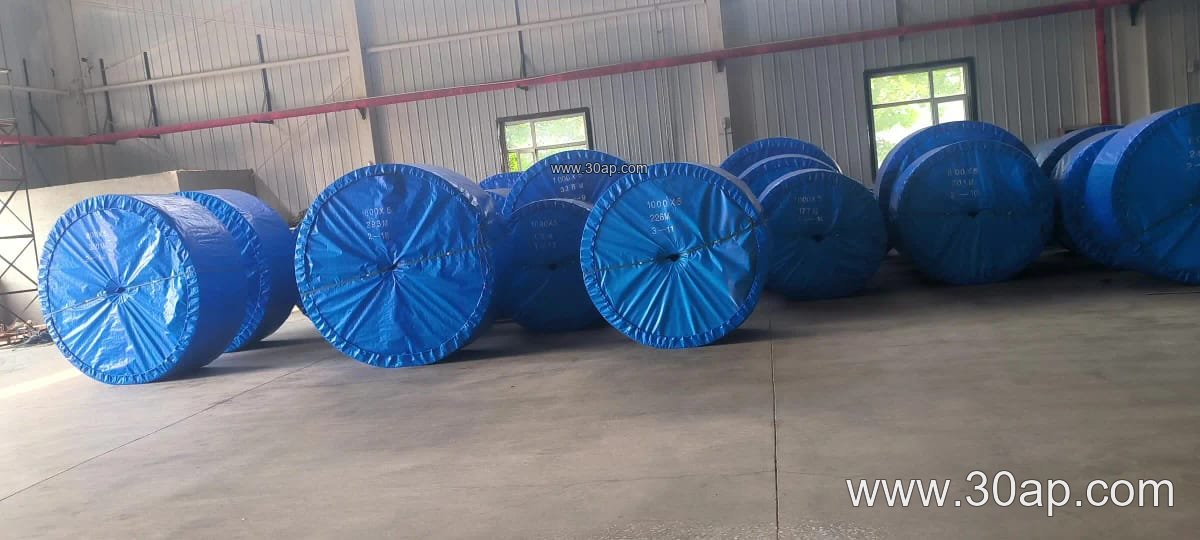
- Width: 1500mm (B1500)
- Fabric core types: EP200, EP315, EP400, EP500, EP630, EP800, EP1000, EP1250
- Steel cord types: ST1000, ST1250, ST1600, ST2000
- Cover thickness: 4+2mm, 5+2mm, 6+2mm, 8+3mm
- Ply count: 2 to 6
These values are common references, not fixed combinations. Final specifications are determined by the conveyor design, load, and operating environment.
Where It Fits in the Conveyor System
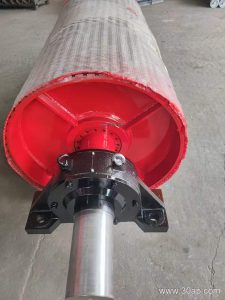
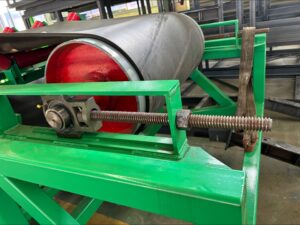
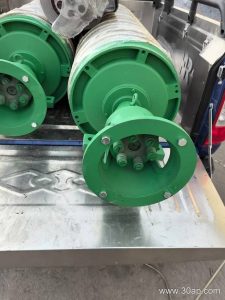
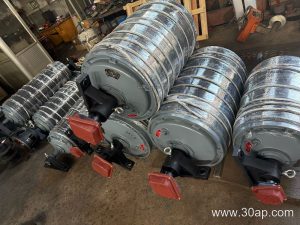
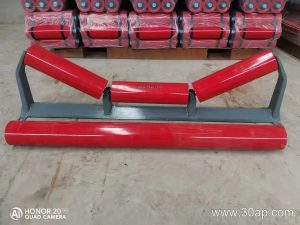
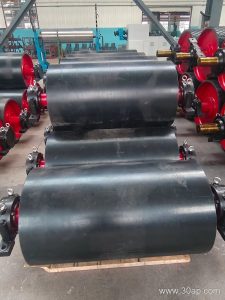
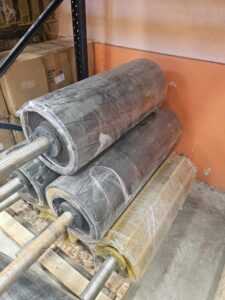
A 1500mm belt works with matching conveyor pulley assemblies, idler rollers, and brackets. Drive pulleys, tail pulleys, and bend pulleys each have distinct roles and are not interchangeable. The belt width does not dictate a single pulley diameter; pulley sizing depends on belt tension, speed, and system layout. In a typical mining or cement plant conveyor, the belt runs over troughing idlers and returns on flat or return idlers, with the pulley and bracket set selected to suit the load.
For harsh conditions, a flame retardant conveyor belt may be specified in coal mining or underground operations, while a heat resistant conveyor belt suits clinker or sinter handling. Abrasion resistant grades are common in quarry and aggregate duty. In dusty or explosive atmospheres, anti-static properties are often required.
Applications Across Industries
This belt width is frequently seen in:
- Mining and ore transport (iron ore, copper ore, gold mining)
- Coal mining and underground coal mining conveyors
- Cement plants and power plants
- Quarries and aggregate operations
- Ports and ship loading systems
- Crusher discharge and bulk material handling
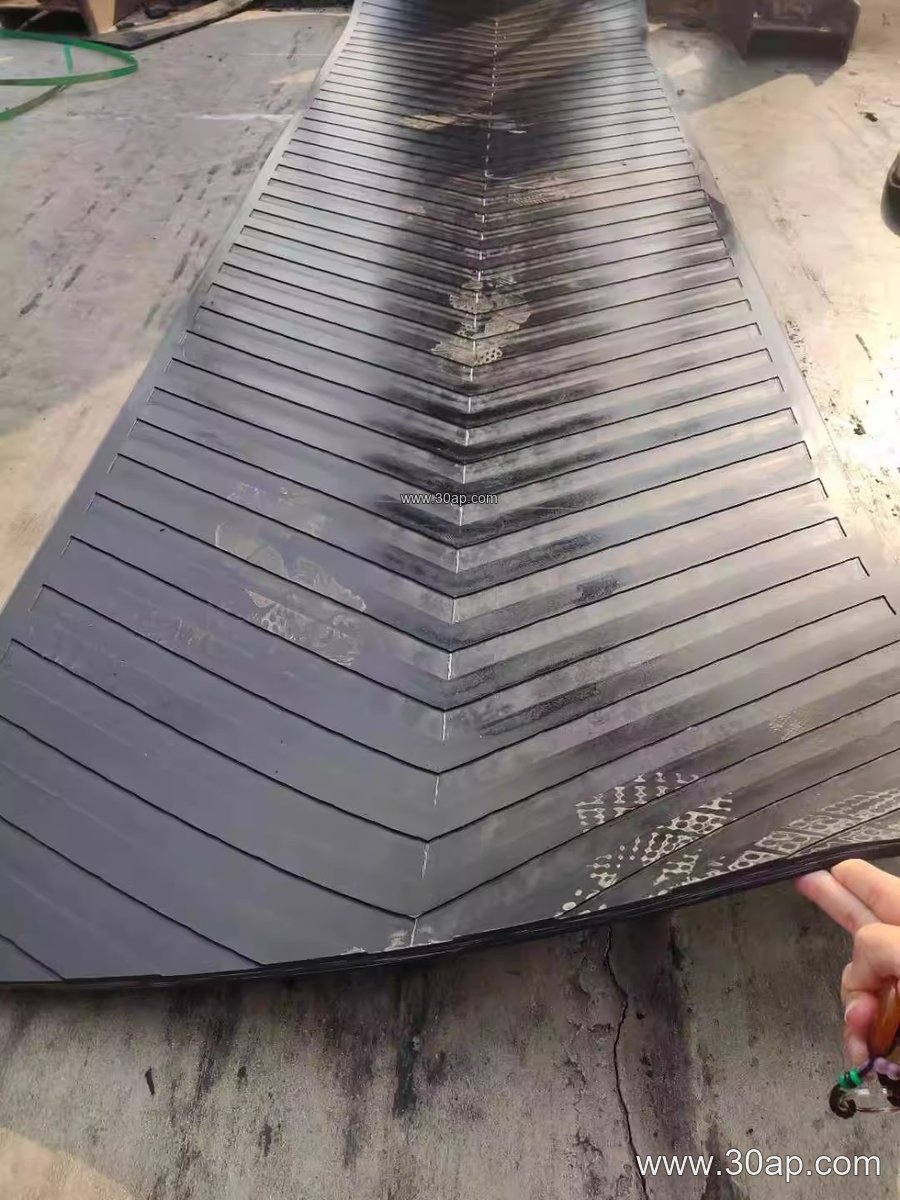
In these settings, the belt may be paired with a rubber conveyor belt cover for general duty or a special compound for oil, acid, or cold resistance. Chevron or corrugated sidewall versions are used where incline or material containment is needed, but these are separate subtypes and not replacements for a standard 1500mm belt.
Buyer Checklist
Before ordering a 1500mm conveyor belt, confirm the following:
- Required strength class (EP or ST) and ply count
- Cover rubber grade and thickness for the material and environment
- Belt length, splice type, and whether an endless belt is preferred
- Compatibility with existing pulley diameters, idler spacing, and bracket dimensions
- Any special needs such as flame retardancy, anti-static, or heat resistance
Remember that a 1500mm belt is not mandatory for every conveyor. System design, material size, and throughput determine the right width. For similar capacity, a 1400mm or 1600mm belt may also be considered. Always match the belt to the conveyor’s engineering requirements rather than selecting by width alone.