What a Mining Conveyor Belt Does
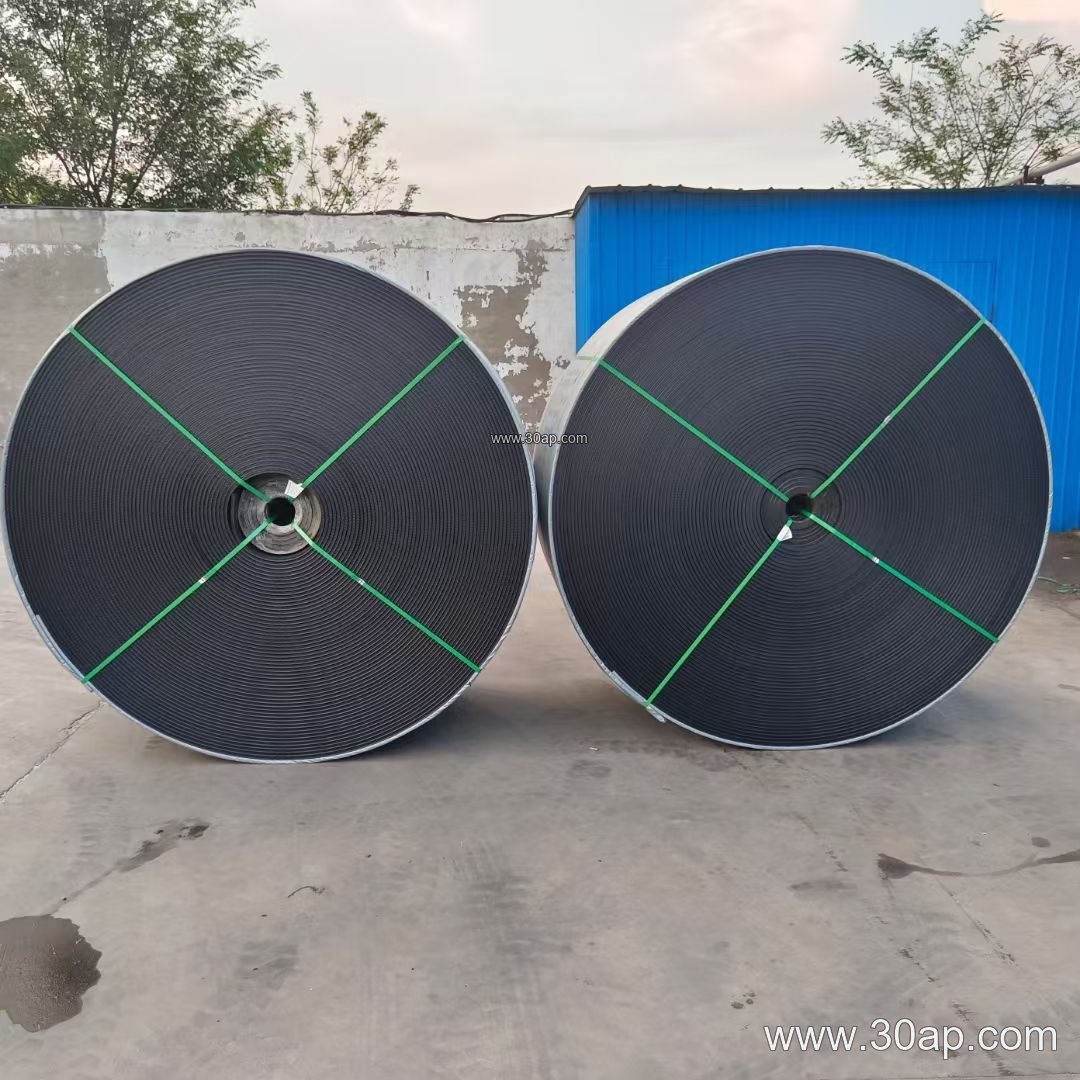
A Mining Conveyor Belt is the load-carrying element of a bulk handling system, moving crushed ore, coal, aggregate, or cement clinker between the crusher, screen, stockpile, and loadout point. In a quarry or砂石料厂 it may run several hundred meters; in an underground coal mine it works in confined spaces with limited maintenance access. The belt is not a simple rubber sheet: it is a composite of a tension-bearing carcass and protective covers, and that construction decides how much power the drive needs, how the belt tracks on the idler roller set, and how long it survives the duty cycle.
Construction of the Belt
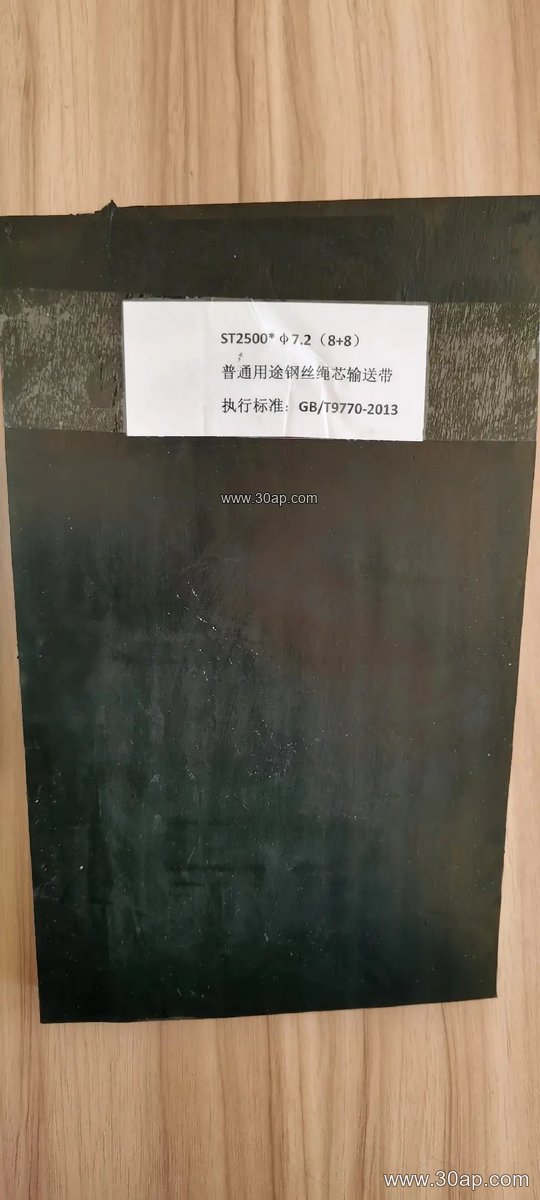
The carcass carries the load. Fabric-core designs use woven EP (polyester-cotton) or NN (nylon-nylon) plies; an EP Conveyor Belt or a Multi-Ply Fabric Core Conveyor Belt is common in mine and cement plant conveyors where moderate impact and good troughability matter. Steel Cord Conveyor Belt construction uses brass-coated wires in place of fabric plies and suits long, high-tension routes such as overland lines at a port or power plant. Cover compounds are chosen for the environment: abrasion resistant grades for crusher discharge, heat resistant compounds for clinker and sinter, flame retardant and anti-static grades for underground coal mining, and oil resistant covers where lubricants or oily feedstock are present.
Common Reference Data
The figures below are typical industry reference values, not a fixed supply commitment. Actual construction is confirmed per project and per manufacturer.
- Strength grades (EP): EP200, EP315, EP400, EP500, EP630, EP800, EP1000, EP1250, EP1600, EP2000
- Belt widths: B500, B650, B800, B1000, B1200, B1400, B1600, B1800, B2000
- Cover thickness (top + bottom): 3+1.5, 4+2, 5+2, 6+2, 8+3 mm
- Carcass plies: commonly 2 to 6 layers in fabric-core belts
Where It Is Used
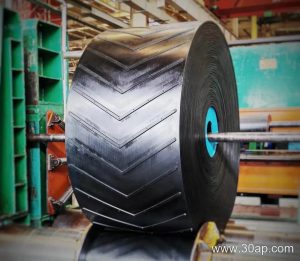
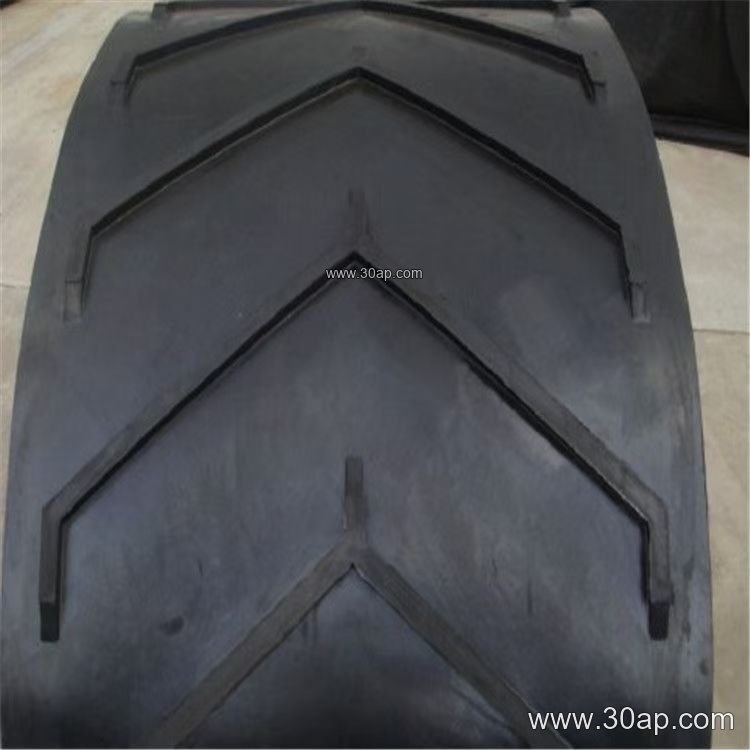
Duty varies widely by industry. A coal mining conveyor belt underground must pass flame retardant tests and resist ripping; a quarry conveyor belt on the surface faces sharp rock and repeated impact at transfer points. Iron ore and copper ore lines favor high abrasion resistant covers, while a cement plant conveyor dealing with hot clinker needs heat resistance. In a steel plant, sinter and coke handling put thermal and abrasive stress on the same belt. Portable and fixed conveyors in a stone crushing plant often use a Chevron Conveyor Belt on inclines to prevent material rollback, and a Corrugated Sidewall Conveyor Belt or Skirted Conveyor Belt where steep angles or spillage control are required.
For underground coal work, PVG Conveyor Belt (polyvinyl chloride covered, solid woven) is a recognized family, and designations such as PVG800 or PVG800S appear in tender documents. These are not interchangeable with steel cord belts; each has its own tension and safety profile.
Matching Belt to Conveyor Hardware
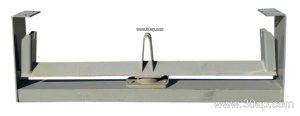
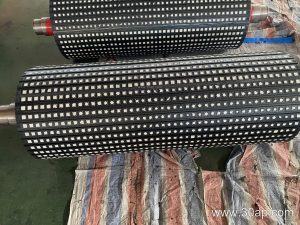
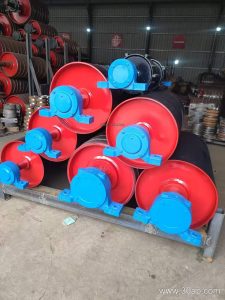
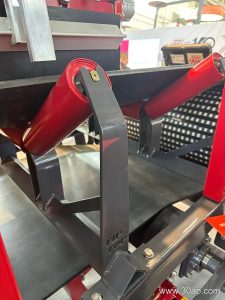
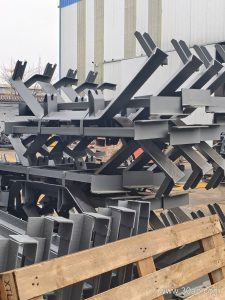
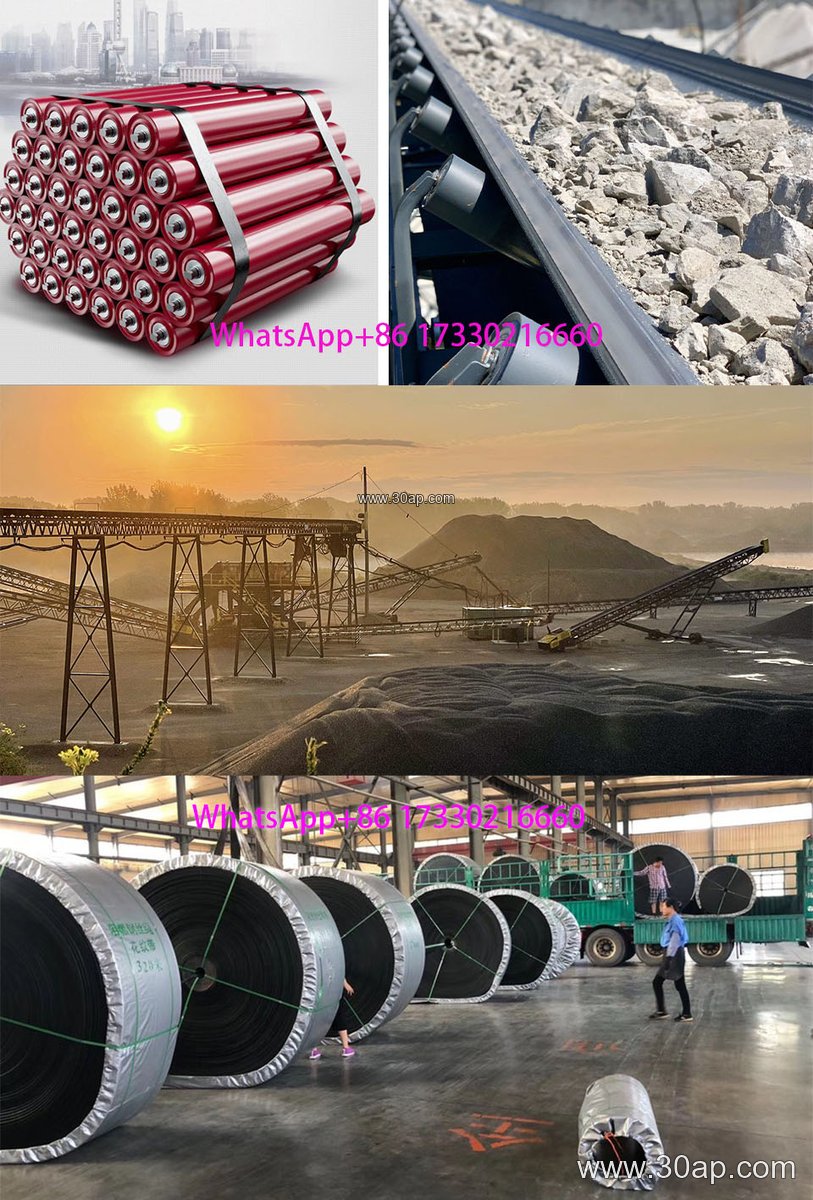
Belt selection never happens in isolation. Troughability depends on the idler roller arrangement, and belt tension determines the size of the drive pulley, tail pulley, and bend pulleys. These are separate components with separate functions and must be specified individually; a wider belt does not automatically dictate one pulley diameter, and shaft size follows the calculated load, not the belt width alone. Conveyor bracket and frame geometry should be checked so the belt runs centered, particularly on long overland routes exposed to wind and thermal expansion.
Buyer Checklist
- State the material, lump size, and maximum temperature at the loading point.
- Give center-to-center distance, incline angle, and required capacity in tonnes per hour.
- Confirm whether flame retardant and anti-static properties are mandatory for the site.
- Specify cover thickness and carcass grade rather than only belt width.
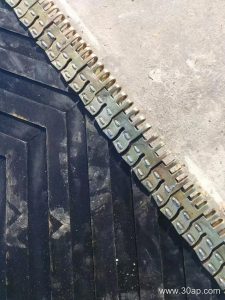
- Ask for the splice method and edge condition, since these affect belt life.
- Plan spare belt sections and check that pulley and idler roller dimensions match the selected belt.
For a full view of belt, pulley, and roller options, see the Mining Conveyor Belt range and related EP Conveyor Belt and Steel Cord Conveyor Belt pages. A correctly matched belt keeps the whole conveying line productive, from the primary crusher to the stockyard.