What a Mining Conveyor Bracket Actually Does
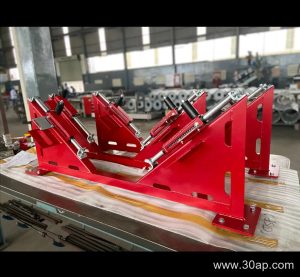
A mining conveyor bracket is the steel frame that holds the idler rollers in position and sets the trough profile of the belt. It sits between the conveyor stringer and the roller, transferring the weight of ore, coal, or aggregate into the structure. Without a properly aligned bracket, the belt loses its shape, material spills, and roller life drops. In a quarry, a cement plant, or an underground coal face, this small assembly often decides how smoothly the whole line runs.
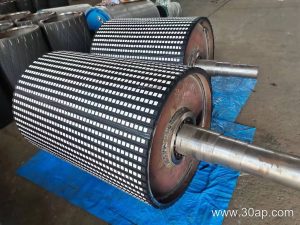
The bracket should not be confused with the pulley. A drive pulley pulls the belt, a tail pulley returns it, and a bend pulley changes its direction. Those are separate components with separate duties. The bracket belongs to the carrying and return side, and it is judged by how well it holds a conveyor belt in the intended shape.
Construction and Common Forms
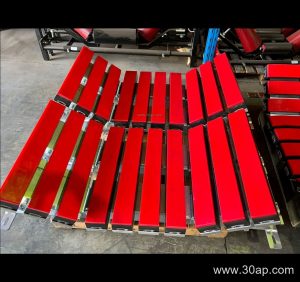
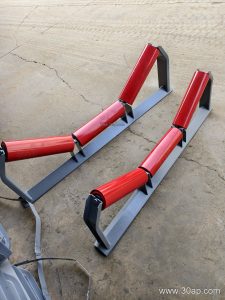
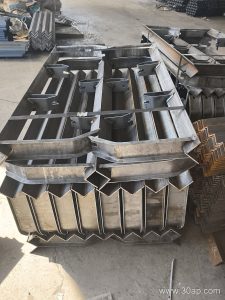
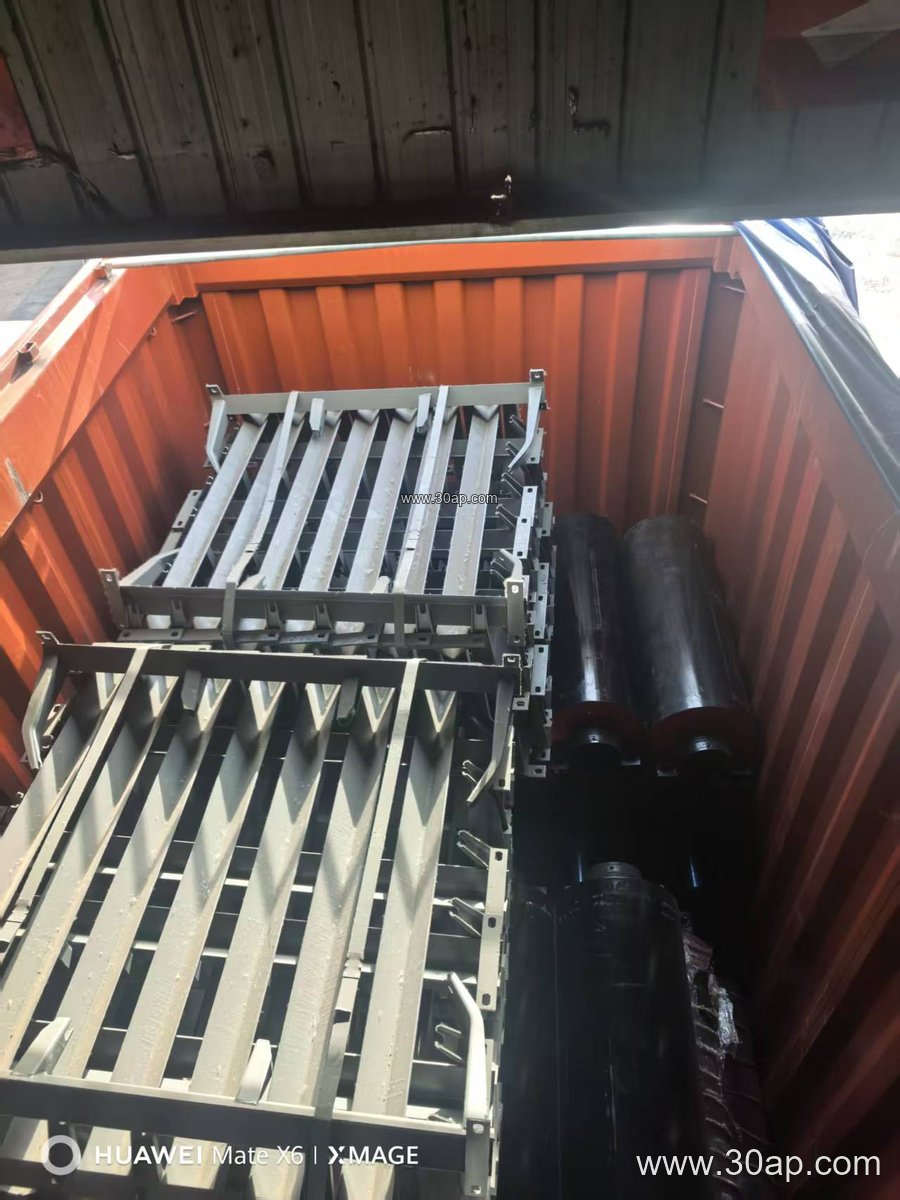
Most brackets are fabricated from angle steel, channel steel, or folded steel plate. The frame is drilled for roller mounting, and the cross beam length follows belt width and trough angle rather than a single fixed number. Common carrying designs include the trough bracket, transition bracket, and self-aligning bracket. On the return side, flat brackets and V-type return brackets are typical. Impact brackets appear under loading points, while suspended brackets suit structures where space is tight.
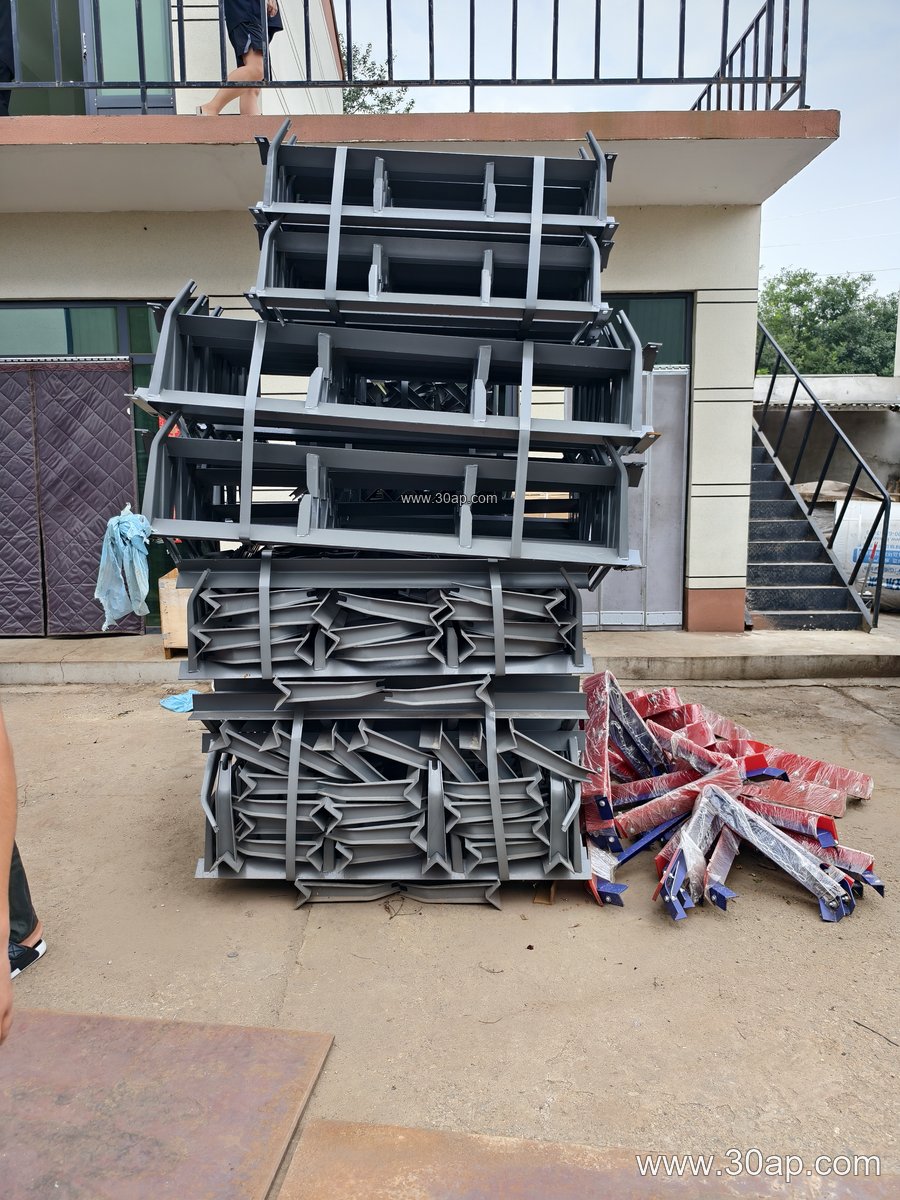
- Trough bracket: three-roller arrangement forming a 20, 30, 35, or 45 degree trough
- Transition bracket: eases the belt from flat to troughed near pulleys
- Return bracket: supports the empty belt, often with a V shape for self-centering
- Impact bracket: reinforced frame under chutes and feed points
- Adjustable bracket: trough angle can be changed within the design range
Forward-leaning brackets are sometimes set at roughly 1.5 to 2 degrees to help the belt track. Fixed and adjustable versions differ mainly in how much field correction the maintenance team can make without cutting steel.
Matching Bracket, Belt, and Roller
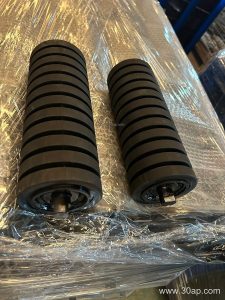
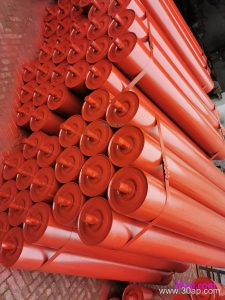
Sizing is a design exercise, not a lookup. A B800 frame with a 35 degree trough and Ø108 rollers is a common combination, and a B1200 line may use 45 degrees with Ø133 rollers. A B650 feeder might run 30 degrees with Ø89 rollers. These are examples, not rules. Wider belts and heavier ore loads usually call for larger roller diameters and stiffer frames, but the final choice depends on belt tension, material density, and support spacing.
The belt family matters too. A heavy-duty mining conveyor belt on an iron ore line behaves differently from a flame retardant belt in a coal mine or a heat resistant belt near a cement kiln. Abrasion resistant and impact resistant covers add mass, which the bracket and its idler roller must carry. Where a pipe conveyor belt or a corrugated sidewall belt is used, the bracket layout follows that belt’s own profile.
| Reference point | Typical range | Note |
|---|---|---|
| Belt width | B500 to B2200 | Frame length follows width |
| Trough angle | 20, 30, 35, 45 degrees | Adjustable frames cover a range |
| Roller diameter | Ø89, Ø108, Ø133, Ø159, Ø194 | Selected by load and speed |
| Material | Angle, channel, folded plate | Coating depends on environment |
Where It Fits on Site
In a coal washing plant, brackets on the main haulage belt must cope with wet, sticky fines and are often paired with self-cleaning rollers. In a limestone quarry or a crushing and screening line, impact brackets under the crusher discharge absorb lump shock before the belt takes the full blow. A power plant coal yard and a port ship loader each impose their own dust and corrosion conditions, so galvanizing or painting is chosen accordingly.
Alignment is the practical concern. A bracket installed out of square will steer the belt toward one side, wear the edge, and load the conveyor pulley unevenly. Checking hole spacing, cross beam level, and stringer height during installation prevents most tracking complaints later.
Buyer Checklist
- Confirm belt width, trough angle, and roller diameter before ordering
- State whether the frame is fixed or adjustable
- Specify mounting hole spacing and cross beam length from your drawing
- Match steel thickness to load and impact conditions
- Choose surface treatment for dust, moisture, or wash-down
- Ask for dimensional drawings, not just a model name
A bracket is a low-cost part with a high influence on uptime. Getting the frame, the roller, and the conveyor bracket detail right at the design stage is cheaper than correcting a mistracking belt in the field.