What an Aggregate Conveyor Belt Does
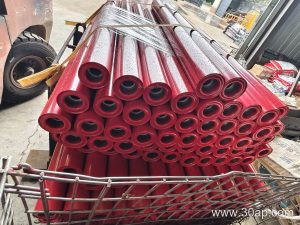
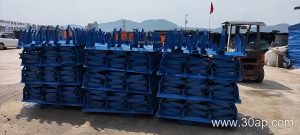
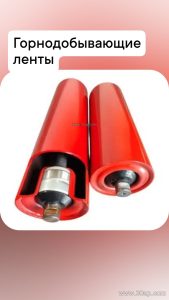
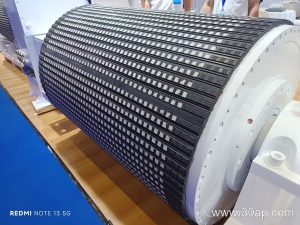
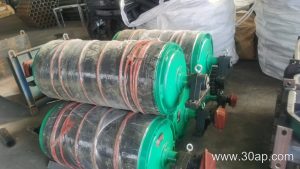
An aggregate conveyor belt is the moving working surface that carries crushed stone, sand, gravel and screened rock between the crusher, screen deck, stockpile and load-out point. In a quarry or sand plant, the belt is only one part of the line, but it is the part that touches the material continuously. It works together with the idler roller, the conveyor pulley at the head and tail, and the conveyor bracket that keeps the frame aligned, so belt choice should match the whole conveyor rather than stand alone.
The job is abrasive and often dusty. Sharp-edged aggregate, mixed sizes and uneven feed put steady wear on the top cover, while fines and moisture can migrate to the pulley face and cause tracking problems. A well-chosen belt keeps the load centered, resists cutting and gouging, and holds its splice through repeated starts under load.
Construction and Common Specifications
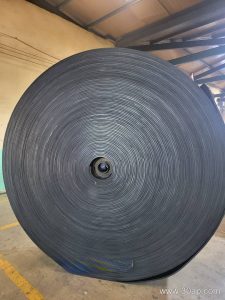
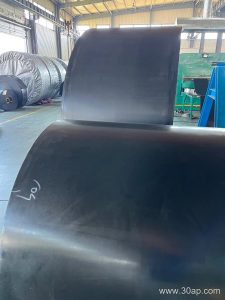
Most aggregate belts use a fabric core with rubber covers. The carcass provides tensile strength, and the cover compounds protect against abrasion, impact and weather. EP fabric is a popular choice because it offers good strength-to-weight balance and low stretch in long runs. NN nylon belts are also used where high flexibility and impact absorption matter. Heavy primary crushing lines may move to steel cord construction when tonnage and center distance are large.
Typical reference values are shown below. These are common ranges, not fixed combinations, and final figures are confirmed by the belt and conveyor design.
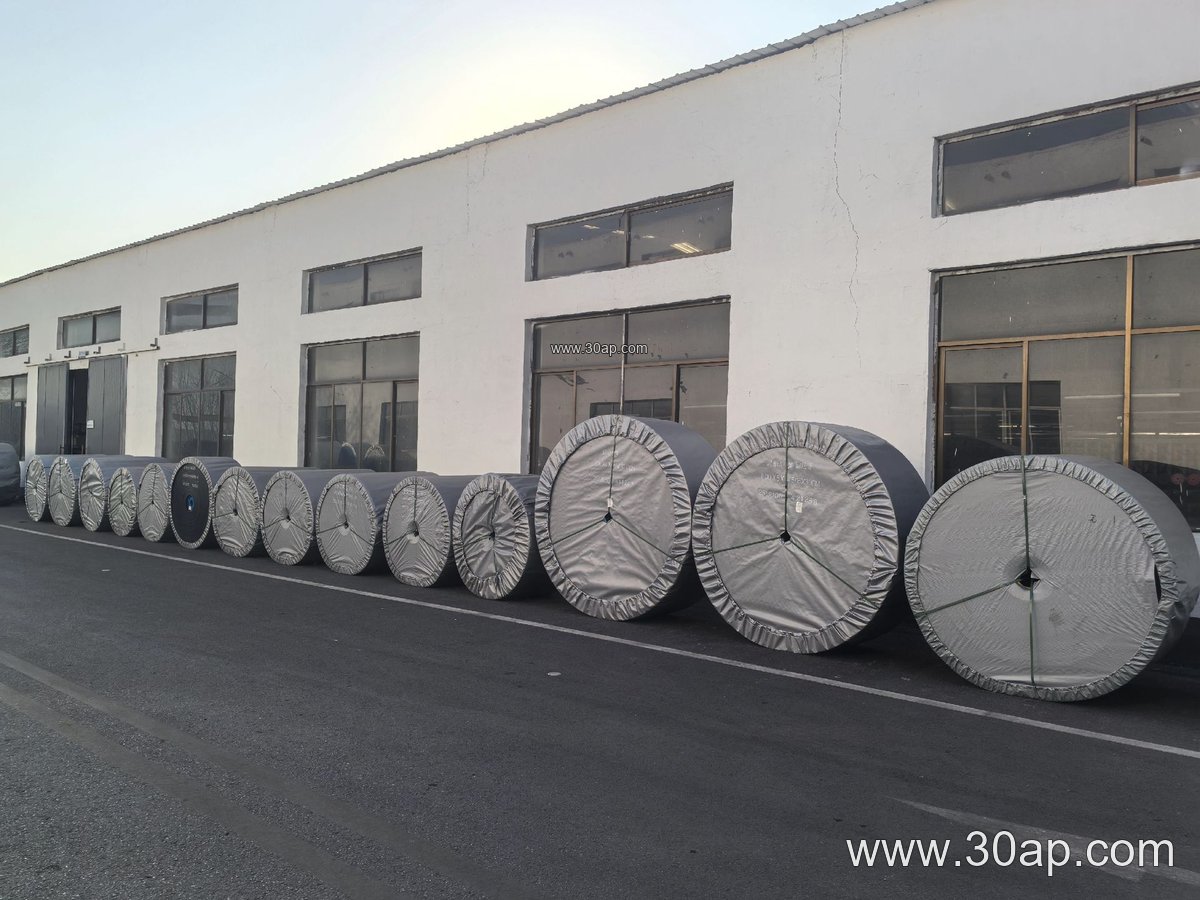
- Fabric types: EP Conveyor Belt, NN Conveyor Belt, Multi-Ply Fabric Core Conveyor Belt
- Strength grades: EP200, EP315, EP400, EP500, EP630, EP800, EP1000, EP1250
- Belt widths: B500, B650, B800, B1000, B1200, B1400, B1600
- Cover thickness examples: 4+2 mm, 5+2 mm, 6+2 mm, 8+3 mm
- Carcass plies: usually 2 to 6 layers depending on load
For inclined stockpile conveyors, a Chevron Conveyor Belt or a Corrugated Sidewall Conveyor Belt can help hold material on the slope. In dusty plants, an Anti-Static Conveyor Belt is sometimes specified where static buildup is a concern. These are options for specific duties, not automatic replacements for a standard flat belt.
Where It Fits in the Plant
Aggregate handling appears across mining, cement, power and construction supply chains. A Quarry Conveyor Belt may feed a primary screen, a Crusher Conveyor Belt may return oversize rock for re-crushing, and a Rock Conveyor Belt may carry washed stone to a stockpile. Similar belts serve cement plants, coal yards and port loading systems, though the cover compound and flame requirements change with the material.
In a sand and gravel operation, the same conveyor may run dry stone in summer and wet, sticky material after rain. That variation affects belt cleaning, pulley lagging and idler selection more than it affects the belt carcass. Buyers should describe the full duty cycle, not only the peak tonnage.
Selection Points Buyers Should Confirm
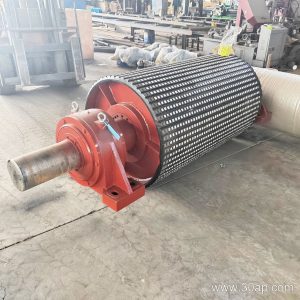
Start with material size, bulk density, moisture and temperature. Then confirm capacity in tons per hour, incline angle, center distance and the number of starts per day. The head, tail and bend pulleys each play a different role, and their diameters and lagging affect belt life and tracking; they should be checked as separate components, not treated as one item.
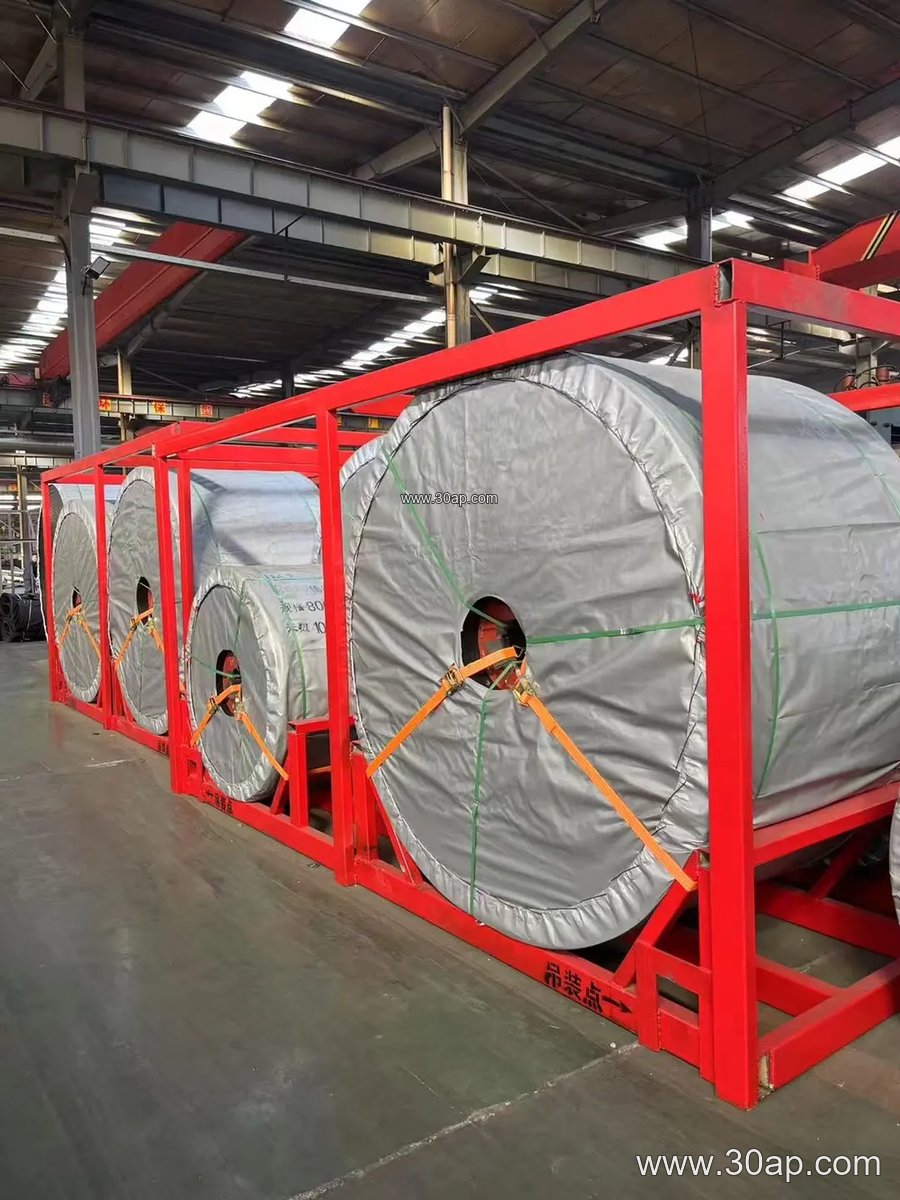
Cover compound matters as much as strength grade. An Abrasion Resistant Conveyor Belt suits sharp crushed rock, while a Heat Resistant Conveyor Belt may be needed after a dryer or near hot clinker. In coal or dust-heavy operations, a Flame Retardant Conveyor Belt is often requested. For cold climates, a Cold Resistant Conveyor Belt helps prevent cover cracking during winter startup.
Also ask about splice type, edge condition and whether the belt will be supplied as an Endless Conveyor Belt or in rolls for on-site joining. Confirm the pulley, idler roller and conveyor bracket dimensions before ordering, because belt width alone does not define shaft size or pulley diameter.
Maintenance and Service Life
Inspect the belt line each shift for spillage, misalignment and cover damage. Check that idlers turn freely, that pulley lagging is not worn smooth, and that the belt is not rubbing the frame or skirt rubber. Keep the loading point centered and control feed size, since impact and off-center loading are common causes of edge damage and premature cover wear.
Record cover thickness and splice condition over time to plan replacement. A belt that is correctly matched to the aggregate duty, the pulley arrangement and the maintenance routine will deliver a longer, more predictable service life than one chosen on width and price alone.