Understanding the PVG800 Conveyor Belt
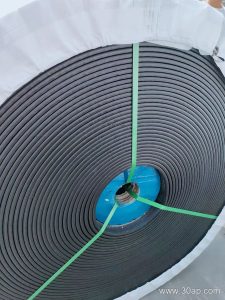
The PVG800 conveyor belt is a solid-woven, PVC-impregnated belt designed for tough conveying tasks where both strength and flame resistance matter. In many mining and industrial settings, this belt is also called a PVC conveyor belt with a PVG construction, or a PVG conveyor belt in the 800 kN/m tensile class. It is not a rubber-covered fabric belt or a steel cord belt; it belongs to the solid-woven PVC family, often chosen for underground coal haulage and other environments where a flame retardant conveyor belt is required.
The “800” refers to the nominal tensile strength in newtons per millimeter of belt width. This places the PVG800 in a mid-to-high strength range for solid-woven belts, making it suitable for main haulage and heavy-duty mining conveyor systems. Buyers should note that actual working tension depends on the full conveyor design, including load, incline, and safety factors.
Construction and Key Features
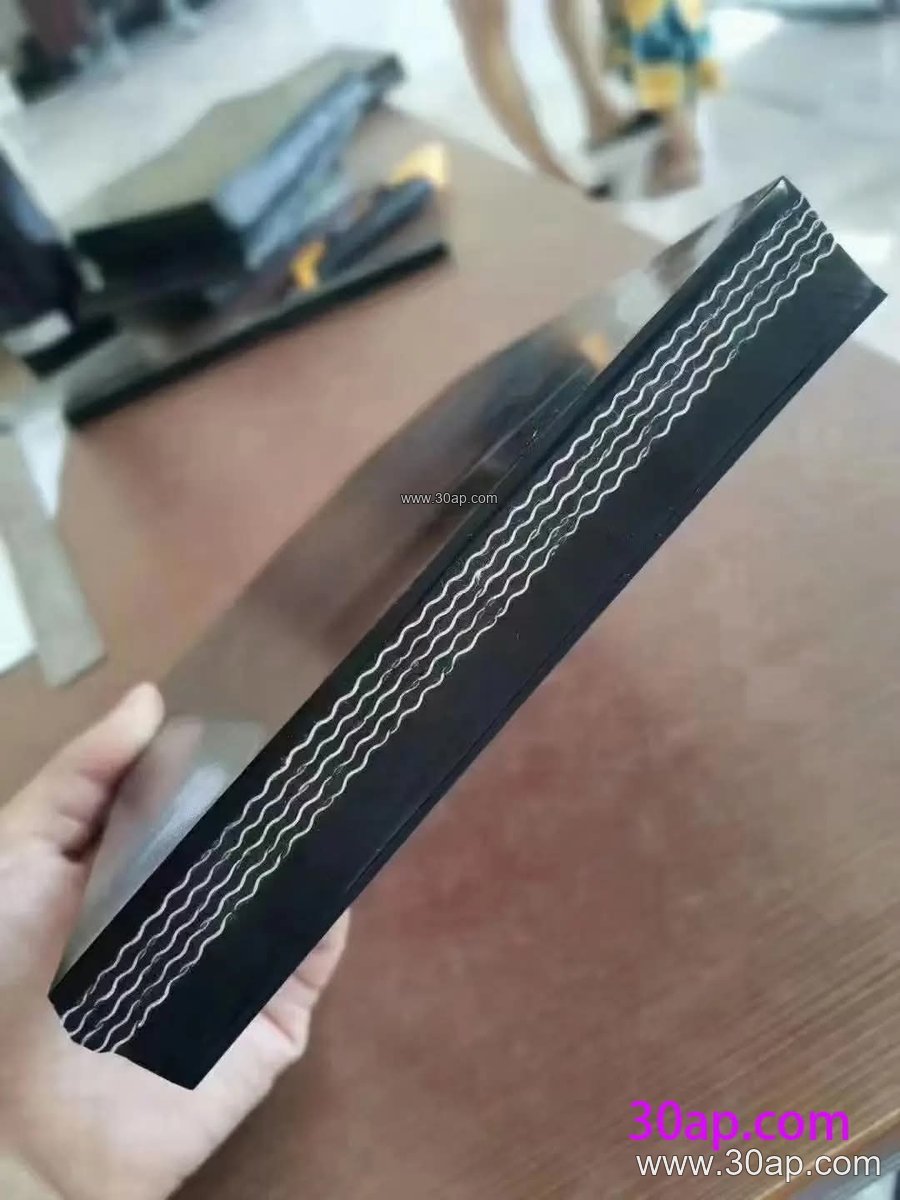
A typical PVG800 belt uses a solid-woven fabric core completely impregnated with polyvinyl chloride (PVC). The cover layers are also PVC-based, often with additives for flame retardancy and anti-static performance. This construction gives the belt a good balance of flexibility, impact resistance, and resistance to moisture and rotting—properties that are valuable in wet or humid underground conditions.
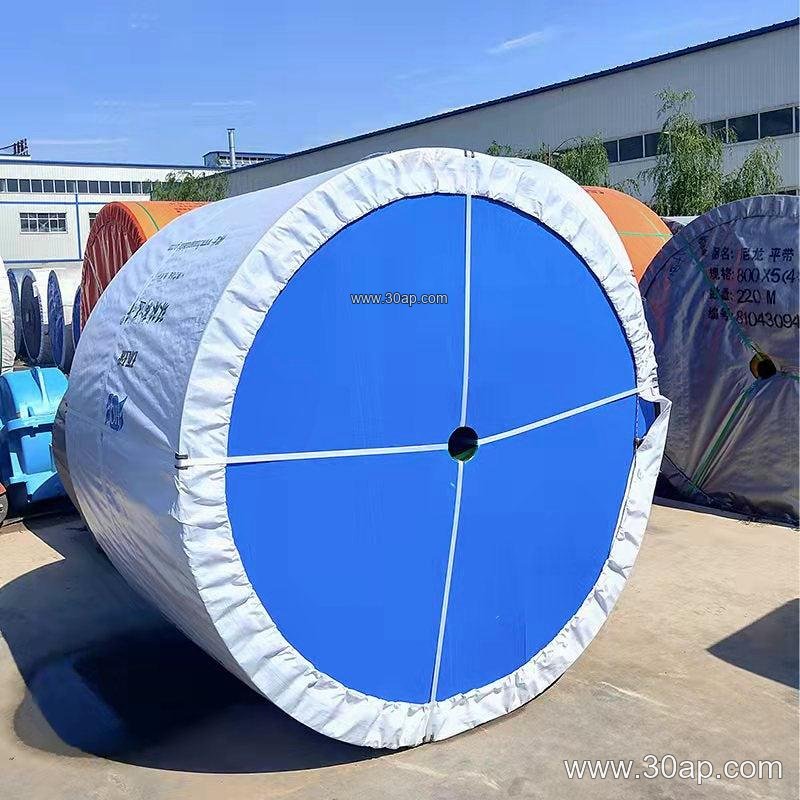
Because the core is solid-woven rather than multi-ply, the belt resists delamination and edge wear. It can be supplied with different cover thicknesses and surface patterns. For inclined transport, a chevron conveyor belt or a corrugated sidewall conveyor belt may be considered, but these are separate designs; the PVG800 remains a flat-belt product unless specifically ordered with cleats or sidewalls.
Common quality features include:
- Flame retardant and anti-static formulations for underground mining use
- Good resistance to abrasion and impact from lumpy materials
- Low elongation under load compared with some multi-ply fabric belts
- Suitable for vulcanized splicing or mechanical fastening, depending on the application
Typical Applications and Industries
The PVG800 conveyor belt is widely used in underground coal mining, where flame retardant and anti-static properties are often mandatory. It also appears in power plants, cement plants, and quarry operations for transporting bulk materials such as coal, limestone, clinker, and aggregates. In coal mining conveyor belt systems, it may run alongside idler rollers and conveyor pulleys that are designed to match the belt width and load.
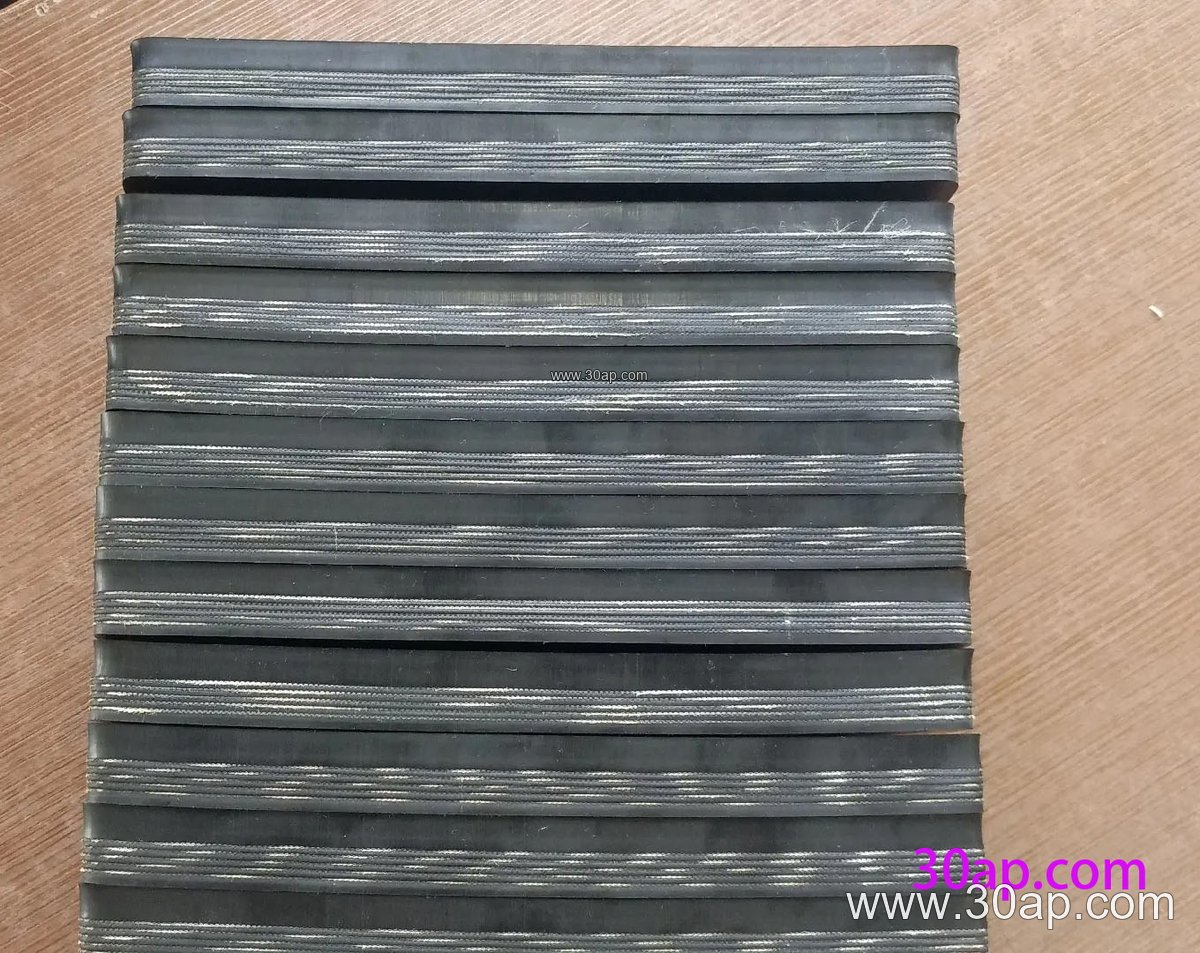
Other industries include steel plants, port loading facilities, and sand making plants. While a rubber conveyor belt such as an EP conveyor belt or NN conveyor belt is common in many surface operations, the PVG800 is often preferred where fire safety and moisture resistance are priorities. For very high strength or long overland hauls, a steel cord conveyor belt may be more appropriate, but it is not a substitute for the PVG800 in flame-sensitive underground applications.
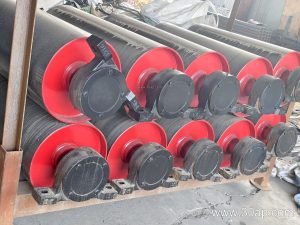
Related equipment such as conveyor brackets and idler rollers should be selected to suit the belt’s width and tension rating. The belt is not interchangeable with a drive pulley or tail pulley—these are separate components—but they must work together as a system.
Specifications and Size Considerations
The following table shows typical reference data for PVG800 and related solid-woven belts. Values are indicative and should be confirmed with the manufacturer for a specific order.
| Parameter | Common Reference Range |
|---|---|
| Belt type | PVG solid-woven, PVC impregnated |
| Nominal tensile strength | 800 N/mm (PVG800) |
| Belt width (B) | B500, B650, B800, B1000, B1200, B1400, B1600, B1800, B2000 |
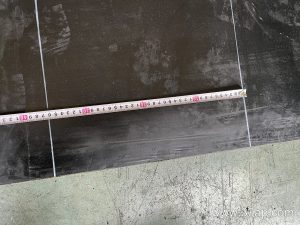
| Cover thickness | 3+1.5 mm, 4+2 mm, 5+2 mm, 6+2 mm, 8+3 mm (typical) |
| Core construction | Solid-woven fabric, 2 to 6 layers equivalent |
| Surface options | Flat, chevron, corrugated sidewall (on request) |
When selecting a width, remember that belt width and pulley diameter are matched by conveyor design, not by a fixed rule. A 1000mm or 1200mm wide PVG800 belt may be used with different pulley sizes depending on the load and space. Buyers should avoid assuming that one belt width fits all pulleys.
Buyer Checklist and Maintenance Notes
Before ordering a PVG800 conveyor belt, confirm the required flame retardant and anti-static standards for your site, the material lump size, and the conveyor’s maximum slope. Check that the belt width fits the existing idler roller and pulley arrangement. For underground coal mining conveyor belt systems, documentation of flame resistance is often required.
During operation, inspect the belt for edge damage, cover wear, and splice integrity. Keep idler rollers turning freely and ensure conveyor pulleys are aligned to prevent tracking problems. Store spare belts in a dry, shaded area. Remember that the PVG800 is a specific product; it should not be replaced by a different subtype such as an EP conveyor belt or a steel cord belt without a full engineering review.
For more information on compatible conveyor components and belt options, visit conveyor belt resources and idler roller guides. A properly matched conveyor pulley and conveyor bracket system will help the PVG800 belt deliver reliable service in mining, cement, and power plant applications.