What an Iron Ore Conveyor Belt Is
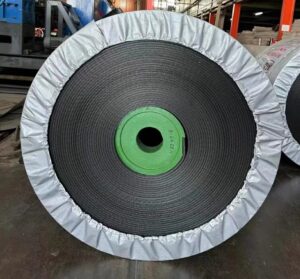
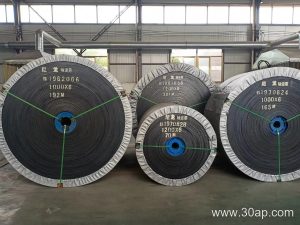
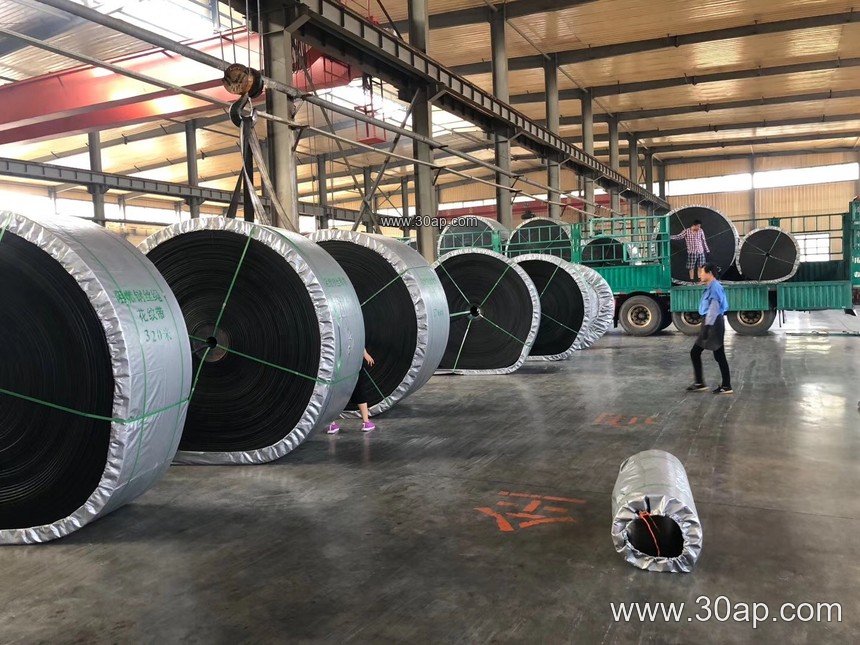
An Iron Ore Conveyor Belt is a heavy-duty rubber belt designed to move crushed iron ore, pellets, and sintered material across long distances in mines, ports, steel plants, and processing facilities. Unlike a general-purpose conveyor belt, this belt must withstand sharp, dense, and highly abrasive ore that can quickly wear through standard covers. It is typically built as a Steel Cord Conveyor Belt for high tension and long spans, or as a multi-ply fabric belt for shorter, more flexible routes.
Construction and Key Components
The belt’s performance comes from its carcass and cover compound. The carcass provides tensile strength, while the cover protects against cutting, gouging, and impact. Common constructions include:
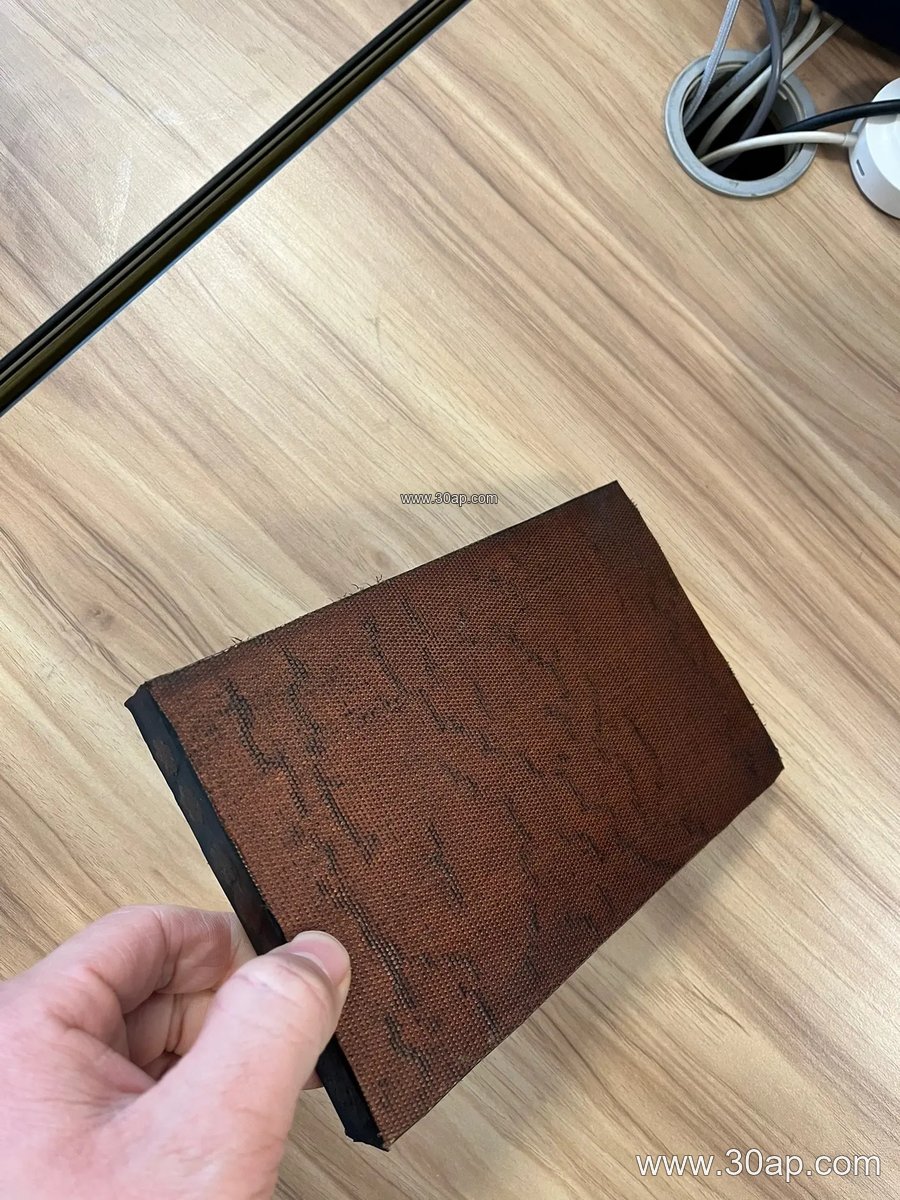
- Steel cord carcass – longitudinal brass-plated wires embedded in rubber, used for high-strength, long-distance conveying.
- Fabric core – multiple plies of EP or NN fabric, suitable for medium-duty iron ore lines and transfer points.
- Cover rubber – usually an Abrasion Resistant Conveyor Belt compound with high tear strength, often in thicknesses such as 6+2 mm or 8+3 mm for ore handling.
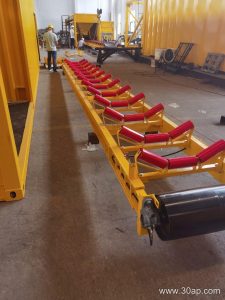
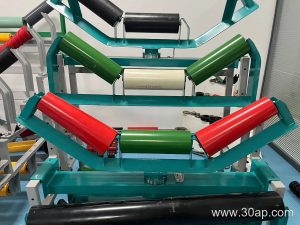
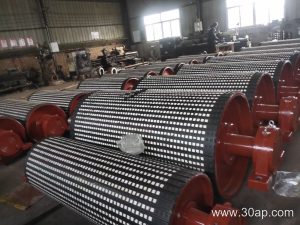
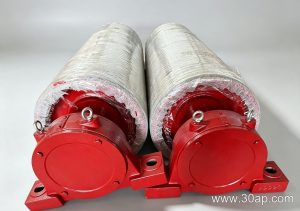
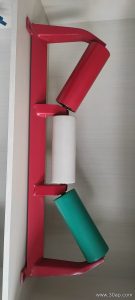
The belt runs over idler roller sets and conveyor pulley assemblies. Drive pulleys, tail pulleys, and bend pulleys each have distinct roles and are not interchangeable; the belt’s tension rating and pulley lagging must be matched to the duty. Conveyor bracket frames support the idlers and keep alignment stable under heavy loads.
Typical Specifications
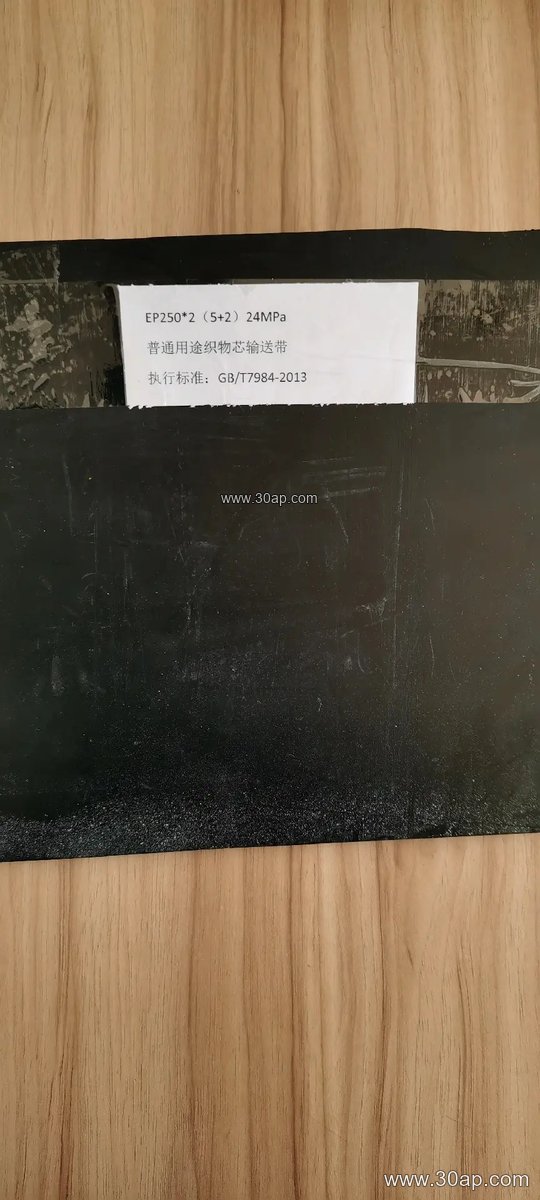
Buyers often work with a combination of belt width, strength class, and cover grade. The table below shows common reference values; actual selection depends on conveyor design, ore lump size, drop height, and ambient conditions.
| Parameter | Common Reference Values |
|---|---|
| Belt width | B800, B1000, B1200, B1400, B1600, B1800, B2000 |
| Strength class (steel cord) | ST1000, ST1250, ST1600, ST2000, ST2500, ST3150 |
| Strength class (fabric) | EP200, EP315, EP400, EP500, EP630, EP800, EP1000 |
| Cover thickness | 4+2 mm, 5+2 mm, 6+2 mm, 8+3 mm |
| Carcass plies (fabric) | 2 to 6 plies, depending on tension |
These figures are for guidance only. A belt width does not dictate a single pulley diameter, and shaft size must be calculated from the actual conveyor load and pulley design.
Where It Is Used
Iron ore handling spans several industries. In mining, a Mining Conveyor Belt carries raw ore from the crusher to stockpiles or processing plants. At ports, ship loading and unloading systems rely on high-tension belts for rapid transfer. Steel plants use belts to feed sinter and pellets into furnaces, while cement and aggregate operations may use similar heavy-duty belts for limestone and clinker. In all these settings, impact resistance and abrasion resistance are critical because ore lumps can be sharp and heavy.
For underground or enclosed galleries, a Flame Retardant Conveyor Belt may be required to meet safety rules. In cold climates, a Cold Resistant Conveyor Belt compound helps prevent cracking. Where oil or grease is present, an Oil Resistant Conveyor Belt cover can extend service life.
Selection and Maintenance Tips
Choosing the right belt starts with the conveyor’s tension, speed, and loading conditions. Consider these points:
- Match the strength class to the maximum working tension, with a safety factor agreed with the conveyor designer.
- Select cover thickness and grade based on lump size, drop height, and abrasiveness of the ore.
- Use appropriate pulley lagging and idler spacing to reduce belt stress and tracking problems.
- Inspect splices, edges, and covers regularly; repair small cuts before they reach the carcass.
- Keep the belt aligned and clean to avoid edge damage and premature wear.
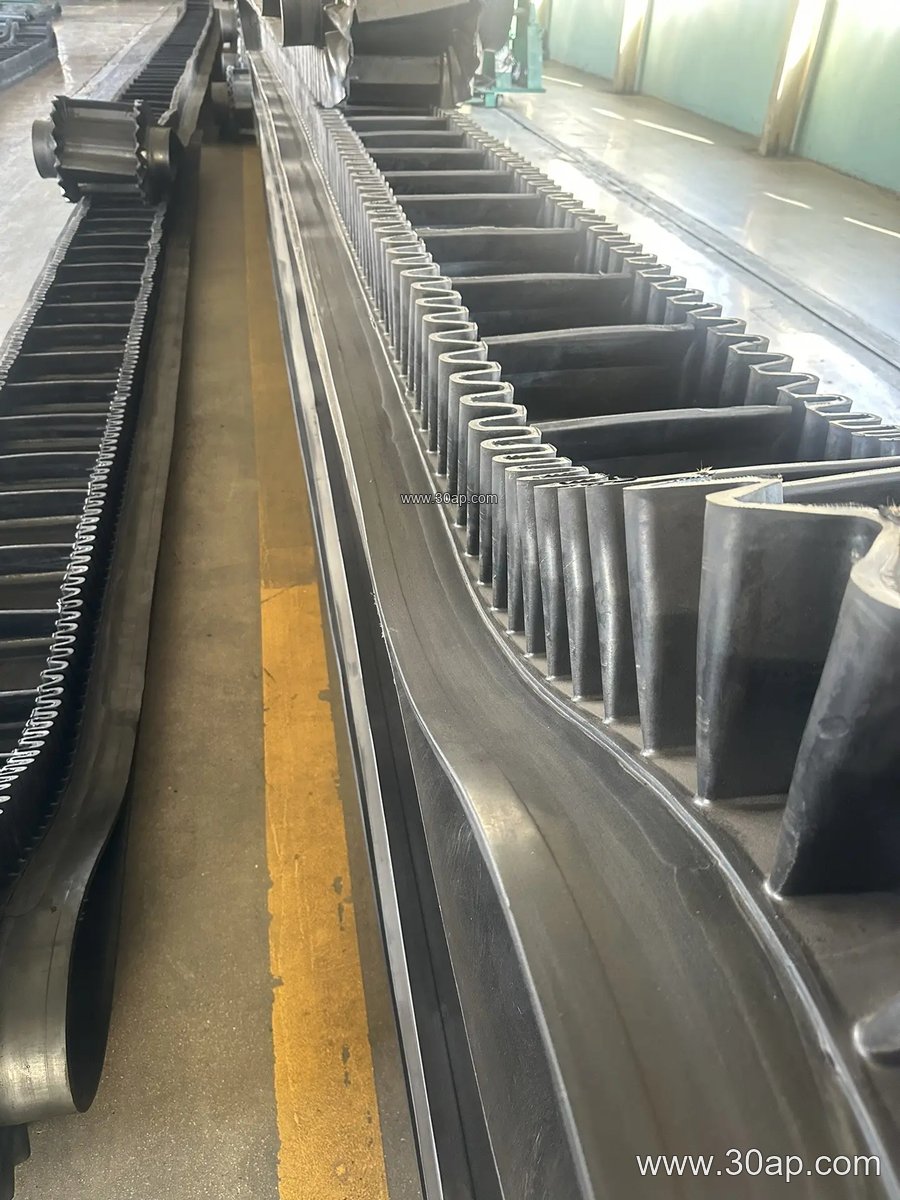
For high-abrasion iron ore duty, a High Abrasion Resistant Conveyor Belt or a Heavy-Duty Mining Conveyor Belt construction is often preferred. The final choice should be confirmed with the belt manufacturer and conveyor engineer, because ore properties and site conditions vary widely.