What a Skirted Conveyor Belt Is
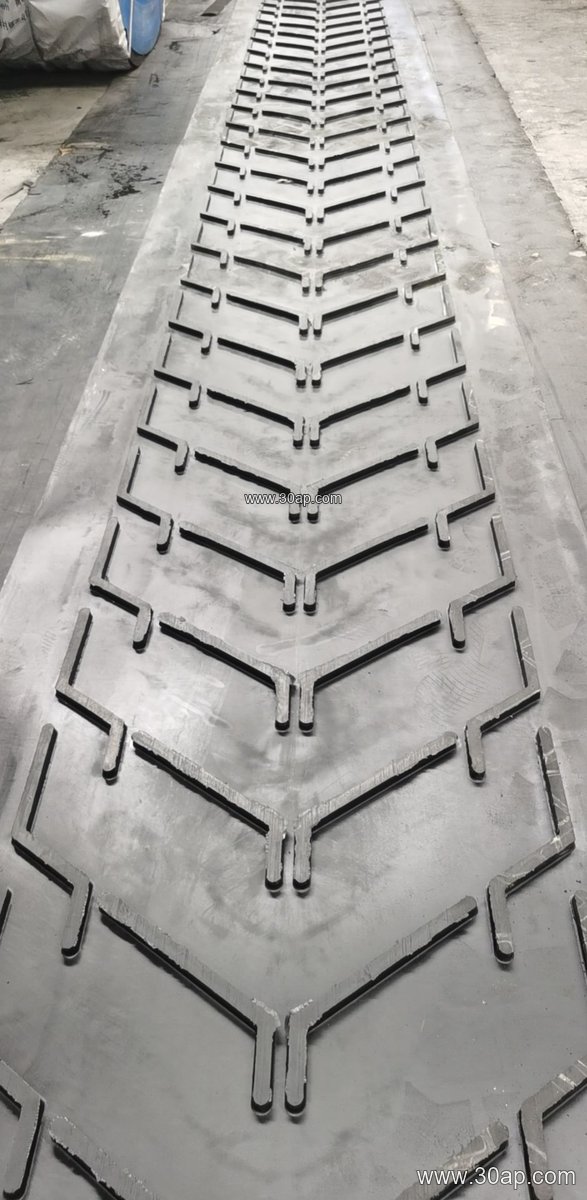
A skirted conveyor belt is a rubber conveyor belt fitted with raised flexible side walls, usually called skirts, along both edges. These skirts keep bulk material on the belt and reduce spillage at transfer points, on inclines and around curves. The product is also known as a raised-edge belt or a belt with side skirts. In a quarry, cement plant or coal preparation line, it is often chosen where a standard flat belt would shed material at the loading zone.
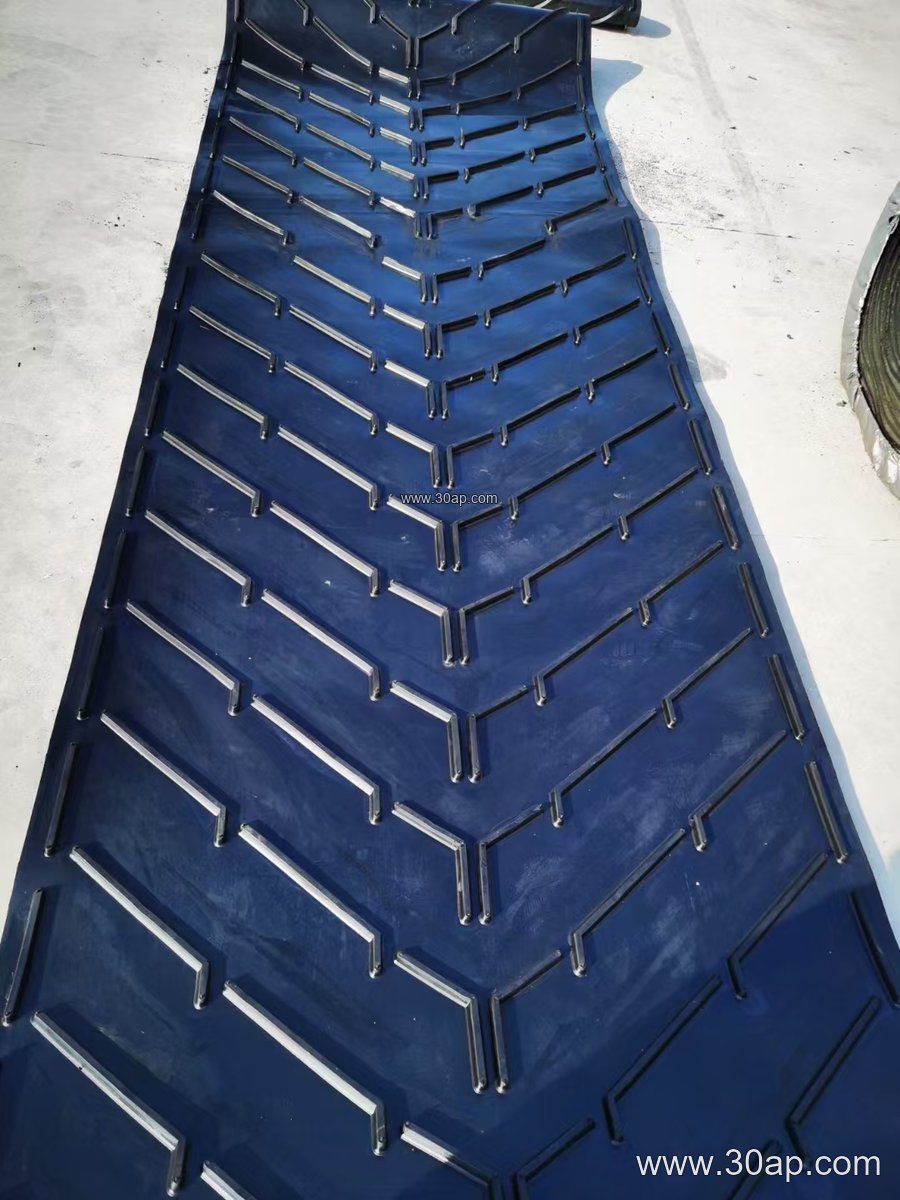
The skirt should not be confused with a corrugated sidewall belt. The corrugated sidewall conveyor belt uses tall, folded walls combined with cleats to carry material up steep inclines. A skirted belt is primarily a containment solution, while the corrugated sidewall design is a steep-angle conveying solution. Both can appear in the same plant, but they serve different duties.
How the Belt Is Built
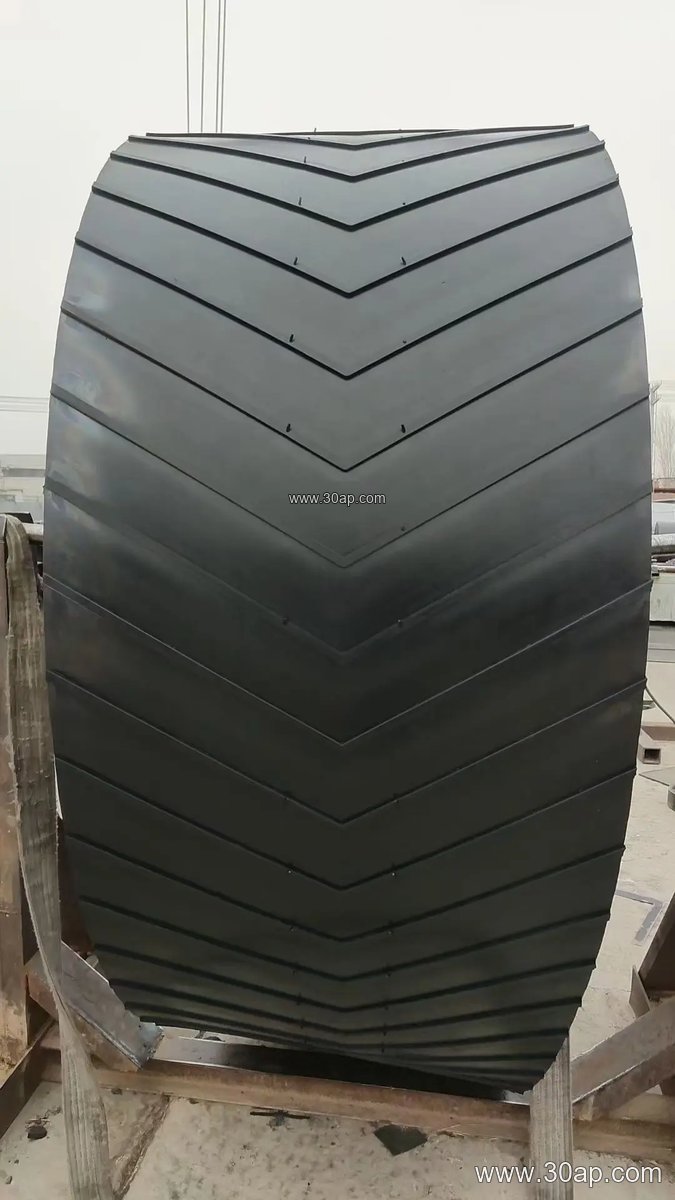
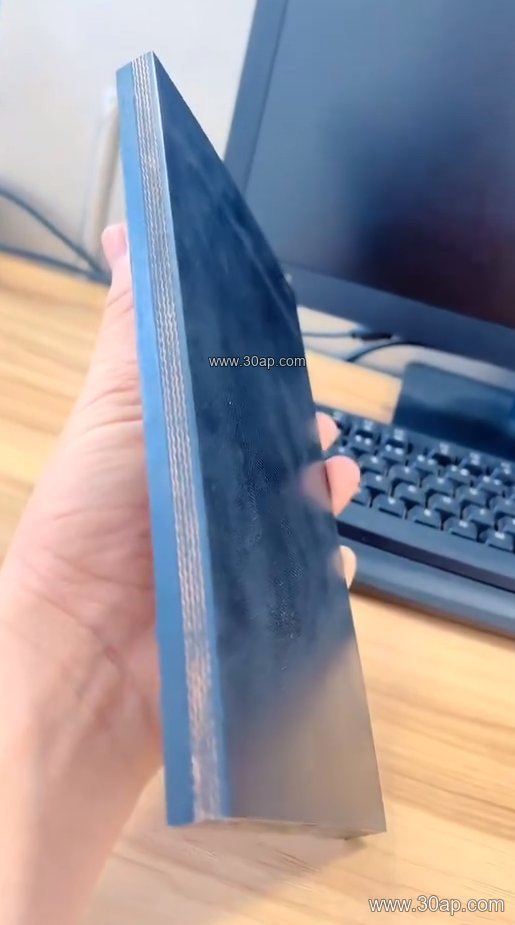
The carcass is normally a fabric core, such as an EP conveyor belt or an NN conveyor belt, with multiple plies. A multi-ply fabric core conveyor belt gives good fastener holding and resistance to impact from lumpy feed. For long overland runs or high tension, a steel cord conveyor belt may be used, but the skirt attachment then needs careful design because the skirt base must bond reliably to the cover rubber.
Typical construction details include:
- Top cover and bottom cover in common gauges such as 4+2 mm, 5+2 mm or 6+2 mm, with heavier covers for abrasive rock.
- Side skirts vulcanized or molded to the belt edge, with a base strip that protects the carcass.
- Rubber grades selected for the duty, for example abrasion resistant conveyor belt, heat resistant conveyor belt, oil resistant conveyor belt or flame retardant conveyor belt.
- Anti-static conveyor belt compounds where dust ignition risk exists.
The skirt height and profile are determined by the material, the belt speed and the loading conditions. Buyers should ask for the skirt profile drawing rather than assuming a height from the belt width alone.
Where It Fits in a Conveying System
Skirted belts are common in bulk material conveyor belt systems handling crushed stone, clinker, coal, ore, fertilizer and sand. They suit transfer chutes where material falls with impact, inclined sections below the angle of repose of ordinary belting, and mobile crushing and screening units. In a coal mining conveyor belt circuit, the skirt helps contain fines around loading points; in a cement plant it reduces dust and clean-up around clinker and raw meal transfers.
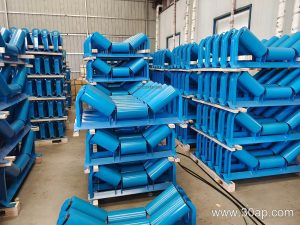
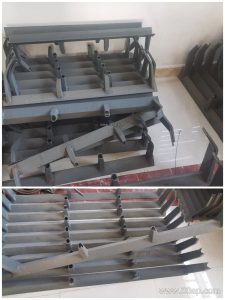
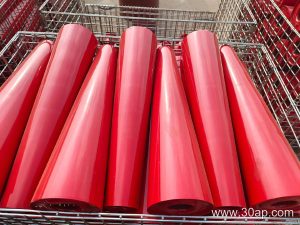
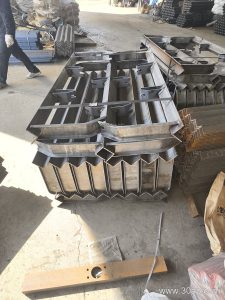
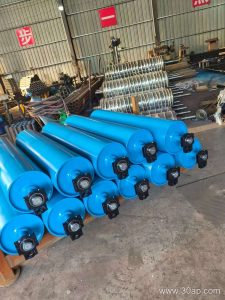
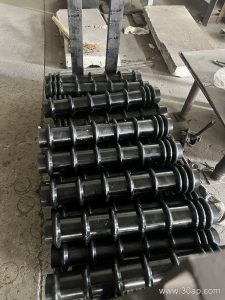
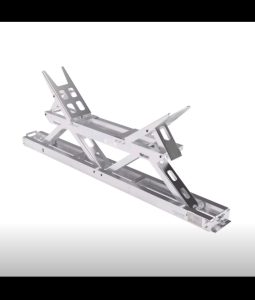
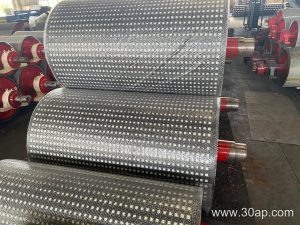
The belt works with standard conveyor components. A conveyor pulley at the head and tail drives and tensions the belt, while idler roller sets support the carrying run. The skirt usually runs inside the belt edge, so the idler arrangement and conveyor bracket positions must leave clearance for the skirt and its base. A bend pulley or vertical take-up may be needed where space is tight. On a pipe conveyor belt route, containment comes from the pipe shape rather than skirts, so the two designs are alternatives rather than interchangeable parts.
Common Specifications and Selection Points
The table below shows reference values, not fixed supply rules. Actual combinations depend on the conveyor design and the manufacturer.
| Parameter | Common reference values |
|---|---|
| Belt width | B500, B650, B800, B1000, B1200, B1400, B1600, B1800, B2000 |
| Fabric carcass strength | EP200, EP315, EP400, EP500, EP630, EP800, EP1000, EP1250 |
| Number of plies | 2 to 6, depending on tension and impact |
| Cover thickness | 3+1.5 mm, 4+2 mm, 5+2 mm, 6+2 mm, 8+3 mm |
| Rubber grades | Abrasion resistant, heat resistant, oil resistant, flame retardant, cold resistant, anti-static |
When selecting, confirm the material lump size, bulk density, moisture and temperature. Check whether the skirt must pass over small pulleys, because a tall skirt needs more transition length. Ask how the skirt edges are finished and whether the belt can be spliced on site with a vulcanized joint. For a heavy-duty mining conveyor belt duty, a thicker cover and a robust skirt base are usually more important than a higher tension rating.
Buyer Checklist
- Provide a sketch of the loading point and the skirt clearance required.
- State the belt width, center distance and pulley diameters, including the drive pulley and tail pulley.
- Confirm the rubber grade and cover gauge for the actual material.
- Ask for the splice method and the recommended idler and bracket layout.
- Check that the skirt profile matches the chute opening and that no sharp edge rubs the skirt.
For related belt options and component references, see rubber conveyor belt and conveyor pulley information. A well-matched skirted belt keeps material where it belongs and reduces housekeeping around the transfer tower.