What an Anti-Impact Idler Does
An anti-impact idler is a special type of idler roller installed at conveyor loading points where bulk material drops onto the belt. Its main job is to absorb the shock of falling rock, ore, or aggregate and protect the conveyor belt from damage. Also called an impact idler or buffer idler, this component is built with a rubber ring surface that cushions the impact energy before it reaches the belt carcass. In a quarry, limestone mine, or crushing circuit, the anti-impact idler is often the first line of defense for a Impact Resistant Conveyor Belt.
Construction and Common Forms
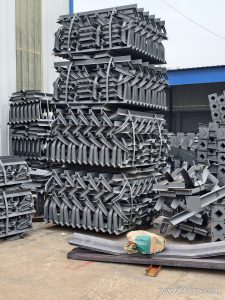
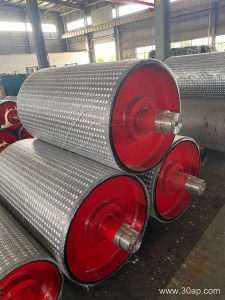
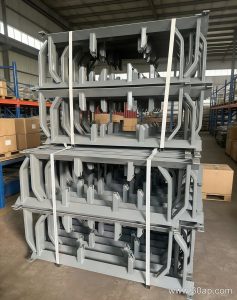
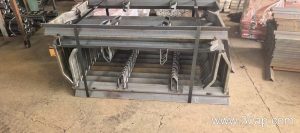
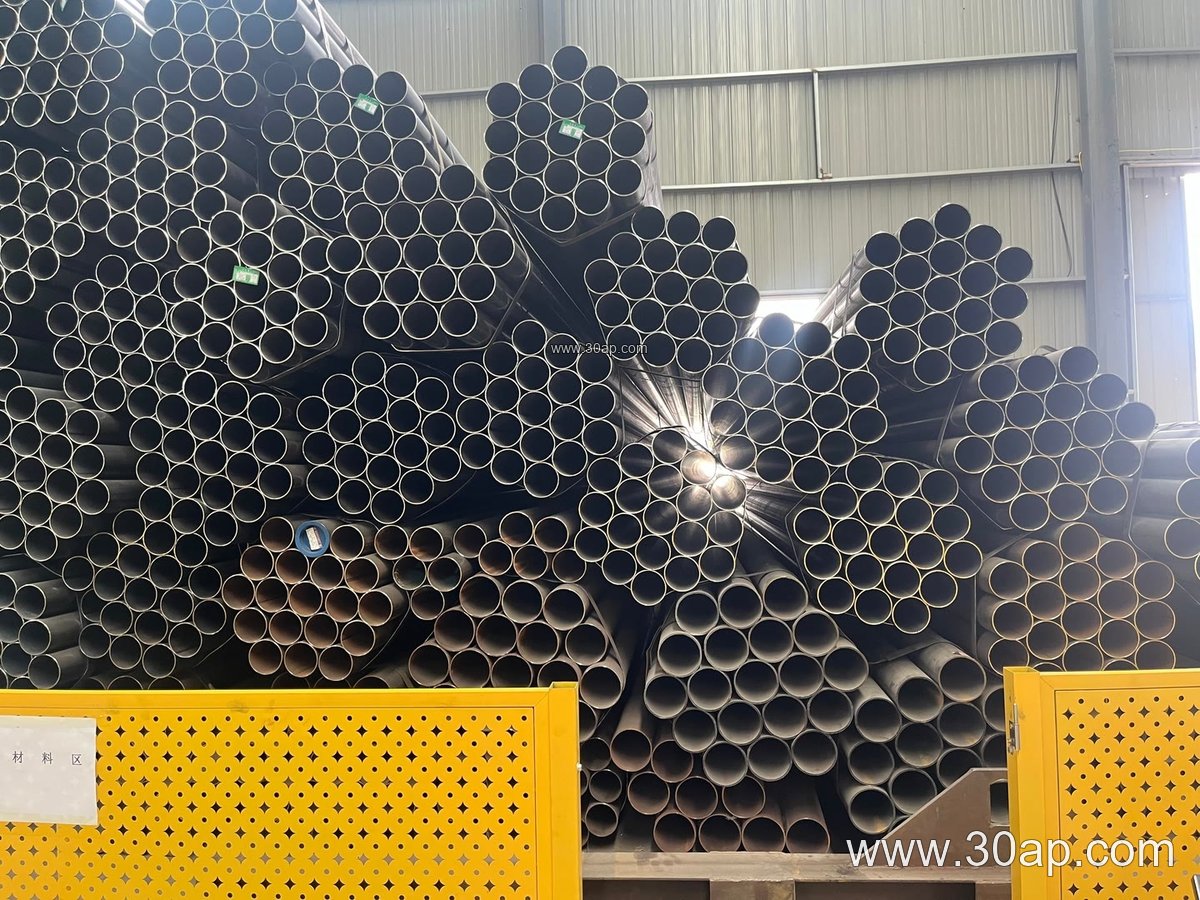
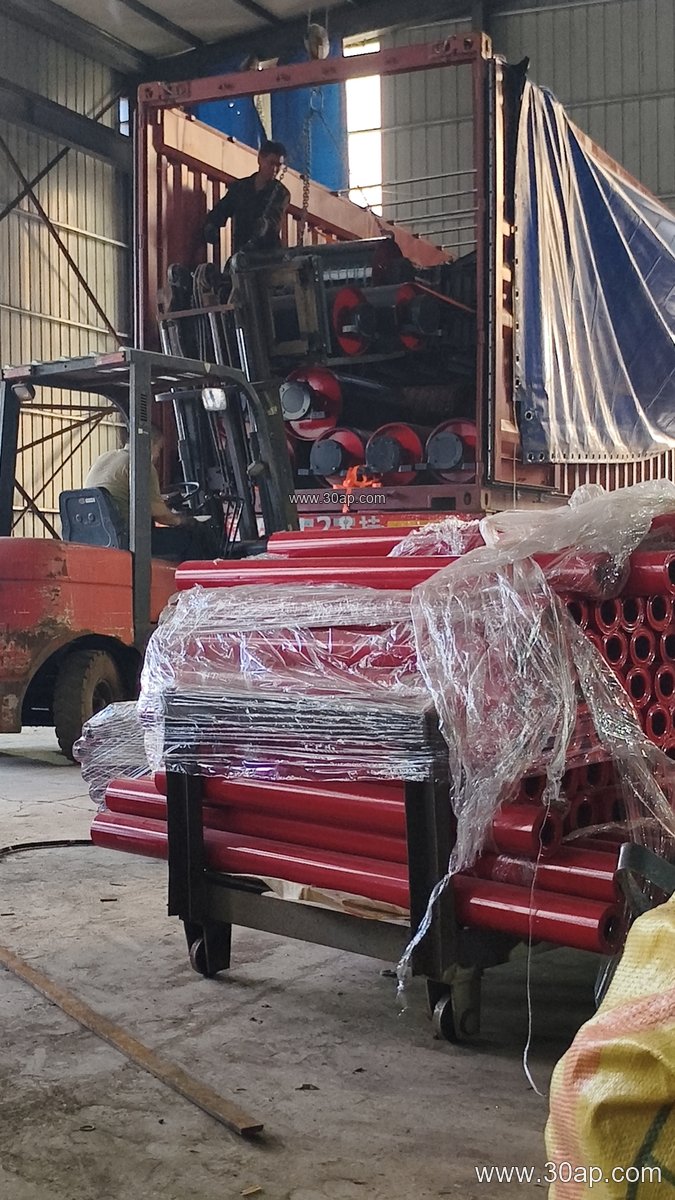
The anti-impact idler usually consists of a steel tube core covered with a thick rubber ring or disc. The rubber rings are spaced along the roller to create a flexible contact surface. Common roller diameters for this type include Ø89, Ø102, Ø108, Ø127, Ø133, Ø159, and Ø178. Bearing sizes such as 6204, 6205, 6305, 6306, 6308, and 6310 are selected according to load and shaft design, not simply by roller diameter. The idler frame is typically a three-roll troughing set with a 20, 30, 35, or 45 degree trough angle. Roll length varies with belt width and trough configuration; for example, a three-roll set on B800 may use approximately 315 mm rolls, while B1200 may use about 465 mm. These are common examples, not fixed combinations.
Where the Anti-Impact Idler Fits
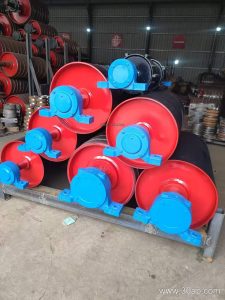
This idler is placed directly under the loading chute or transfer point. In a coal mining conveyor system, it sits below the skirted area where coal drops from a crusher or feeder. In a cement plant, it handles clinker and limestone at transfer points. In a power plant coal yard or a port ship loader, the anti-impact idler protects the belt at the receiving hopper. It is not a replacement for a drive pulley, tail pulley, or bend pulley; those components serve different functions in the conveyor drive and tensioning system. The anti-impact idler works alongside Steel Cord Conveyor Belt and fabric core belts to extend belt life at the most punishing point of the line.
Buyer Checklist
- Confirm belt width and trough angle so the roll length and frame fit the existing conveyor bracket.
- Check the drop height and lump size to decide the rubber ring thickness and roller diameter.
- Match the bearing and shaft to the conveyor load, not only to the roller diameter.
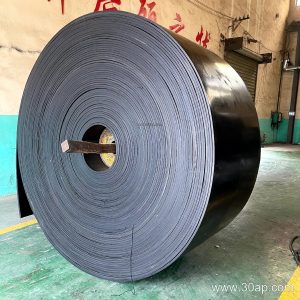
- Consider the belt type at the loading zone, such as an EP Conveyor Belt or a heavy-duty mining belt, and verify that the idler surface will not damage the belt cover.
- Review the idler spacing at the impact zone; a closer spacing near the loading point often helps share the shock.
Because an anti-impact idler is a wear item, keep spare rubber rings or complete rollers on hand for maintenance. Proper selection depends on the actual material, belt speed, and loading conditions, so use the common sizes above as reference and confirm final dimensions with the conveyor design.