What a Carbon Steel Conveyor Bracket Does
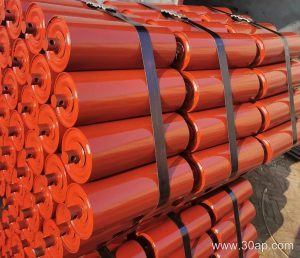
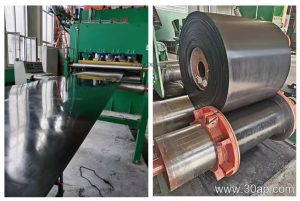
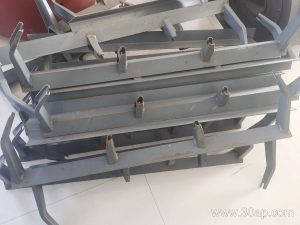
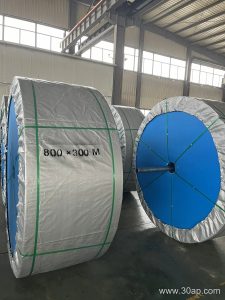
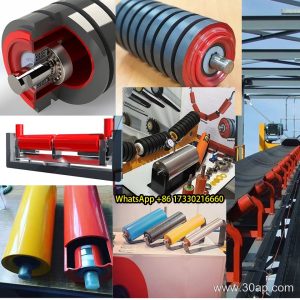
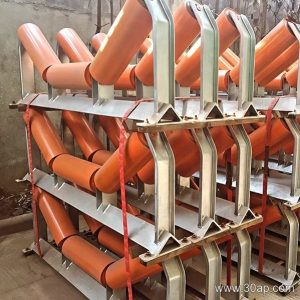
A carbon steel conveyor bracket is the structural element that holds idler rollers in position along a conveyor frame. Often called a conveyor idler bracket or roller support bracket, it carries the weight of the belt and material, maintains the trough angle, and keeps rollers aligned. In quarry lines, coal handling plants, and cement works, these brackets are the quiet backbone of the system. The bracket works with a conveyor belt, idler roller, and conveyor pulley to form a complete carrying section.
How It Is Built
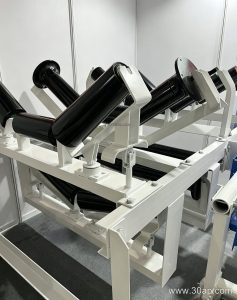
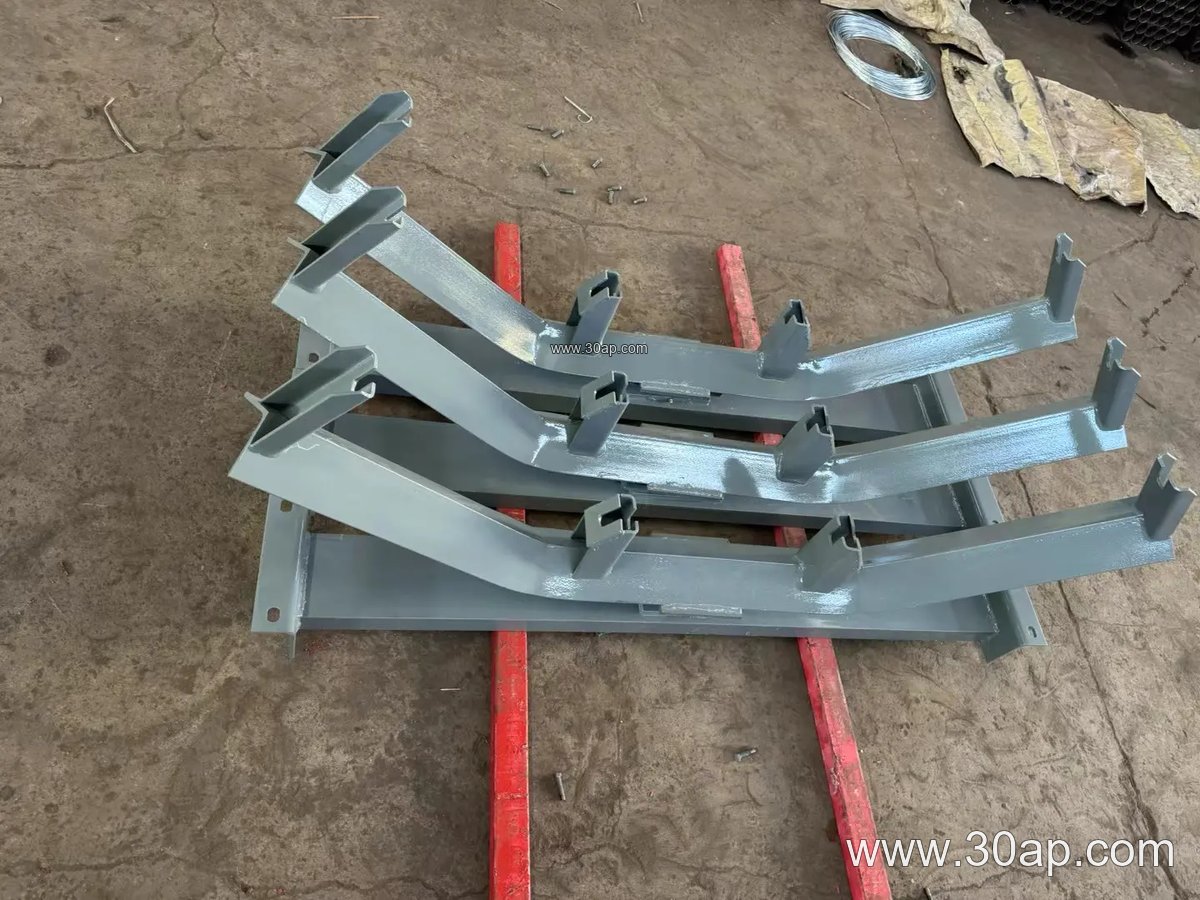
Most brackets are fabricated from angle steel, channel steel, or folded steel plate. The material choice depends on load and environment. A typical carbon steel bracket includes a transverse beam, mounting slots or holes for roller shafts, and feet or clamps for fixing to the conveyor stringer. Welds are usually continuous at load points. Surface finish may be painted, galvanized, or left bare for workshop painting.
Common bracket forms include trough brackets, transition brackets, return brackets, V-return brackets, impact brackets, self-aligning brackets, and adjustable brackets. Each serves a distinct position on the conveyor. For example, a trough bracket supports three idlers at a set angle, while a return bracket holds a single flat roller under the belt.
Where It Is Used
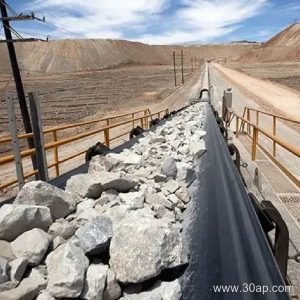
Carbon steel conveyor brackets appear in two main settings in this article: aggregate crushing and screening lines, and power plant coal handling. In a sand and gravel plant, brackets hold rollers under a conveyor belt that moves crushed stone from a crusher to a screen. In a power plant coal yard, they support belts carrying coal to the boiler house. The bracket must resist vibration, dust, and occasional impact.
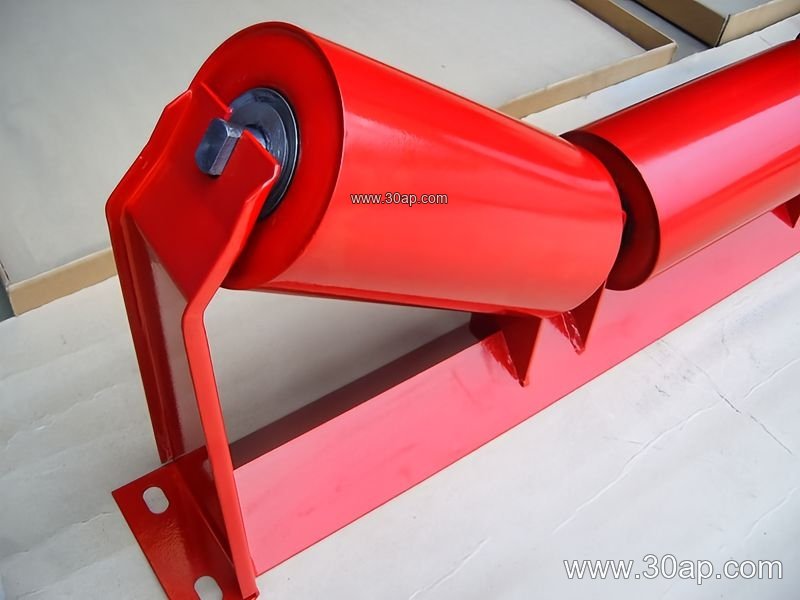
Other industries such as cement plants, steel mills, and port terminals use similar brackets, but the selection depends on belt width, roller diameter, and trough angle.
Key Parameters and How They Relate
Bracket size is not chosen in isolation. It follows belt width, roller diameter, and trough angle. The table below shows common reference combinations; these are examples, not fixed rules.
| Belt Width | Trough Angle | Roller Diameter | Typical Bracket Type |
|---|---|---|---|
| B650 | 30° | Ø89 | Trough bracket |
| B800 | 35° | Ø108 | Trough bracket |
| B1000 | 35° | Ø133 | Trough bracket |
| B1200 | 45° | Ø133 | Trough bracket |
| B1400 | 35° | Ø159 | Trough bracket |
| B1600 | 45° | Ø159 | Trough bracket |
| B1800 | 35° | Ø194 | Trough bracket |
Adjustable brackets allow the trough angle to be set between 20° and 45° on site. Forward-leaning brackets, common at about 1.5° to 2°, help keep the belt centered. Installation hole spacing and beam length vary with belt width and angle, so they are determined by design rather than a single fixed number.
Selection and Maintenance Notes
Buyers should match the bracket to the roller shaft, not just the belt width. Check the mounting hole pattern, beam height, and fixing method. For impact zones, use a impact bracket with cushioning rollers. For long overland conveyors, consider self-aligning brackets to reduce belt drift.
Inspect brackets for loose bolts, bent beams, and corrosion. Carbon steel brackets in wet or dusty service benefit from galvanizing or a protective coating. Pairing the right bracket with a quality conveyor belt and idler roller extends service life. A bracket that fits well also helps the belt track true and reduces edge damage.
Whether the job is a quarry conveyor or a coal handling line, the carbon steel conveyor bracket should be treated as a load-bearing part, not an accessory. Select it with the same care as the belt and rollers.