What a Sand and Gravel Plant Conveyor Pulley Does
In a sand and gravel plant, the conveyor pulley is the rotating drum that drives, tensions, or redirects the belt carrying aggregate. It is not just a wheel; it is a critical component that transfers power and maintains belt alignment under constant abrasive load. The main drive pulley, often called the head pulley, grips the belt and moves it forward. The tail pulley at the loading end helps keep tension, while bend pulleys route the belt around take-up systems. Each position demands a different design, and they are not interchangeable.
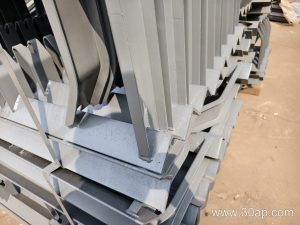
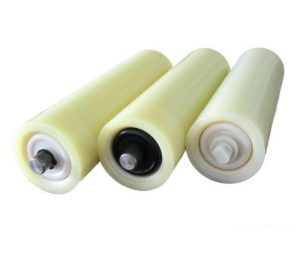
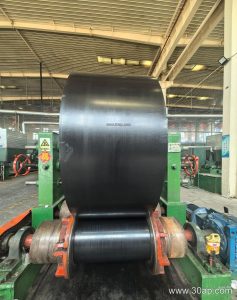
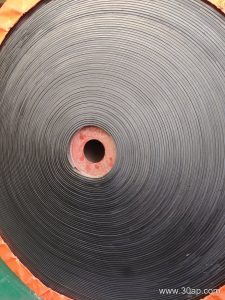
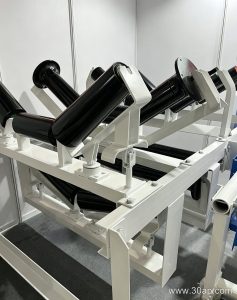
For a reliable setup, the pulley must match the conveyor belt in width and strength. A typical sand and gravel line may use an abrasion resistant conveyor belt to handle sharp crushed stone, paired with a pulley that has adequate rubber lagging for grip. The pulley also works with conveyor idler rollers and conveyor brackets to keep the belt supported and aligned.
Construction and Surface Options
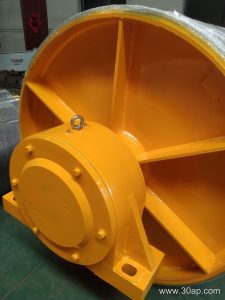
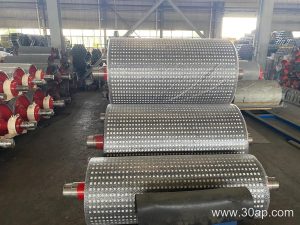
A sand and gravel plant conveyor pulley is usually built from a steel shell, welded end discs, and a shaft. The shell can be plain or covered with rubber lagging to increase friction and protect against wear. Common surface forms include plain, diamond grooved, and herringbone grooved lagging. Lagging thickness often ranges from 8 mm to 20 mm depending on the duty. For example, a drive pulley in a primary crushing circuit might use 15 mm diamond lagging to handle wet, gritty material. The pulley face width is typically wider than the belt; for a B800 belt, the pulley face might be about 950 mm, while a B1200 belt could use a 1400 mm face. These are reference values, not fixed rules.
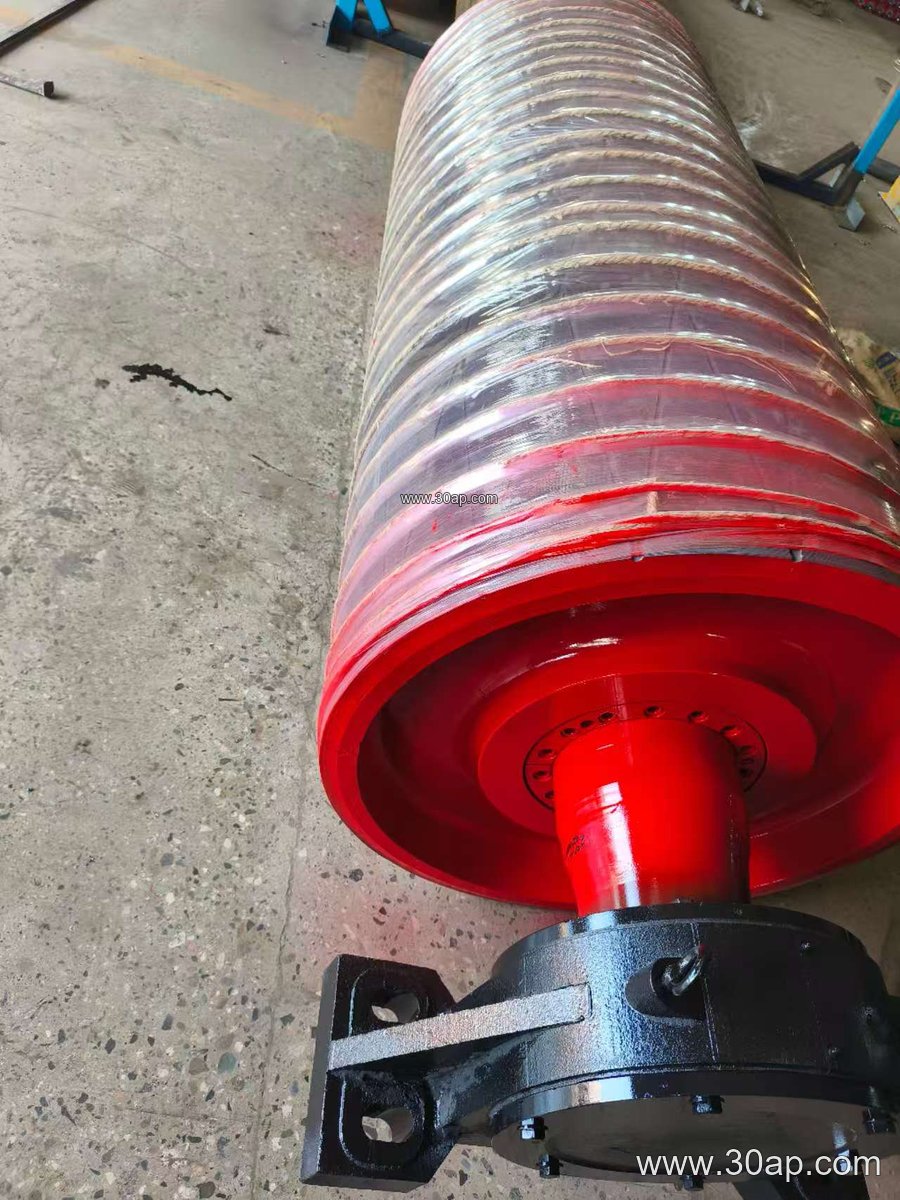
Diameter selection depends on belt speed, torque, and the allowable bend radius of the belt. A B800 conveyor might use a Ø500 pulley in a tail position, while a B1200 drive pulley could be Ø1000 or larger. Shaft diameter is determined by torque and load, with common sizes like Ø80, Ø100, or Ø120 mm. Do not assume a specific shaft size from belt width alone.
Where It Fits in the Plant
Sand and gravel plants rely on conveyors to move material between crushers, screens, and stockpiles. The pulley is found at the head of a discharge conveyor, at the tail under the feed hopper, and at bend points where the belt changes direction. In a wash plant, pulleys may be exposed to water and fine silt, so sealed bearings and corrosion-resistant lagging help. In a dry screening tower, dust is the main enemy; proper lagging and regular cleaning extend service life. The pulley also interacts with the conveyor belt tension and the idler roller spacing; a misaligned pulley can cause belt edge damage and spillage.
Buyer Checklist for Pulley and Belt Compatibility
When specifying a sand and gravel plant conveyor pulley, start with the belt width and type. An EP conveyor belt or a multi-ply fabric core conveyor belt may require a different pulley diameter than a steel cord belt. For heavy-duty primary crushing, a high abrasion resistant conveyor belt is common, and the pulley should have matching lagging hardness. Check the pulley position: drive, tail, or bend. Drive pulleys need more traction, so lagging is usually required. Tail pulleys may be plain or lagged depending on conditions. Bend pulleys often have a smaller diameter but must still respect the belt’s minimum bend radius.
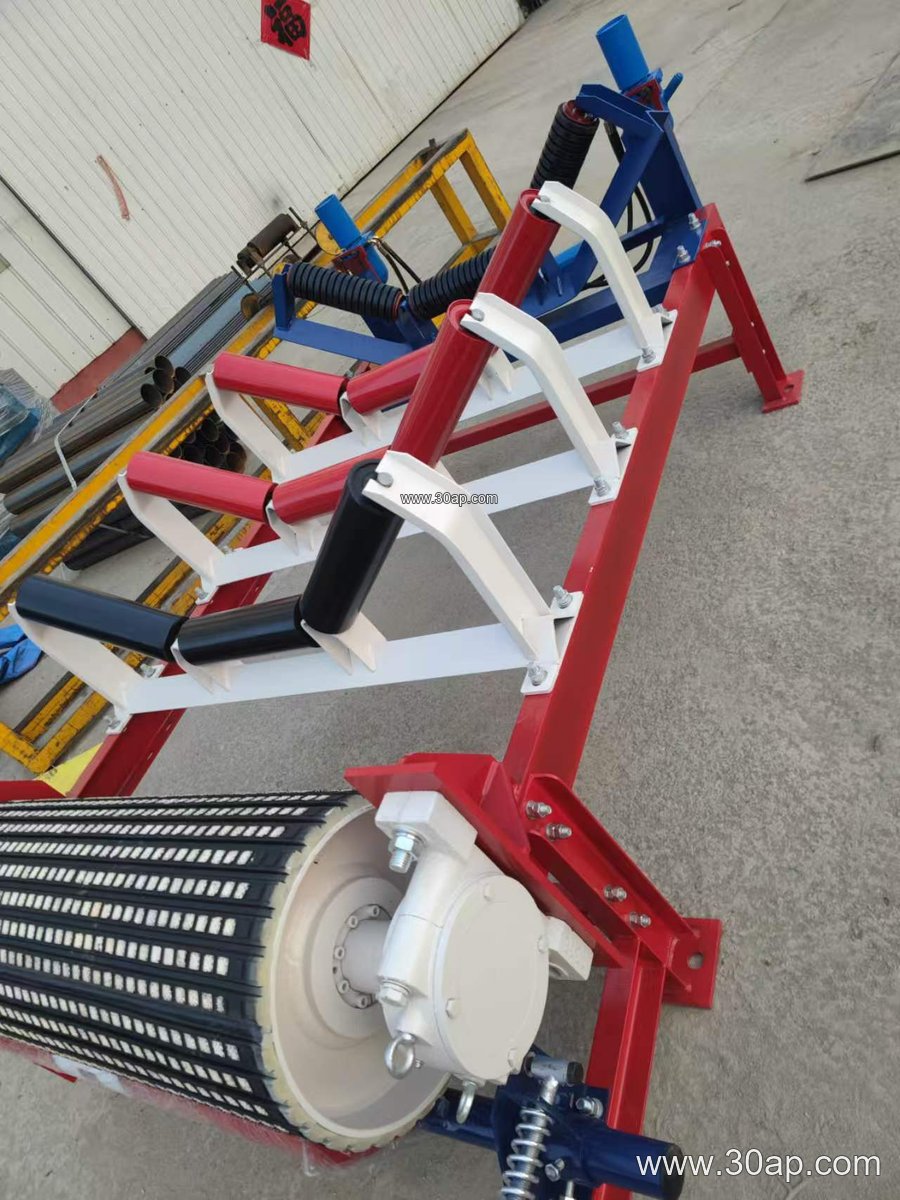
Consider the environment: a quarry conveyor belt in a wet pit may need rust-resistant coating on the pulley, while a cement plant conveyor belt in a hot clinker area might require heat-resistant lagging. Always confirm the shaft size and bearing type with the conveyor frame. The pulley should be balanced and true-running to avoid vibration that damages the belt and idler rollers.
Maintenance That Extends Pulley Life
Regular inspection of the pulley lagging for wear or glazing is essential. Worn lagging reduces grip and can cause belt slip, especially on drive pulleys. Check for material buildup on the pulley face, which can misalign the belt. Lubricate bearings according to the manufacturer’s schedule, and monitor for abnormal noise or temperature. In sand and gravel plants, washdown water and abrasive dust shorten bearing life; sealed bearings and proper housing protection help. Keep the conveyor belt tension correct, as over-tensioning strains the pulley shaft and bearings. When replacing a pulley, verify the diameter and face width match the original design, and ensure the lagging type suits the material being conveyed.
For more information on compatible conveyor belts and components, visit rubber conveyor belt and conveyor pulley resources.