What a Conveyor Side Guide Roller Does
A conveyor side guide roller is a small-diameter idler mounted vertically or at a slight angle along the edge of a conveyor belt, usually just ahead of a loading point or on a section where the belt tends to wander. Its job is not to carry the main material load; that belongs to the troughing idlers and the return idlers underneath. Instead, this roller touches the belt edge and gently steers it back toward the center line. In a quarry, a cement plant, or a coal handling system, a belt that drifts a few centimeters can rub the frame, fray the edge, and spill material. A well-placed side guide roller gives the belt a smooth, rotating surface to bear against instead of a fixed steel plate.
Because the roller spins with the belt rather than scraping it, edge wear is reduced. The same component also helps hold the belt edge steady where the belt is open and unsupported, for example between the discharge pulley and the first troughing set.
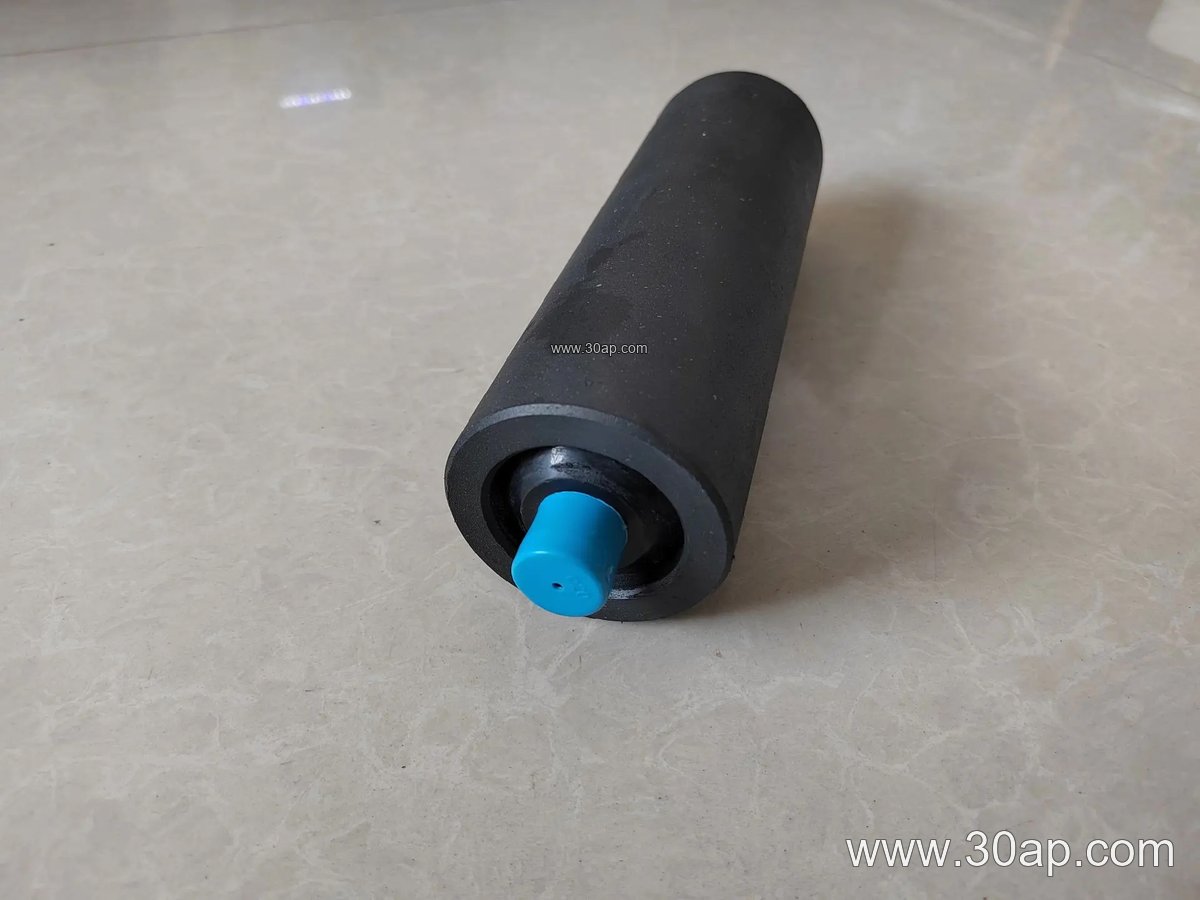
Construction and Typical Materials
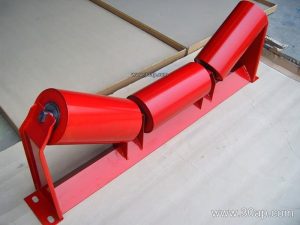
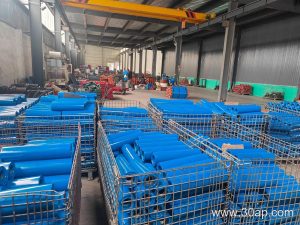
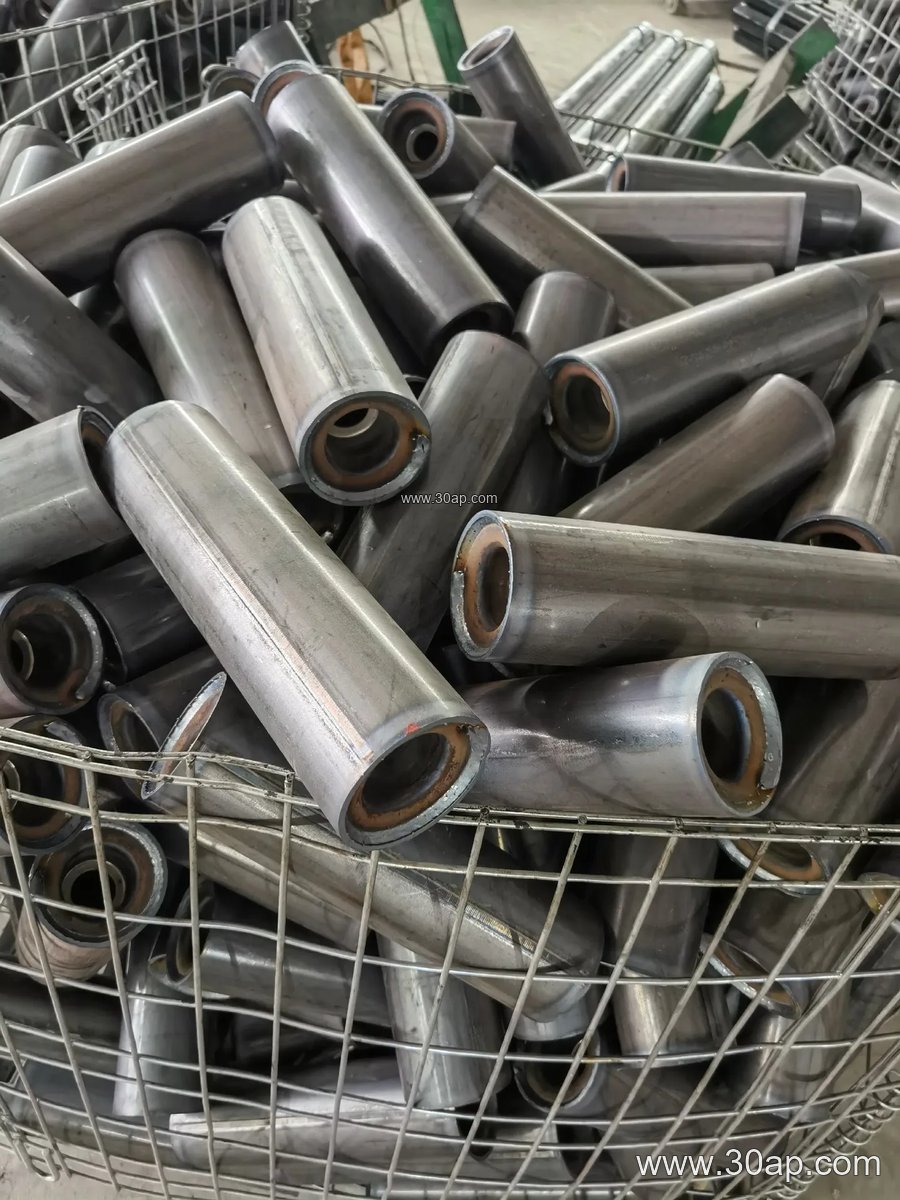
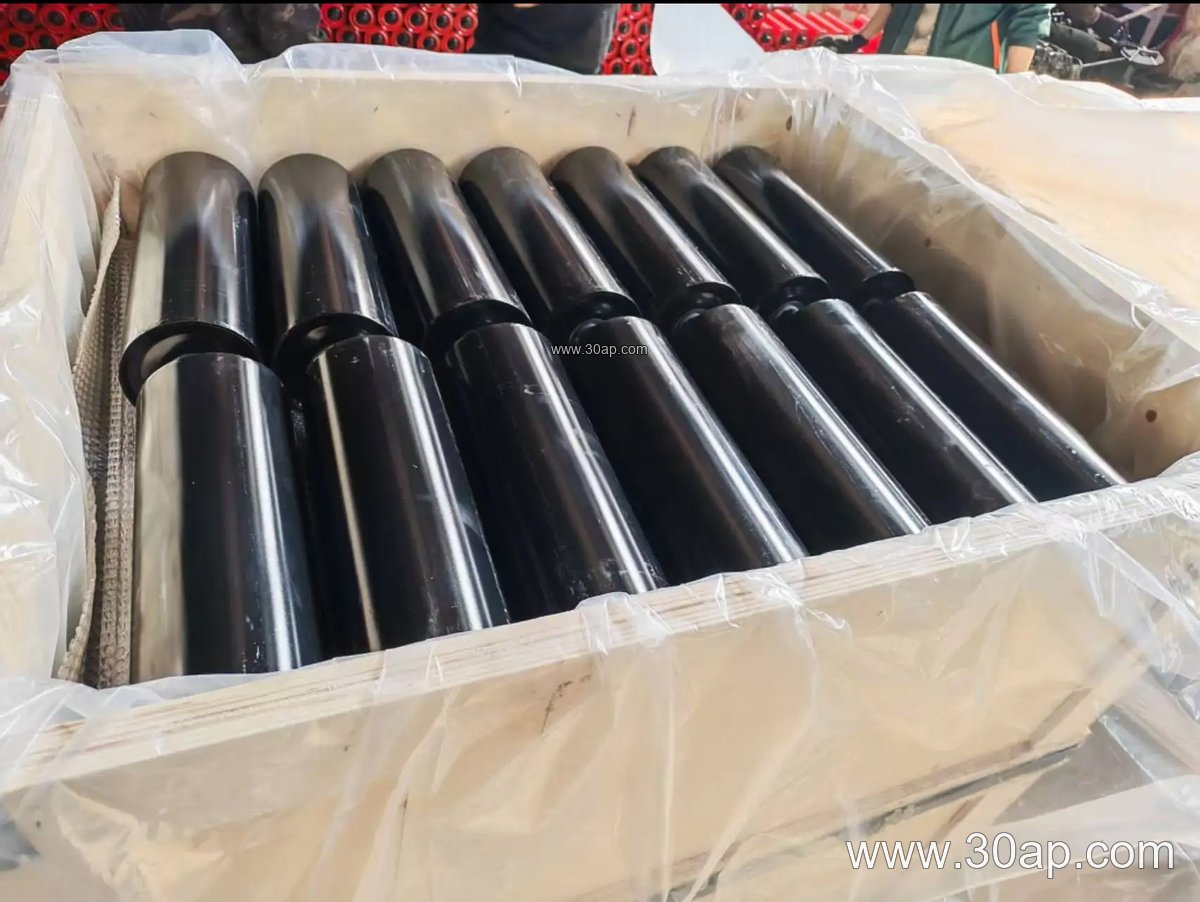
The body is normally a short steel tube with a sealed bearing at each end, fitted on a fixed shaft or a stub axle. Roller surfaces may be plain steel, nylon, or covered with a rubber sleeve for a softer contact on the belt edge. Sealing matters here: dust from crushing, screening, or bulk material handling finds its way into every gap, so a labyrinth seal or a well-protected bearing cap extends service life.
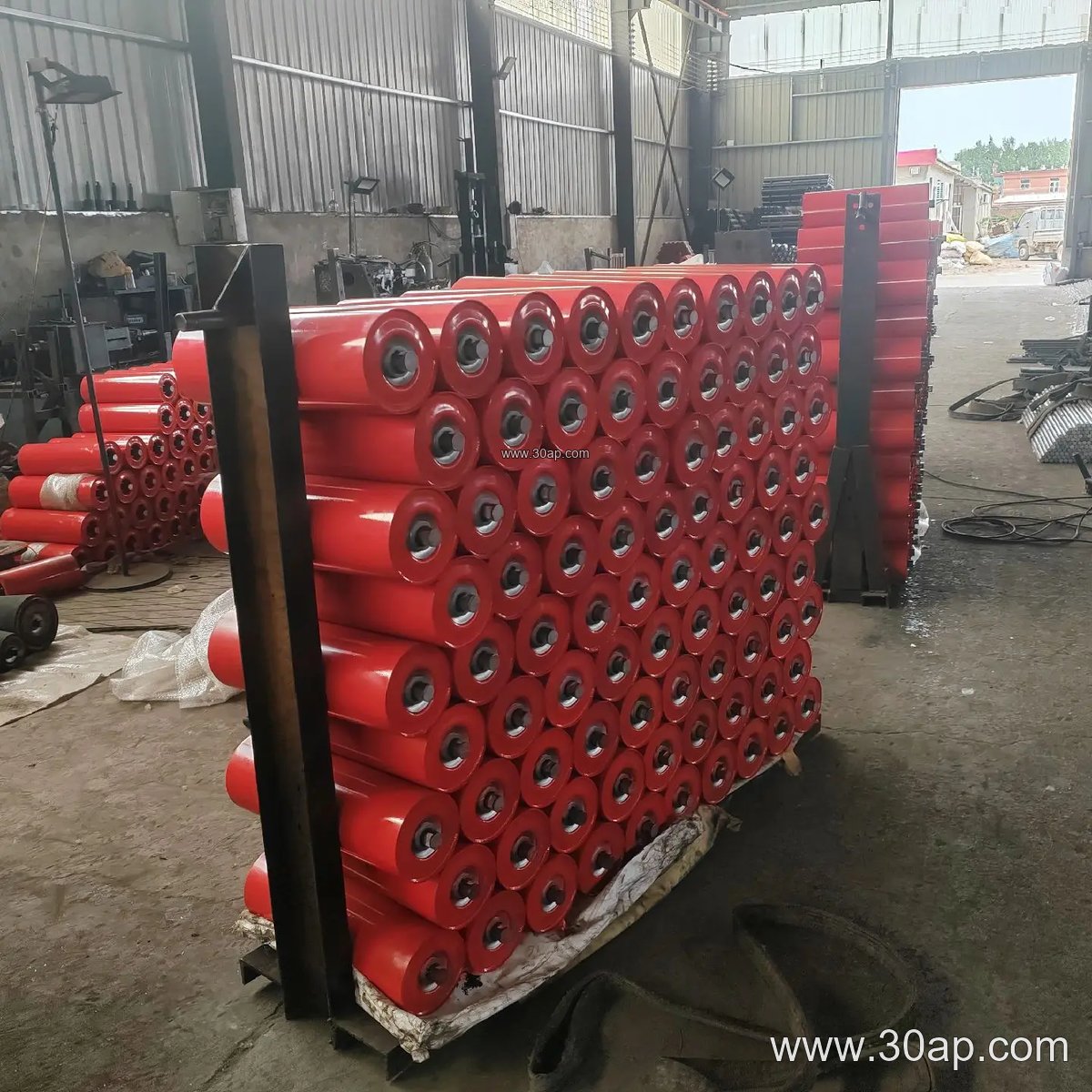
Common reference dimensions for this family of roller are shown below. These are typical ranges, not fixed rules, and the final size is set by belt width, available space, and the support bracket design.
| Parameter | Common reference values |
|---|---|
| Roller diameter | Ø63, Ø76, Ø89, Ø102, Ø108 mm |
| Roller length | 100 to 300 mm, depending on mounting |
| Bearing | 6204, 6205, 6305 |
| Surface | Steel tube, nylon, rubber sleeve |
| Mounting | Adjustable bracket, welded base, or clamp plate |
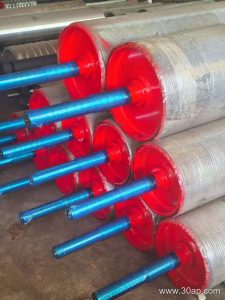
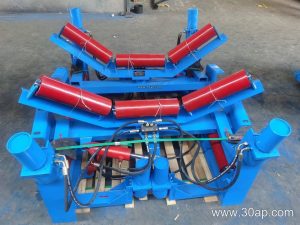
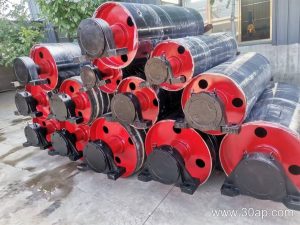
The roller is normally paired with a conveyor bracket that allows lateral adjustment, so maintenance staff can set the gap between roller and belt edge to a few millimeters. A conveyor pulley at the head or tail does the main driving and tensioning work; the side guide roller only assists with tracking.
Where It Is Used
You will see these rollers in bulk handling plants where belts are wide and loads are heavy. In a coal preparation plant or a power station coal yard, they sit near transfer chutes where off-center loading pushes the belt sideways. In aggregate and sand plants, they protect the belt edge on the inclined sections after a crusher. Tunnel spoil handling and fertilizer plants also use them where space is tight and the belt runs close to the structure.
They are not a substitute for a self-aligning idler set. A training idler with conical or friction rolls corrects a long section of belt, while a side guide roller works locally at one edge. The two are often used together. Likewise, they should not be confused with a bend pulley or a tail pulley, which redirect the belt path rather than guide its edge.
Selection Points for Buyers
- Match the roller diameter to the belt thickness and the load on the edge; a thicker belt with a heavy carcass generally needs a larger diameter to avoid sharp bending.
- Check the belt width and the frame opening. A B800 or B1000 belt may use a short roller of 150 to 200 mm, while wider belts need a longer shaft and a stronger bracket.
- Confirm the bearing size and sealing class for the site conditions. Dusty cement or limestone service calls for better sealing than a clean port conveyor.
- Choose the surface: rubber-sleeved rollers are gentler on the belt edge, while nylon or steel rollers are simpler to clean.
- Ask for the mounting bracket drawing, since the adjustment range often decides whether the roller can be set correctly after installation.
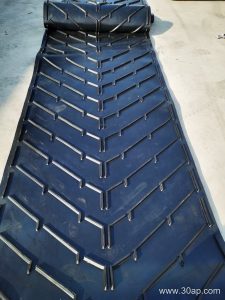
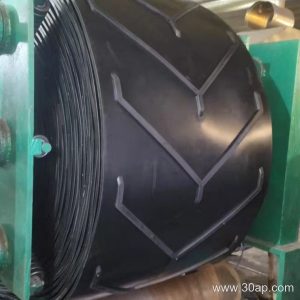
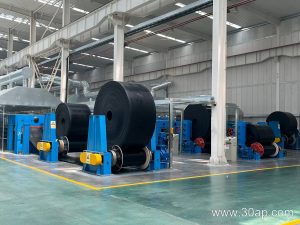
On the belt side, the roller is usually specified together with the main belt. A heavy-duty mining conveyor belt with a thick cover, or an abrasion resistant conveyor belt in a stone crushing line, benefits from edge protection because the cover and carcass are costly to replace. For long overland lines using a steel cord conveyor belt, a few well-positioned guide rollers can prevent edge damage that would otherwise shorten belt life.
Installation and Maintenance Notes
Set the roller so it contacts the belt edge only when the belt drifts, not continuously. Continuous contact adds drag and can polish the belt edge. Check the gap after the belt has run under load for a few hours, because a new belt stretches and shifts. Grease or replace bearings according to the manufacturer schedule, and inspect for a seized roller, which will flat-spot the belt edge quickly. In cold climates, ice build-up around the roller should be removed before start-up.
Used correctly, a conveyor side guide roller is a low-cost part that protects an expensive belt and keeps a bulk handling line running straight.