What a Rock Conveyor Belt Has to Handle
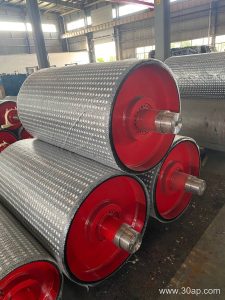
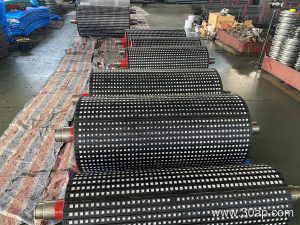
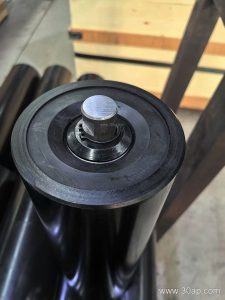
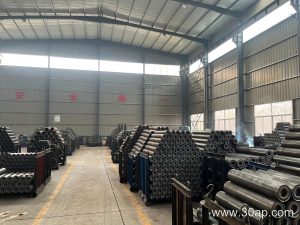
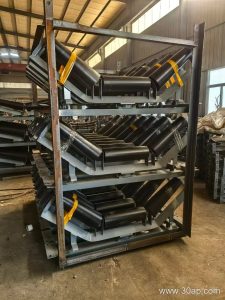
A rock conveyor belt is the load-carrying element in a bulk handling line that moves crushed stone, ore, gravel, clinker and similar heavy, sharp-edged material. Unlike a general-purpose belt on a light assembly line, this belt works under impact at the loading point, abrasion along its full length, and often a combination of dust, moisture and wide temperature swings. In a quarry, a cement plant or a coal preparation facility, the belt is only one part of the system: the conveyor pulley at the drive and tail ends, the idler roller sets that support the carrying run, and the conveyor bracket that holds everything in line all influence how long the belt lasts.
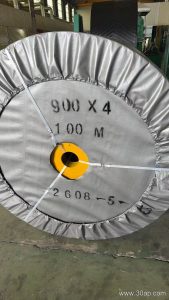
The product is usually described by its carcass and its cover compound. The carcass gives tensile strength and resistance to stretching; the covers protect the carcass from cutting, wear and heat. Buyers in mining, sand and aggregate, power and steel plants tend to specify both, because a strong carcass with a soft cover will still fail early on hard rock.
Carcass Options and Strength Grades
Fabric-cored constructions dominate medium-duty rock handling. An EP conveyor belt uses polyester warp and nylon weft, which gives low elongation and good troughability. A multi-ply fabric core conveyor belt with two to six plies is common in crusher discharge and screening lines. NN conveyor belts, with nylon in both directions, offer high flexibility and impact absorption. For very long lifts or high tonnage, a steel cord conveyor belt is chosen because a single layer of cords carries the load with minimal stretch.
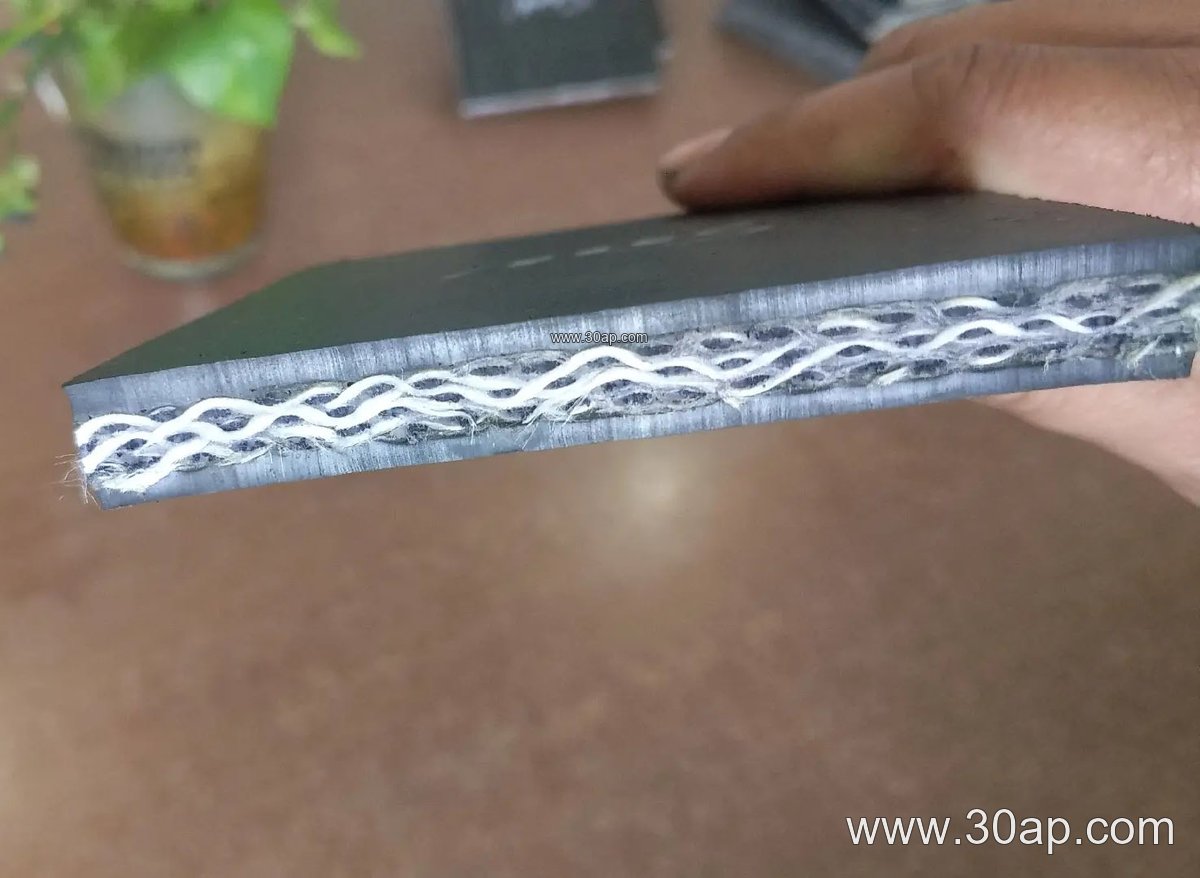
Strength grades are normally quoted against the carcass type. The table below shows reference grades only; actual selection depends on the duty and the designer’s calculation.
| Carcass | Reference strength grades | Typical role |
|---|---|---|
| EP | EP200, EP315, EP400, EP500, EP630, EP800, EP1000, EP1250 | Primary and secondary crushing, aggregate transport |
| NN | NN100 to NN400 class | Flexible runs, impact zones |
| Steel cord | ST1000 to ST3150 class | Long overland and high-lift circuits |
Belt width is matched to the lump size and the required capacity, not chosen in isolation. Common widths include B500, B650, B800, B1000, B1200, B1400, B1600, B1800 and B2000. A narrow belt on a coarse feed risks spillage and edge damage; an oversized belt adds cost and load on the pulleys.
Cover Compounds for Rock Duty
Cover thickness is usually written as top plus bottom, for example 4+2 mm, 5+2 mm, 6+2 mm or 8+3 mm. The top cover takes the abrasion and impact, so hard rock lines often use a thicker top cover. An abrasion resistant conveyor belt compound is the baseline for granite, basalt and iron ore. Where the material is hot, such as cement clinker or sinter, a heat resistant conveyor belt with a suitable compound is needed. Underground coal work calls for a flame retardant conveyor belt, often in PVG or PVC construction, and anti-static properties are usually requested at the same time.
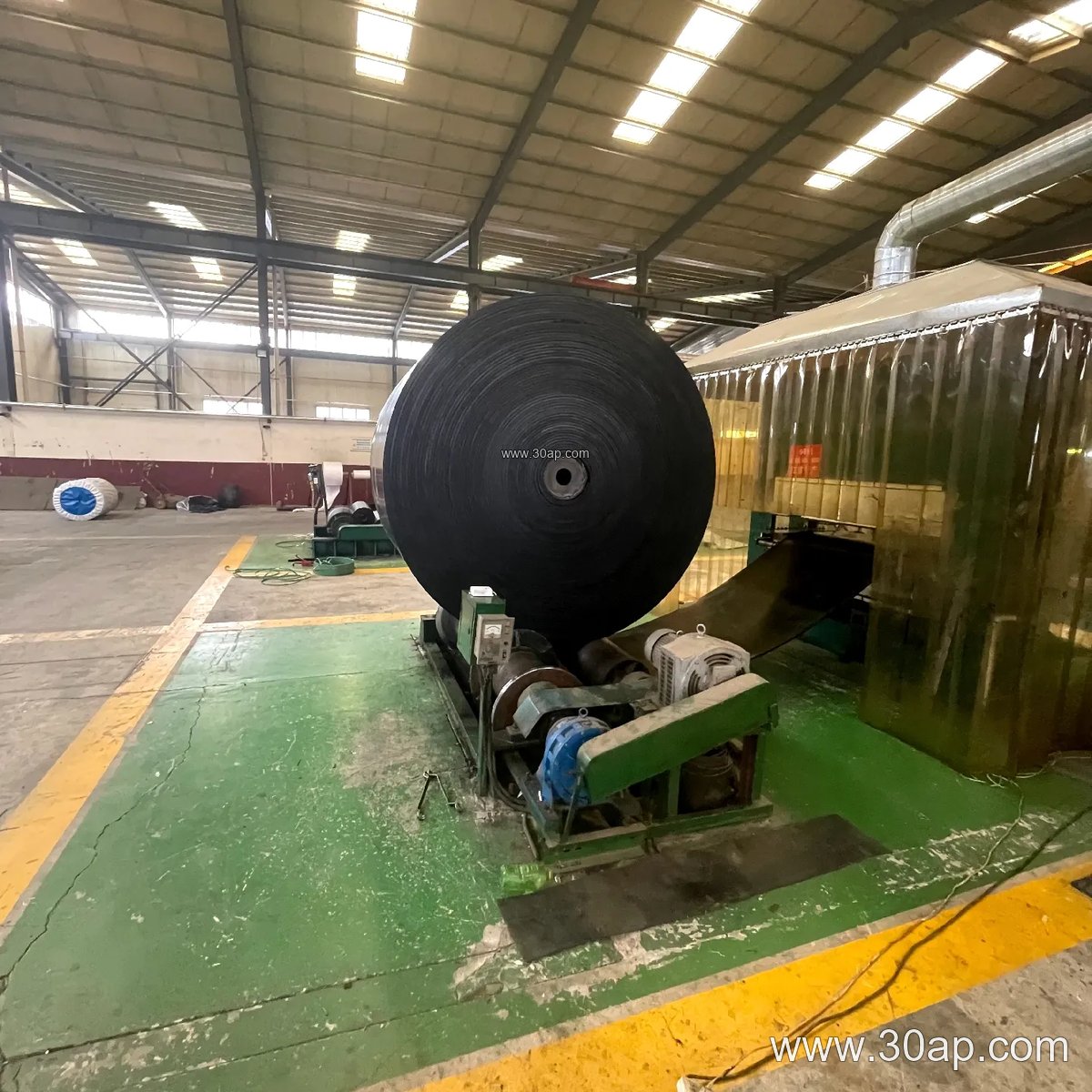
Other compounds appear when the duty demands them: oil resistant grades near lubricated equipment, cold resistant grades in winter-exposed yards, and acid or chemical resistant covers in some processing plants. A chevron conveyor belt or a corrugated sidewall belt may be used on inclines where the material would otherwise slide back; these are different designs and should not be treated as substitutes for a flat belt on a horizontal run.
Matching the Belt to Pulleys Idlers and Structure
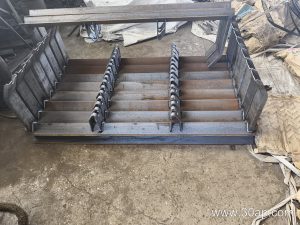
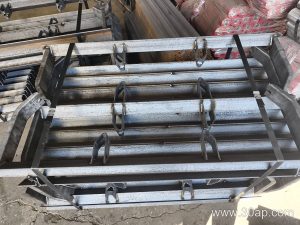
The belt does not work alone. Drive, tail and bend pulleys each have a specific job, and their diameters, lagging and alignment affect belt tracking and splice life. Idler roller spacing, trough angle and roller diameter influence how the belt seats under load. Conveyor brackets keep the idlers square to the centre line; a twisted frame shows up quickly as edge wear on the belt. When replacing a belt, check pulley condition and idler rotation before installation, because a worn pulley or a seized roller can destroy a new belt within weeks.
Practical Buyer Checklist
- State the material, maximum lump size and bulk density, since these drive width and cover thickness.
- Give the duty: tonnes per hour, incline angle, centre distance and whether the run is horizontal or inclined.
- Confirm the environment: dust, water, oil, ambient temperature and any fire or anti-static requirement.
- Ask for the splice method and whether an endless conveyor belt is preferred for a critical run.
- Check that the quoted grade, cover thickness and width suit the existing pulleys and idler roller sets.
For a quarry conveyor belt or an ore conveyor belt on a long haul, the cheapest belt per metre is rarely the lowest cost per tonne conveyed. A correctly specified carcass, a cover matched to the rock, and a well-maintained pulley and idler system together decide how many years of service the line delivers.