What an Aggregate Conveyor Belt Does on Site
An aggregate conveyor belt is the load-carrying element that moves crushed stone, sand, gravel and screened rock between a crusher, screen deck, stockpile and load-out point. In a quarry or sand making plant, the belt runs continuously under sharp, abrasive and sometimes wet material, so the cover compound and the carcass both matter. The same product is often described as a crusher conveyor belt or a rock conveyor belt, and those equivalent names point to the same duty: moving bulk material that cuts and grinds.
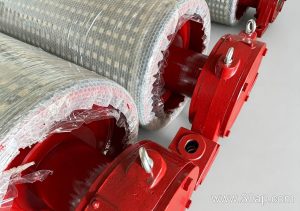
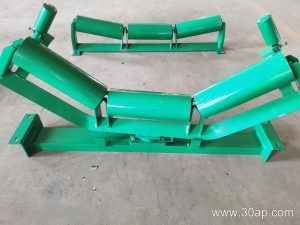
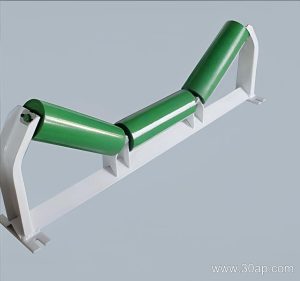
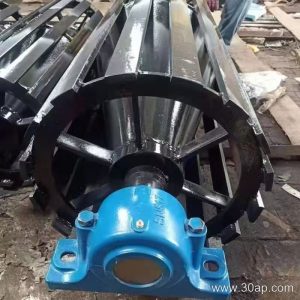
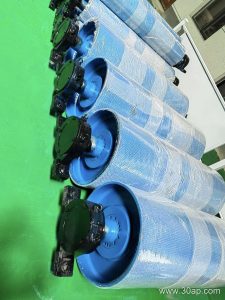
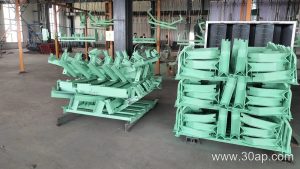
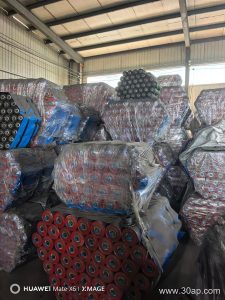
This is not a light-duty package handling belt. Aggregate duty usually means thick covers, a strong fabric or steel cord carcass, and a frame built from conveyor pulley, idler roller and conveyor bracket components that keep the belt tracking straight.
How the Belt Is Built
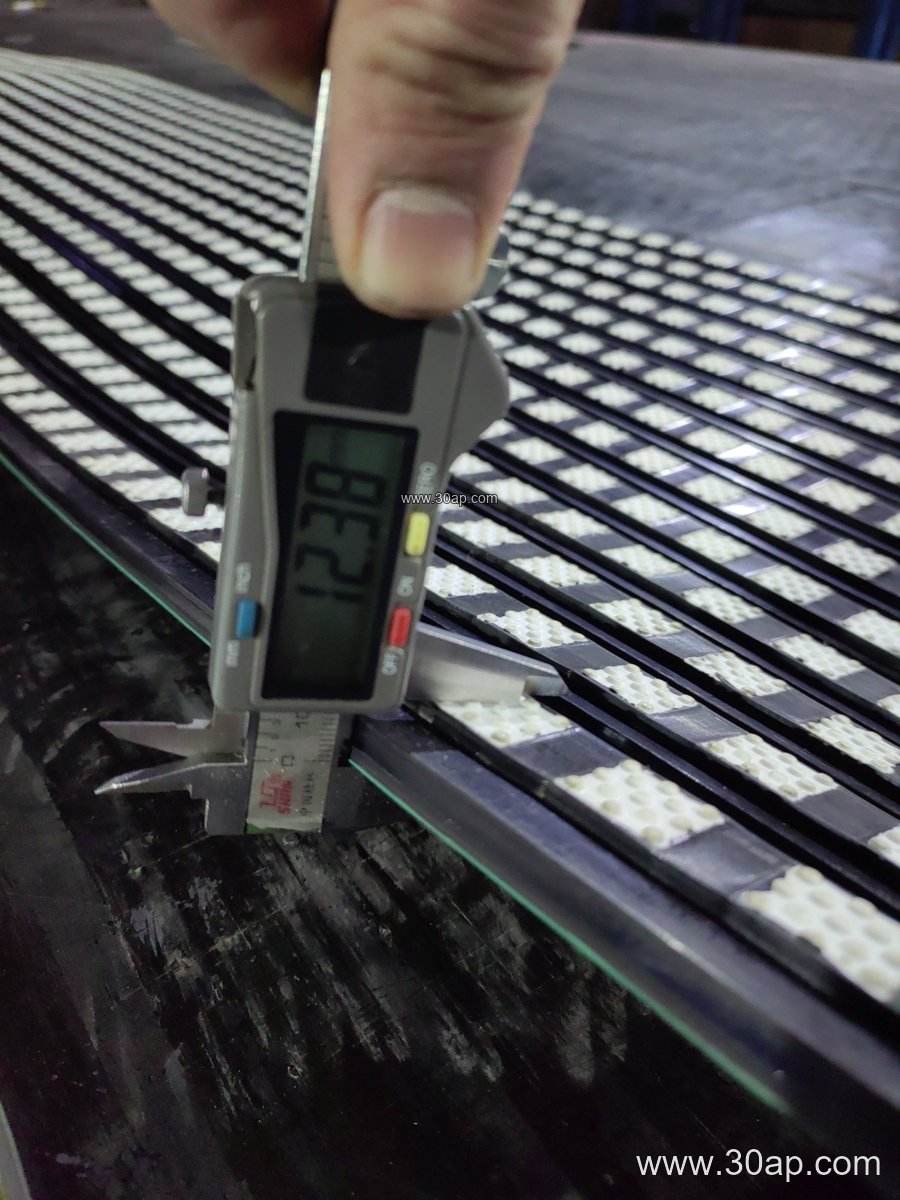
A typical aggregate belt has three layers of responsibility. The top cover takes the impact and abrasion, the carcass carries the tension, and the bottom cover protects the pulley side. Cover gauges are commonly written as top plus bottom, for example 4+2 mm, 5+2 mm, 6+2 mm or 8+3 mm for heavier impact zones under a primary crusher. Carcass construction is usually 2 to 6 fabric plies, or a steel cord core for long, high-tension runs.
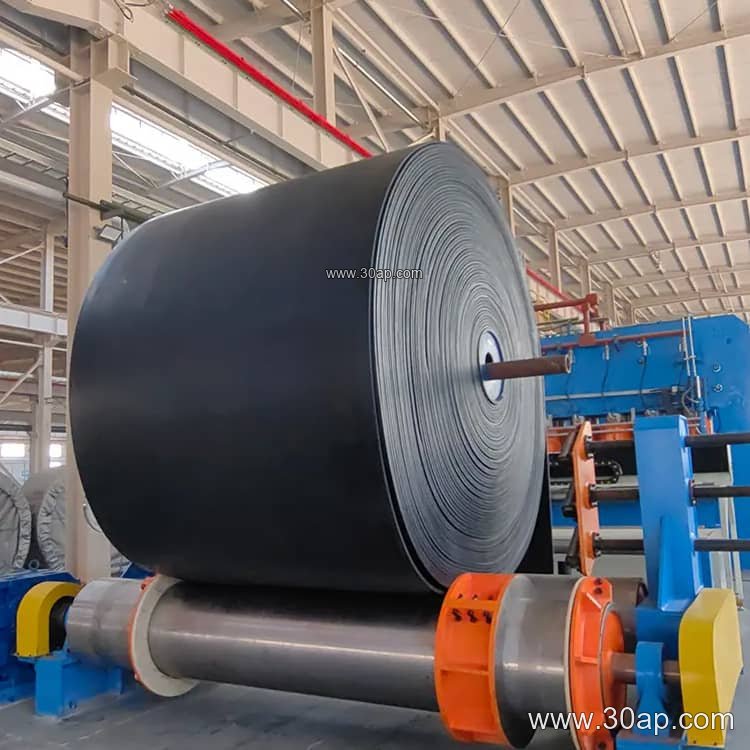
Common carcass options
- EP conveyor belt with polyester-nylon plies, often chosen for general quarry conveying.
- NN conveyor belt with nylon-nylon plies, useful where flexibility is helpful.
- Steel cord conveyor belt for long centre distances and high strength demand.
- Multi-ply fabric core conveyor belt where impact resistance and splice strength are needed.
Surface forms are selected by the duty, not by fashion. A chevron conveyor belt or corrugated sidewall belt helps on inclines where material would otherwise slide back. A skirted conveyor belt contains material at the loading point. Heat resistant, oil resistant and flame retardant grades are chosen when the process demands them, and an abrasion resistant conveyor belt is the normal baseline in hard rock operations.
Reference Dimensions Buyers Often Compare
The values below are common reference ranges, not fixed rules. Final width, strength and cover thickness should follow the conveyor design, the lump size and the tonnage.
| Parameter | Common reference values |
|---|---|
| Belt width | B500, B650, B800, B1000, B1200, B1400, B1600, B1800, B2000 |
| EP strength grades | EP200, EP315, EP400, EP500, EP630, EP800, EP1000, EP1250, EP1600, EP2000 |
| Cover gauge (top+bottom) | 3+1.5, 4+2, 5+2, 6+2, 8+3 mm |
| Carcass plies | 2 to 6 plies, or steel cord construction |
| Typical surface forms | Plain, chevron, corrugated sidewall, skirted |
Note that a given belt width does not dictate one pulley diameter, and shaft size must come from the conveyor designer, not from the belt width alone.
Where These Belts Are Used
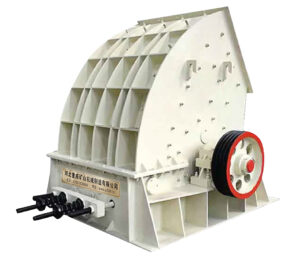
Aggregate conveying appears across several industries. In a quarry or stone crushing line, belts link the jaw or cone crusher to the screen. In a cement plant, they feed clinker and limestone. In a coal mining or underground mining operation, flame retardant and anti-static grades are specified. Power plants use them for coal and ash handling, while ports and ship loading terminals use wide belts for high tonnage. Recycling plants and construction waste lines also rely on abrasion resistant covers.
Matching the belt to the frame matters as much as the belt itself. A misaligned conveyor pulley, a worn idler roller or a loose conveyor bracket can edge-damage a new belt within days, so alignment and maintenance should be checked before installation.
Buyer Checklist Before Ordering
- Confirm material type, lump size and moisture, since wet sand and sharp rock behave differently.
- State the required strength grade and whether an EP or steel cord carcass is preferred.
- Specify cover thickness and any heat, oil, flame or cold resistance requirement.
- Check whether the belt must be endless spliced on site or supplied in open length.
- Ask for the splice method and confirm pulley and idler condition before fitting.
A well-matched aggregate conveyor belt, supported by sound conveyor pulley and idler roller alignment, gives the longest service life in the abrasive conditions that define quarry and sand plant work.