What a Hot-Dip Galvanized Idler Is
A hot-dip galvanized idler is a conveyor idler roller whose steel body has been fully immersed in molten zinc after fabrication. The metallurgical bond formed in this process gives the idler roller a sacrificial zinc coating that resists rust far better than paint or electroplating. In a quarry, a limestone mine, or a cement plant, fine dust and wash-down water attack ordinary steel quickly, so specifying a galvanized idler is a practical way to extend service life between maintenance windows.
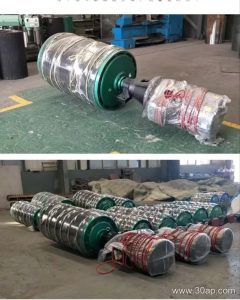
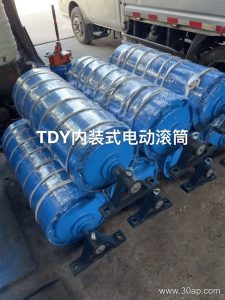
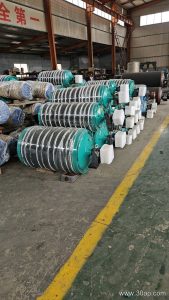
This product is an idler, not a drive pulley, tail pulley, or bend pulley. Those conveyor pulleys transmit or redirect belt tension and are specified separately. A hot-dip galvanized idler only supports the conveyor belt and the material load, yet its corrosion resistance can determine how reliably the whole line runs.
How the Idler Is Built
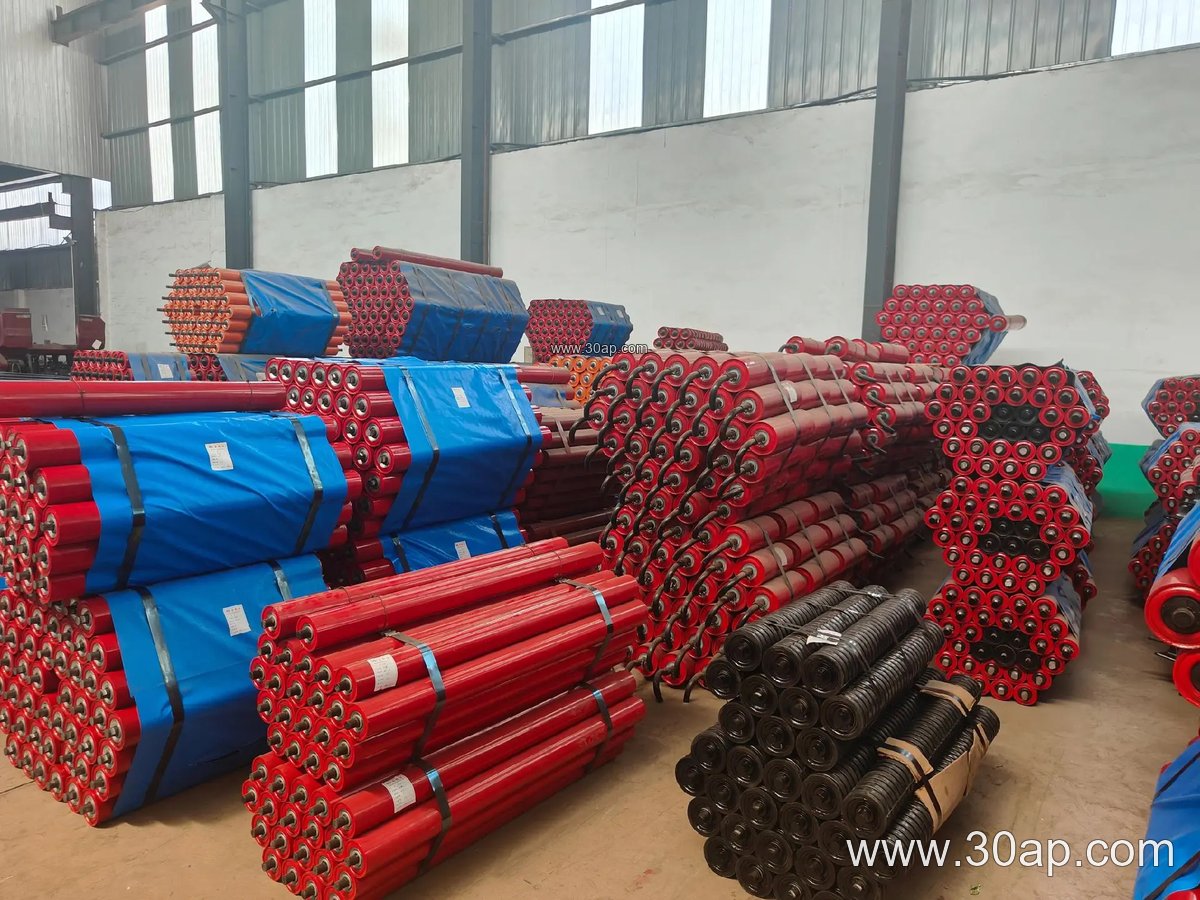
The typical construction starts with a steel tube shell, welded bearing housings at each end, a through shaft, and sealed ball bearings. After welding and cleaning, the complete roller body is hot-dip galvanized. The zinc reaches internal crevices that spray coatings often miss, which matters at weld seams and end caps where moisture collects.
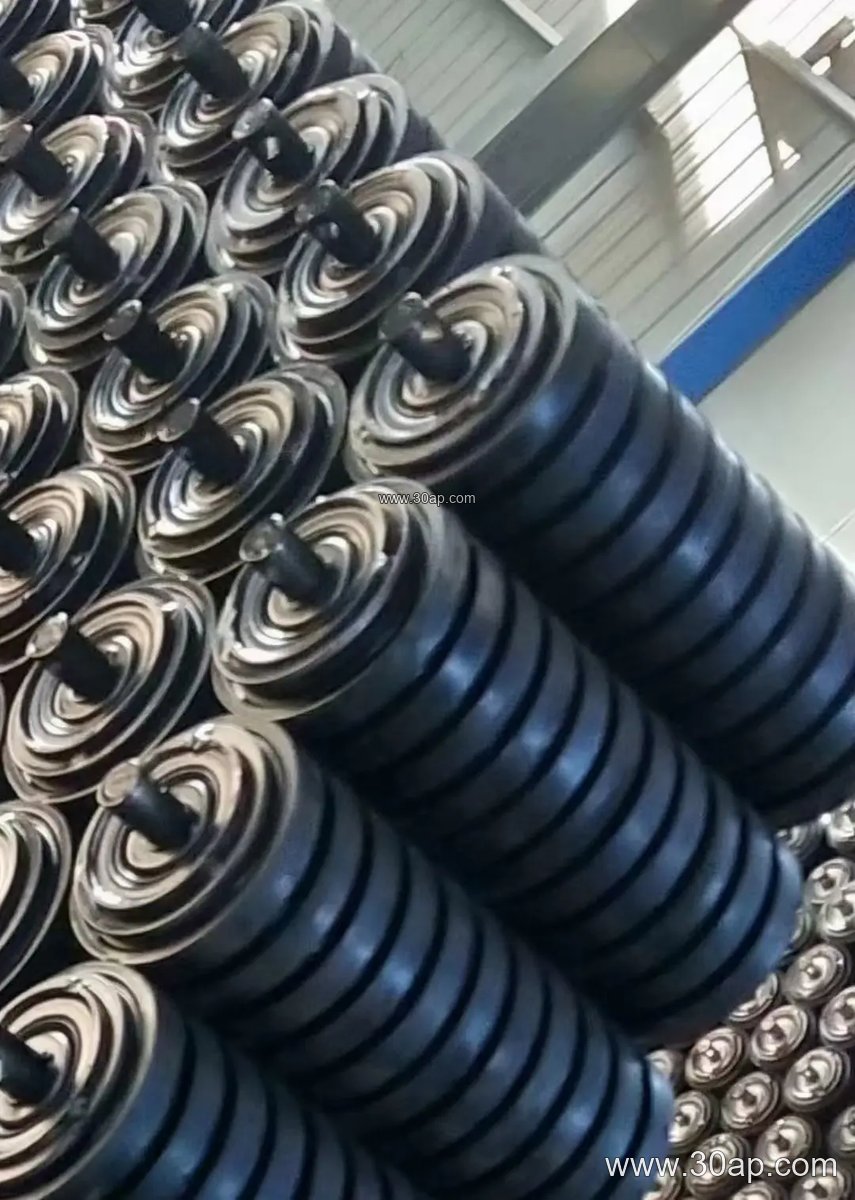
Sealing is the other half of durability. Labyrinth seals combined with grease retention keep out the fine abrasive dust found in crushing and screening circuits. Common bearing sizes include 6204, 6205, 6305, 6306, 6308, and 6310; the correct bearing is selected according to load and roller diameter rather than a single fixed rule.
Roller Diameter, Belt Width, and Trough Angle
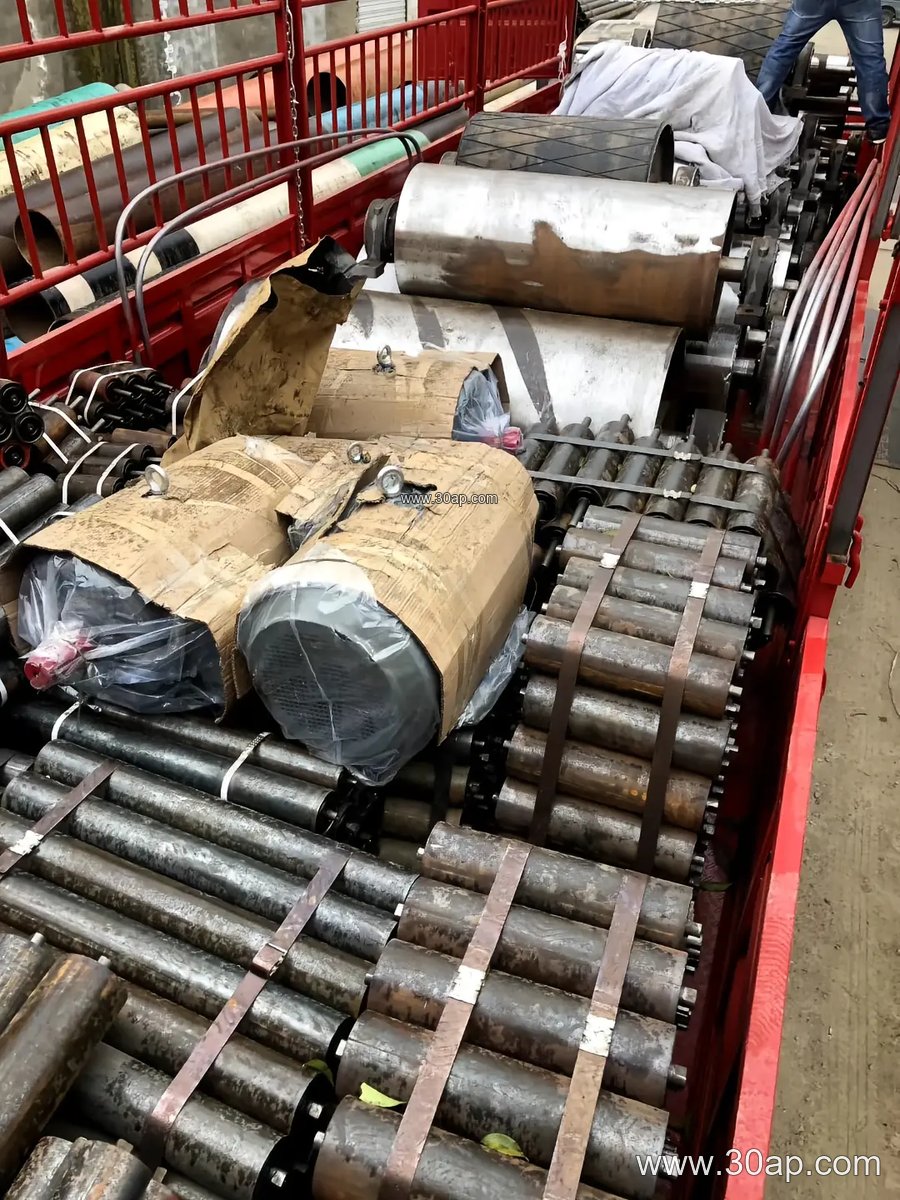
Buyers often ask how roller diameter relates to belt width. There is no one-to-one rule. A 500 mm or 650 mm belt may use a smaller roller diameter, while wider belts such as 1200 mm, 1400 mm, or 1800 mm usually carry heavier loads and call for larger shafts and bearings. The table below shows common reference ranges, not mandatory combinations.
| Parameter | Common Reference Values | Notes |
|---|---|---|
| Roller diameter | Ø63, Ø76, Ø89, Ø102, Ø108, Ø127, Ø133, Ø159, Ø178, Ø194, Ø219 mm | Chosen by load and belt speed |
| Belt width | B400, B500, B650, B800, B1000, B1200, B1400, B1600, B1800, B2000, B2200, B2400 | Match to conveyor design |
| Trough angle | 20°, 30°, 35°, 45° | Higher angle suits fines and small lumps |
| Roller length, three-roll troughing | About 200 mm at B500, 250 mm at B650, 315 mm at B800, 380 mm at B1000, 465 mm at B1200, 530 mm at B1400, 600 mm at B1600, 670 mm at B1800, 750 mm at B2000 | Side and center rolls can differ; confirm by design |
| Bearing | 6204, 6205, 6305, 6306, 6308, 6310 | Selected with shaft and load |
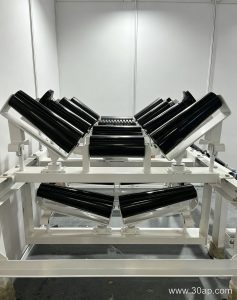
Trough angles of 30° and 35° are common in bulk handling, while 45° helps contain fine wet material. Forward tilt of about 1.5° to 2° is used on training idlers to keep the belt centered, and it should not be confused with the trough angle itself.
Where the Galvanized Idler Fits
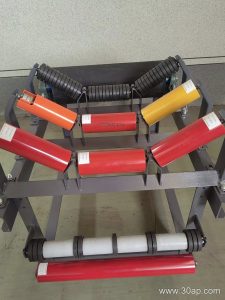
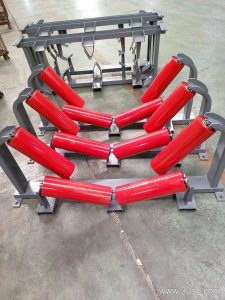
On the carrying side, three-roll troughing sets support the loaded belt. On the return side, flat or V-return idlers hold the belt up. Impact idlers with rubber rings absorb shock at transfer points below a crusher, and training idlers correct belt drift on long runs. A hot-dip galvanized idler can appear in any of these positions where corrosion is the main threat, such as a coal washing plant, a power plant coal yard, or an outdoor aggregate stockpile area.
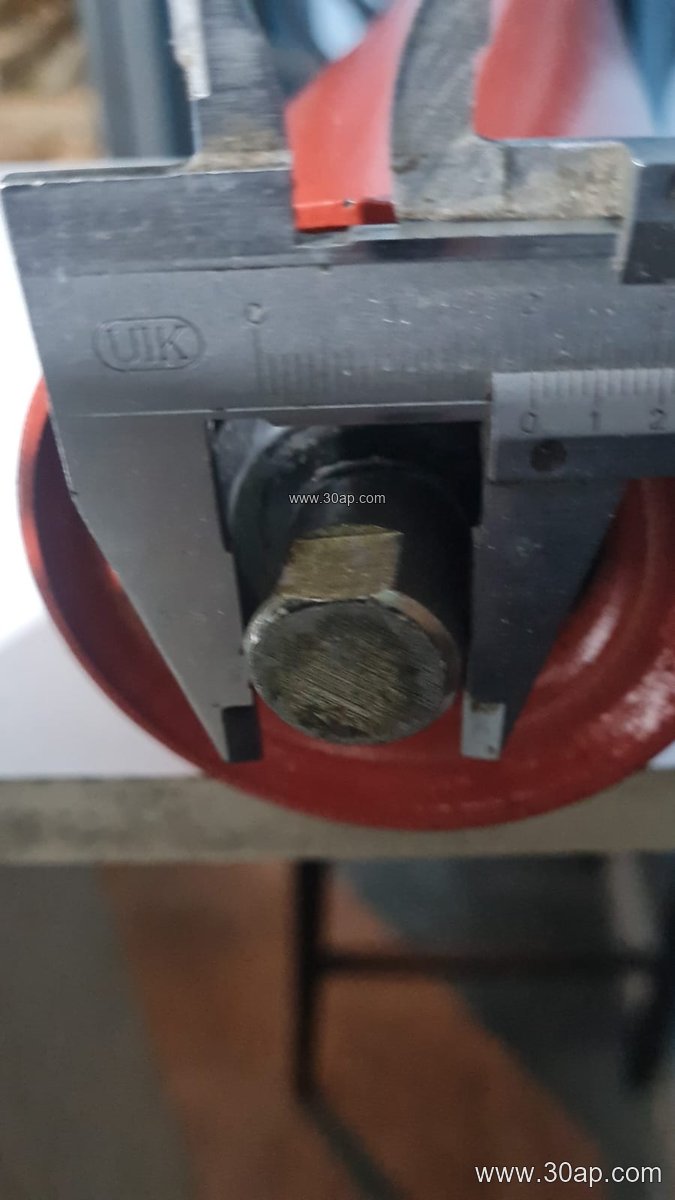
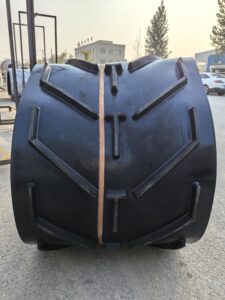
The belt itself also shapes the choice. A heavy-duty mining conveyor belt or a high abrasion resistant conveyor belt running at high tonnage puts more load on each idler, while a chevron conveyor belt or corrugated sidewall conveyor belt needs clearance and steady support. Matching idler spacing and roller diameter to the belt type is part of the design, not an afterthought.
What Buyers Should Check
- Confirm the zinc coating is applied after welding, not before, so seams are protected.
- Check seal design and bearing size against the actual load and dust level.
- State belt width, trough angle, and roller length together; do not assume one size fits all.
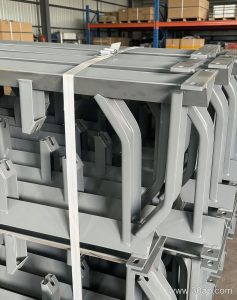
- Ask how the idler will be mounted to the conveyor bracket and whether the frame is also galvanized.
- For underground coal work, verify flame retardant requirements with the belt and idler supplier together.
Related equipment such as the conveyor pulley, conveyor bracket, and conveyor belt should be reviewed as a system. A galvanized idler extends maintenance intervals, but it cannot compensate for poor belt tracking or misaligned frames. Buyers who compare coating thickness, seal quality, and bearing selection will get more value than those who look only at the zinc finish.