What the EP800 Conveyor Belt Is
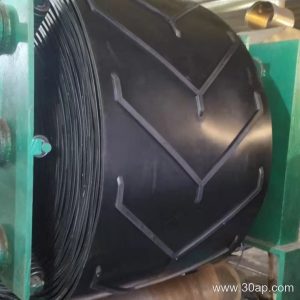
The EP800 conveyor belt is a fabric-core rubber belt built around polyester (EP) warp and nylon weft canvases. The “800” designates its nominal tensile strength in newtons per millimeter of belt width, which places it in the upper-middle range of common EP constructions. In practice, this means a belt that can handle substantial tension over long center distances while remaining more forgiving than a steel cord design when it comes to splicing and impact absorption. Buyers often encounter it as an EP conveyor belt or an EP fabric core conveyor belt, and it is frequently chosen alongside the lower-rated EP400 or EP630 grades when a project steps up to heavier loads.
Construction and Materials
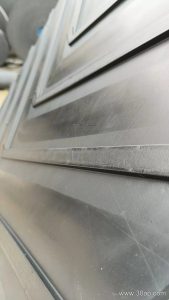
The carcass typically consists of multiple plies of EP fabric, usually two to six layers depending on the duty. These plies are bonded with rubber skim compounds and protected by top and bottom cover rubber. Common cover combinations include 4+2 mm, 5+2 mm, and 6+2 mm, with thicker covers available for abrasive service. The rubber grade can be tailored: abrasion resistant for sand and gravel, flame retardant for coal handling, heat resistant for cement or clinker, and oil resistant for certain industrial streams. An anti-static version is also available where static buildup is a concern.
Because the EP carcass stretches less than cotton or nylon-only fabric, the belt holds its length well after installation and needs less retensioning. Its troughability is generally good, allowing it to run on conventional three-roller idler sets without excessive sag between supports.
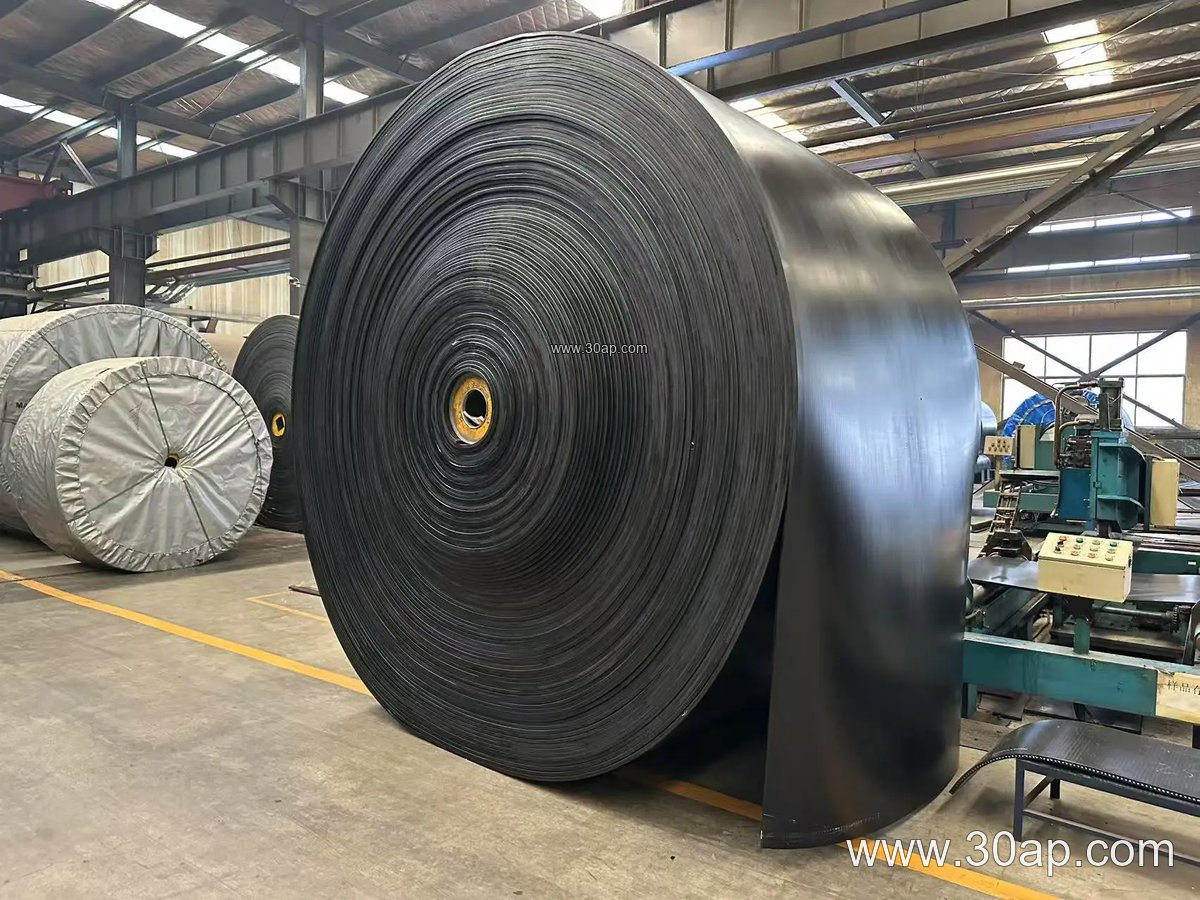
Where It Fits in the Plant
The EP800 grade appears in a wide span of bulk handling circuits. In mining conveyor belt duty it moves crushed ore and waste rock; in coal mining operations a flame retardant variant is often specified. Cement plants use it on clinker and raw meal lines, power plants on coal and ash, and quarry or aggregate operations on screened stone and sand. Ports and ship loading facilities employ it on long inclined conveyors where moderate tensile strength and good flexibility are both needed.
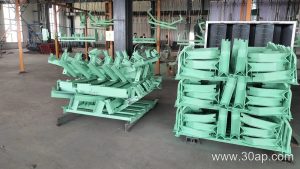
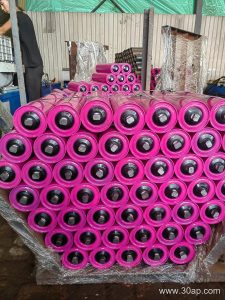
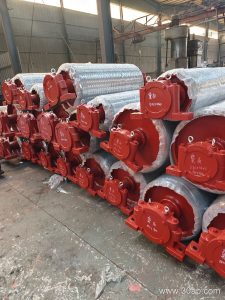
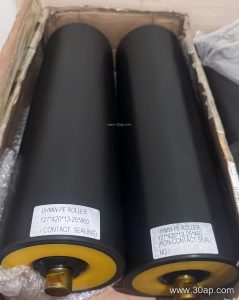
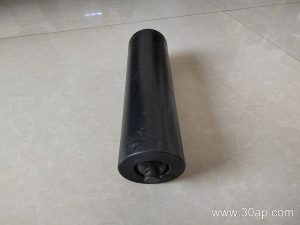
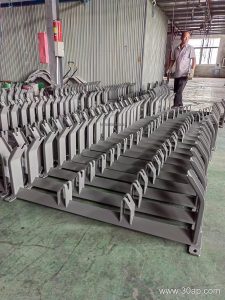
Its working environment includes troughed conveyors supported by idler roller sets, with conveyor pulley assemblies at the head and tail. Drive, tail, and bend pulleys each play a distinct role and are not interchangeable; the belt must be matched to the pulley diameters and wrap angles specified for the conveyor design.
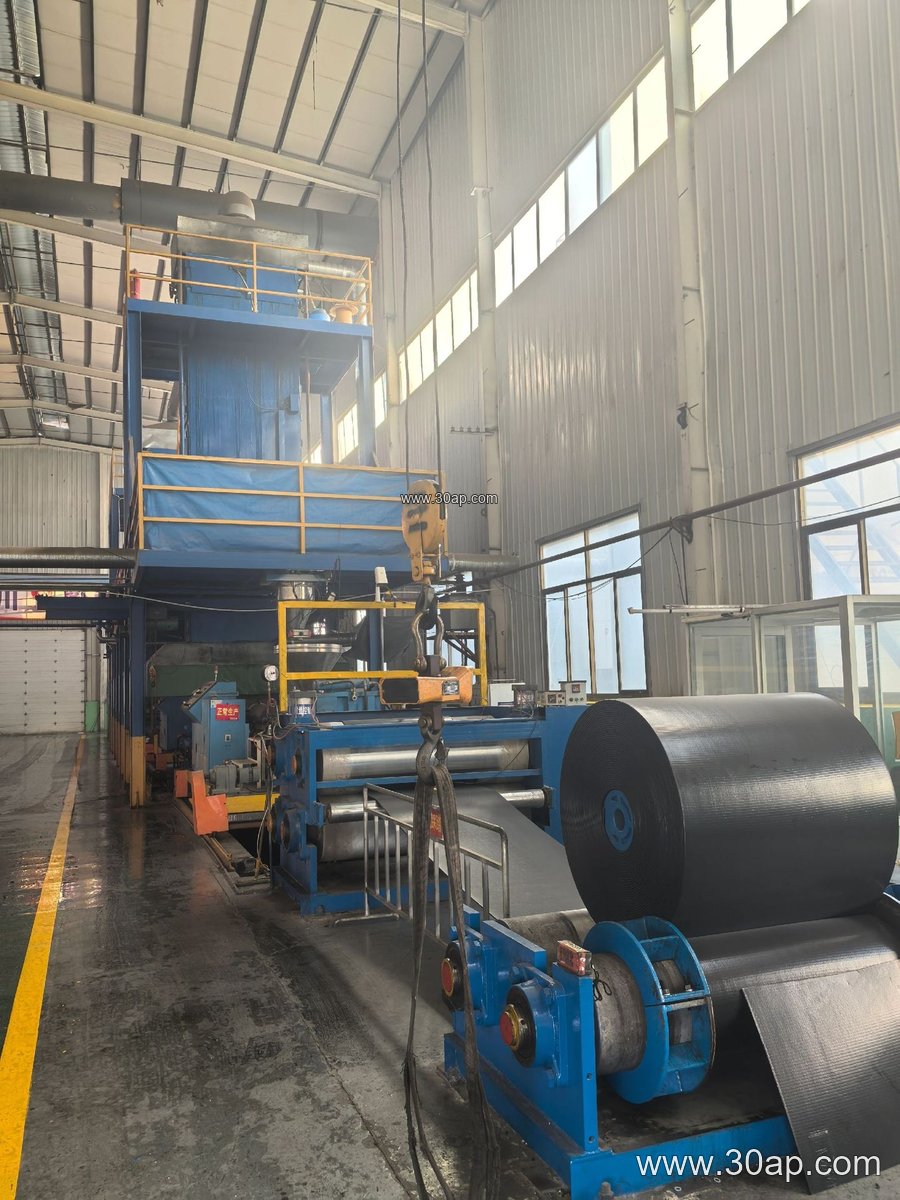
Common Reference Data
The table below gathers typical figures for orientation. Actual values depend on the manufacturer and the project design, so treat them as reference rather than fixed supply promises.
| Parameter | Typical Range or Example |
|---|---|
| Nominal strength | EP800 (also EP200 to EP2000 available) |
| Belt width | B500, B650, B800, B1000, B1200, B1400, B1600 mm and wider |
| Cover thickness | 4+2 mm, 5+2 mm, 6+2 mm, 8+3 mm |
| Carcass plies | 2 to 6 layers |
| Cover grades | Abrasion resistant, heat resistant, flame retardant, oil resistant, anti-static, cold resistant |
Note that belt width and pulley diameter are separate design decisions; a given width does not lock the conveyor into one pulley size.
Buyer Checklist
- Confirm the required tensile grade against the calculated belt tension, not just the tonnage.
- Match cover compound to the material: sharp rock calls for high abrasion resistance, coal for flame retardancy, hot clinker for heat resistance.
- Check compatibility with existing pulley diameters and trough angles before ordering.
- Decide between open-end rolls and an endless conveyor belt for the installation method.
- Review splice type and whether the belt will be vulcanized or mechanically fastened.
For comparison, a steel cord conveyor belt offers higher strength in very long runs, while an NN conveyor belt may suit lighter duties. The EP800 sits in a practical middle ground for many quarry, mine, and plant conveyors where durability and reasonable cost both matter.