What a Heavy-Duty Conveyor Bracket Does on a Tough Line
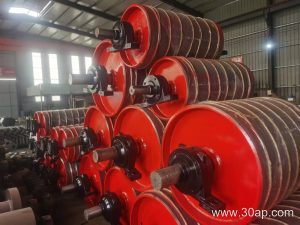
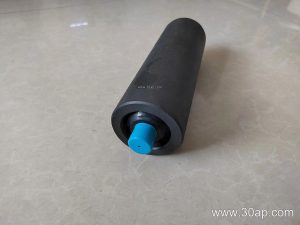
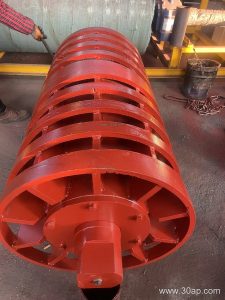
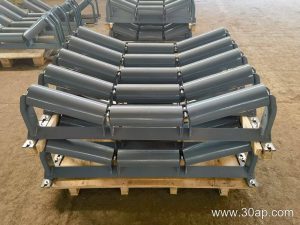
A heavy-duty conveyor bracket is the structural support that holds the idler roller in place and keeps the belt profile stable under load. On a quarry or a limestone mine, the bracket is often the part that takes the daily pounding of sharp rock, dust, and vibration, so its thickness, weld quality, and mounting accuracy matter as much as the roller itself. It works together with the conveyor belt, the idler roller, and the conveyor pulley to keep material moving without spillage or belt wander.
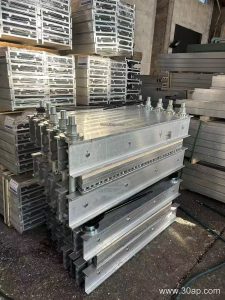
In practice, this durable idler support frame is usually fabricated from angle steel, channel steel, or folded steel plate. The design goal is simple: resist bending, hold the trough angle, and keep bolt holes aligned so the roller sits square to the belt. A well-built unit also makes maintenance faster, because a worn roller can be replaced without cutting or re-welding the frame.
Construction Details That Affect Service Life
Most heavy-duty conveyor brackets share a common layout: a crossbeam, two or three roller seats, and mounting feet or hooks that connect to the conveyor stringer. The differences show up in material gauge, welding, and surface treatment. Thicker channel steel and reinforced gussets help the frame resist the impact of large lumps at the loading point, while a clean galvanized or painted finish slows corrosion in wet or dusty conditions.
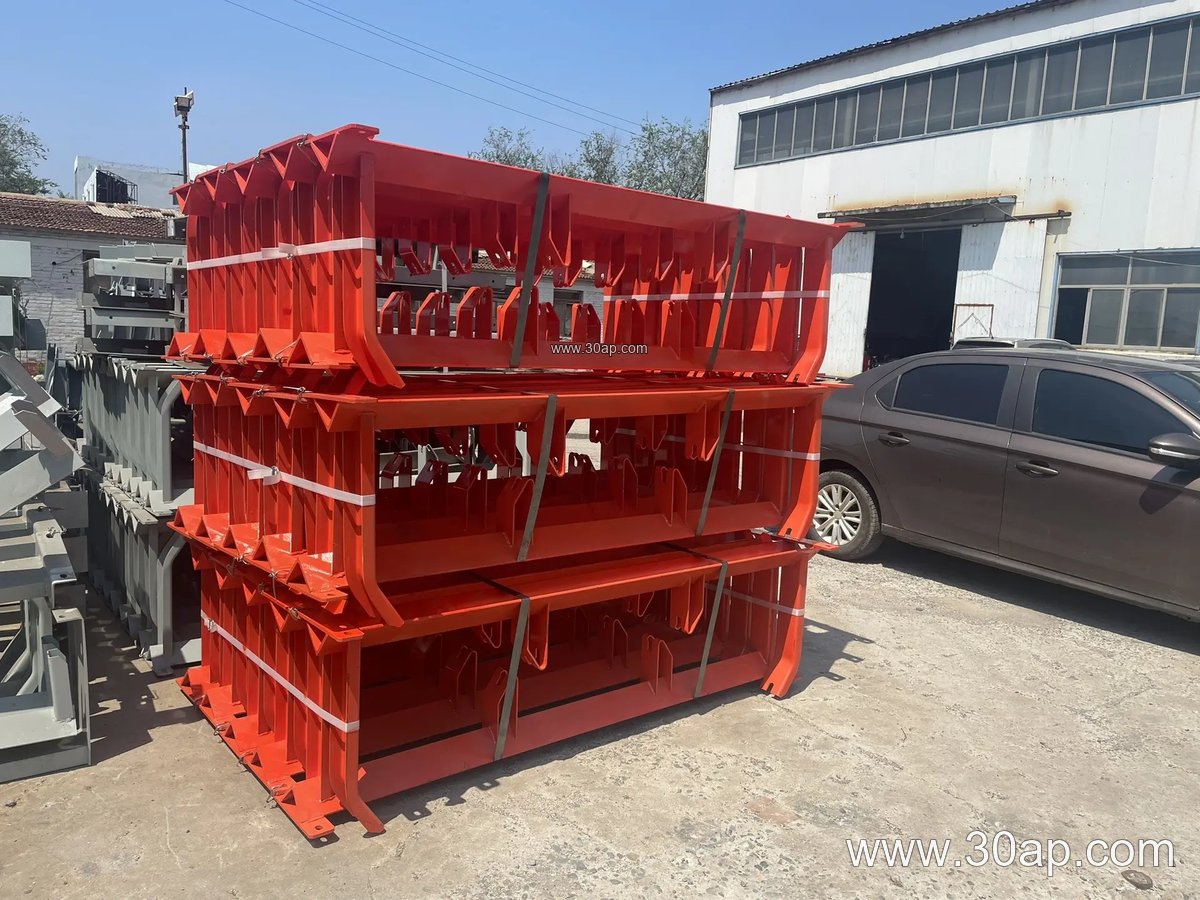
Key build points a buyer should check include:
- Crossbeam straightness and hole spacing, since misalignment causes roller skew and edge wear on the belt.
- Weld penetration at the roller seat, where vibration concentrates stress.
- Consistent trough angle across the frame, which keeps the belt centered.
- Compatibility with the chosen roller diameter and bearing housing.
Common Forms and Where They Fit
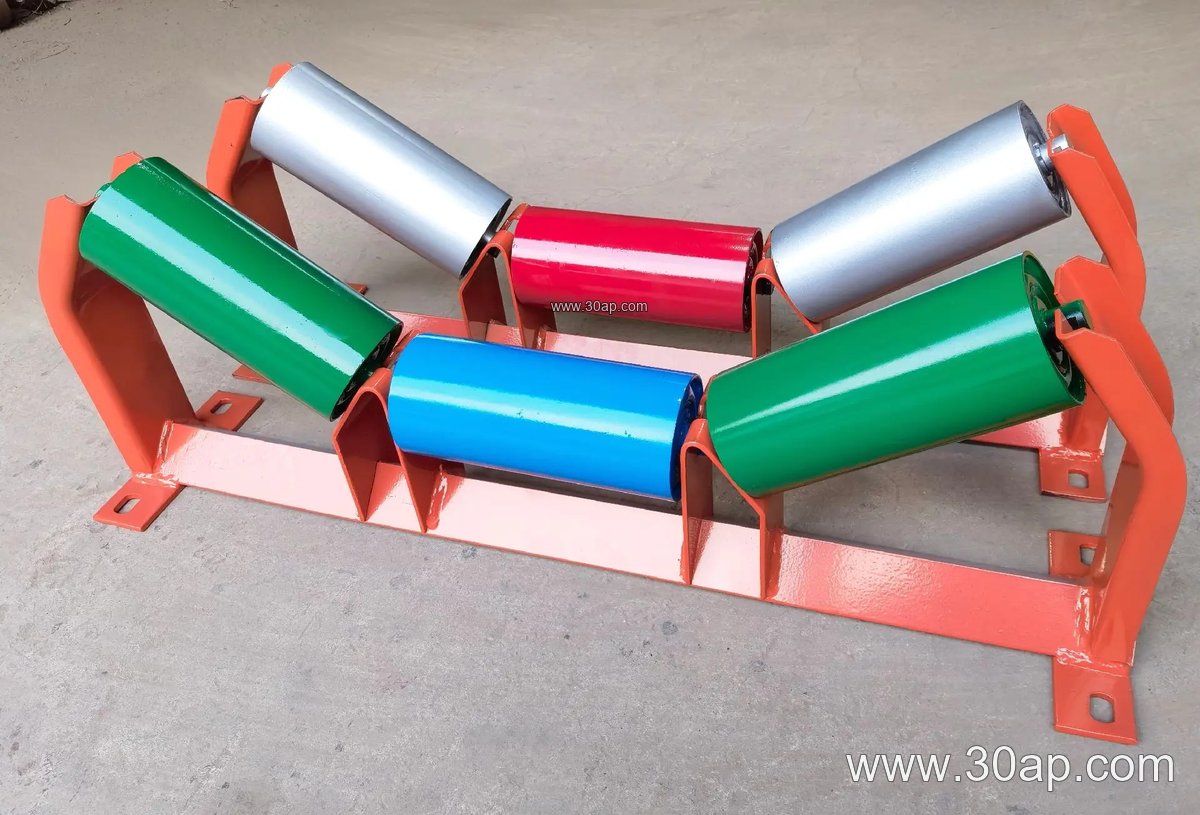
The bracket family is broad, and the right form depends on the belt line position. Trough brackets carry the loaded side, return brackets support the empty side, and transition or impact brackets handle the zones where the belt changes shape or receives material. Adjustable brackets let maintenance crews fine-tune the trough angle, while fixed brackets favor rigidity and simple installation. A V-return bracket is a different role from a flat return bracket, and neither should be confused with a drive pulley or tail pulley.
| Form | Typical Role | Notes |
|---|---|---|
| Trough bracket | Carrying side | Usually 20 to 45 degree trough angle |
| Transition bracket | Belt shape change | Placed near pulleys and loading zones |
| Return bracket | Empty side support | Flat or V-shaped return |
| Impact bracket | Loading point | Reinforced for lump impact |
| Adjustable bracket | Angle tuning | Can be set across common trough angles |
For a 1200mm wide conveyor belt running at a 35 degree trough, a bracket matched to Ø133 rollers is a common combination, but the final choice follows the belt width, load, and roller diameter set by the conveyor designer. A narrower B650 line at 30 degrees with Ø89 rollers is equally normal in a smaller sand plant.
Applications Across Heavy Industry
Heavy-duty brackets appear wherever abrasive bulk material moves continuously. In a coal washing plant, they support the carrying side through wet, dusty conditions. In a cement plant, they hold rollers under clinker and raw meal lines where heat and abrasion are constant. On a port conveyor handling iron ore, the bracket must resist impact at the transfer point and stay aligned through long shifts. The same part also suits a power plant coal yard and an aggregate crushing line.
Because the bracket sits under a mining conveyor belt, its condition directly affects belt tracking. A bent frame or loose bolt can cause the belt to drift, which then loads the conveyor pulley edges and shortens belt life. Regular inspection of the frame, bolts, and roller seats is therefore part of routine belt maintenance.
Buyer Checklist Before Ordering
Before placing an order, confirm the belt width, the roller diameter, the required trough angle, and the mounting hole pattern. Ask for the material grade and surface treatment, and check that the frame is designed for the actual load rather than a generic duty. For harsh sites, a reinforced heavy-duty conveyor bracket with thicker steel usually pays back through fewer replacements. Buyers sourcing belts and rollers at the same time can review related options such as EP conveyor belt and abrasion resistant conveyor belt to keep the whole line consistent. Matching the bracket to the real duty, rather than to a catalog default, is the safest path to long service in mining, cement, and port operations.