What the PVG800S Conveyor Belt Is
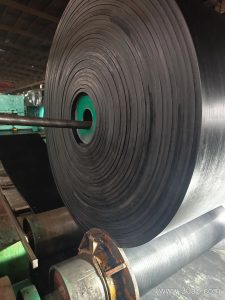
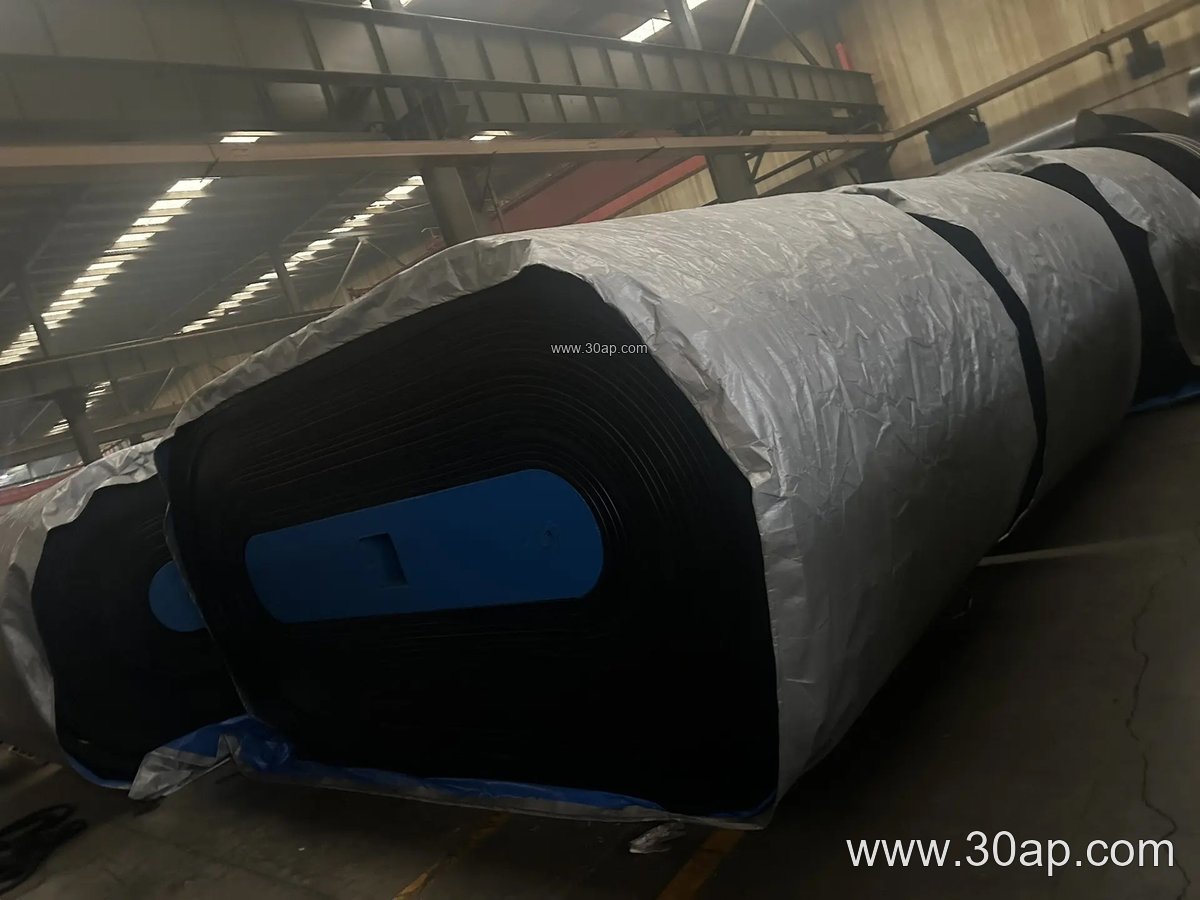
The PVG800S Conveyor Belt is a solid-woven, PVC-based conveyor belt with a nitrile rubber cover, designed for tough industrial service. The “S” typically denotes a grade with enhanced safety properties, such as improved flame resistance and anti-static performance, making it a frequent choice in underground coal mining and other enclosed environments where fire risk and static buildup are concerns. This belt is not a fabric-core rubber belt in the conventional sense; it belongs to the PVG family, which combines a strong synthetic carcass with a rubber cover for better grip and durability.
When buyers search for a reliable belt for abrasive or wet conditions, the PVG800S often appears alongside other heavy-duty options. It is a distinct product from an EP Conveyor Belt or a multi-ply fabric core design, and it should not be confused with them. The PVG800S is a specific subtype with its own construction and performance profile.
Construction and Key Features
The belt is built around a solid-woven fabric carcass, usually made from high-tenacity synthetic fibers. This core provides longitudinal strength and resistance to impact and tearing. The cover is a nitrile rubber compound, which offers good resistance to abrasion, oils, and greases. The “800S” designation generally points to a belt with a nominal strength class and safety-enhanced properties. Common cover thicknesses for this type of belt may be in the range of 3+1.5 mm to 6+2 mm, depending on the manufacturer and the intended duty.
Key features include:
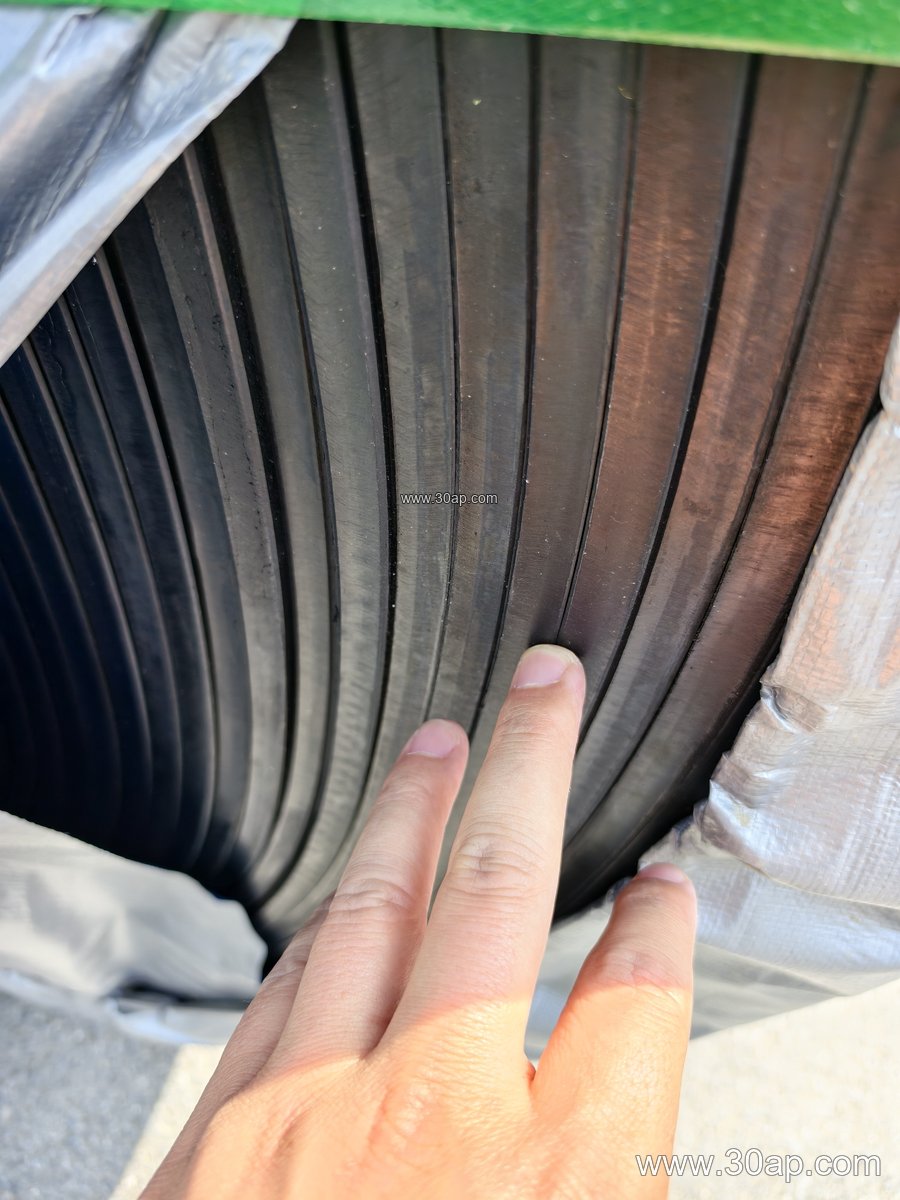
- Flame retardant and anti-static properties for underground safety.
- Good flexibility for training around pulleys and idlers.
- Resistance to moisture and rot, unlike some fabric-core belts.
- Suitable for moderate to high impact loads when properly supported.
It is important to note that the PVG800S is not a direct replacement for a steel cord belt or a heavy-duty rubber belt in every application. Each belt type has its place, and selection should be based on the specific conveyor design and operating conditions.
Where It Is Used
The PVG800S Conveyor Belt is commonly found in underground coal mining, where flame resistance and anti-static behavior are critical. It also sees use in other mining operations, such as potash or salt mines, and in tunneling projects. Beyond mining, it can be applied in cement plants, power plants, and aggregate handling facilities where a robust, safety-oriented belt is needed. The belt performs well in applications involving wet, oily, or abrasive materials, thanks to its nitrile rubber cover.
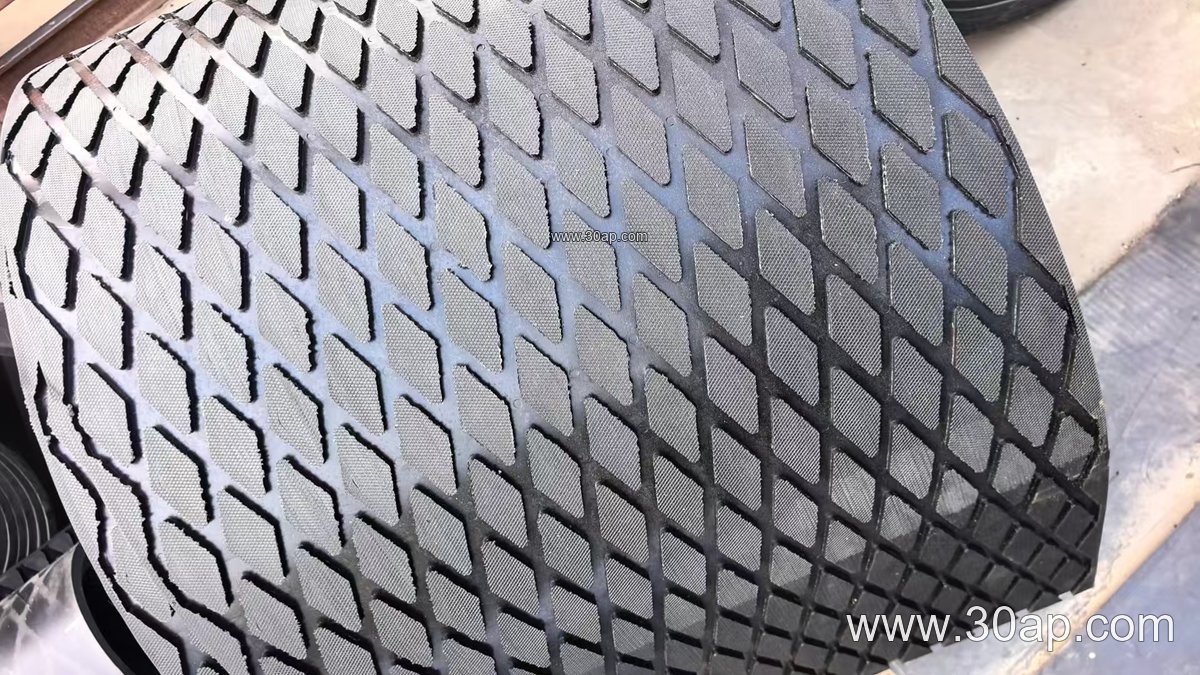
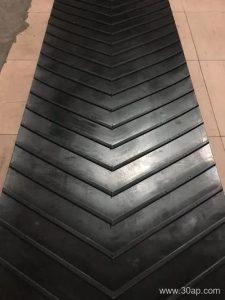
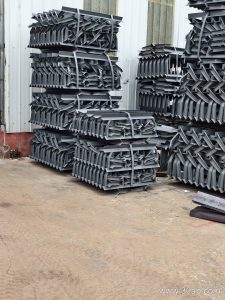
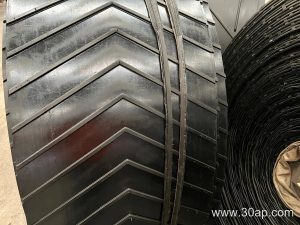
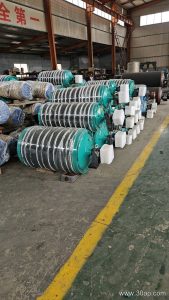
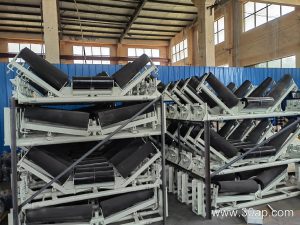
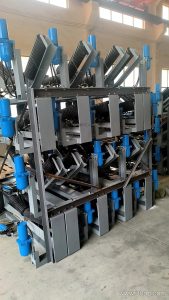
In these industries, the belt works alongside conveyor pulleys, idler rollers, and conveyor brackets to form a complete conveying system. The drive pulley, tail pulley, and bend pulleys each have specific roles, and none are interchangeable. Proper alignment and maintenance of these components are essential for belt life. For comparison, a chevron conveyor belt might be chosen for inclined haulage, but the PVG800S remains a flat belt for general haulage.
Specifications and Selection Considerations
While exact specifications vary by manufacturer, the following table provides a general reference for the PVG800S and related PVG belts. These values are typical and should not be taken as fixed supply promises.
| Parameter | Typical Range |
|---|---|
| Belt width (B) | B500, B650, B800, B1000, B1200, B1400, B1600, B1800, B2000 |
| Cover thickness | 3+1.5 mm, 4+2 mm, 5+2 mm, 6+2 mm, 8+3 mm |
| Carcass strength class | 800S (nominal), with other classes available |
| Number of plies | Solid-woven, typically 2 to 4 layers depending on strength |
When selecting a PVG800S belt, consider the material being conveyed, the lump size and impact energy, the conveyor length and incline, and the environmental conditions. A belt width of 1000 mm or 1200 mm is common in underground mining, but the final choice depends on the required capacity and the conveyor structure. Do not assume that a given belt width automatically dictates a specific pulley diameter; the pulley size is determined by the belt tension and the conveyor design, not by width alone.
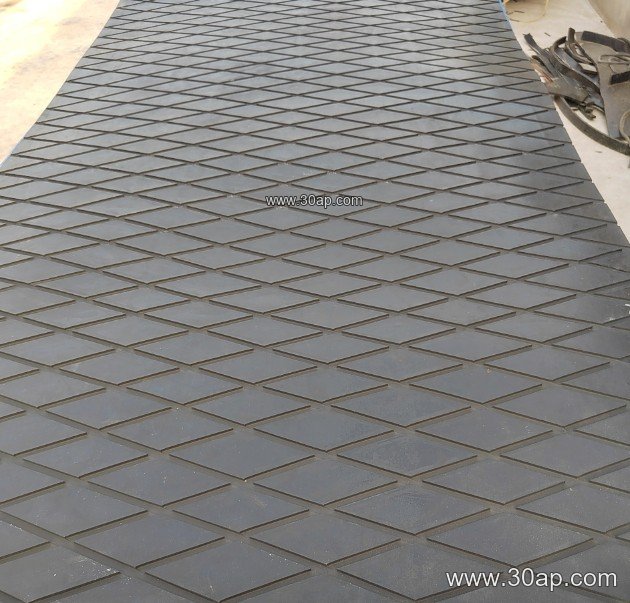
Buyers should also verify the flame retardant and anti-static certificates for the intended application. The PVG800S is often compared with Flame Retardant Conveyor Belt designs, but the PVG construction offers a specific balance of flexibility and safety. For very high tension or long distances, a Steel Cord Conveyor Belt might be more appropriate, while for general abrasive materials, an Abrasion Resistant Conveyor Belt could be considered.
Maintenance and Buyer Tips
Proper maintenance extends the service life of any conveyor belt. Check belt tracking regularly, inspect for cover damage, and ensure that idler rollers and pulleys turn freely. Keep the belt clean and avoid material buildup on the return side. When splicing, use the correct method recommended for solid-woven belts. For buyers, request the manufacturer’s data sheet for the PVG800S and confirm that the safety properties meet local regulations. Remember that this belt is a specialized product, and it should not be substituted with a different subtype without a thorough engineering review.
In summary, the PVG800S Conveyor Belt is a solid-woven, rubber-covered belt built for safety-critical and demanding environments. Its construction and features make it a reliable choice for underground mining and other industrial applications where flame resistance and durability are paramount.