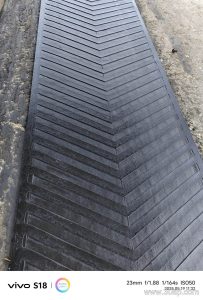
What an Anti-Static Conveyor Belt Is
An anti-static conveyor belt is a conveyor belt designed to dissipate static electricity that builds up as the belt runs over pulleys and idler rollers. In industries such as coal mining, cement plants, power plants, and quarries, dry bulk materials and fast-moving belts can generate electrostatic charge. If that charge is not controlled, it can cause sparks, attract dust, or interfere with sensitive equipment. The anti-static conveyor belt addresses this by incorporating conductive or dissipative materials into the belt construction, allowing static to bleed away safely.
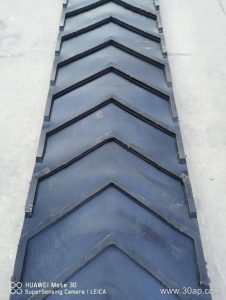
This product is also known as a static dissipative conveyor belt. It is not a separate belt type like steel cord or chevron; rather, it is a modification applied to various belt constructions, including fabric core and steel cord belts, to meet specific safety or operational needs.
Construction and How It Works
A typical anti-static conveyor belt uses a fabric core—such as EP (polyester-cotton) or NN (nylon-nylon)—or a steel cord carcass, covered with rubber compounds. To achieve anti-static properties, the rubber cover and sometimes the carcass are formulated with conductive carbon black or other additives that lower surface and volume resistivity. This allows static charge to travel through the belt and discharge through the conveyor frame or grounding points.
The belt may also include an anti-static layer or fabric. The exact construction depends on the application. For example, an EP conveyor belt with anti-static properties might have a top cover of 4 mm and bottom cover of 2 mm, with 3 to 5 plies of EP fabric. A steel cord belt may use a similar compound in its covers. The belt width can range from 500 mm to 2000 mm or more, and thickness varies with the number of plies and cover thickness.
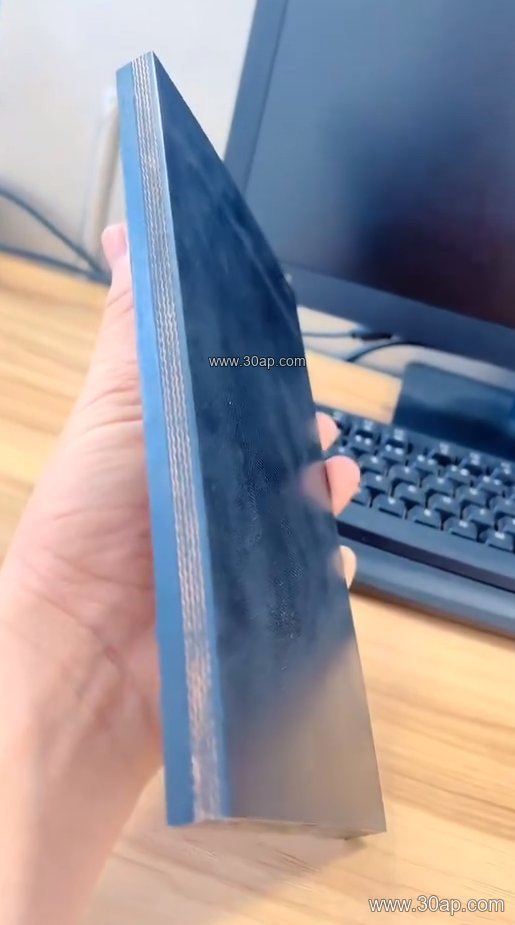
It is important to note that anti-static belts are often required in areas with explosive dust or gas, such as underground coal mining. In such cases, the belt may also need flame retardant properties, leading to combined anti-static and flame retardant conveyor belts. These are common in coal mining conveyor systems.
Where Anti-Static Belts Are Used
Static electricity is a concern in many bulk material handling operations. Anti-static conveyor belts are frequently found in:
- Coal mining and underground coal mining, where methane and coal dust create explosion risks.
- Cement plants and power plants handling dry powders and fuels.
- Quarries and aggregate plants where dry, dusty materials are conveyed.
- Grain handling and food processing, where dust and static can affect product quality and safety.
- Recycling facilities and chemical plants where flammable solvents or dusts are present.
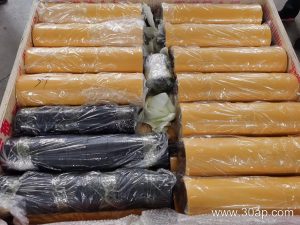
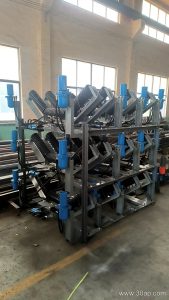
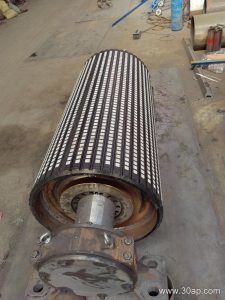
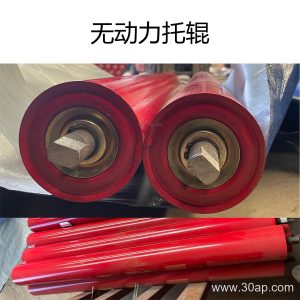
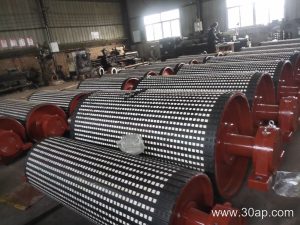
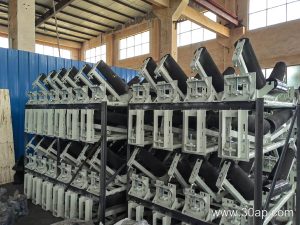
In these environments, the belt works alongside conveyor pulleys, idler rollers, and conveyor brackets to maintain a safe, continuous flow. The anti-static property does not replace proper grounding of the conveyor structure; rather, it works with a grounded system to control charge accumulation.
Key Specifications and Options
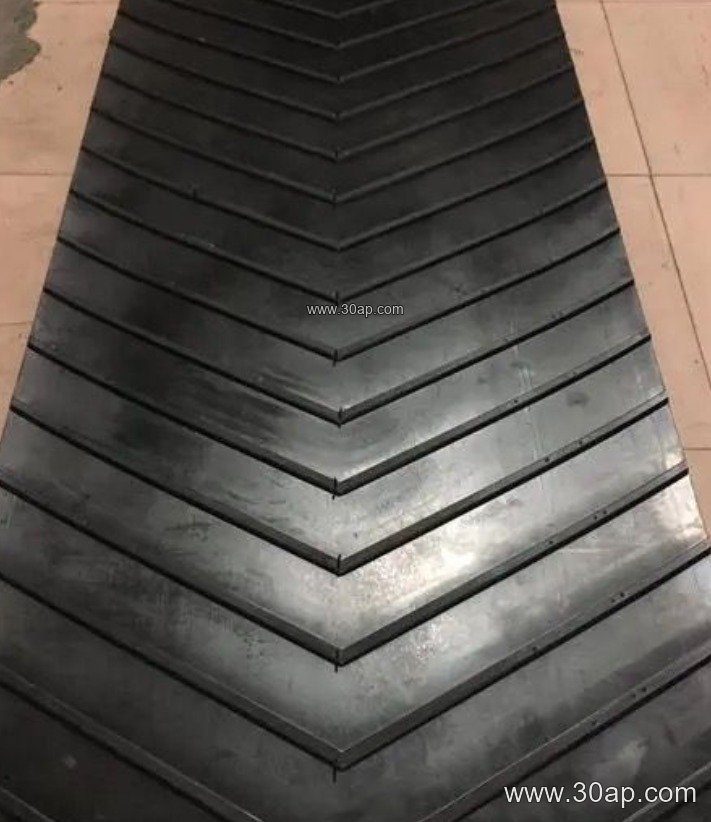
When selecting an anti-static conveyor belt, buyers should consider the belt type, strength, width, cover thickness, and additional properties. The table below lists common reference values; actual specifications are determined by the manufacturer and the application.
| Parameter | Common Options |
|---|---|
| Belt type | EP fabric core, NN fabric core, steel cord |
| Strength (EP) | EP200, EP315, EP400, EP500, EP630, EP800, EP1000, EP1250, EP1600, EP2000 |
| Belt width | B500, B650, B800, B1000, B1200, B1400, B1600, B1800, B2000 |
| Cover thickness | 3+1.5 mm, 4+2 mm, 5+2 mm, 6+2 mm, 8+3 mm |
| Number of plies | 2 to 6 (fabric core) |
| Additional properties | Flame retardant, heat resistant, oil resistant, abrasion resistant |
For example, an EP1000 anti-static conveyor belt with 1200 mm width and 5+2 mm covers might be used in a cement plant. A steel cord belt such as ST1250 with anti-static covers could be chosen for a long overland conveyor in a mine. These are illustrative combinations; the final choice depends on load, speed, pulley diameters, and environment.
Buyer Checklist
Before purchasing an anti-static conveyor belt, confirm the required level of static dissipation with the supplier. Ask for the surface resistance value and ensure it meets the site’s safety requirements. Consider the material being conveyed—if it is oily or hot, you may need an oil resistant or heat resistant conveyor belt with anti-static properties. Check the belt’s compatibility with existing conveyor pulleys and idler rollers; belt width and thickness affect pulley selection, but no fixed rule links one width to one pulley diameter.
Also consider the belt’s tensile strength and number of plies. A multi-ply fabric core conveyor belt may be suitable for moderate loads, while a steel cord belt handles higher tensions. For underground coal mining, a PVG conveyor belt with anti-static and flame retardant properties is common. Whatever the type, ensure the belt is properly installed and grounded to maximize static dissipation.
For more information on conveyor belts and related components, visit Rubber Conveyor Belt and EP Conveyor Belt resources.