Where the frame sits and what it carries
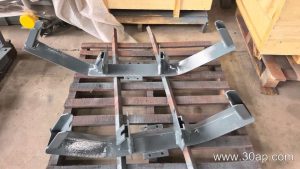
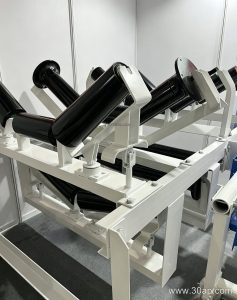
A belt conveyor idler frame is the steel structure that holds the idler rollers in the right position under or above the conveyor belt. On the carrying side it keeps the trough shape, on the return side it supports the belt after discharge, and at transfer points it absorbs impact. In a quarry, a cement plant, or a power plant coal yard, this frame is often the part that decides whether the belt tracks straight and whether rollers can be replaced quickly.
The frame is not a single universal part. Its geometry depends on belt width, trough angle, roller diameter and the load it must carry, so a frame made for B800 will not fit a B1400 conveyor line.
Construction details that matter
Most frames are built from angle steel, channel steel, or folded steel plate. The cross beam length and mounting hole spacing follow the belt width and trough angle rather than a fixed figure. A typical carrying frame for a 35 degree trough may combine a B1000 belt with Ø108 idlers, while a wider B1200 line with a 45 degree trough often uses Ø133 rollers. These are common references, not fixed rules.
Roller seats are usually formed as notches or brackets so that an idler roller drops into place and is secured without long downtime. Welding quality, hole alignment and painting or galvanizing all affect service life in dusty, wet or corrosive conditions.
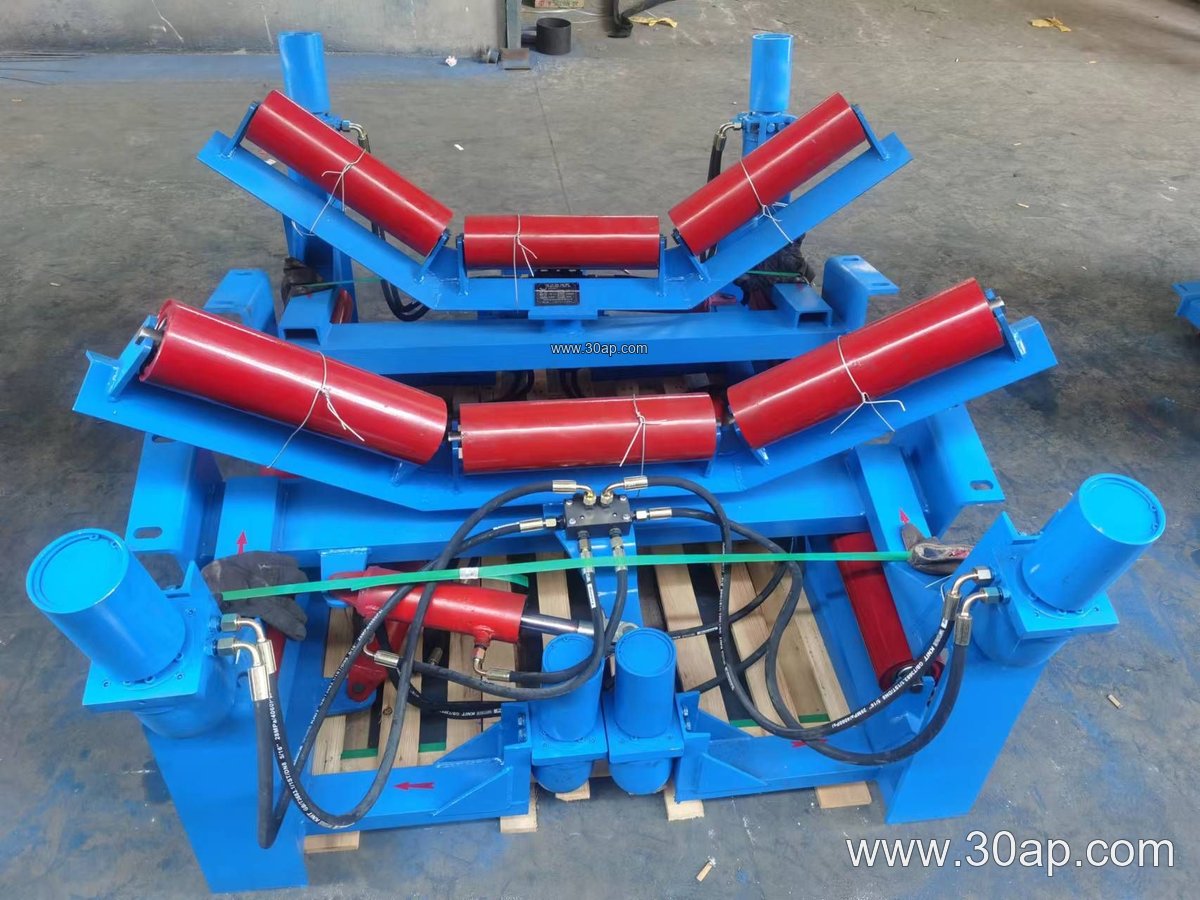
Common frame types and reference data
- Trough idler frame (upper carrying side)
- Transition frame near pulleys
- Return frame and V-return frame
- Impact idler frame at loading points
- Self-aligning frame and forward-tilted frame
- Suspended frame and adjustable frame
Reference values often quoted in design sheets:
- Belt width: B500, B650, B800, B1000, B1200, B1400, B1600, B1800, B2000, B2200
- Trough angle: 20, 30, 35, 45 degrees; adjustable frames can move between these angles
- Forward tilt: commonly about 1.5 to 2 degrees
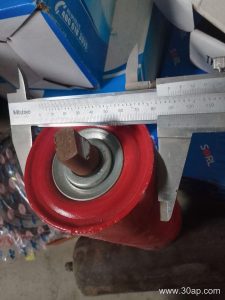
- Idler diameter: Ø89, Ø108, Ø133, Ø159, Ø194
Combinations such as B650 with 30 degrees and Ø89, or B1200 with 45 degrees and Ø133, appear in many projects, but the final match is set by the conveyor design, belt speed and material load.
How it works with belt, rollers and pulleys
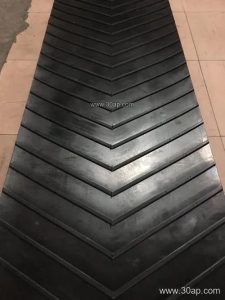
The frame transfers the weight of the loaded belt and material into the conveyor structure. A well-aligned trough frame keeps the belt centred, reduces edge wear on the Rubber Conveyor Belt, and protects the idler roller bearings from uneven loading. At the head and tail, the belt leaves the frame and passes over the drive pulley or tail pulley; those pulleys are separate components and are not part of the frame itself.
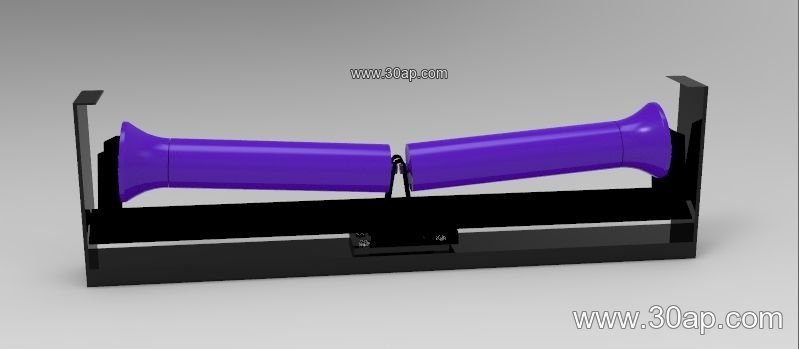
On a long overland or underground line, a steel cord belt may carry heavy ore, so the frame spacing and roller diameter are chosen together. Where the material is abrasive, a high abrasion resistant belt plus sturdy frames at the loading zone reduces maintenance. In a coal yard, flame retardant and anti-static properties belong to the belt, while the frame simply has to hold position reliably.
Installation and adjustment notes
Frames are bolted or welded to the conveyor stringers. Alignment across the line is critical: a frame set a few millimetres out of square can push the belt to one side. Adjustable frames help correct trough angle and belt training during commissioning, and forward-tilted frames are sometimes used to assist centring.
At transfer points, impact frames with rubber rings or cushion rollers soften the drop. On the return run, V-return frames help remove carried material and keep the belt flat before it reaches the tail pulley.
What a buyer should check
- Belt width and trough angle required by the conveyor design
- Idler diameter and the matching roller seat
- Frame type: carrying, return, impact, transition, self-aligning or adjustable
- Material and finish suitable for dust, humidity or corrosive environment
- Mounting hole spacing and beam length confirmed against the stringer drawing
- Compatibility with the existing conveyor bracket and pulley positions
Ask for a dimensional drawing rather than a generic list. A frame that fits the drawing the first time saves far more than a small price difference, especially in a stone crushing line or a cement plant where a stopped belt halts the whole flow.