What a Custom Idler Really Means
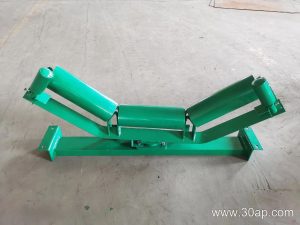
A custom idler is a conveyor idler roller made to match one specific duty point rather than taken from a short list of stock sizes. In practice, that usually means the roller diameter, shaft ends, roll length, bearing arrangement, shell material and surface form are fixed against a drawing or a measured sample. Because the roll length follows belt width, trough angle and the idler set configuration, two conveyors running the same width of conveyor belt can still need different rolls.
Buyers often come to this from the opposite direction: an existing frame, a worn roll and no reliable part number. A made-to-fit roll then becomes the practical route, provided the specification is written down clearly.
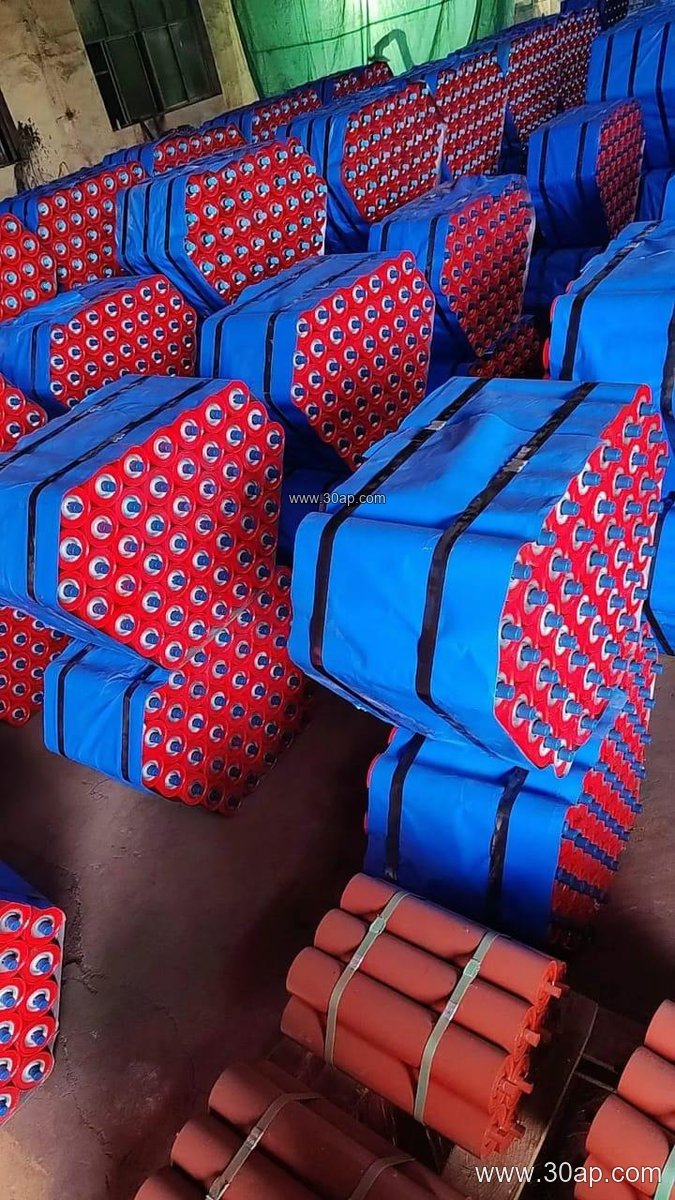
How the Roller Is Put Together
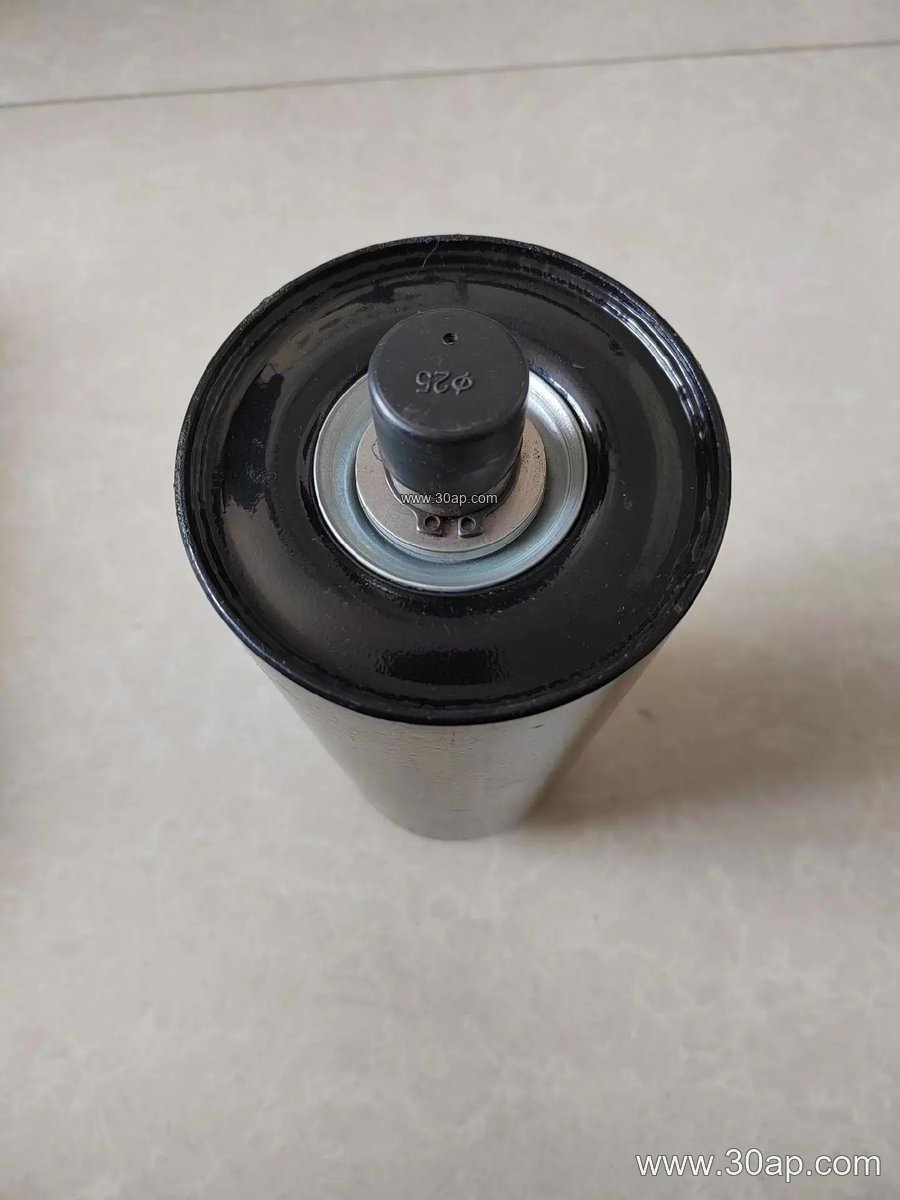
Most designs share the same core parts: a steel tube shell, a shaft, bearing housings, a sealing system, and end caps. The differences that matter are in the details.
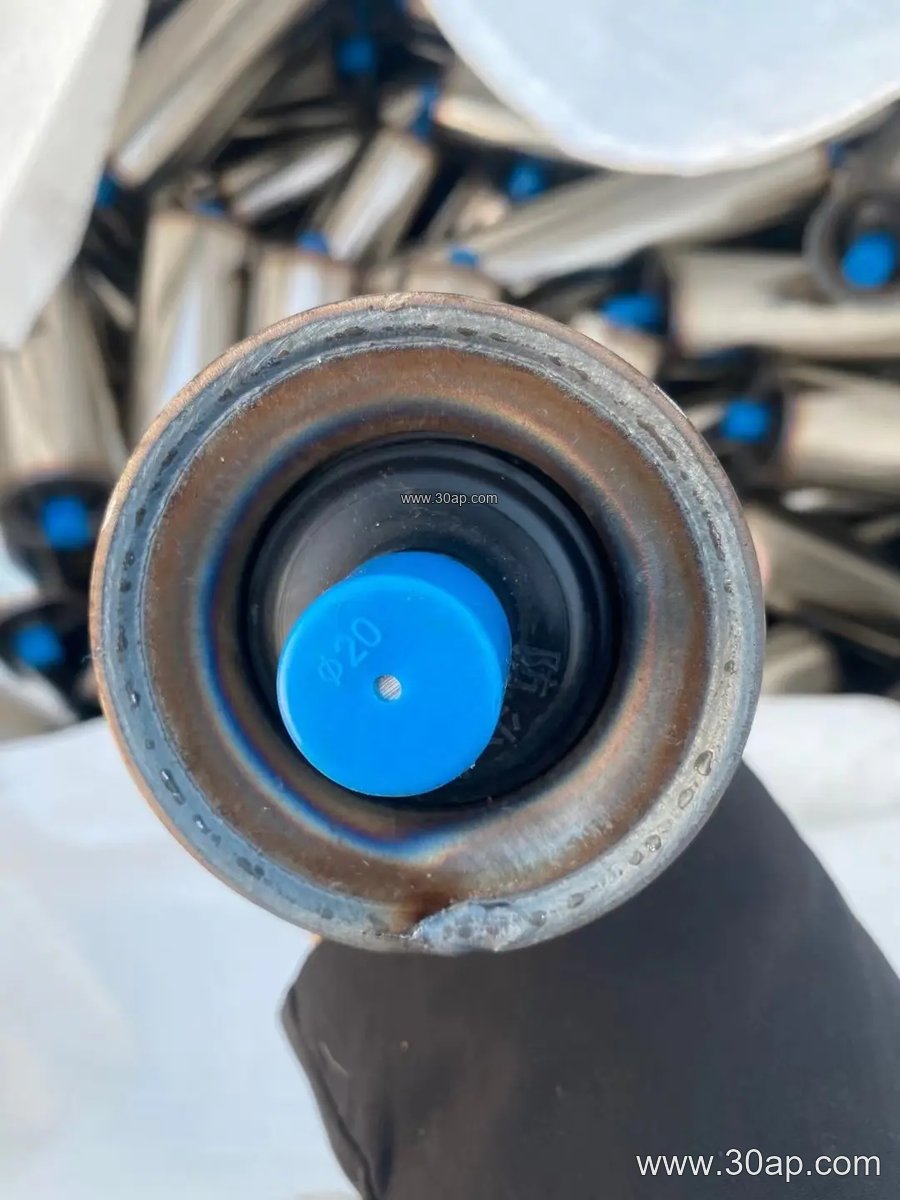
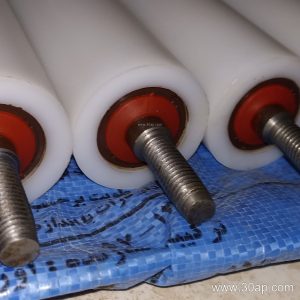
- Shell – steel tube is the standard; nylon, ceramic or rubber-ring surfaces are chosen when wear, build-up or impact calls for them.
- Bearing – 6204, 6205, 6305, 6306, 6308 and 6310 are common choices, matched to load and speed rather than to a single diameter.
- Sealing – the deciding factor in dusty plants; a good seal keeps grit out of the bearing and extends service life.
- Ends – flat ends, machined shaft flats, threaded ends or welded bosses, depending on how the roll sits in the conveyor bracket.
Where Custom Rolls Are Used
A limestone quarry usually asks for troughing rolls in the carrying run and a return roll set underneath, with impact rolls under the loading chute. A coal handling plant at a power station pays more attention to sealing and flame behaviour, because fine coal dust reaches every joint. In both, the idler roller is a wear part, so the goal is a roll that matches the frame and lasts through the duty cycle.
Different installations also push the shell material in different directions. A sand and gravel line with wet, abrasive material may prefer a thicker tube wall, while a cement plant handling hot clinker needs a roll that tolerates heat at the loading point.
Diameters, Widths and Surface Forms
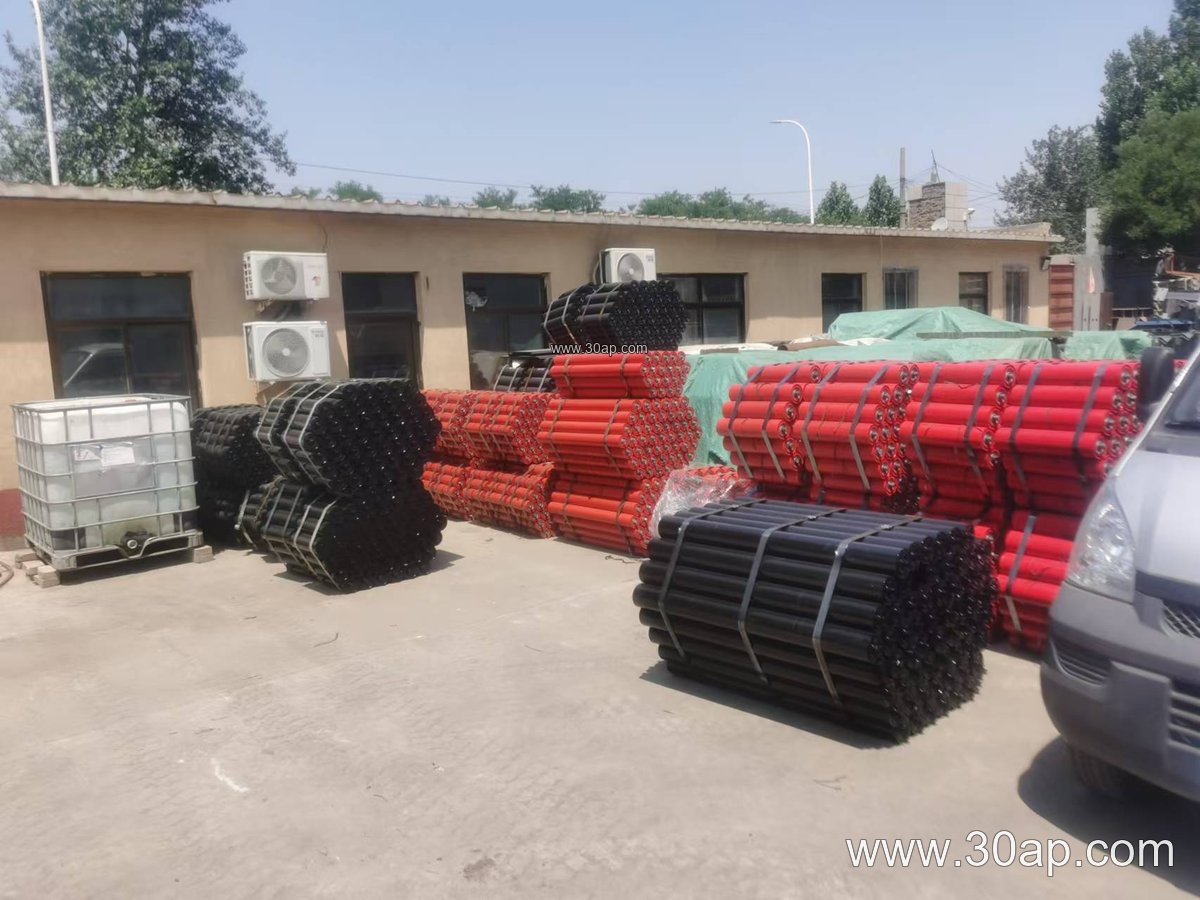
Common roll diameters run from Ø63 and Ø76 up to Ø219, with Ø89, Ø102, Ø108, Ø127, Ø133, Ø159, Ø178 and Ø194 in between. Belt widths from B400 to B2400 are regularly quoted. These are reference ranges, not fixed pairings — the final choice is set by the design of the conveyor.
| Belt width | Typical roll length, three-roll troughing set | Notes |
|---|---|---|
| B500 | approx. 200 mm | side rolls may differ |
| B650 | approx. 250 mm | check trough angle |
| B800 | approx. 315 mm | common on quarry lines |
| B1000 | approx. 380 mm | — |
| B1200 | approx. 465 mm | — |
| B1400 | approx. 530 mm | — |
| B1600 | approx. 600 mm | — |
| B1800 | approx. 670 mm | — |
| B2000 | approx. 750 mm | — |
Trough angles of 20, 30, 35 and 45 degrees change how the belt sits and how the side rolls are sized. Forward lean of about 1.5 to 2 degrees appears on training and aligning rolls, not on every position.
Matching the Idler to the Belt
The belt is the other half of the decision. A heavy-duty mining conveyor belt on a primary crusher discharge carries lumps that punish a thin shell, so impact rolls or rubber-ring rolls are worth considering there. A steel cord conveyor belt running at high tension tends to demand straighter, better-balanced rolls, because vibration shows up quickly. Where a pipe conveyor belt or a corrugated sidewall belt is used, the roll layout is quite different from a flat trough, and a made-to-fit roll is often the only sensible answer.
Environment also sets the shell and seal choice. A heat resistant conveyor belt in a sinter plant and a cold resistant conveyor belt at an outdoor stockyard face very different conditions, and the idler should follow the same logic.
What a Buyer Should Confirm Before Ordering
- Roll diameter, shell wall thickness and overall length, measured or drawn.
- Shaft diameter, shaft length and the exact end form.
- Bearing size and seal type, plus the lubricant already in use.
- Surface: plain steel, nylon, ceramic or rubber rings.
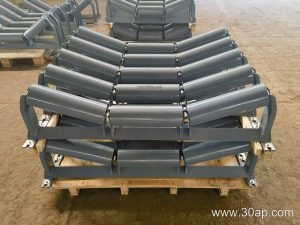
- Idler set form — single roll, two-roll or three-roll troughing — and the trough angle.
- Quantity per position and whether spares are wanted.
A short drawing with these points settled avoids most of the back-and-forth. It also makes repeat orders simple, since the same roll can be referenced by one part number. For plants that run several conveyors, keeping a simple register of roll positions and dimensions pays off at the next shutdown.