What a Q355 Conveyor Bracket Does
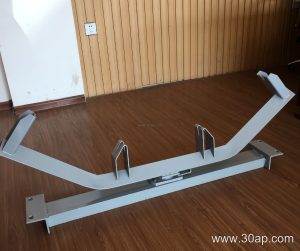
A Q355 conveyor bracket is the steel support that holds the idler rollers in the correct position under a conveyor belt. The bracket carries the load of the belt and the material being moved, then transfers it into the conveyor frame. Because Q355 is a low-alloy, higher-strength structural steel, the bracket keeps its shape under heavy duty cycles better than a plain carbon steel part of the same thickness. In a quarry or a cement plant, that extra stiffness often means fewer bent frames after impact loading.
The same item is commonly called a Q355 belt conveyor bracket or a Q355 roller support bracket. These names describe one product, not different types.
How the Bracket Is Built
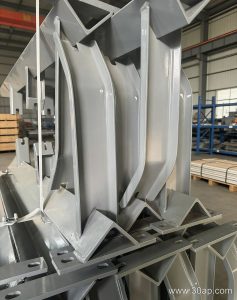
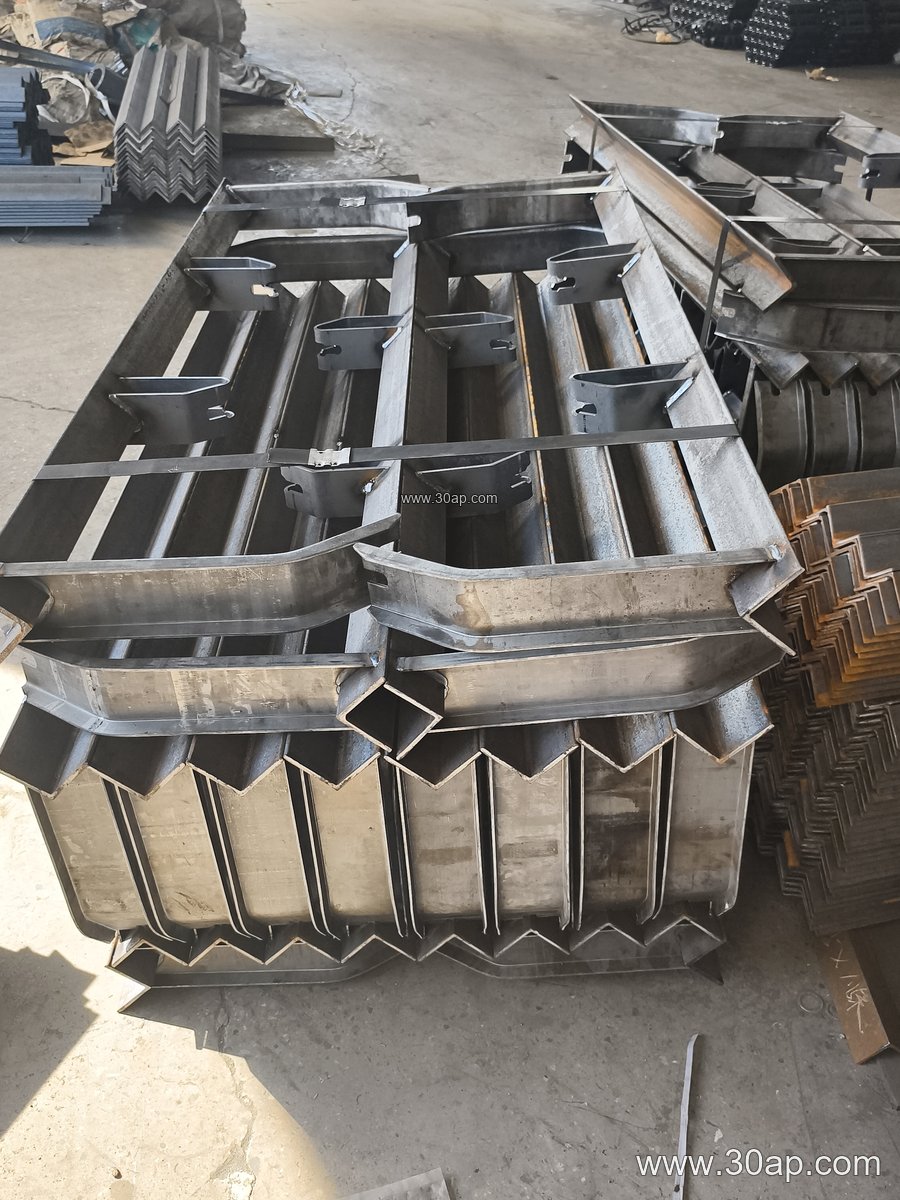
Most Q355 conveyor brackets are fabricated from angle steel, channel steel, or folded steel plate. The material is cut, drilled, and welded into a frame with mounting slots for the idler roller shaft. A troughing bracket holds three rollers at a set trough angle; a return bracket holds a single flat roller or a V-shaped return set. Surface treatment is usually painted or galvanized, depending on the environment.
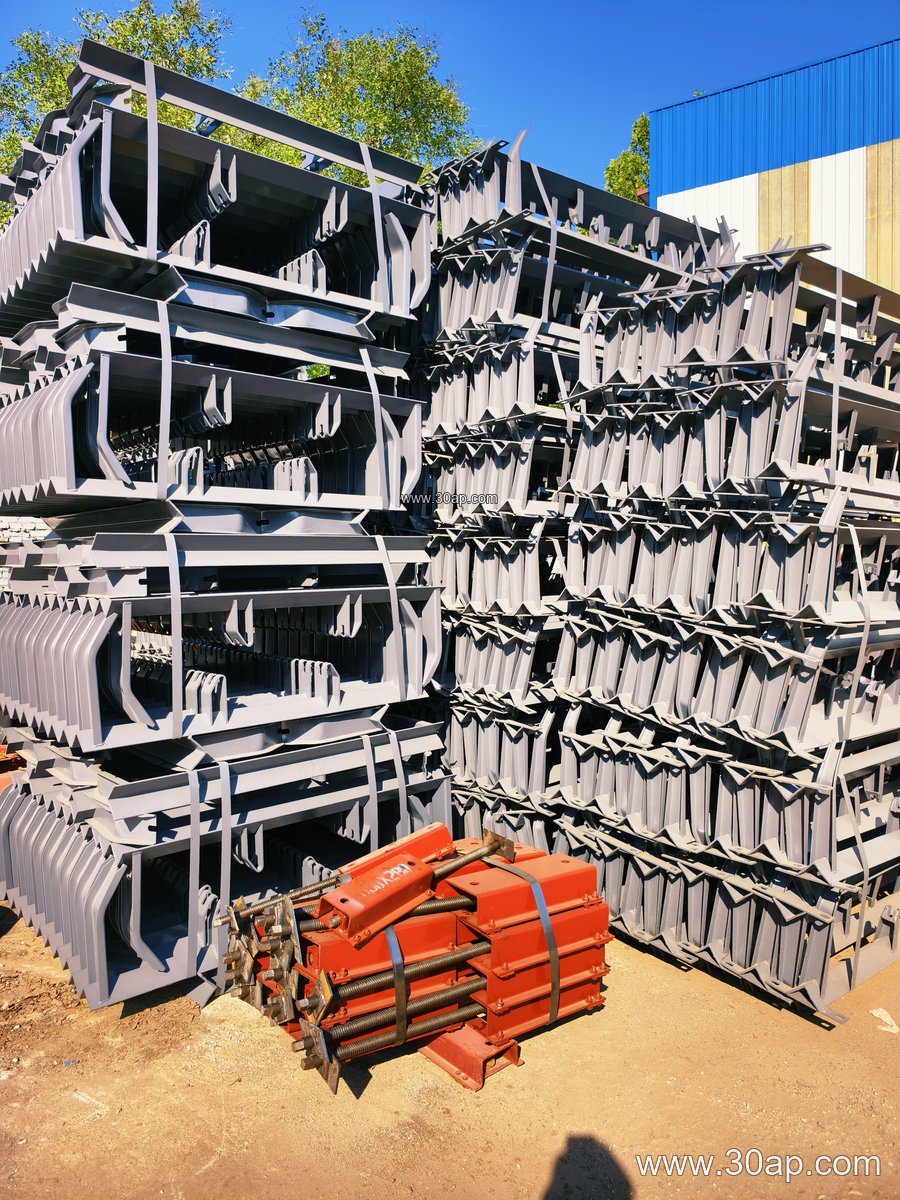
Key build details a buyer should confirm:
- Steel grade certificate for Q355, with plate or section thickness
- Welding quality at the corner joints and shaft seats
- Slot length and hole pitch, which change with belt width and trough angle
- Coating type for wet, dusty, or corrosive sites
Common Configurations and Reference Sizes
Bracket dimensions follow the conveyor design, so the table below shows typical reference combinations, not fixed rules. A given belt width can be paired with more than one trough angle or roller diameter.
| Belt width | Trough angle | Typical roller diameter | Bracket type |
|---|---|---|---|
| B500 | 20° / 30° | Ø89 | Troughing, return |
| B650 | 30° / 35° | Ø89 / Ø108 | Troughing, transition |
| B800 | 30° / 35° / 45° | Ø108 / Ø133 | Troughing, impact, adjustable |
| B1000 | 35° / 45° | Ø108 / Ø133 / Ø159 | Troughing, V-return |
| B1200 | 35° / 45° | Ø133 / Ø159 | Troughing, self-aligning |
| B1400 | 35° / 45° | Ø159 / Ø194 | Heavy troughing, return |
| B1600–B2000 | 35° / 45° | Ø159 / Ø194 | Heavy-duty troughing |
Adjustable brackets allow the trough angle to be changed between positions such as 20°, 30°, 35°, and 45°, which helps when a line carries different materials. Forward-leaning brackets are usually set at about 1.5° to 2° to help center the belt. Mounting hole spacing and crossbeam length are determined by the belt width and trough angle, so they should be confirmed on the drawing rather than assumed.
Where It Fits in the Conveying Line
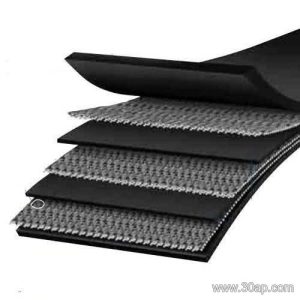
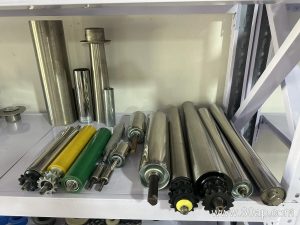
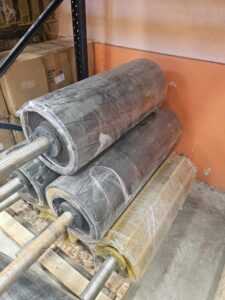
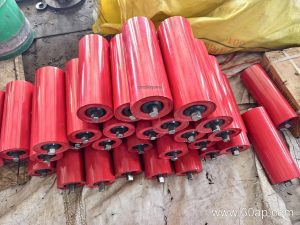
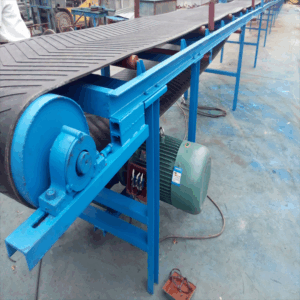
These brackets appear wherever a belt needs steady roller support. In a coal washing plant they sit under a flame retardant conveyor belt on the main haulage line. In a limestone quarry or a crushing and screening circuit they carry the load after the crusher, where a heavy-duty mining conveyor belt and impact-resistant rollers take the shock. In a power plant coal yard, they support the belt through transfer points and long inclines. The bracket works together with the idler roller, the conveyor pulley at the drive and tail ends, and the belt itself; each part has its own job and they are not interchangeable.
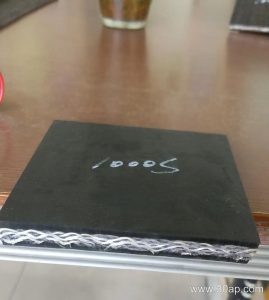
For abrasive ore duties, a bracket paired with an abrasion resistant conveyor belt and well-sealed rollers lasts longer in dusty conditions. In food or fertilizer handling, a clean, well-coated bracket reduces material buildup.
Buyer Checklist
- Match the bracket to belt width, trough angle, and roller diameter as a set, not one value alone
- Ask for the drawing showing hole pitch, slot size, and overall height
- Confirm Q355 grade and steel thickness before ordering
- Choose adjustable brackets if the line may run different materials
- Check coating against the site: washdown, humidity, or fine dust
- Inspect welds and shaft seats on arrival, and re-check bolt torque after the first week of running
Related components such as the conveyor pulley, idler roller, and EP conveyor belt should be specified together with the bracket so the whole support system lines up. A bracket that is right for one belt width and trough angle may not suit another, so always order against the actual conveyor drawing.