What an Aggregate Conveyor Idler Does on a Belt Line
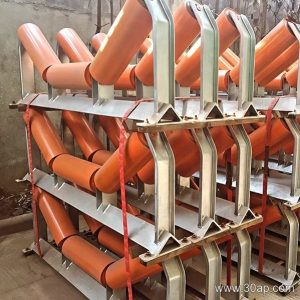
An aggregate conveyor idler is the rotating support that carries the conveyor belt and its load along the length of a conveyor. In a sand and gravel plant, these idlers are usually arranged in groups of two or three rolls to form a trough that keeps material centered on the belt. The idler roller itself is a simple component, but its condition affects belt tracking, energy use, and the life of the conveyor belt. When an idler seizes or wears unevenly, the belt can drift, edge damage can start, and spillage increases.
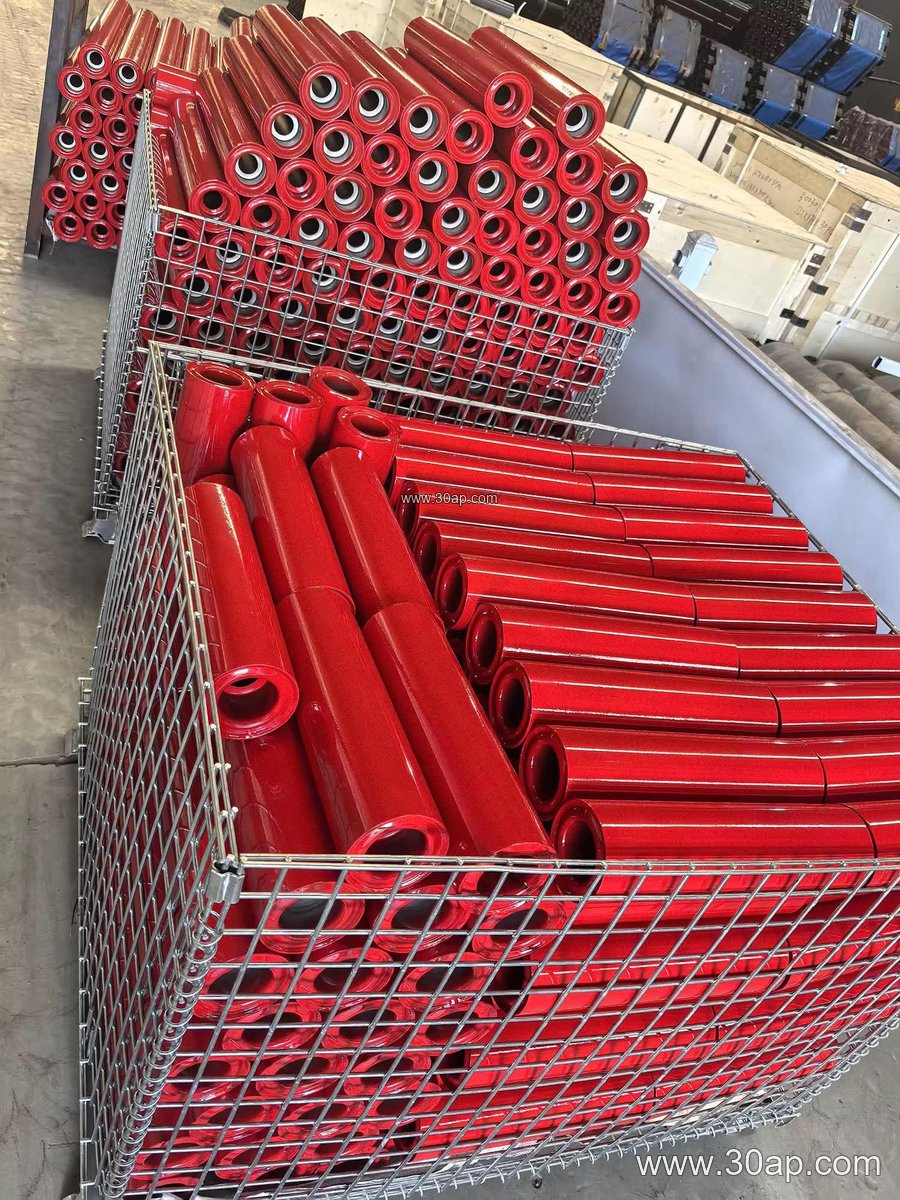
How the Idler Is Built
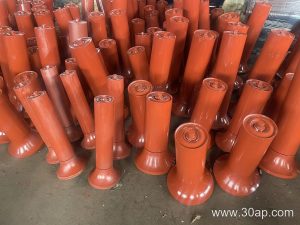
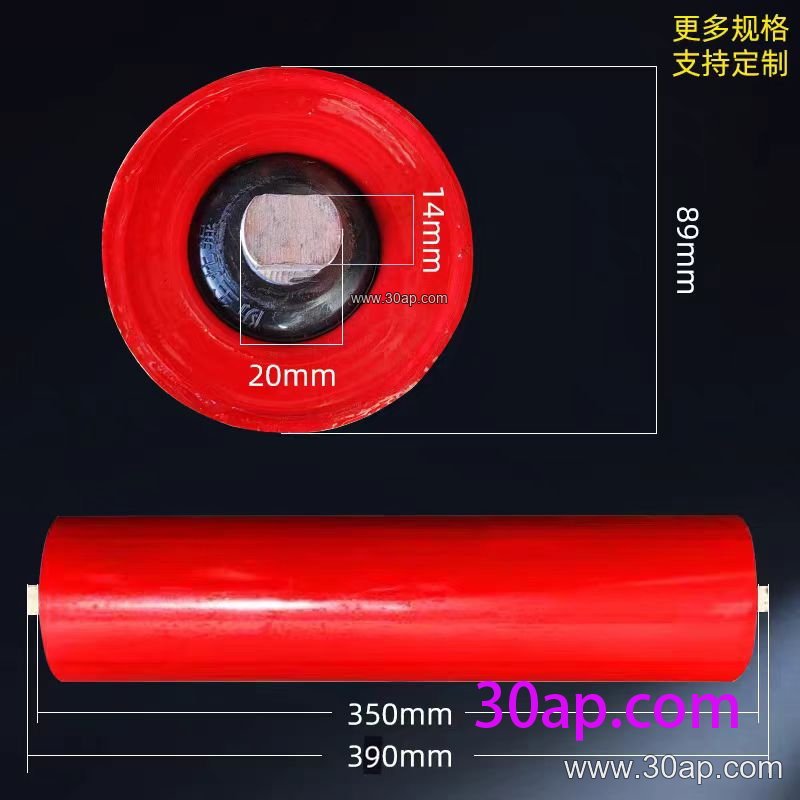
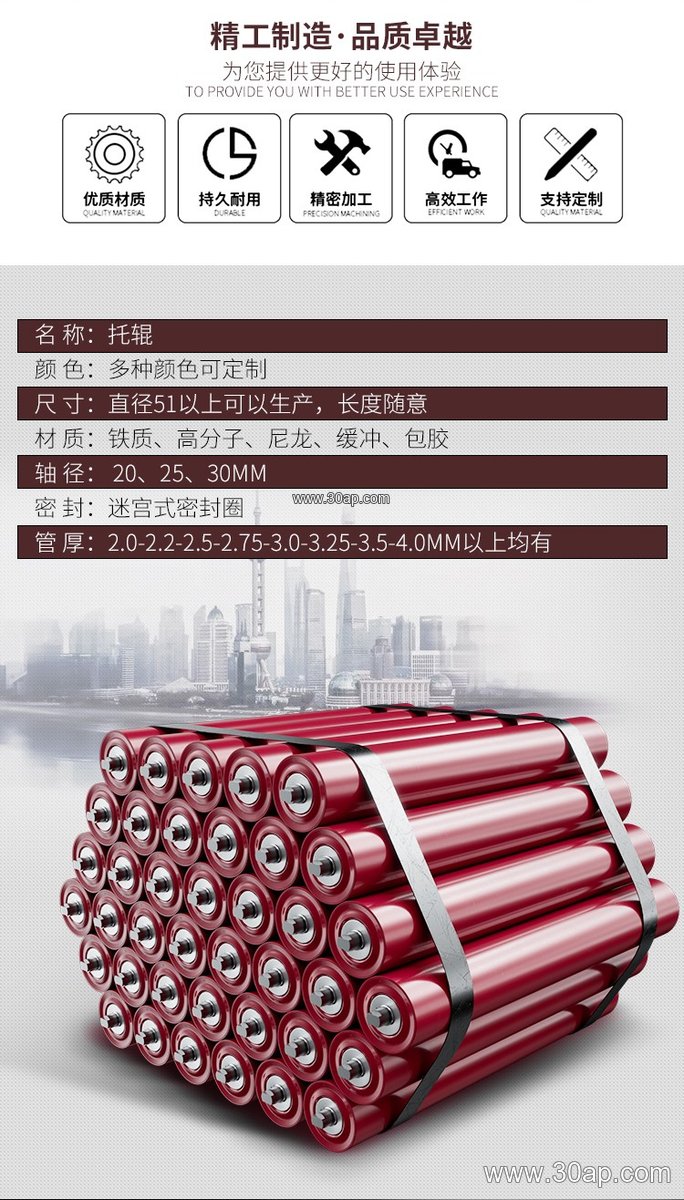
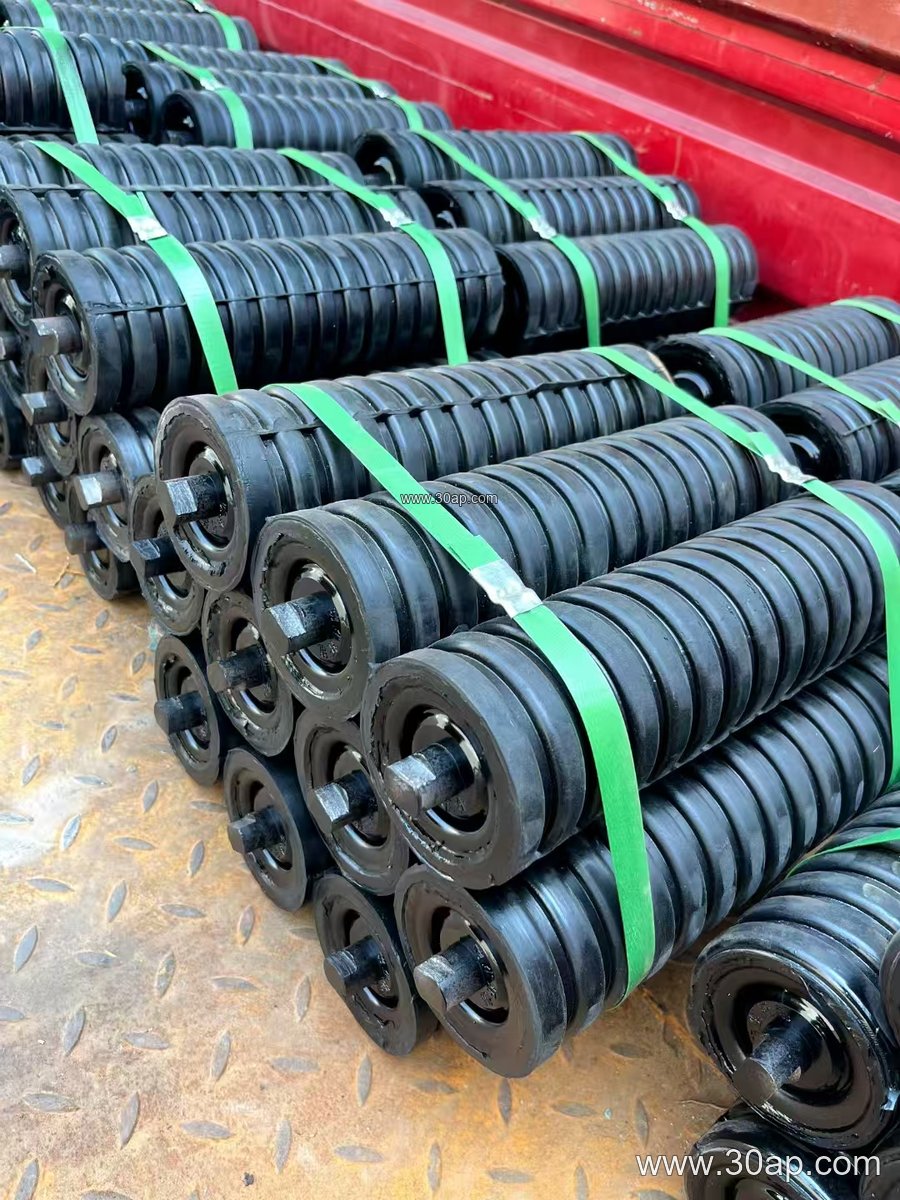
A typical aggregate conveyor idler uses a steel tube shell, welded end discs, a through shaft, and sealed ball bearings. The bearing housing and labyrinth seal are critical because fine aggregate dust and wash water are common in quarry and sand plant conditions. Common bearing sizes include 6204, 6205, 6305, 6306, 6308, and 6310, but the bearing is selected together with the roll diameter and load, not by belt width alone. Roll diameters commonly range from Ø63 to Ø219 mm depending on the conveyor duty and belt width. The roll surface may be plain steel, nylon, ceramic, or rubber rings; rubber rings are often used on impact idlers where material drops onto the belt.
Where It Fits in an Aggregate Plant
These idlers appear on crusher discharge belts, screen feed and return conveyors, stockpile conveyors, and transfer points. In a sand and gravel line, a three-roll troughing set is common on the carrying side, while a flat or V-return idler supports the belt on the return run. At a transfer point, impact idlers with rubber rings help absorb the drop energy from a crusher or screen. Self-aligning idlers are sometimes used on long runs to correct minor belt drift. For wider belts, such as 1200mm or 1400mm aggregate conveyor belt systems, the idler set must match the trough angle and belt load, and the roll length is determined by the belt width, trough angle, and roll arrangement rather than a single fixed rule.
Common Sizes and Arrangements
The table below gives reference examples, not mandatory combinations. Final dimensions should be confirmed with the conveyor design.
| Item | Common reference values |
|---|---|
| Belt width | B400, B500, B650, B800, B1000, B1200, B1400, B1600, B1800, B2000 |
| Roll diameter | Ø63, Ø76, Ø89, Ø102, Ø108, Ø127, Ø133, Ø159, Ø178, Ø194, Ø219 mm |
| Trough angle | 20°, 30°, 35°, 45° |
| Idler set | single roll, two-roll, three-roll troughing |
| Roll length example for three-roll trough | B500 about 200 mm, B650 about 250 mm, B800 about 315 mm, B1000 about 380 mm, B1200 about 465 mm, B1400 about 530 mm, B1600 about 600 mm |
| Bearing examples | 6204, 6205, 6305, 6306, 6308, 6310 |
Note that side rolls and center rolls can differ in length, and a given belt width does not lock the pulley or shaft diameter to one value. Shaft size depends on the load and the idler frame design. For abrasive rock and ore, an abrasion resistant conveyor belt is often paired with well-sealed idlers to reduce maintenance. In coal mining or underground mining conveyor systems, flame retardant and anti-static belt grades may be required, and idler selection should follow the same dust and moisture considerations.
What a Buyer Should Check
- Confirm the belt width and trough angle before choosing the idler set; a 30° and a 45° trough do not use the same roll geometry.
- Check the bearing seal type for dust and water exposure, especially in wash plants and quarry screening areas.
- Match the roll diameter to the belt speed and load; larger rolls usually run cooler but need more frame space.
- For impact zones, specify rubber-ring impact idlers rather than standard troughing rolls.
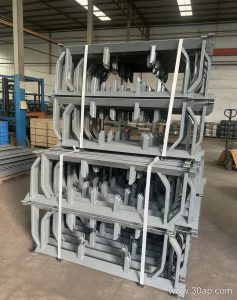
- Ask for the shaft diameter and frame dimensions, not only the roll diameter, because the bracket and frame must fit the conveyor structure.
- Keep spare idler rollers and conveyor brackets consistent with the installed frame to avoid mismatched replacements.
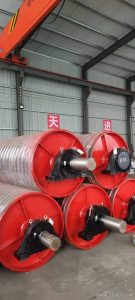
For related conveyor components, see conveyor idler, conveyor belt, and conveyor pulley references. A well-matched idler set helps protect the belt and keeps the aggregate line running with fewer stoppages.