What Is a Port Conveyor Belt
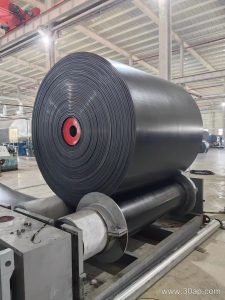
A port conveyor belt is the heavy-duty carrying component of a bulk material handling system in ports, terminals, and large stockyards. It moves coal, iron ore, cement clinker, sand, gravel, grain, and other loose cargo between ship unloaders, stackers, reclaimers, storage yards, and loading points. In this environment, the belt works under high tension, abrasive loads, variable weather, and continuous duty. The belt is only one part of the conveyor, but it is the part that directly contacts the cargo and determines much of the system’s reliability.
In practice, the same product is often called a port conveyor belt or a heavy-duty conveyor belt for port applications. Both terms describe the same belt construction: a reinforced carcass covered with rubber or polymer layers, selected for the specific cargo and operating conditions.
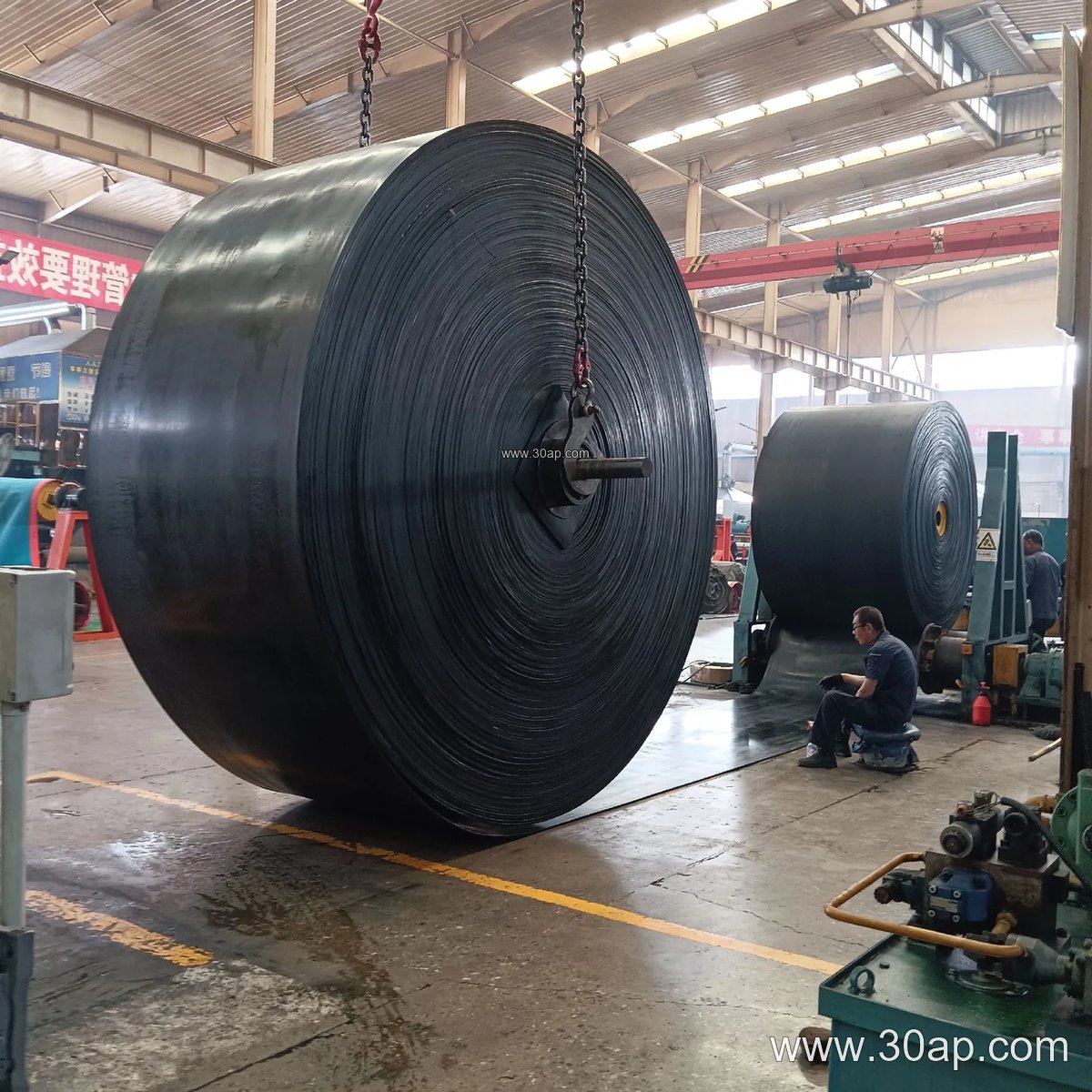
Construction and Main Components
A port conveyor belt is built around a tension-bearing carcass. Common carcass options include EP fabric (polyester warp, nylon weft), NN nylon fabric, and steel cord. The carcass is protected by top and bottom cover rubber. Cover thickness is usually expressed as top plus bottom, such as 4+2 mm or 6+2 mm. The cover compound may be formulated for abrasion resistance, heat, oil, flame retardancy, antistatic behavior, or cold climate service, depending on the cargo and the port location.
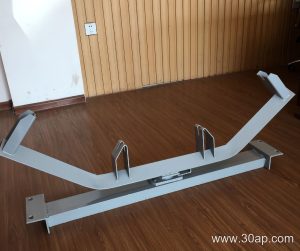
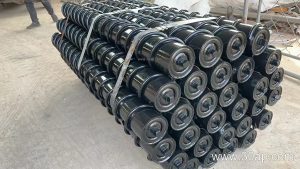
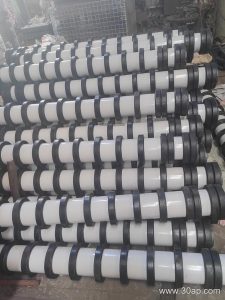
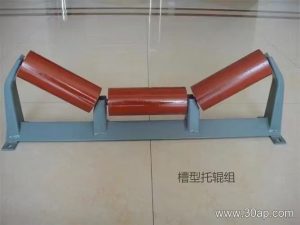
The belt runs over a conveyor pulley at the head and tail, supported by idler rollers along the carrying and return sides. Conveyor brackets hold the idlers and pulleys in alignment. Drive pulleys transmit power, tail pulleys provide tension and direction change, and bend pulleys route the belt in take-up systems. These pulley types are not interchangeable; each has a specific role. A well-matched belt, pulley, and idler set reduces edge damage, mistracking, and premature cover wear.
Common Types and Parameters
Port conveyor belts are selected from several constructions. The table below shows typical reference values; actual supply depends on the conveyor design and the manufacturer’s data.
| Parameter | Common reference range | Notes |
|---|---|---|
| Belt type | EP, NN nylon, steel cord, PVC, PVG | Steel cord for long distances and high tension; EP and NN for general bulk duty |
| Tensile strength (EP) | EP200 to EP2000 | Higher grades for higher tension and longer conveyors |
| Belt width | B500 to B2000 | Width selected by capacity, lump size, and conveyor geometry |
| Cover thickness | 3+1.5, 4+2, 5+2, 6+2, 8+3 mm | Thicker covers for abrasive ores and sharp materials |
| Carcass layers | 2 to 6 layers | Fabric belts; steel cord belts use a different construction |
| Special properties | Abrasion, heat, oil, flame, antistatic, cold, acid and alkali resistance | Selected by cargo and port environment |
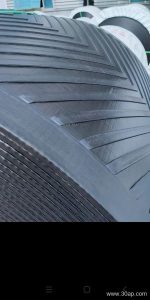
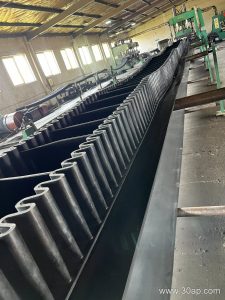
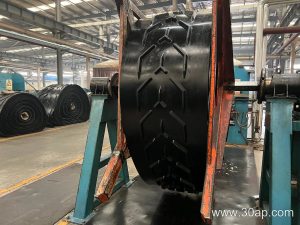
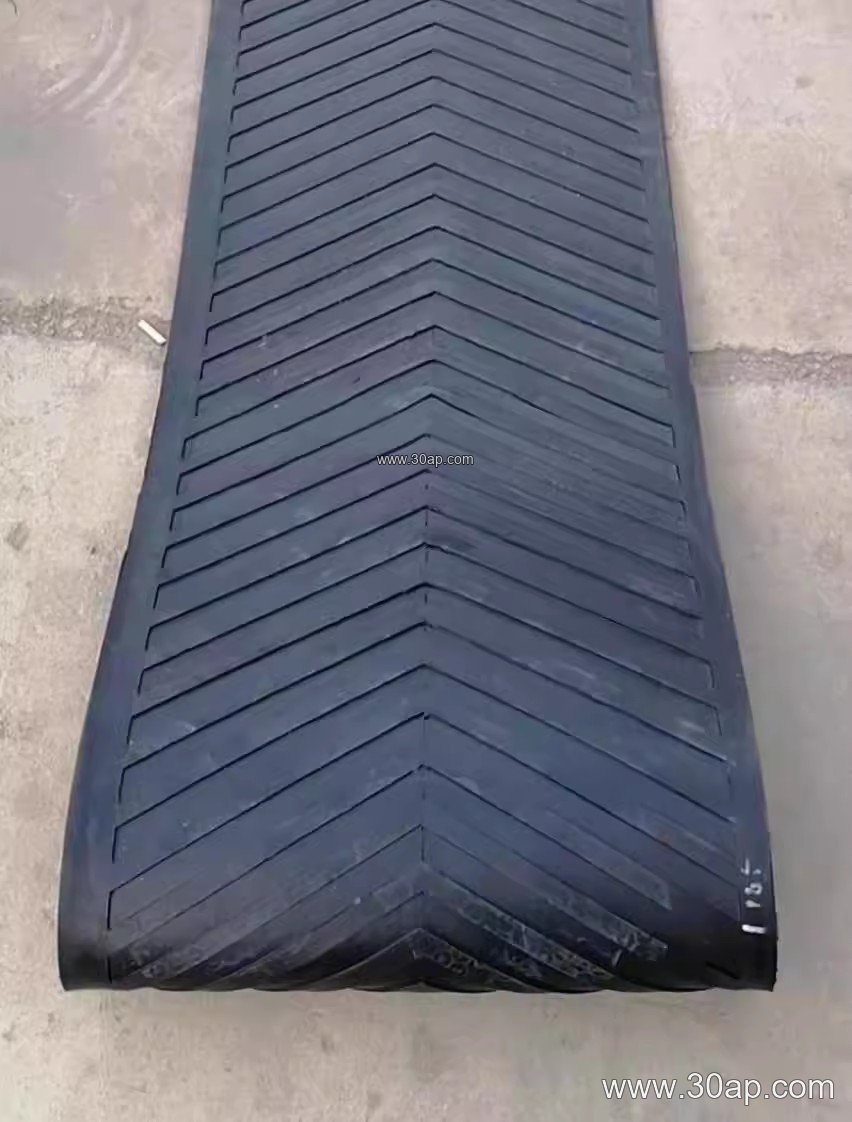
| Surface forms | Smooth, patterned, chevron, corrugated sidewall | Patterned and chevron belts help on inclines; sidewall belts contain material |
These values are reference data, not universal specifications. A belt width does not dictate a single pulley diameter, and shaft size must be calculated from the actual conveyor design, not from belt width alone.
Where Port Conveyor Belts Are Used
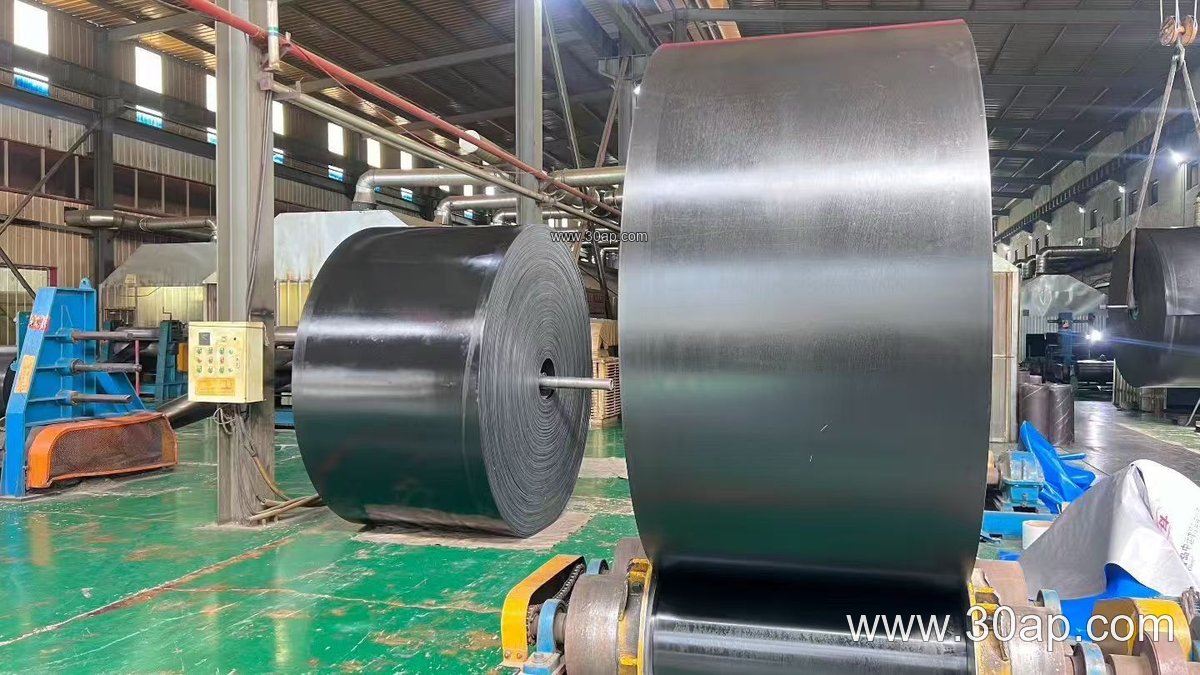
Port conveyor belts serve ship loading and unloading, yard stacking and reclaiming, train and truck loading, and transfer between storage areas. They are common in coal terminals, iron ore and mineral ports, cement and clinker facilities, power plant coal yards, sand and gravel depots, and grain terminals. In these industries, the belt may encounter sharp lump ore, wet and sticky cargo, dust, salt air, and temperature extremes. The same belt product family also appears in矿山, 煤矿, 水泥厂, 电厂, and 砂石料厂 operations where heavy bulk conveying is required.
Buyer Checklist
- Define the cargo: lump size, abrasion, moisture, oil content, and temperature.
- Confirm the conveyor duty: capacity, lift, length, and starting and stopping conditions.
- Select the carcass and cover grade with the conveyor designer, not by belt width alone.
- Check pulley and idler compatibility, including drive, tail, and bend pulley arrangement.
- Specify required properties such as flame retardancy, antistatic behavior, or cold resistance only when the site needs them.
- Ask for the manufacturer’s actual data sheet for the proposed belt, including cover thickness, carcass layers, and splice method.
A port conveyor belt is a long-term investment in material flow. Matching the belt construction to the cargo, climate, and conveyor layout is more important than choosing a single headline number. With correct selection and maintenance, the belt supports steady handling from the ship to the stockyard and back again.