What a Conveyor Bracket Actually Does
A conveyor bracket is the structural part that holds an idler roller or a conveyor pulley in place on a belt conveyor frame. In most procurement requests, the term refers to the fabricated steel support that carries the carrying-side or return-side idlers, sets the trough angle of the conveyor belt, and transfers the load into the stringer or main frame. Buyers in a coal preparation plant, a limestone quarry, or a power station coal yard often order these parts alongside the idler roller and conveyor pulley packages, but the bracket itself is a separate line item with its own drawings, hole spacing, and material grade.
The bracket is not a wear part in the same sense as the belt, yet it decides how evenly the belt sits, how the rollers run, and how quickly a misaligned frame shows up as edge damage. That is why the purchasing file should describe the support position, not only a part number.
Construction and Common Materials
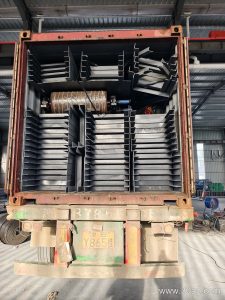
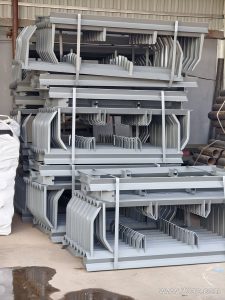
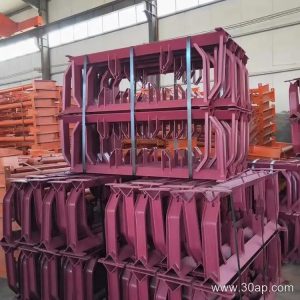
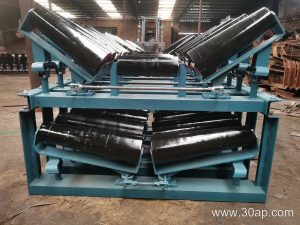
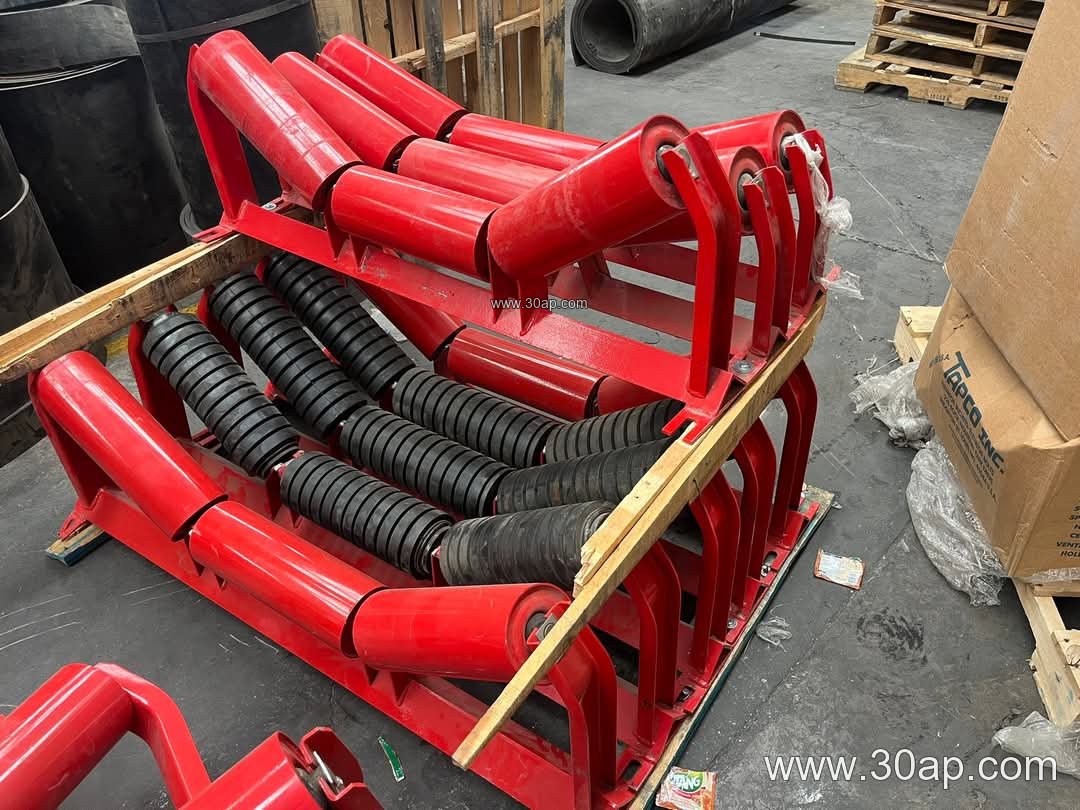
Fabricators usually build these supports from angle steel, channel steel, or folded steel plate, welded and then drilled or punched for the idler shaft. A typical troughing station has two or three bracket segments that together form the trough, while a return station uses a simpler flat or V-shaped support. Surface treatment matters in wet or dusty service, so buyers should state the finish they expect rather than assume a default.
- Angle steel frames for light and medium duty lines
- Channel steel crossbeams for wider belts and heavier loads
- Folded plate brackets for compact, stiff shapes
- Bolted or welded connections, fixed or adjustable design
Where These Supports Are Used
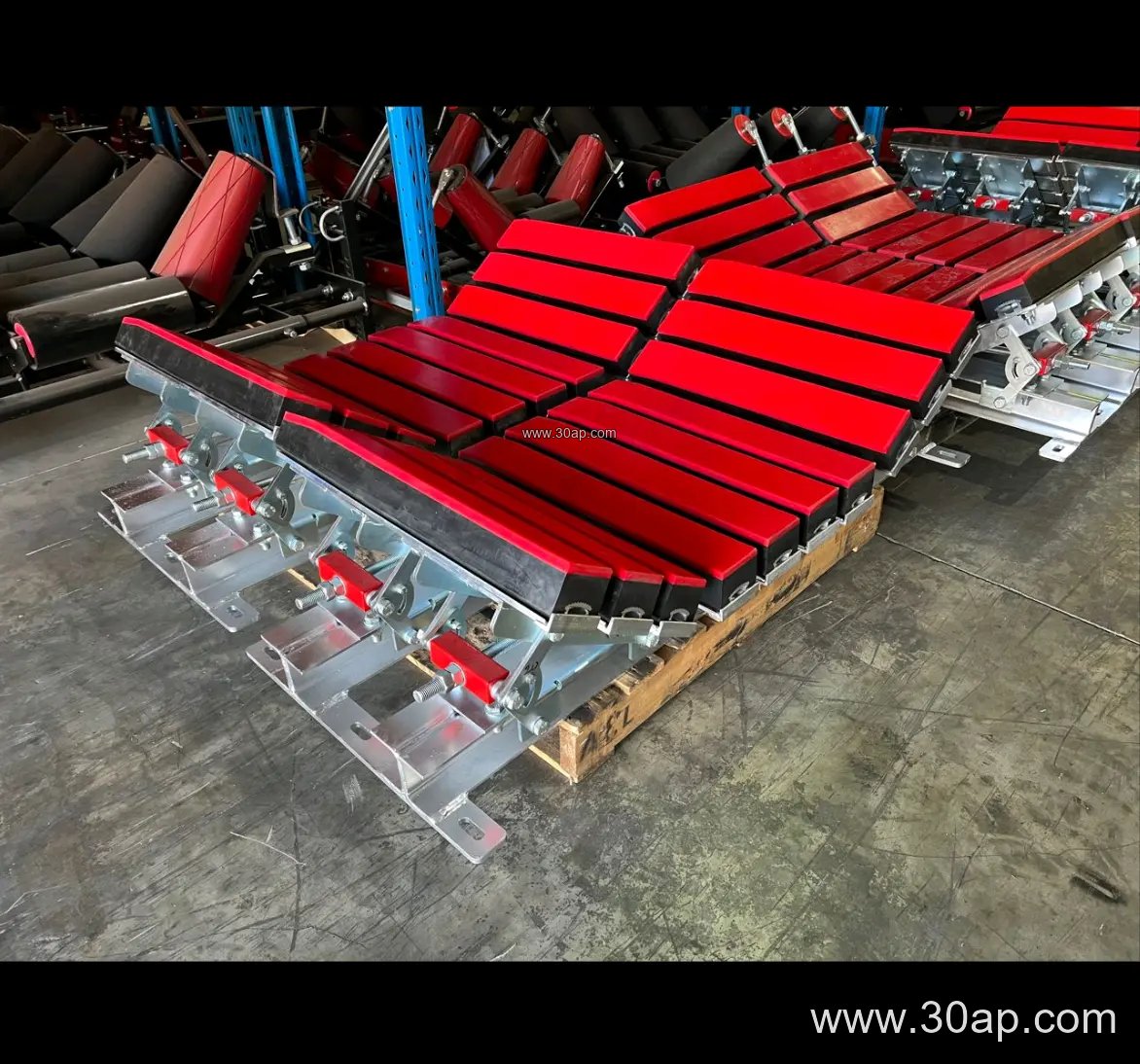
Bulk handling lines depend on a steady support pitch. In a crushing and screening circuit, troughing brackets keep the conveyor belt in a stable profile right after the discharge point, while impact brackets with rubber rings absorb lump impact. In a cement plant or a fertilizer granulation line, sealed idler rollers and well-aligned brackets reduce spillage. In tunnel muck removal or a port stockyard, adjustable brackets help correct frame twist after installation. The same hardware appears on stacker and reclaimer booms and on short transfer conveyors between silos.
Matching the Bracket to the Roller
The bracket must accept the shaft end of the idler roller it carries, so the roller diameter and the shaft fixing method belong in the same specification. Common roller diameters include Ø89, Ø108, Ø133, Ø159 and Ø194, and the bracket slot or clamp is sized to suit. A B800 line at 35 degrees may use Ø108 rollers, while a B1200 line at 45 degrees often runs Ø133 rollers, but these are design choices, not fixed rules. Belt width and trough angle change the crossbeam length and the mounting hole spacing, so those dimensions should be confirmed on the approved drawing for each station.
Types and Selection Points
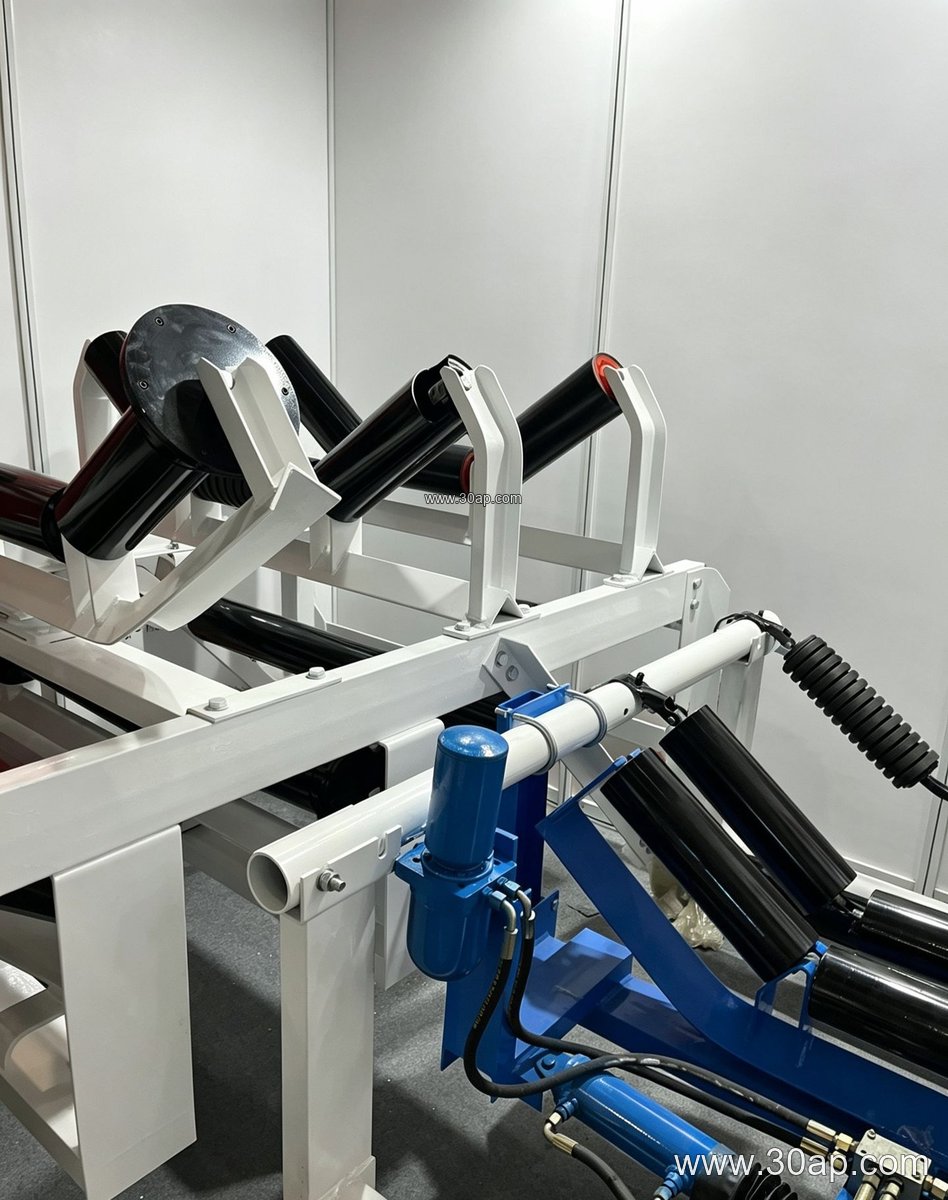
Selection starts with the station position. Carrying stations use troughing brackets, transition brackets near the head or tail, and self-aligning brackets on long runs. Return stations use flat or V-return supports, and buffer brackets are specified under loading points. Adjustable brackets allow the trough angle to be set among 20, 30, 35 and 45 degrees on site, which is useful when the belt profile is still being tuned. Forward-leaning brackets, usually around 1.5 to 2 degrees, are chosen where belt training is a concern. Suspended brackets suit frames that hang from a structure rather than sit on stringers.
| Parameter | Typical Options |
|---|---|
| Bracket type | Troughing, transition, return flat, V-return, buffer, self-aligning, forward-leaning, suspended, adjustable |
| Belt width | B500, B650, B800, B1000, B1200, B1400, B1600, B1800, B2000, B2200 |
| Trough angle | 20, 30, 35, 45 degrees; adjustable versions cover the range |
| Roller diameter | Ø89, Ø108, Ø133, Ø159, Ø194 |
| Material | Angle steel, channel steel, folded steel plate |
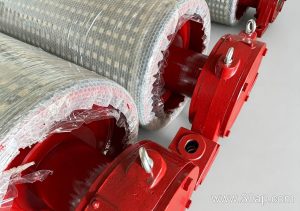
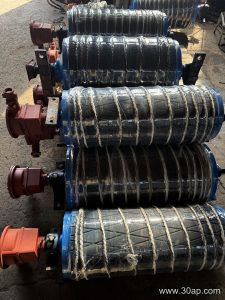
Drive, tail and bend pulleys are separate assemblies with their own bases and bearing housings, and they are not interchangeable with idler brackets. When a project also needs pulley supports, list them as a distinct item so the fabricator does not mix the drawings.
Procurement Checklist
A clear request shortens the review cycle. State the belt width, the trough angle, the roller diameter, the station position, and whether the bracket is fixed or adjustable. Attach a sketch or drawing reference for hole spacing and crossbeam length, since these follow the frame design rather than a universal table. Confirm the steel section and finish, the bolt grade, and the packing method for site delivery. For a coal mine or a sinter plant, add notes on dust and corrosion exposure so the coating choice is deliberate. Ask for dimensional inspection records rather than a general certificate claim, and agree on a sample check before the full batch ships.
Good conveyor bracket procurement is mostly about matching the support to the roller, the belt and the frame it bolts onto. Once those four items are written down, the rest of the order is straightforward.