What an Oil Resistant Conveyor Belt Is
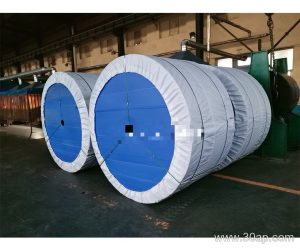
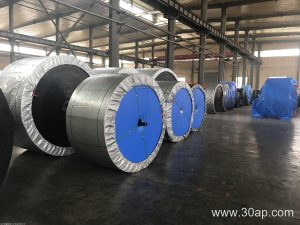
An oil resistant conveyor belt is a rubber conveyor belt designed to withstand contact with mineral oils, vegetable oils, animal fats, and oily process residues without excessive swelling, hardening, or cover cracking. In plants where conveyed material carries oil—such as oilseed processing, metal stamping, recycled material sorting, or coal preparation—a standard belt may soften and delaminate prematurely. The oil resistant conveyor belt uses a cover compound and sometimes a protective barrier layer that limit oil penetration into the carcass.
The same product is also called an oil-proof conveyor belt or oil-resistant rubber belt. These names refer to the same oil resistant conveyor belt, not to a different subtype. The belt remains a fabric- or steel-cord-reinforced conveyor belt; oil resistance is a property of its cover and construction, not a separate conveyor concept.
Construction and Compound Design
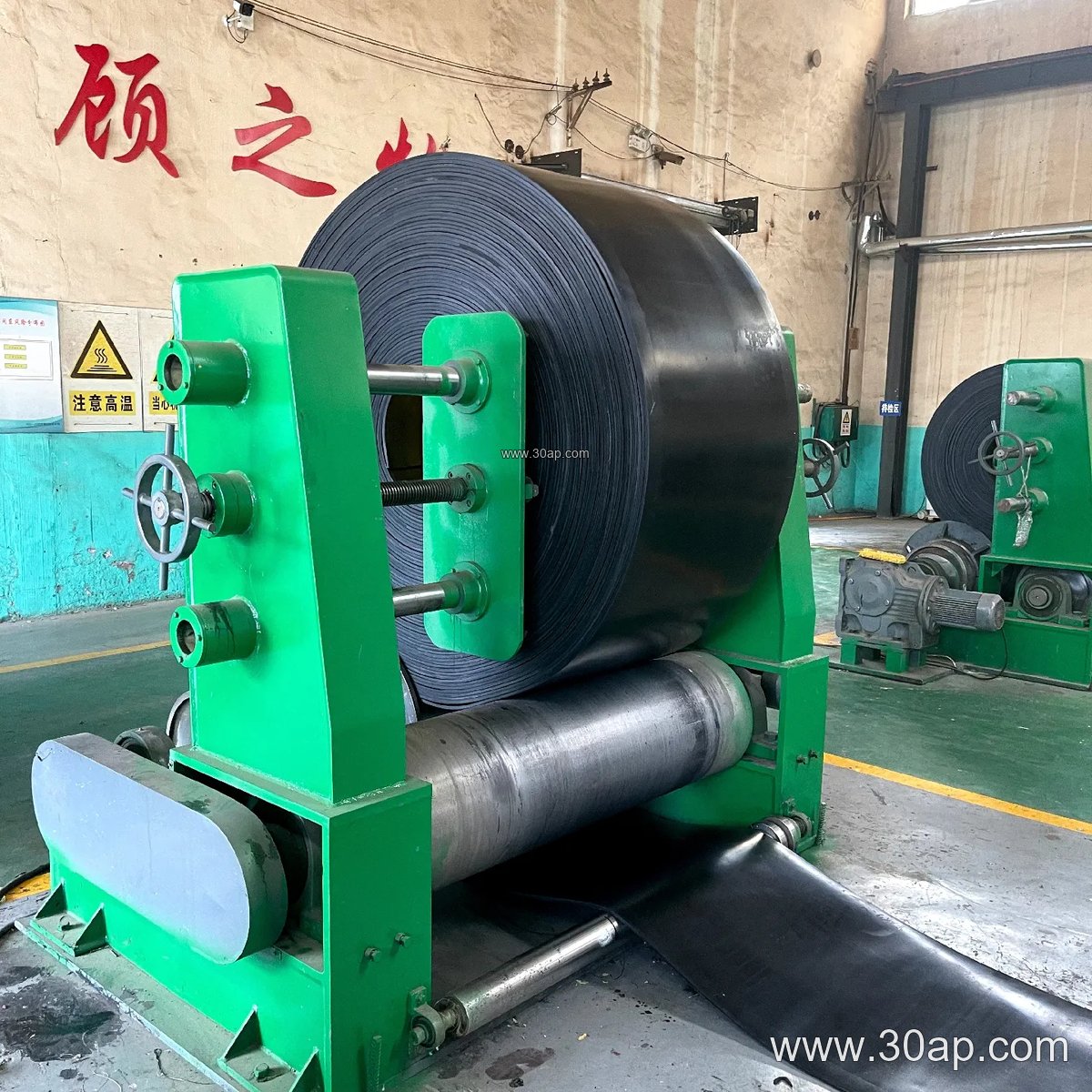
An oil resistant conveyor belt usually combines a rubber cover with a fabric carcass. The cover compound is based on nitrile rubber (NBR) or a blend selected for low oil absorption. A thin oil-barrier layer may sit between the cover and the carcass to slow oil migration. The carcass may be EP (polyester-cotton) or NN (nylon-nylon) fabric, with 2 to 6 plies common. Steel cord constructions are used for long, high-tension routes where oil resistance is also required.
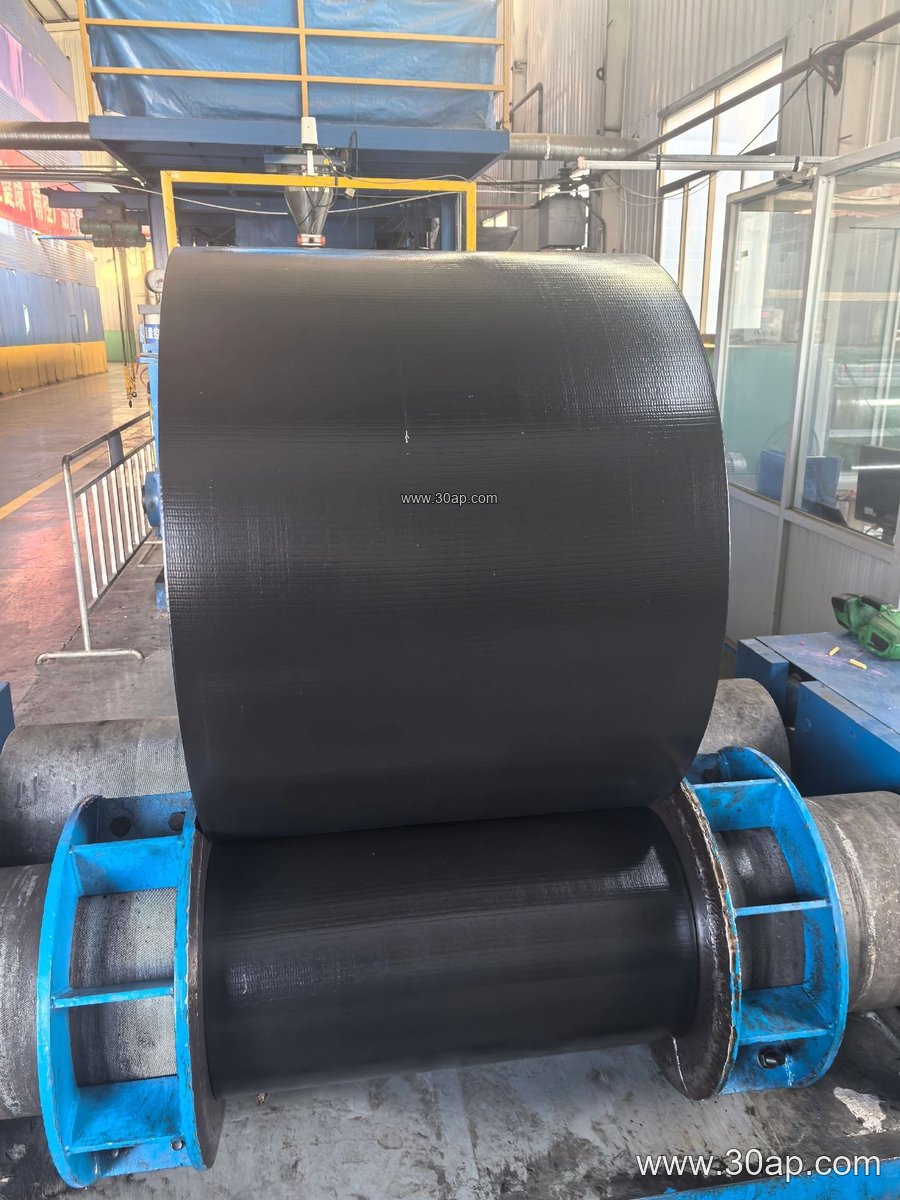
Cover thickness is often specified as top cover plus bottom cover, for example 4+2 mm, 5+2 mm, or 6+2 mm. The correct combination depends on abrasion severity, oil exposure, and pulley diameter. The belt edge and splice area also need oil-resistant treatment, because wicking at the splice can shorten service life even when the cover itself performs well.
Where Oil Resistance Matters
Oil resistant conveyor belts appear in oilseed crushing plants, edible oil refineries, waste sorting and recycling lines, metalworking scrap conveyors, and coal preparation plants where oily fines are present. In cement plants, oil-resistant belts may handle oily kiln dust or lubricant-contaminated material. In power plants, they can be found on fuel or ash handling routes where oil drips are possible. Sand and gravel operations may use them under equipment with grease or hydraulic oil leakage.
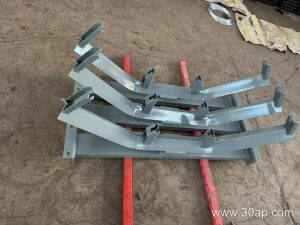
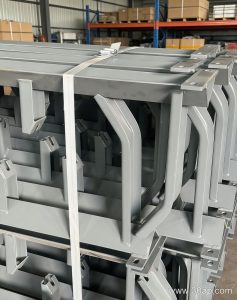
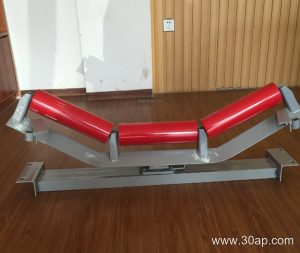
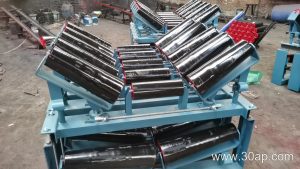
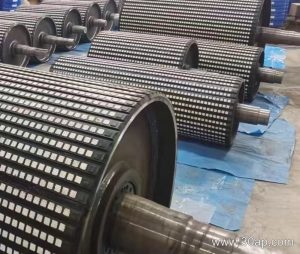
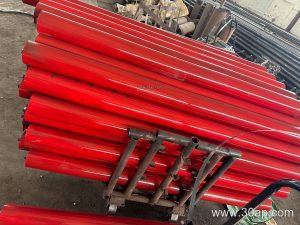
The belt must work with the full conveyor system. A conveyor pulley, idler roller, and conveyor bracket are selected for load and environment, and oil resistance on the belt does not remove the need for proper pulley lagging or roller sealing. Drive pulleys, tail pulleys, and bend pulleys each have distinct roles and are not interchangeable. If oil is present, pulley lagging and roller seals should also be oil compatible.
Common Specifications and Reference Data
Buyers often compare oil resistant conveyor belts by strength grade, width, cover thickness, and carcass construction. The values below are common reference ranges, not fixed universal specifications; actual supply depends on the manufacturer and the application.
| Parameter | Common reference values |
|---|---|
| Strength grade | EP200, EP315, EP400, EP500, EP630, EP800, EP1000, EP1250, EP1600, EP2000 |
| Belt width | B500, B650, B800, B1000, B1200, B1400, B1600, B1800, B2000 |
| Cover thickness | 3+1.5 mm, 4+2 mm, 5+2 mm, 6+2 mm, 8+3 mm |
| Carcass plies | 2 to 6 layers typical |
| Type options | EP, NN nylon, steel cord; oil resistant cover grades |
Width and pulley diameter are matched by conveyor design, not by a single rule. A B800 belt may run on different pulley diameters depending on tension, splice type, and conveyor profile. Do not assume a fixed shaft diameter from belt width alone.
Selection and Maintenance Notes
- Identify the oil type and exposure level: mineral oil, vegetable oil, grease, or solvent-contaminated material behave differently.
- Check cover hardness and oil absorption data from the belt supplier rather than relying on a generic oil resistant label.
- Confirm splice compatibility. An oil resistant cover does not automatically make a mechanical splice oil resistant.
- Inspect the belt for swelling, cover softening, and edge separation. Early detection prevents carcass damage.
- Keep idler rollers turning freely and check conveyor brackets for alignment, because oil-related buildup can cause tracking problems.
- Store belts away from oil, grease, and direct sunlight before installation.
An oil resistant conveyor belt is a targeted solution, not a universal belt. Where oil exposure is light, a standard abrasion-resistant belt may be adequate; where exposure is heavy and continuous, a dedicated oil resistant compound with a barrier layer is the safer choice. Matching the belt to the actual oil condition, conveyor layout, and pulley arrangement is the most reliable way to avoid premature failure.