What the Main Drive Pulley Does
The main drive pulley is the powered drum at the head of a belt conveyor that turns the conveyor belt and moves the load. Torque from the gearbox or motor enters through the shaft, friction between the drum surface and the belt cover transmits the pull, and the belt carries material toward the discharge point. In a quarry, a coal washing plant, or a cement clinker line, this head drum is usually the largest and most heavily loaded pulley in the system. Other drums, such as the tail pulley or a bend pulley, guide or tension the belt but do not drive it, so they cannot be swapped for the drive pulley.
The same component is often called the head pulley or drive drum. Whatever name is used, it refers to the powered pulley that delivers the driving force, not to a tail, bend, or take-up drum.
How It Is Built
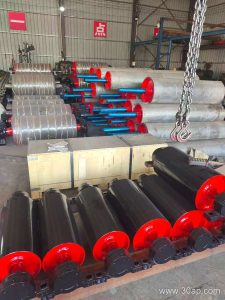
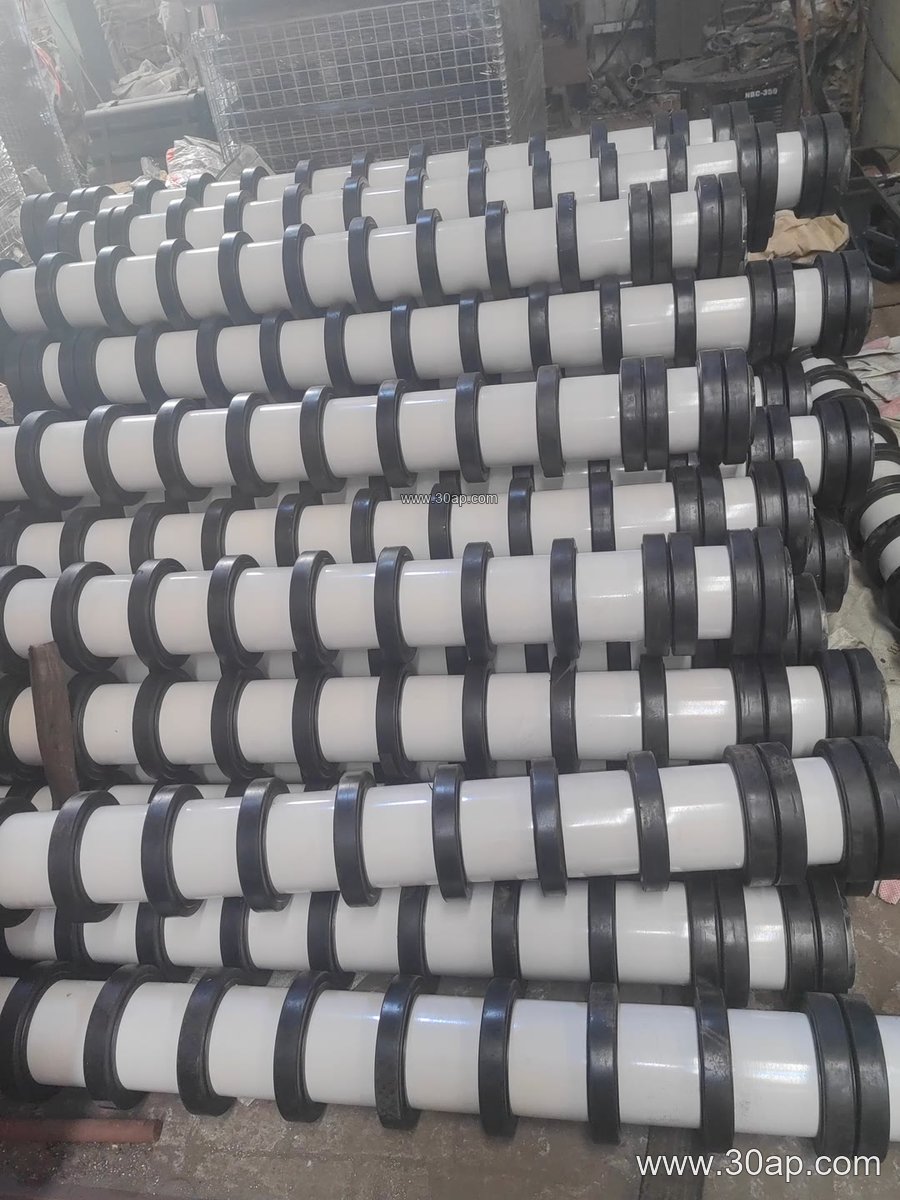
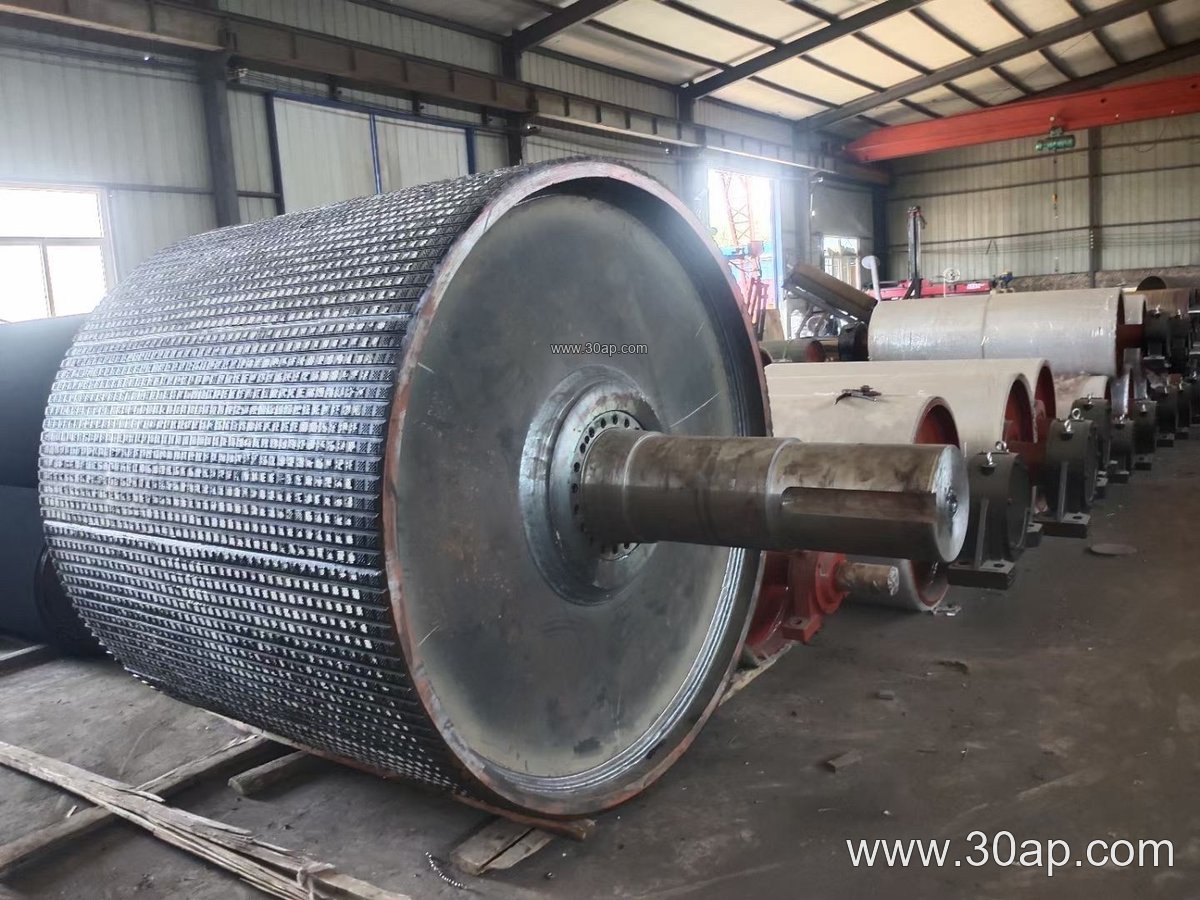
A typical drive pulley combines a cylindrical shell, two end discs, a shaft, and a lagging or rubber cover on the face. The shell is usually welded steel; the shaft is machined to fit bearings and a coupling or gearbox output. Locking assemblies or keyed hubs connect the shell to the shaft. Larger units may use a welded hub and disc structure to handle high torque without distortion.
The surface form matters for grip. Plain faces suit some light duties, while cast rubber, cold-bonded rubber, hot-vulcanized rubber, diamond pattern, herringbone, and ceramic lagging improve friction in wet or dusty conditions. Lagging thickness commonly runs 8, 10, 12, 15, or 20 mm, chosen by duty rather than by habit.
Common Reference Dimensions
Drive pulleys are usually specified by belt width, drum diameter, face width, shaft diameter, and lagging type. The table below gives common reference values; actual sizes are set by the conveyor design, torque, and belt tension.
| Belt width | Typical face width | Common drum diameters | Common shaft diameters |
|---|---|---|---|
| B400 | approx. 500 mm | Ø200, Ø250, Ø315 | Ø50, Ø60, Ø70 |
| B500 | approx. 600 mm | Ø250, Ø315, Ø400 | Ø60, Ø70, Ø80 |
| B650 | approx. 750 mm | Ø315, Ø400, Ø500 | Ø70, Ø80, Ø90 |
| B800 | approx. 950 mm | Ø400, Ø500, Ø630 | Ø80, Ø90, Ø100 |
| B1000 | approx. 1150 mm | Ø500, Ø630, Ø800 | Ø90, Ø100, Ø120 |
| B1200 | approx. 1400 mm | Ø630, Ø800, Ø1000 | Ø100, Ø120, Ø140 |
| B1400 | approx. 1600 mm | Ø800, Ø1000, Ø1250 | Ø120, Ø140, Ø160 |
| B1600 | approx. 1800 mm | Ø1000, Ø1250, Ø1400 | Ø140, Ø160, Ø180 |
| B1800 | approx. 2000 mm | Ø1250, Ø1400, Ø1600 | Ø160, Ø180, Ø200 |
These values are examples, not fixed pairings. A B800 belt may run on a Ø500 drum in one plant and a Ø630 drum in another with a different belt speed and wrap angle. Shaft size follows torque and bearing load, so it should never be guessed from belt width alone.
Where It Fits in the Plant
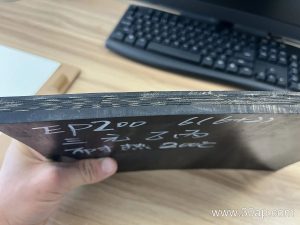
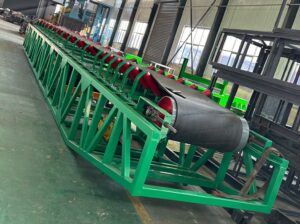
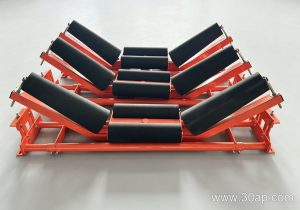
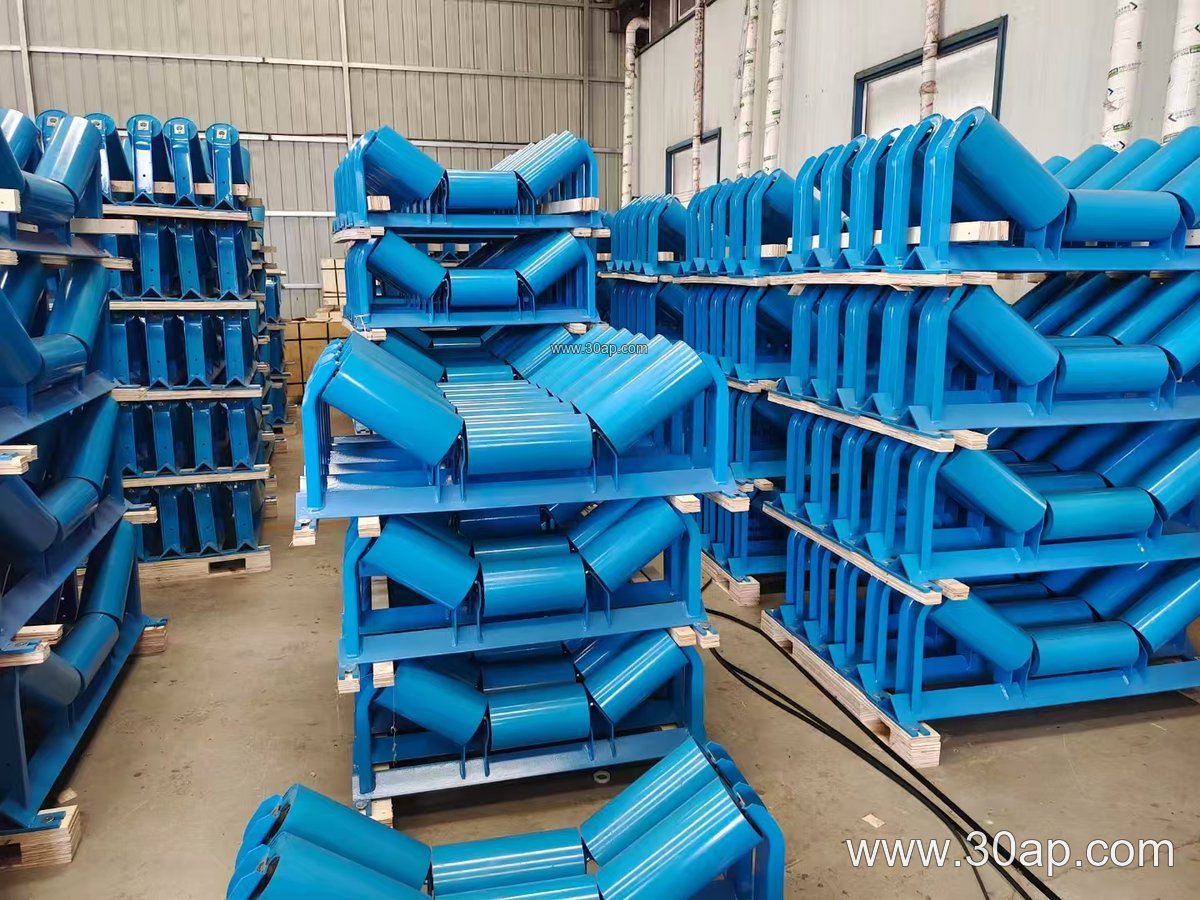
In a limestone mine or aggregate crushing circuit, the main drive pulley sits at the head of the primary discharge conveyor, often working with a conveyor belt that carries coarse rock and a set of idler rollers that support the strand. In a power plant coal yard, the same drum drives the belt that feeds the bunker, and lagging choice becomes important because coal dust and moisture reduce friction. A cement plant may use a ceramic-lagged head drum on a clinker belt where abrasive fines are present.
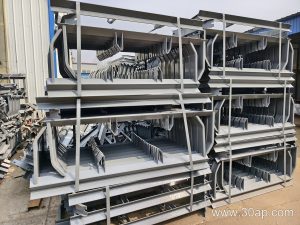
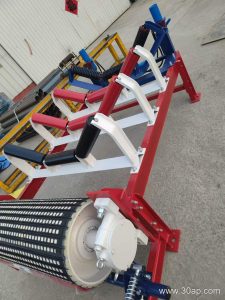
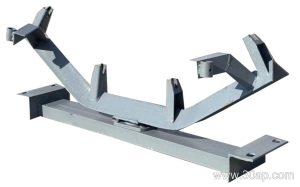
The pulley is mounted on a conveyor bracket or frame at the head station, with bearings on both sides and a take-up or tensioning arrangement nearby. Alignment with the gearbox and the belt line affects how long the lagging and bearings last.
Buyer Checklist
- Confirm the belt width, drum diameter, face width, and shaft diameter against the conveyor drawing.
- State the lagging type and thickness, for example diamond rubber at 12 mm or ceramic at 15 mm.
- Describe the material and environment: wet, dusty, abrasive, or high-temperature.
- Check that the shaft and hub connection matches the gearbox or coupling.
- Ask for balancing and runout details if the drum will run at higher belt speeds.
- Plan for inspection of lagging wear and bearing condition, since a worn drive surface reduces grip and can slip.
A well-matched main drive pulley keeps the conveyor belt moving smoothly and reduces strain on the idler rollers, brackets, and frame. Matching the drum to the actual duty, rather than copying a size from another line, is the practical way to avoid slip and premature wear.