What a Conveyor System Idler Does on the Line
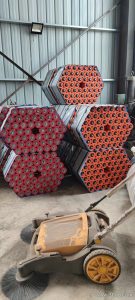
A conveyor system idler is the rotating support that carries the conveyor belt along its run. In practice, the idler roller is the component that holds the belt at the right profile, absorbs the load of the material, and keeps friction low so the drive can move the belt without wasting power. Idlers appear on the carrying side, where the belt is loaded, and on the return side, where the belt runs empty. They are one of the most numerous parts on any conveyor, so their condition has a direct effect on belt life and on the amount of maintenance a plant needs.
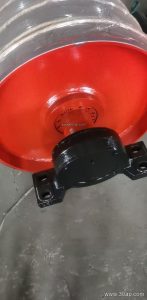
The idler is not the same as a conveyor pulley. Drive, tail, and bend pulleys transmit power and change belt direction; an idler only supports and shapes the belt. Mixing the two terms creates confusion in spare-part orders and in maintenance planning, so it is worth keeping the distinction clear.
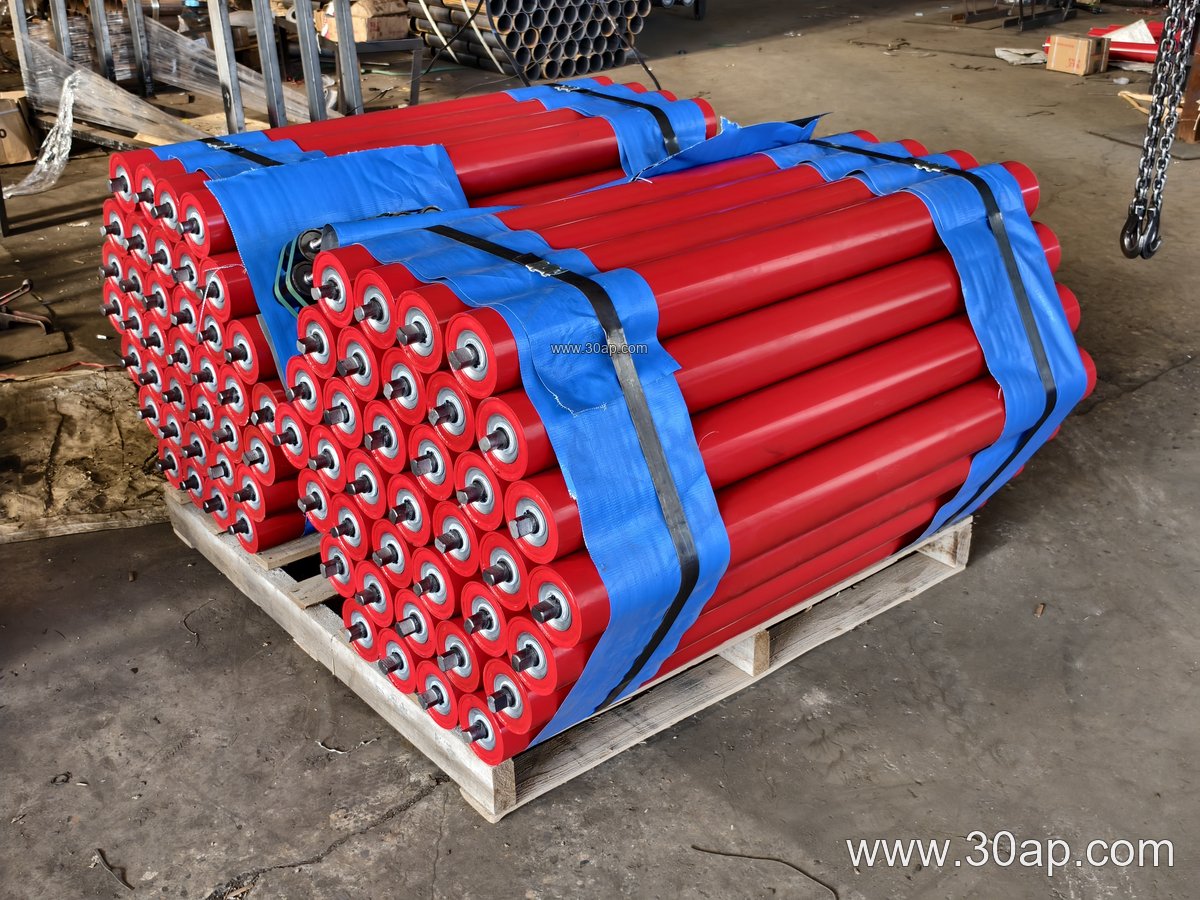
How the Idler Is Built
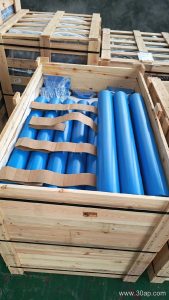
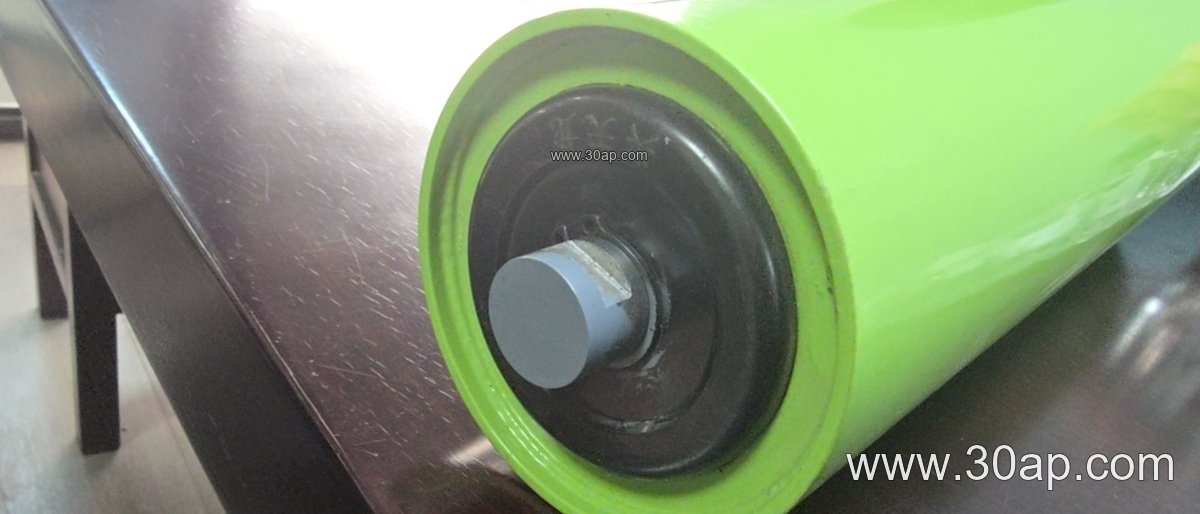
A typical idler roller is a steel tube fitted with bearing housings at each end, a shaft running through the body, and a sealing arrangement to keep dust and water away from the bearings. The shell may be plain steel, nylon-coated, ceramic-covered, or fitted with rubber rings depending on the duty. Seals matter as much as the tube in dusty service, and a well-sealed bearing set is what separates a long-life idler from one that seizes early.
Common bearing sizes include 6204, 6205, 6305, 6306, 6308, and 6310. Bearing choice follows load and speed rather than belt width alone, and no single bearing is tied to one roller diameter. Shaft diameter is a design decision made by the conveyor designer, not something that can be read directly from belt width.
Common Idler Types and Where They Sit
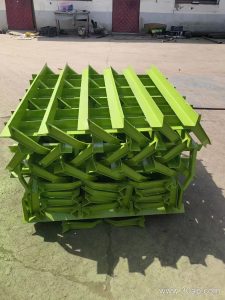
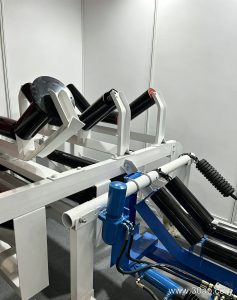
Troughing idlers, often built as a three-roll set, form the belt into a trough so bulk material stays centered. A two-roll or single-roll arrangement may appear on smaller or lighter lines. Transition idlers sit near pulleys to ease the belt from flat to troughed. Return idlers support the empty belt, and V-type return idlers help with belt tracking on the return strand. Impact idlers and rubber-ring impact idlers are placed at loading points to soften the drop of lump material.
Self-aligning idlers and friction self-aligning idlers correct belt drift, while conical self-aligning idlers use tapered rolls to steer the belt back. Spiral idlers and comb idlers are used where sticky material tends to build up on the rollers. Each of these is a distinct subtype serving a specific duty, and none of them replaces the basic carrying idler across the whole line.
Roller Diameter, Belt Width, and Roll Length
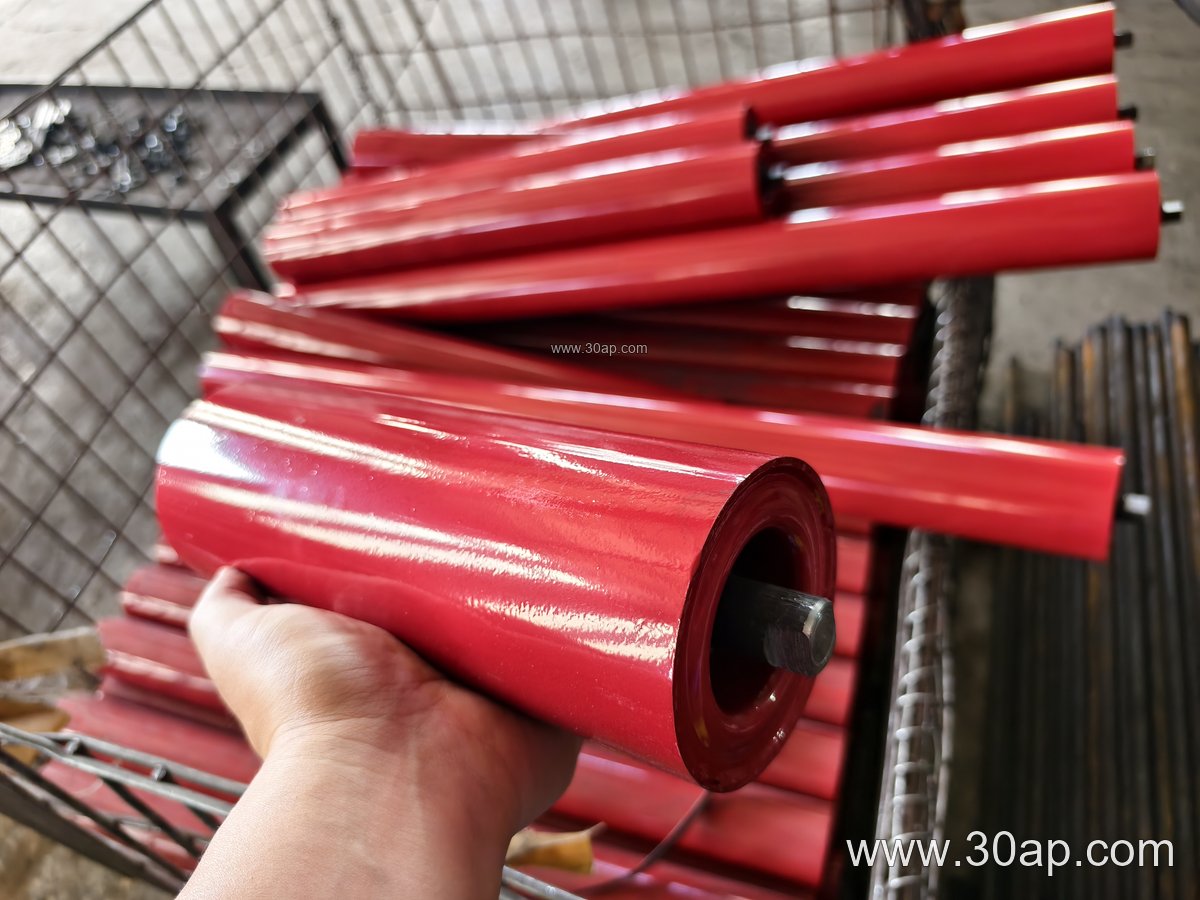
Roller diameter commonly ranges from Ø63 and Ø76 up to Ø219, with Ø89, Ø102, Ø108, Ø127, Ø133, Ø159, and Ø178 appearing frequently. Belt widths run from B400 through B500, B650, B800, B1000, B1200, B1400, B1600, B1800, B2000, B2200, and B2400. Trough angles are usually 20, 30, 35, or 45 degrees. These are reference ranges, and the final combination is set by the conveyor design.
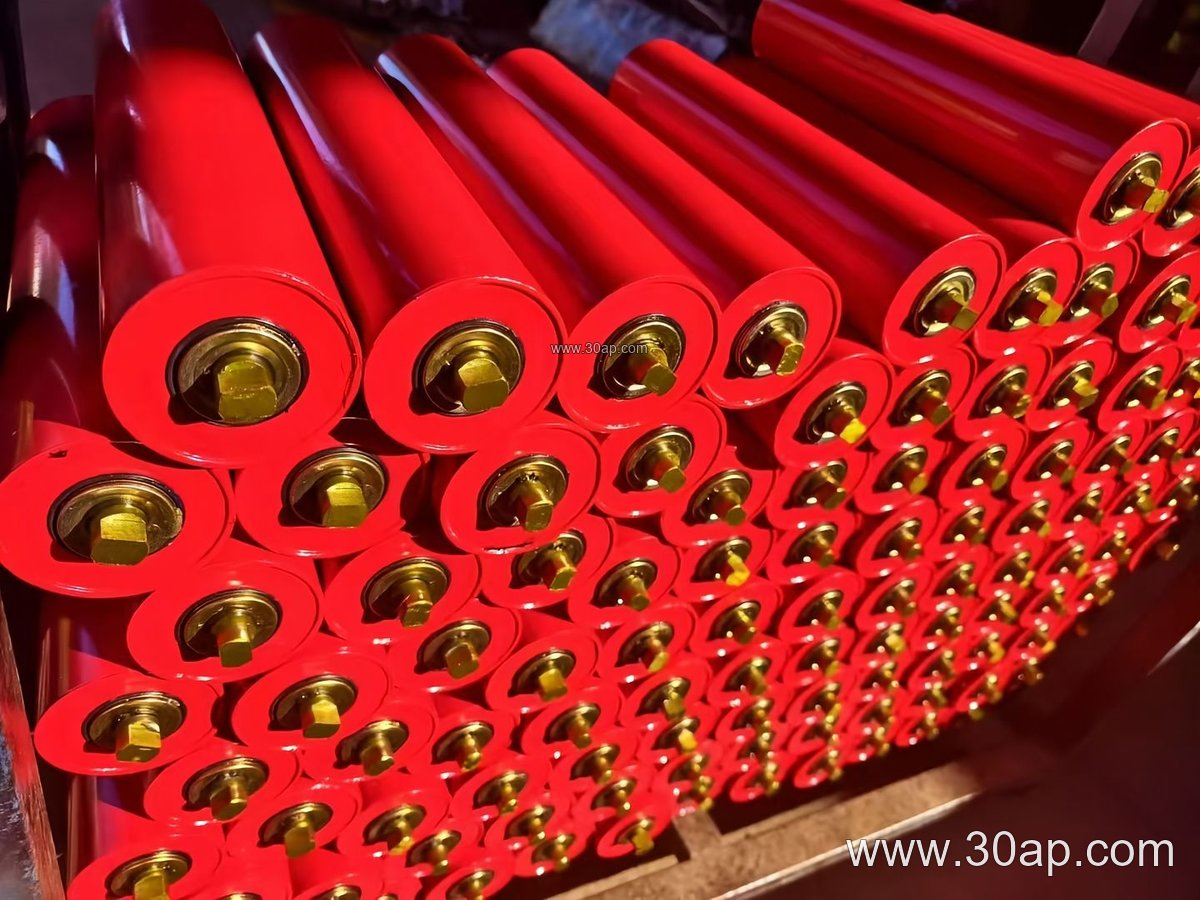
Roll length changes with belt width, trough angle, and roll arrangement. The table below gives typical three-roll troughing examples only; side rolls and center rolls may differ, and a wider belt does not fix a pulley diameter or a shaft size.
- B500 — around 200 mm roll length
- B650 — around 250 mm
- B800 — around 315 mm
- B1000 — around 380 mm
- B1200 — around 465 mm
- B1400 — around 530 mm
- B1600 — around 600 mm
- B1800 — around 670 mm
- B2000 — around 750 mm
Where Idlers Are Used
Idler sets are everywhere bulk material moves. In a coal preparation plant or a power station coal yard, troughing idlers carry the belt through transfer houses and along galleries. In a limestone quarry or an aggregate line, impact idlers take the shock at crusher discharge and screen feed points. Cement plants use them on clinker and raw meal lines, while port terminals and steel plants rely on long overland and yard conveyors where idler drag adds up over hundreds of meters. The same basic roller is also found in fertilizer handling and grain transport, where sealing against fine dust is often the deciding factor.
What Buyers Should Check Before Ordering
Start with the duty: belt width, trough angle, material lump size, and whether the position is carrying, return, or impact service. Confirm the roller diameter and the required roll length, then check bearing size and seal type against the dust and moisture level. Ask how the idler mounts to the conveyor bracket, since frame styles differ between plants. For replacement work, match the existing frame rather than forcing a new roller type into it.
Good purchasing practice also means keeping a small stock of the most-used sizes, checking that rollers turn freely on delivery, and planning replacement before seized bearings damage the conveyor belt. A conveyor system idler is a low-cost part, but a failed one can stop a whole line, so the specification deserves the same attention as the belt and the conveyor pulley.