What a Spiral Idler Does
A spiral idler is a type of conveyor idler roller whose shell is wrapped with a helical steel strip. This spiral wrap creates a self-cleaning action as the roller turns, helping to shed sticky material before it builds up on the surface. In aggregate plants, cement works, and coal handling systems, the spiral idler is often found on the return run, where fine dust and moisture tend to cling to plain rollers. Unlike a standard flat return roller, the spiral design keeps the belt supported while reducing the chance of material carryback wrapping around the shell and causing mistracking or premature wear.
Construction and Key Components
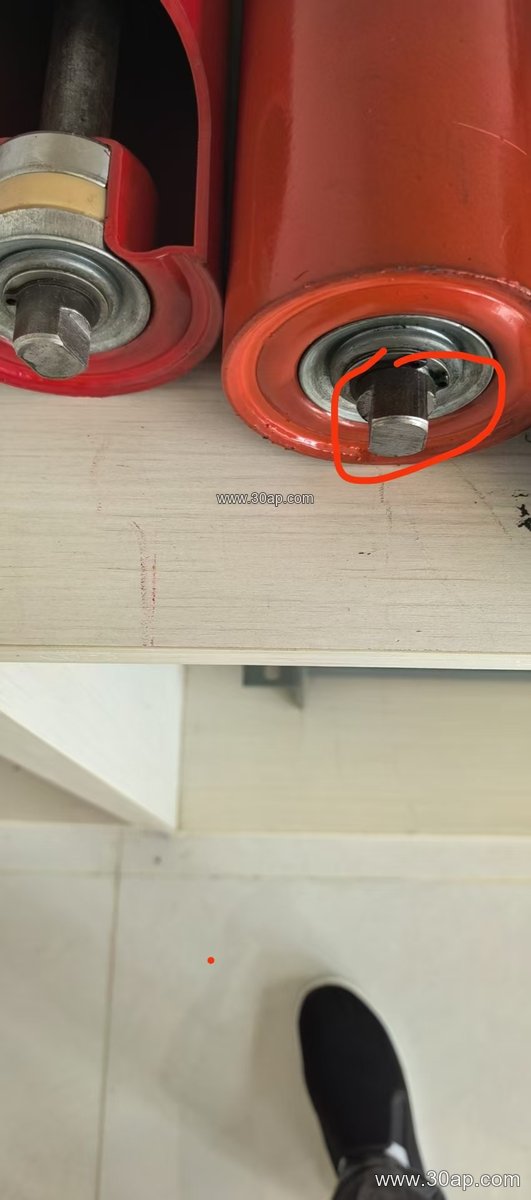
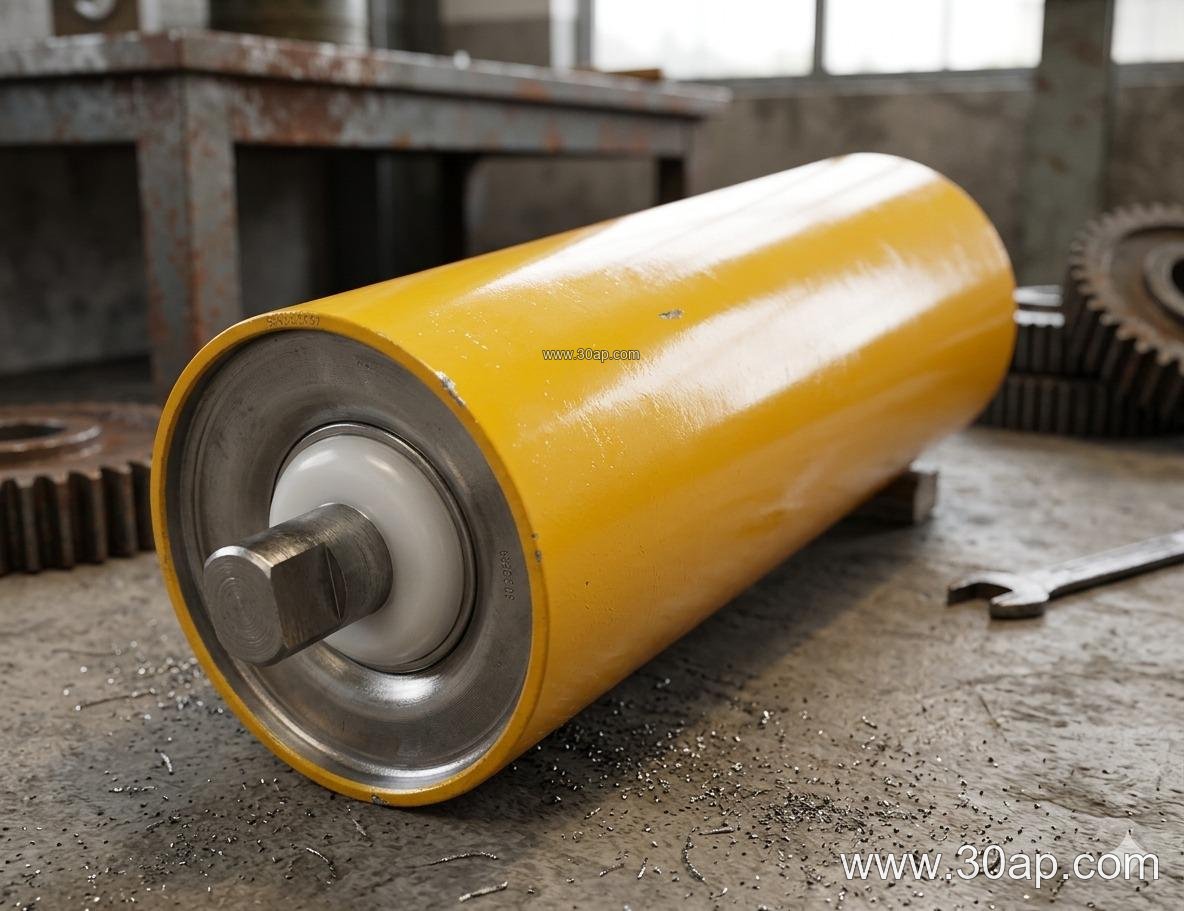
The body of a spiral idler typically consists of a steel tube, a helical strip welded to the tube, bearing housings at each end, and a shaft. The spiral strip can be a continuous fin or a segmented flight, depending on the manufacturer and the duty required. Common roller diameters for this type include Ø89, Ø108, Ø127, Ø133, and Ø159, though larger sizes such as Ø178 and Ø194 may be used on wider belts. Bearing selection is matched to the load and speed, with 6204, 6205, 6305, 6306, 6308, and 6310 being among the usual choices. The shell surface is usually plain steel, but rubber rings or ceramic lagging can be specified when extra grip or wear protection is needed. Shaft ends are designed to fit standard conveyor brackets, and the overall roller length is set by belt width and the idler arrangement, not by a single fixed rule.
Where It Fits on the Conveyor
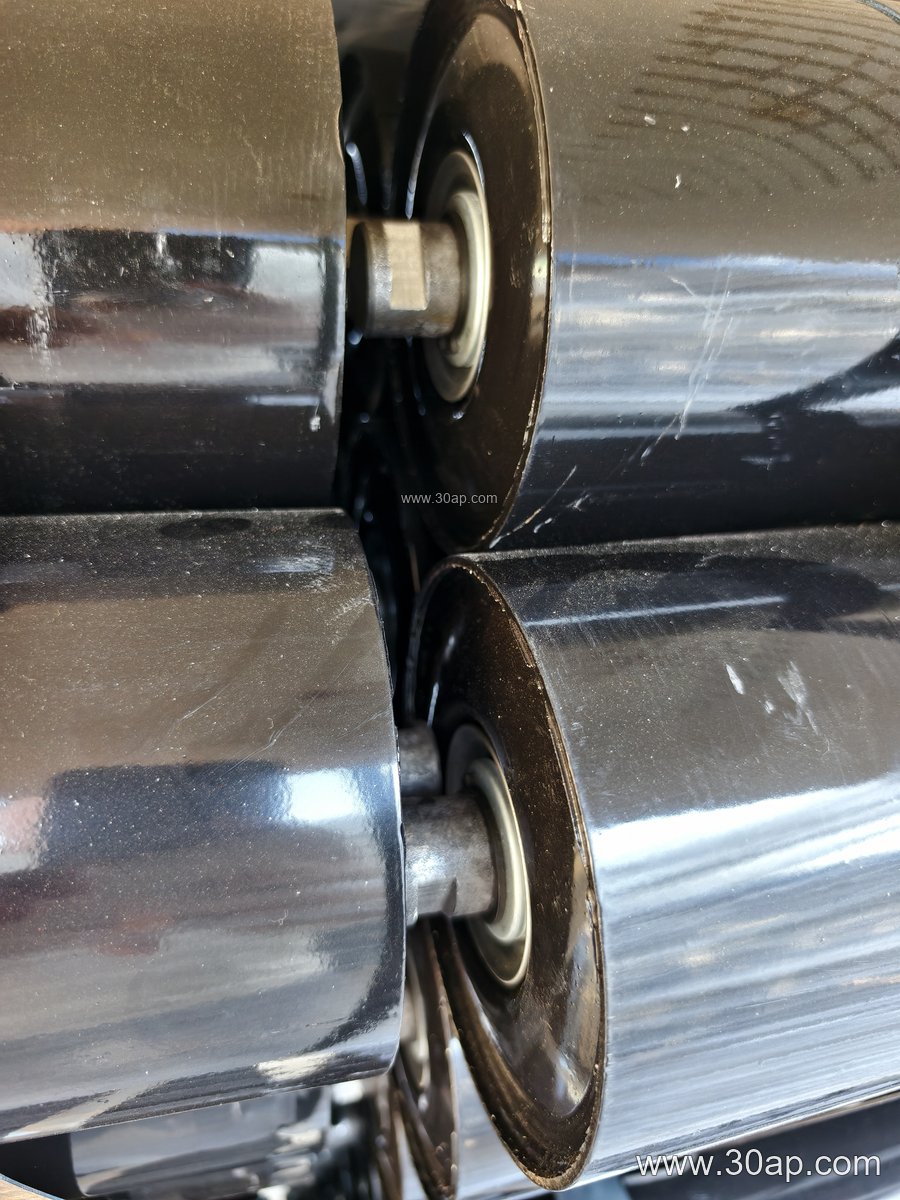
The spiral idler is most often installed as a return idler, supporting the empty side of the conveyor belt. It is not a substitute for a drive pulley, tail pulley, or bend pulley, which serve different functions in the conveyor drive and tensioning system. On a typical stone crushing line, a series of spiral return rollers may be spaced along the return strand to keep the belt from sagging and to prevent debris from accumulating on the roller face. In a coal preparation plant, the self-cleaning effect helps maintain belt alignment where wet fines are present. The spiral idler can also be used in some load-carrying positions when the material is not abrasive, but it is more commonly associated with the return side.
Common Sizes and Configurations
Spiral idlers are available in a range of diameters and lengths to suit different belt widths. The table below shows typical reference values; actual selection depends on the conveyor design and the load conditions.
| Belt Width | Typical Roller Diameter | Typical Bearing |
|---|---|---|
| B500 | Ø89 | 6204 |
| B650 | Ø89–Ø108 | 6205 |
| B800 | Ø108–Ø127 | 6305 |
| B1000 | Ø108–Ø133 | 6306 |
| B1200 | Ø127–Ø159 | 6308 |
| B1400 | Ø133–Ø159 | 6308 |
| B1600 | Ø159–Ø178 | 6310 |
| B1800 | Ø159–Ø194 | 6310 |
| B2000 | Ø178–Ø219 | 6310 |
Roller length for a spiral return idler is usually close to the belt width plus allowance for the brackets. For example, a B800 belt may use a roller around 315 mm long in a three-roll troughing set, but a return spiral idler would typically be longer to span the full belt width. These values are for reference only and should be confirmed with the conveyor designer.
Selection Tips for Buyers
When choosing a spiral idler, consider the material being conveyed and the environment. In a quarry or gravel pit, abrasive dust may call for a thicker spiral strip or a rubber-covered shell. In a power plant coal yard, corrosion resistance and bearing sealing are important. Check that the roller diameter matches the existing brackets and that the shaft ends are compatible with the conveyor frame. The spiral pitch and strip height affect the self-cleaning ability; a tighter pitch may clear fines better but can also retain larger lumps. Always verify the idler’s load rating against the belt weight and material load. Spiral idlers are not interchangeable with troughing idlers, impact idlers, or self-aligning idlers, each of which has a distinct role. For return-side support with sticky material, however, the spiral idler offers a practical solution that helps keep the conveyor belt running true and reduces maintenance downtime.