What a High Temperature Conveyor Belt Is
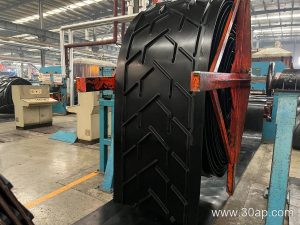
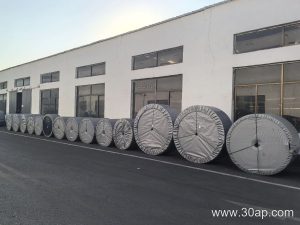
A high temperature conveyor belt is a heat-resistant conveyor belt built to carry hot bulk materials such as clinker, sinter, cement, ash, and hot sand without premature cover cracking or carcass failure. In a cement plant, a power station, or a sinter plant, the belt on the main conveyor line may see material temperatures that would quickly destroy a standard belt. The heat-resistant conveyor belt is designed for exactly that duty, using a heat-stable carcass and a cover compound that resists thermal aging.
Construction and Materials
The heat resistance comes from both the cover and the carcass. The cover compound is usually based on a heat-resistant elastomer, and its thickness is selected according to the temperature and abrasion level of the load. The carcass is commonly EP fabric or nylon fabric, with 2 to 6 plies typical, or steel cord for very long, high-tension lines. Steel cord constructions are also used in high-temperature service where tensile strength and low elongation matter.
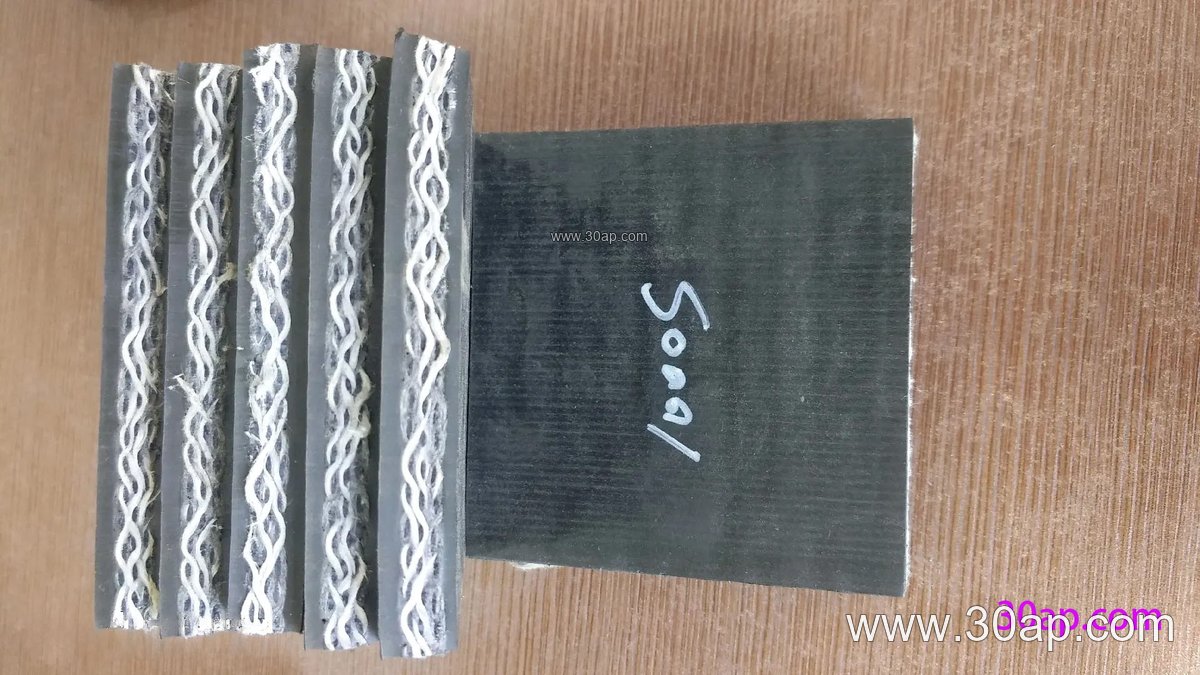
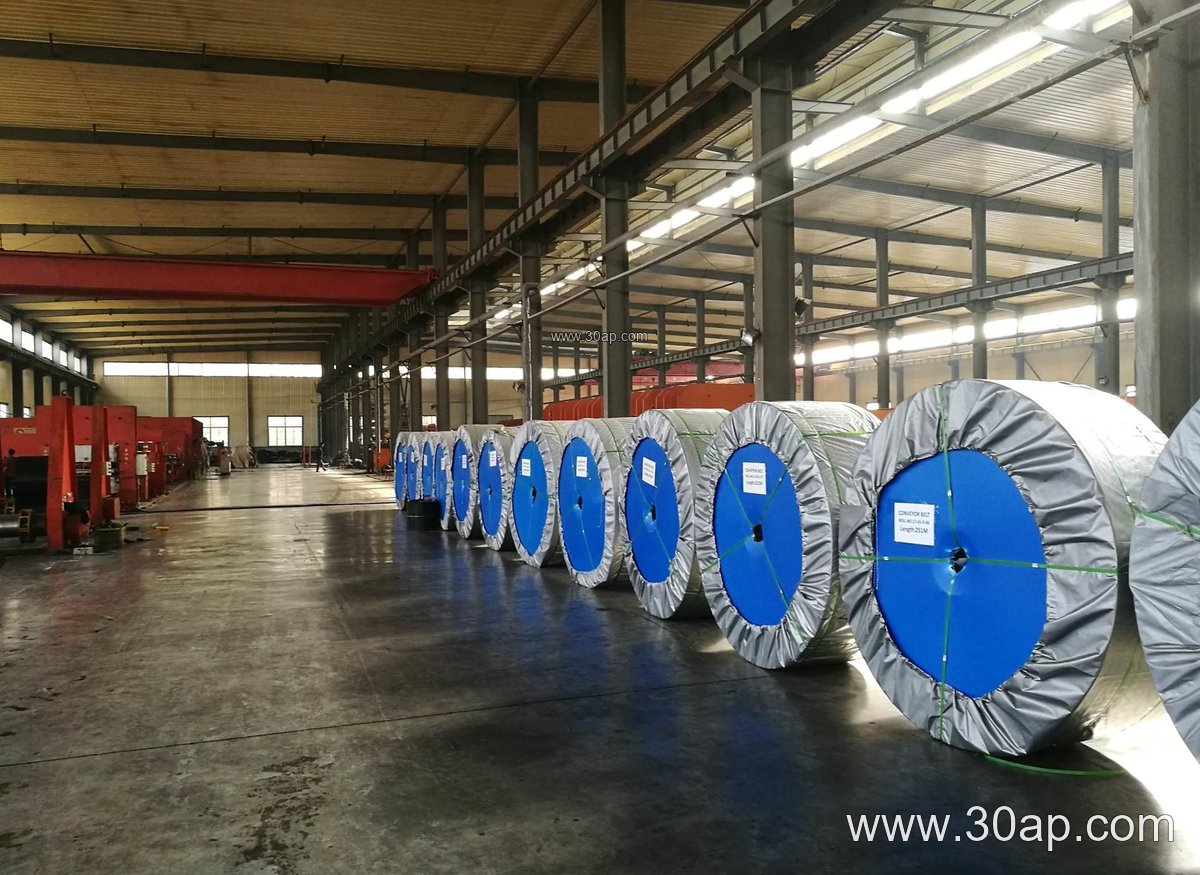
Common strength grades in fabric constructions include EP200, EP315, EP400, EP500, EP630, EP800, EP1000, EP1250, EP1600, and EP2000. These values are reference grades, not a fixed catalogue for every supplier. Cover thickness is often given as a top plus bottom figure, for example 4+2 mm, 5+2 mm, 6+2 mm, or 8+3 mm; the heavier covers are more typical where hot, abrasive material is loaded at a transfer point.
Typical reference data
| Item | Common reference values |
|---|---|
| Belt width | B500, B650, B800, B1000, B1200, B1400, B1600, B1800, B2000 |
| Fabric strength grade | EP200 to EP2000 |
| Carcass plies | 2 to 6 layers, by design |
| Cover thickness | 3+1.5, 4+2, 5+2, 6+2, 8+3 mm |
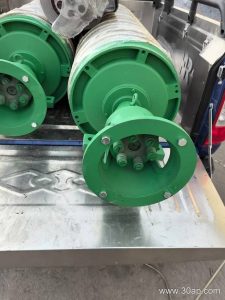
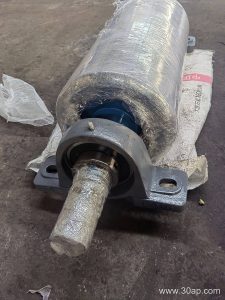
Belt width is matched to the conveyor design and the lump size, not to any single pulley diameter. The drive pulley, tail pulley, and bend pulley each have their own duty and are selected separately from the belt specification.
Where It Is Used
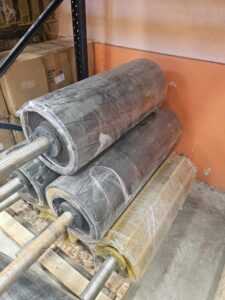
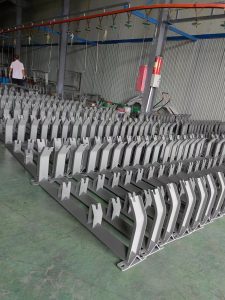
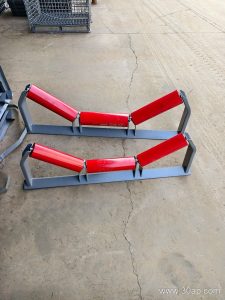
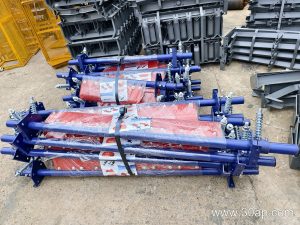
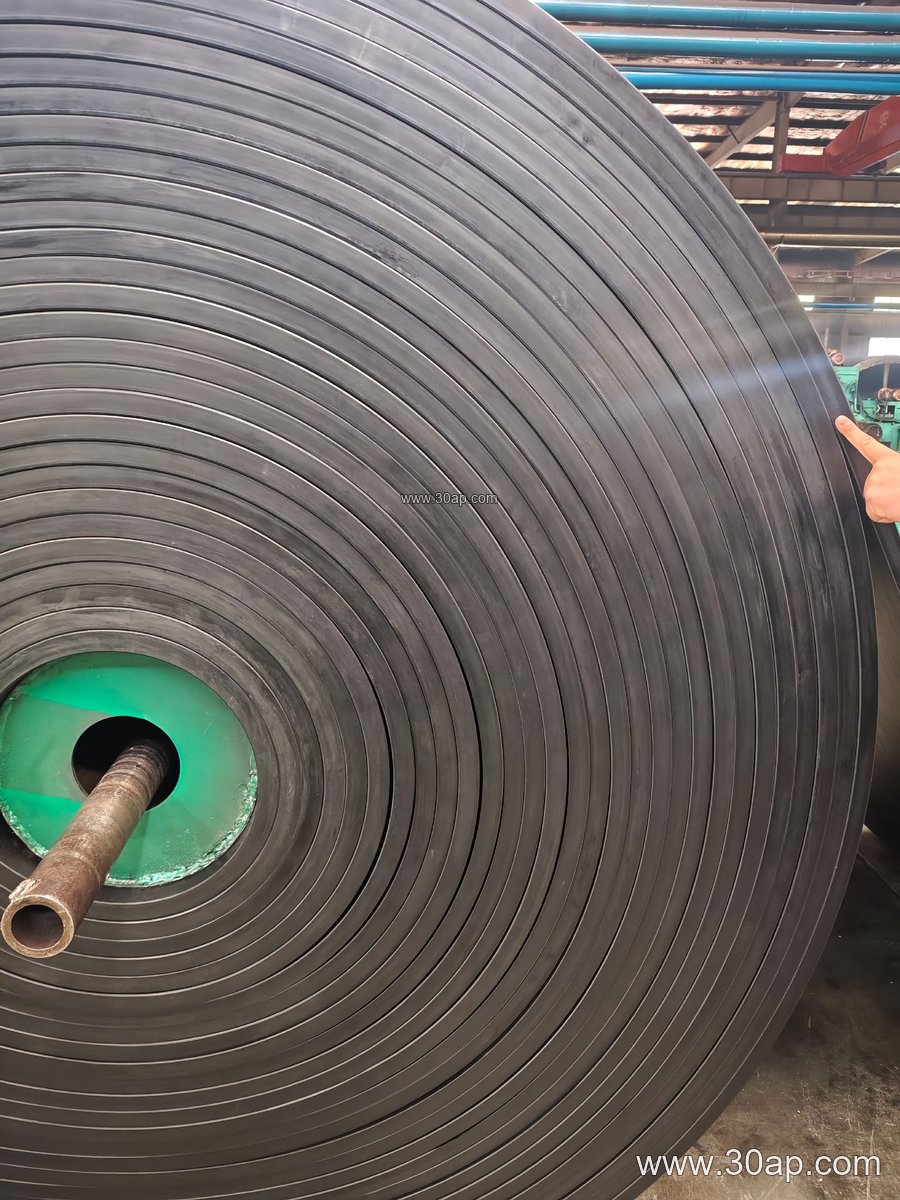
Mines, coal preparation plants, cement kiln and clinker lines, power station coal and ash systems, and sand and gravel yards all use heat-resistant belts where material leaves a dryer, cooler, kiln, or furnace. In a cement plant the belt may run from the clinker cooler to the storage silo. In a power plant it may handle hot ash or hot pellets. In a sinter plant the belt takes hot sinter from the discharge end. In each case the belt works alongside conveyor idler rollers, conveyor pulleys, and conveyor brackets, and the whole conveyor frame must be laid out for thermal expansion as well as load.
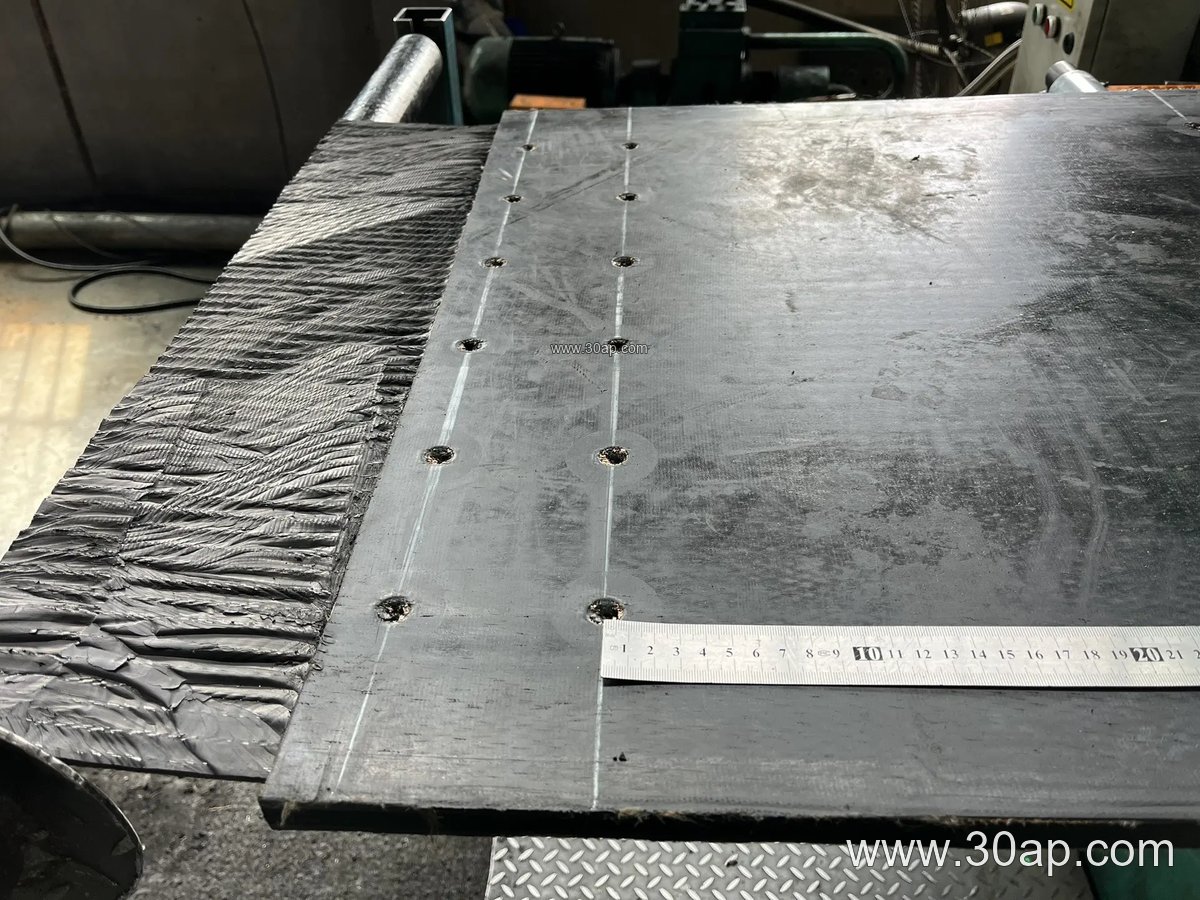
Heat-resistant belting is not the same as flame-resistant belting. A fire-resistant or antistatic belt addresses ignition risk, while a heat-resistant belt addresses thermal aging. Where both risks exist, the specification should state both requirements.
Selection Points for Buyers
- Material temperature: state the normal and peak temperature at the belt surface, not only at the source. A short hot surge can matter as much as a steady temperature.
- Lump size and impact: hot, sharp lumps at the loading point call for a thicker cover and, where needed, impact idlers or a cushioning arrangement.
- Belt speed and length: longer lines and higher tensions push the design toward higher strength grades or steel cord.
- Carcass choice: EP or nylon fabric for general duty; steel cord where low stretch and high tension are required.
- Cover grade: confirm the heat resistance class and the cover thickness with the supplier, since compounds differ.
- Pulley and idler compatibility: the drive pulley, tail pulley, and bend pulley are not interchangeable, and each is sized from the conveyor tension and wrap angle, not from belt width alone.
Installation and Maintenance Notes
Hot material should be centered on the belt, and transfer chutes should be set so hot lumps do not strike the same spot continuously. Keep idler rollers turning freely, because a seized roller creates a hot spot under a hot belt. Check the conveyor pulley lagging and the bend pulley for buildup that can misalign the belt. Inspect the cover for hardening, cracking, and edge damage, and track any change in belt elongation as a sign of carcass condition. Store spare belting away from heat and sunlight before installation.
For any project, give the supplier the material, temperature range, belt width, strength grade, cover thickness, and conveyor layout so the heat-resistant belt, idlers, pulleys, and brackets are specified as one working system.