What a Conveyor Bracket Does on the Line
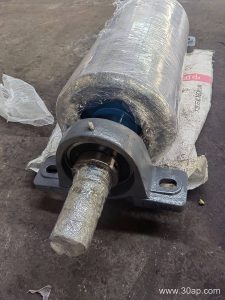
A conveyor bracket is the structural interface between the rotating parts and the conveyor frame. In most installations it is the steel component that holds an idler roller or a conveyor pulley in position, sets the trough angle of the belt, and transfers the load of the material and the belt into the stringers. On a quarry conveyor or a cement plant transfer house, the bracket is rarely noticed until an idler starts to walk out of alignment or the belt begins to rub the structure.
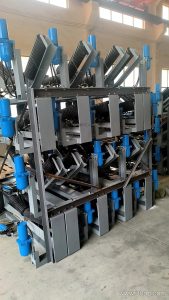
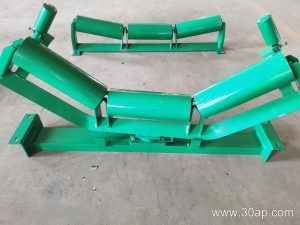
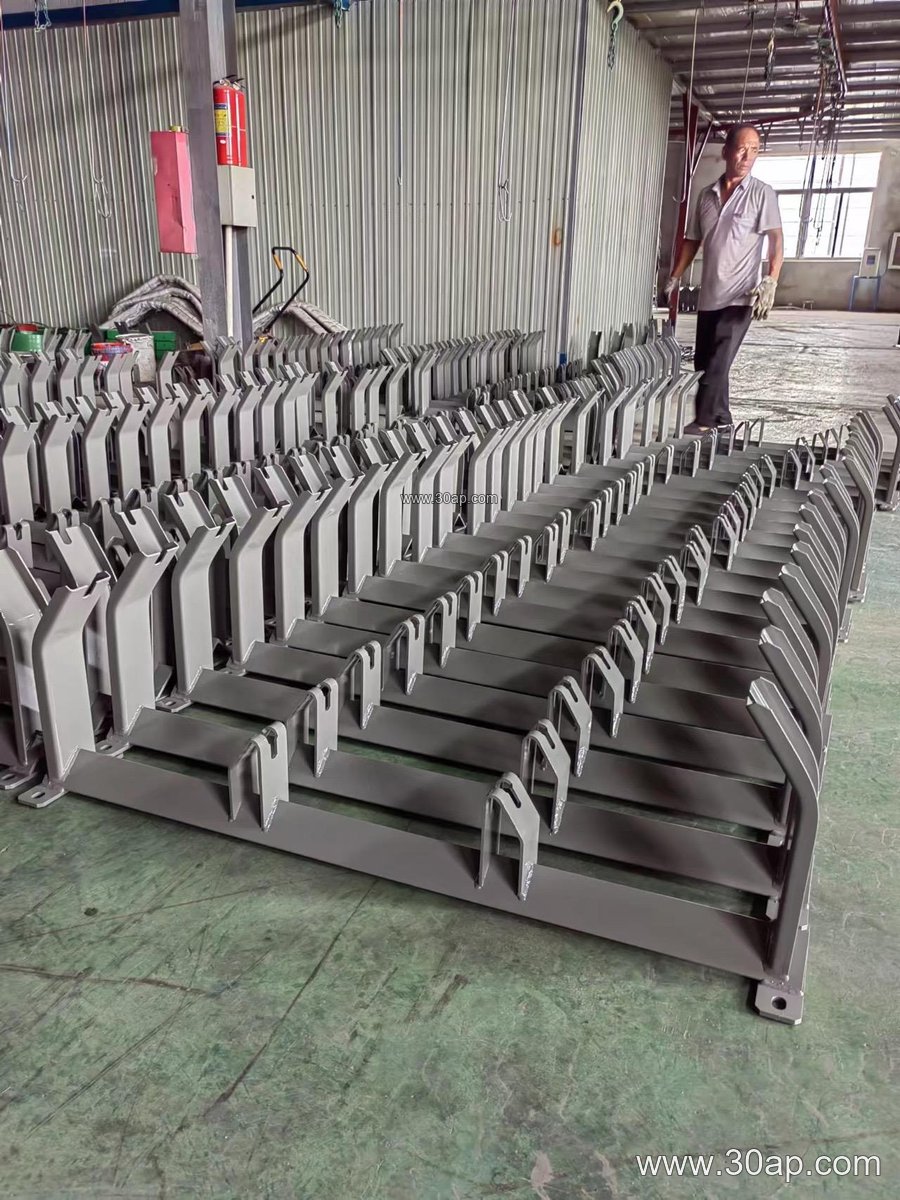
The term covers a family of parts rather than a single item. The common forms include troughing brackets for the carrying side, return brackets for the lower run, impact brackets under loading points, self-aligning brackets, and adjustable designs that allow the trough angle to be changed on site.
Construction and Materials
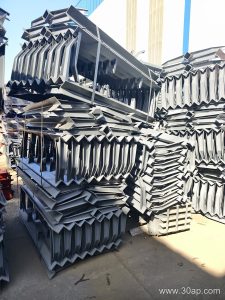
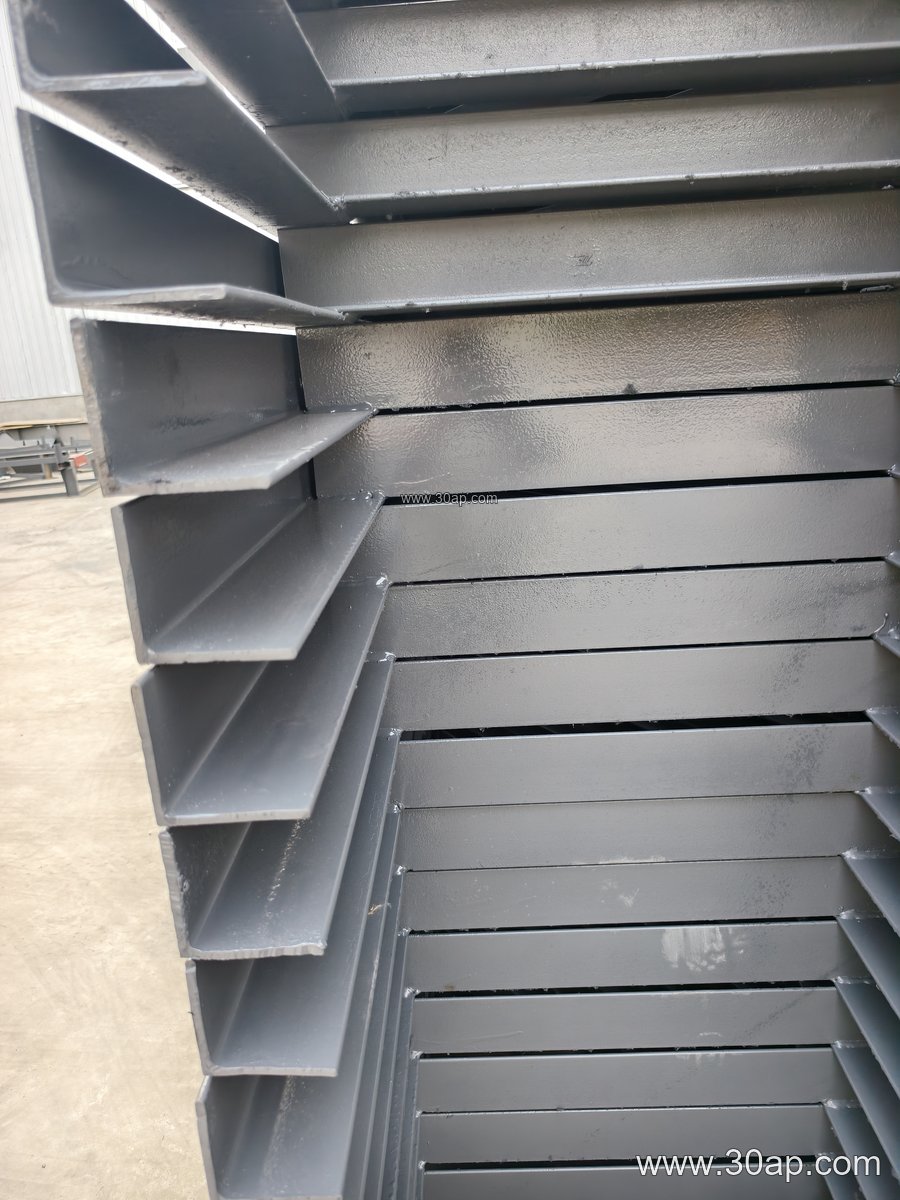
Most brackets are fabricated from angle steel, channel steel, or folded steel plate. The choice depends on the load and the environment. Angle sections are common on lighter B500 to B800 lines, while channel or folded plate is more typical on B1200 and wider belts where the bracket must resist bending under a full load.
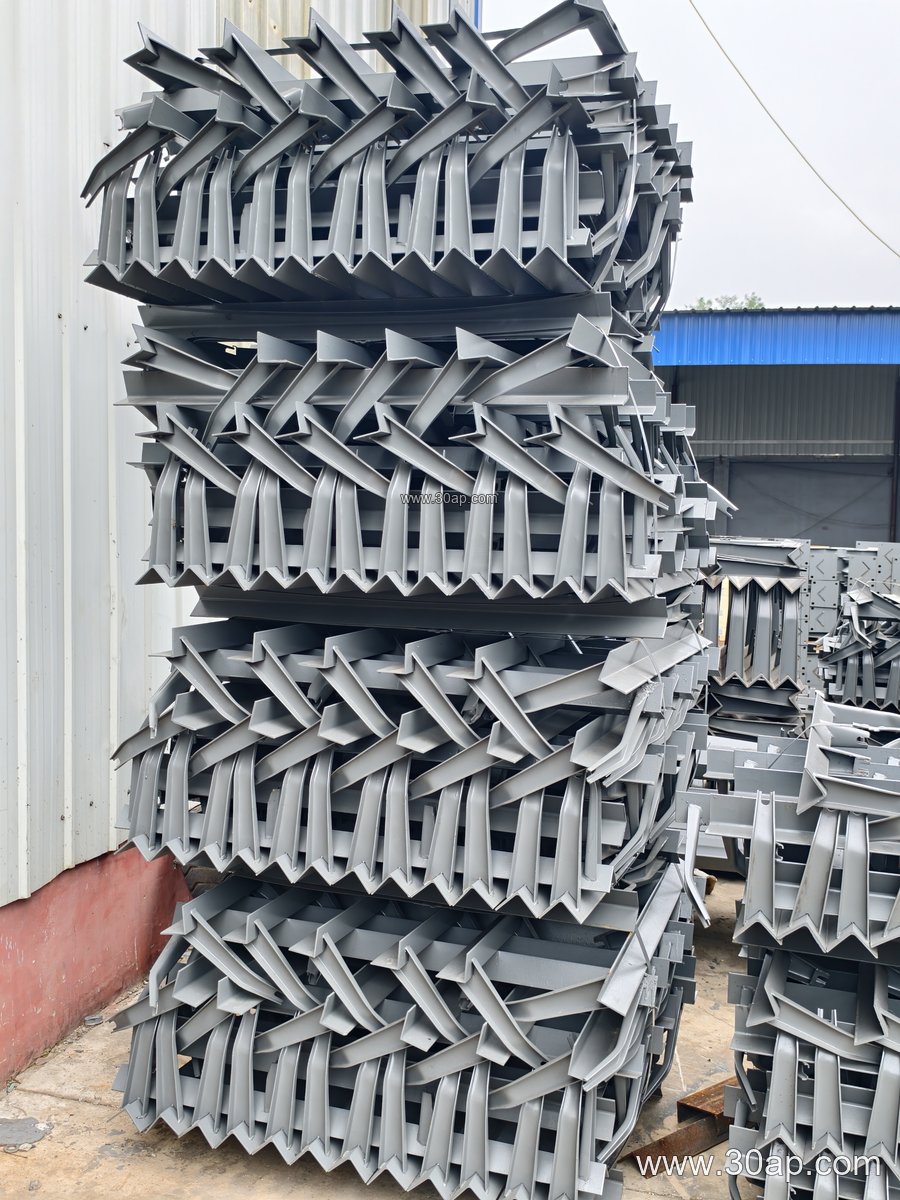
Fabricated brackets usually include slotted or drilled mounting holes so the idler frame can be positioned with some tolerance. The slot length, hole spacing, and crossbeam length are not fixed values; they follow the belt width and trough angle, so a bracket for B800 and 35 degrees is not the same part as one for B1400 and 45 degrees. Buyers should confirm these dimensions against the drawing rather than assuming a standard.
- Angle steel: light to medium duty, simple fabrication
- Channel steel: higher stiffness on wide belts
- Folded plate: clean profile, good for adjustable designs
- Surface finish: painted or galvanized, depending on dust and moisture
Where the Part Fits in Different Plants
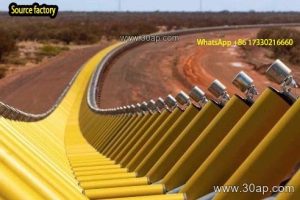
In a limestone quarry, troughing brackets carry the belt through the primary and secondary crushing circuits, where lump size is large and impact is heavy. In a coal handling plant at a power station, return and self-aligning brackets keep the belt tracking on long inclined runs. Aggregate yards and sand and gravel lines use many brackets on transfer conveyors that feed screens, so the bracket must survive constant vibration.
Other settings include batching plants, fertilizer handling, grain silos, and tunnel spoil removal. In each case the bracket is selected around the belt width, the trough angle, and the idler diameter rather than treated as a universal fitting.
Trough Angle and Idler Diameter Selection
The trough angle affects how the belt sits on the idlers and how much material the belt can carry. Common values are 20, 30, 35, and 45 degrees. A 20-degree bracket suits flat or lightly loaded lines, while 35 and 45 degrees are usual where capacity matters. Adjustable brackets let one frame cover a range of angles, which helps when a plant changes duty or when spares must serve several conveyors.
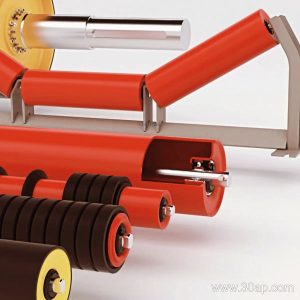
The idler diameter should match the bracket’s mounting height and the belt speed. Typical roller diameters include Ø89, Ø108, Ø133, Ø159, and Ø194. A B650 line may run Ø89 idlers, a B1000 line often uses Ø108 or Ø133, and heavier B1600 to B2200 lines may use Ø159 or Ø194. These are reference examples, not fixed pairings; the final match is set by the conveyor designer.
Reference Dimensions at a Glance
| Belt width | Common trough angle | Typical idler diameter | Bracket form |
|---|---|---|---|
| B500 | 20 to 30 degrees | Ø89 | Troughing, fixed |
| B650 | 30 degrees | Ø89 | Troughing, adjustable |
| B800 | 35 degrees | Ø108 | Troughing, impact |
| B1000 | 35 to 45 degrees | Ø108 to Ø133 | Troughing, self-aligning |
| B1200 | 45 degrees | Ø133 | Troughing, transition |
| B1400 | 35 to 45 degrees | Ø133 to Ø159 | Troughing, return |
| B1600 | 35 degrees | Ø159 | Heavy troughing |
| B1800 to B2200 | 35 to 45 degrees | Ø159 to Ø194 | Heavy troughing, impact |
Values above are typical references. Actual hole spacing and beam length are determined by the design drawing.
What a Buyer Should Check
Before ordering, confirm the belt width, the required trough angle, the idler diameter, and the mounting hole pattern on the existing frame. Ask whether the bracket is fixed or adjustable, and whether it is intended for the carrying side, the return side, or an impact zone. A conveyor bracket that fits one conveyor pulley position may be entirely wrong for a troughing station, so the position on the line matters as much as the size.
Also check the finish and material thickness for the plant environment. Dust, moisture, and washdown affect service life more than many buyers expect. Spare parts should be ordered against the same drawing as the original, and brackets should be inspected for wear, bent ears, and loose fasteners during routine belt maintenance.