What an Underground Conveyor Belt Does
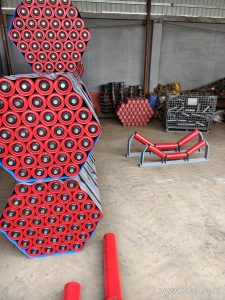
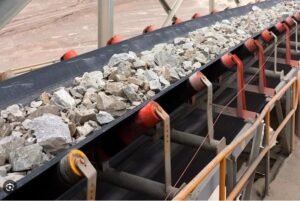
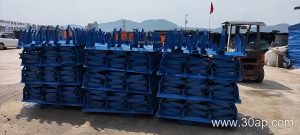
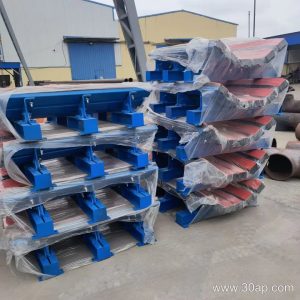
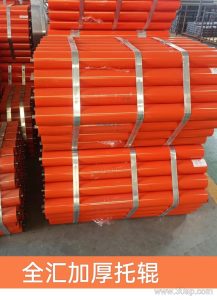
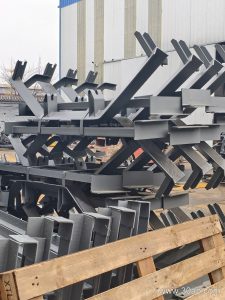
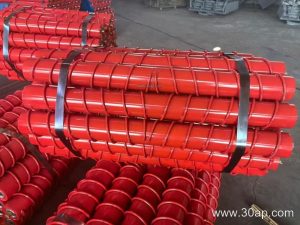
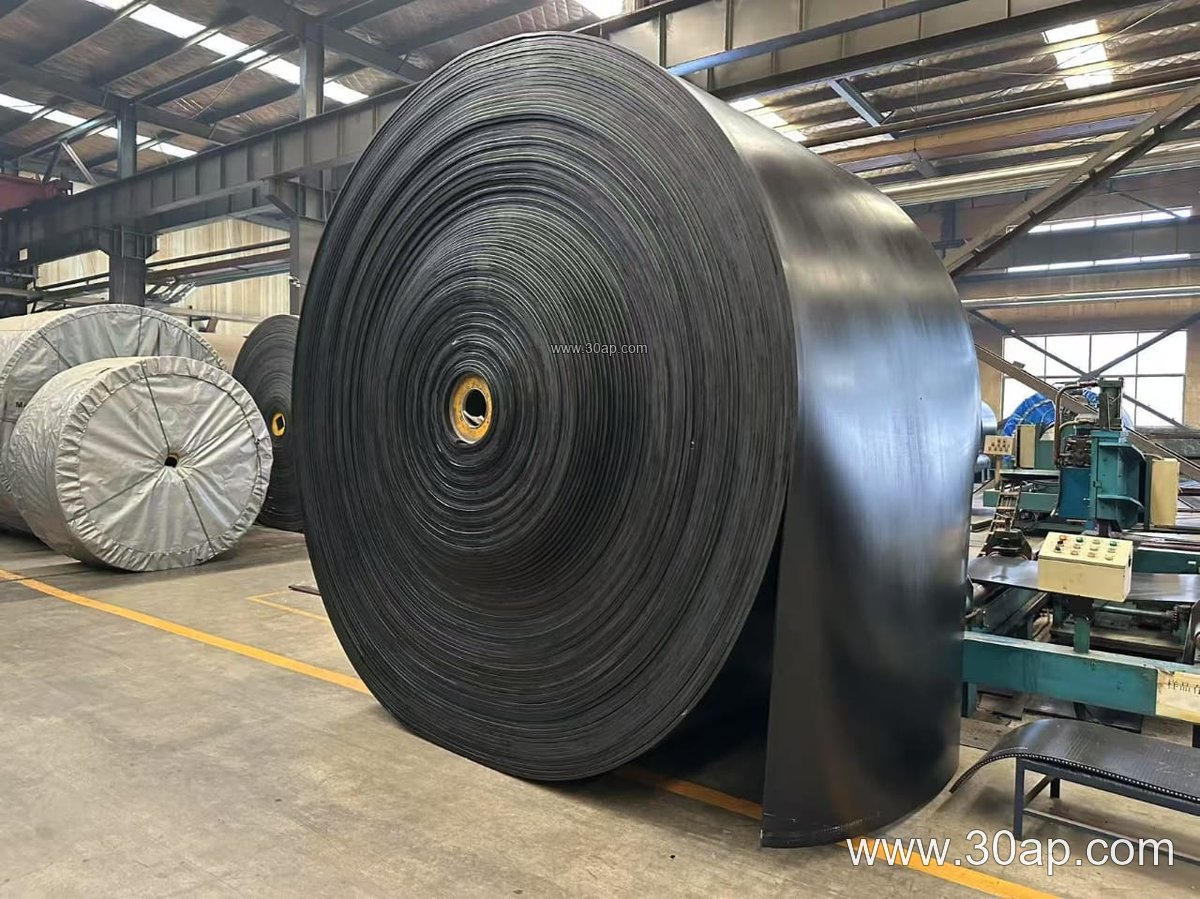
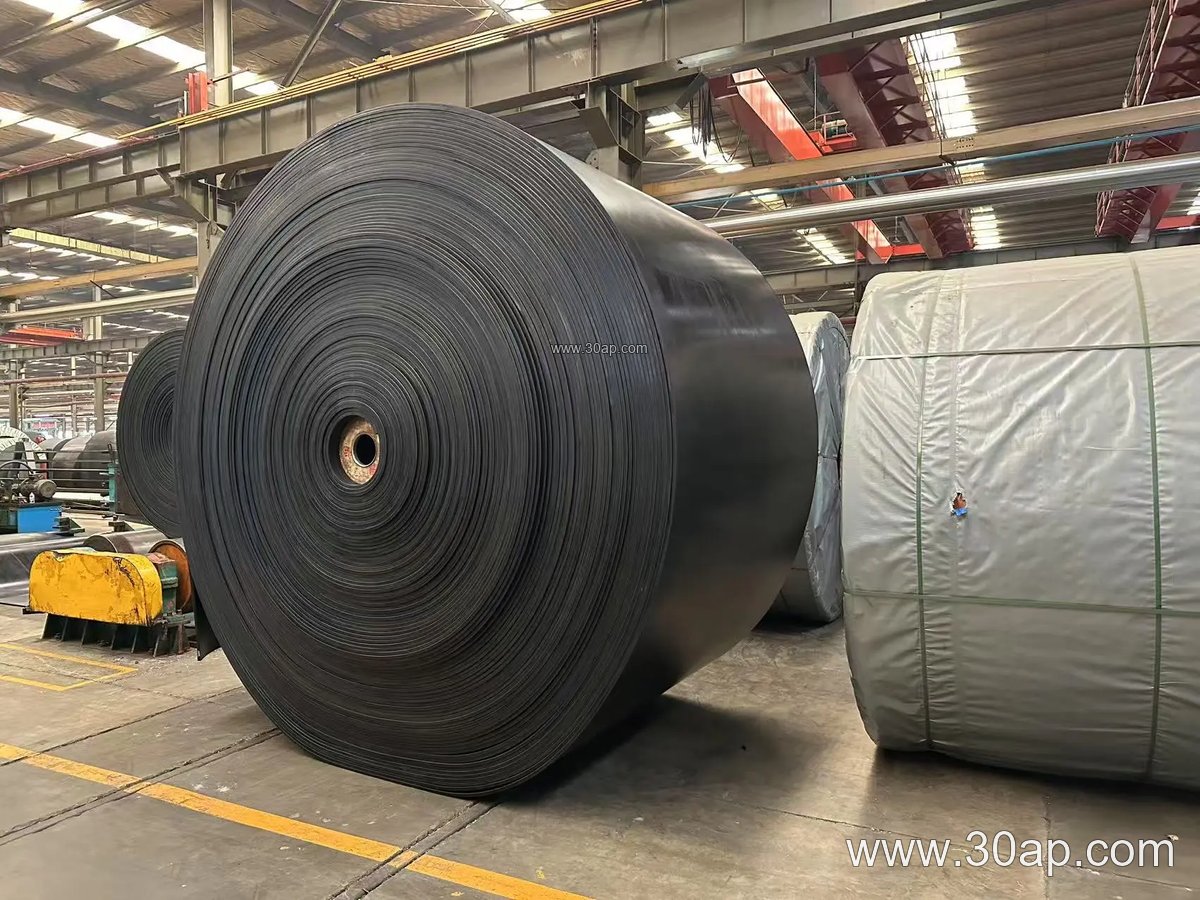
An underground conveyor belt is the load-carrying element of a continuous haulage system installed in mines, tunnels, and enclosed transfer galleries. Unlike a surface conveyor, this belt works in confined spaces with limited headroom, restricted ventilation, and often wet or dusty conditions. It moves coal, ore, aggregate, or cement clinker from a mining face or loading point to a shaft, incline, or surface transfer station. The belt itself is only one part of the system; it relies on idler rollers, conveyor pulleys, and sturdy conveyor brackets to keep the line aligned and running.
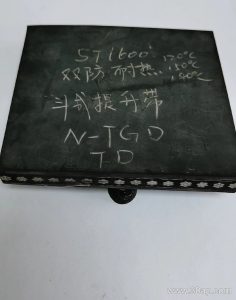
Because the belt runs through drifts and declines, engineers usually specify a flame-retardant and antistatic construction, especially in coal mines. The same product may be called an underground conveyor belting or a pit conveyor belt, and those terms describe the same item.
Construction and Common Specifications
Most underground belts use a fabric carcass or a steel cord carcass, covered on both faces with rubber or PVC/PVG compounds. The carcass carries tension, while the covers resist abrasion, impact, and moisture. Common carcass types include EP (polyester-cotton), NN nylon, and steel cord. Cover grades may be abrasion-resistant, heat-resistant, oil-resistant, flame-retardant, antistatic, cold-resistant, or acid and alkali resistant. Ribbed, chevron, and corrugated sidewall forms are available where the incline is steep or material spillage must be controlled.
The table below shows typical reference values; actual selection depends on the duty, incline, and design of each installation.
| Parameter | Common Reference Range |
|---|---|
| Belt type | EP, NN nylon, steel cord, PVC, PVG |
| Tensile strength | EP200 to EP2000 |
| Belt width | B500, B650, B800, B1000, B1200, B1400, B1600 |
| Cover thickness | 3+1.5 mm, 4+2 mm, 5+2 mm, 6+2 mm, 8+3 mm |
| Carcass plies | Usually 2 to 6 layers for fabric belts |
These figures are reference data, not a fixed universal match. A wider belt does not automatically dictate one pulley diameter, and shaft sizes are set by the conveyor design rather than by belt width alone.
Where It Is Used
- Coal mines and underground development drifts
- Metal mines and ore passes
- Tunneling and underground civil works
- Cement plants with enclosed clinker transport
- Power plants using underground coal feeding lines
- Sand and gravel operations with inclined galleries
In these settings, the belt works together with idler rollers that support the load, conveyor pulleys that drive and redirect it, and conveyor brackets that hold the structure in place. Drive, tail, and bend pulleys each have a distinct role and are not interchangeable.
Buyer Checklist
Before ordering, confirm the material being carried, the expected throughput, the incline angle, and the ambient conditions. Check whether flame resistance and antistatic properties are required, and whether the belt must resist oil, heat, or freezing temperatures. Review the cover thickness and carcass strength against the actual load and impact points. Ask for the splice method and edge condition, since underground installation often limits the space available for vulcanizing. Finally, match the belt to the existing pulley and idler layout rather than assuming a standard combination. A clear specification sheet helps avoid mismatches during installation and keeps the haulage line running reliably.