What a Fabric Core Conveyor Belt Is
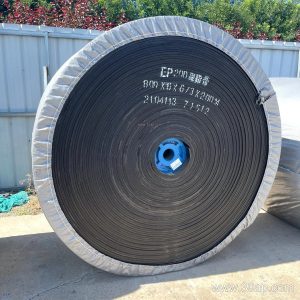
A fabric core conveyor belt is a multi-ply rubber belt whose tensile strength comes from woven textile layers, usually called plies or carcass layers, rather than from steel cords. The textile carcass is bonded between rubber cover layers and carries the pulling load, while the covers protect the fabric from abrasion, impact, moisture and the material being carried. Because the plies flex easily, this belt type runs well on smaller diameter pulleys and in installations with relatively tight transitions. It is the workhorse belt in mining, coal preparation, cement plants, power stations, sand and gravel yards, and general bulk handling lines.
How the Belt Is Built
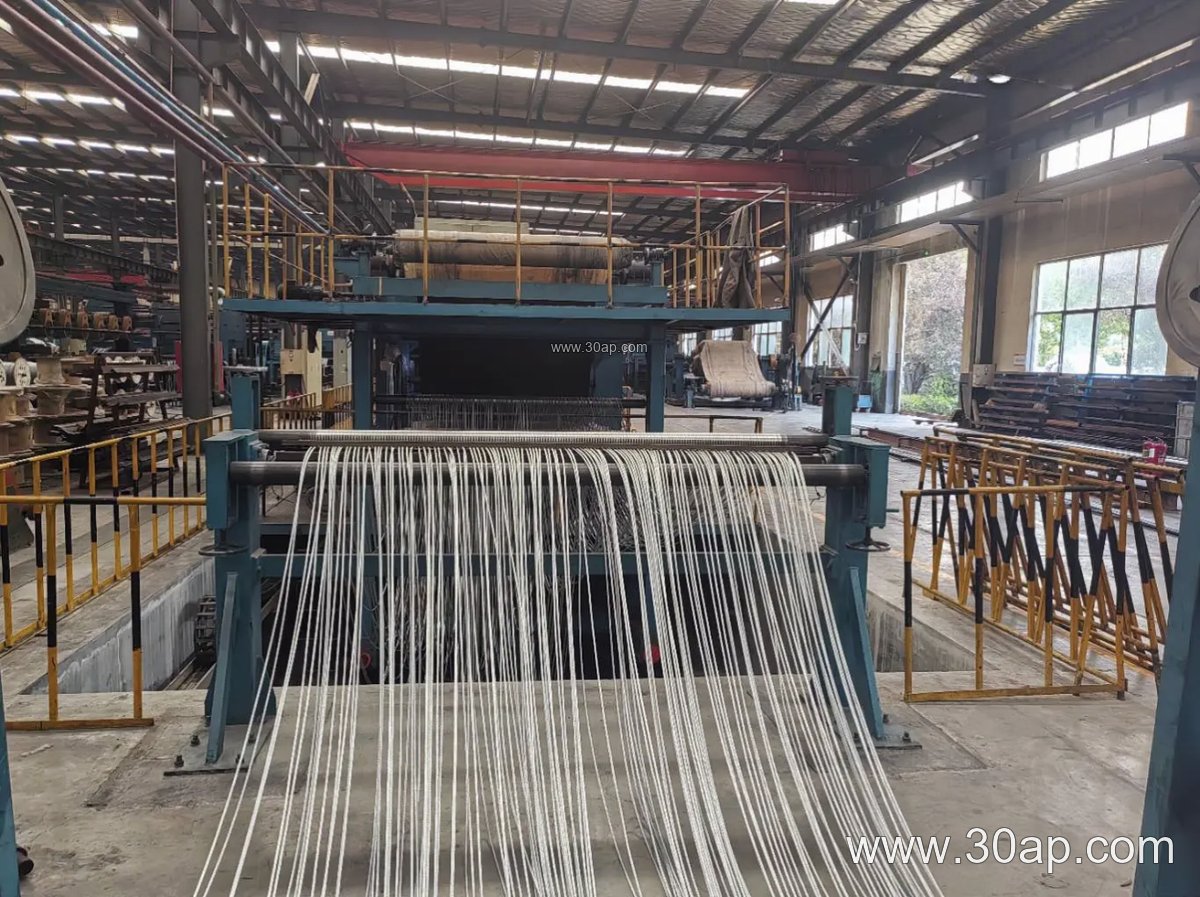
The carcass is normally made of EP fabric (polyester warp and nylon weft) or NN nylon fabric, with EP being the more common choice where low stretch matters. Plies are calendered, assembled and vulcanized into a single body. Cover rubber grades are selected for the duty: abrasion resistant, heat resistant, oil resistant, flame retardant and antistatic, cold resistant, or acid and alkali resistant. Surface forms such as plain, patterned or herringbone, and raised chevron or corrugated sidewall designs, are available when grip or material containment is the priority.
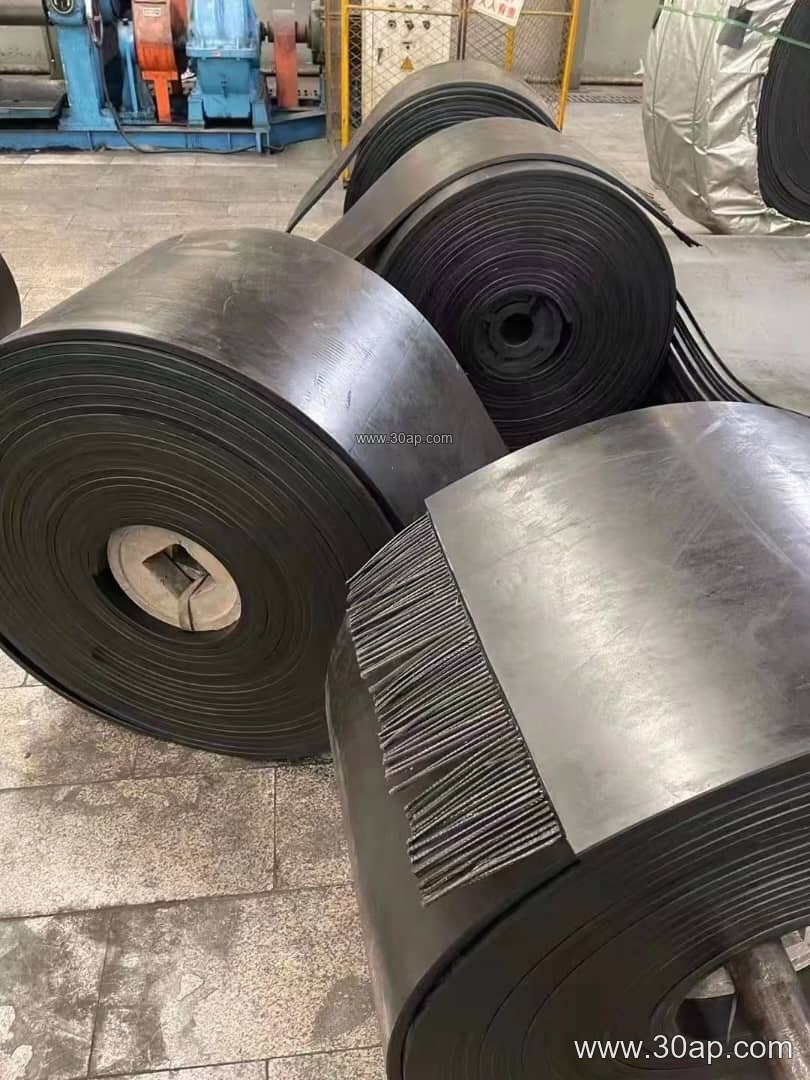
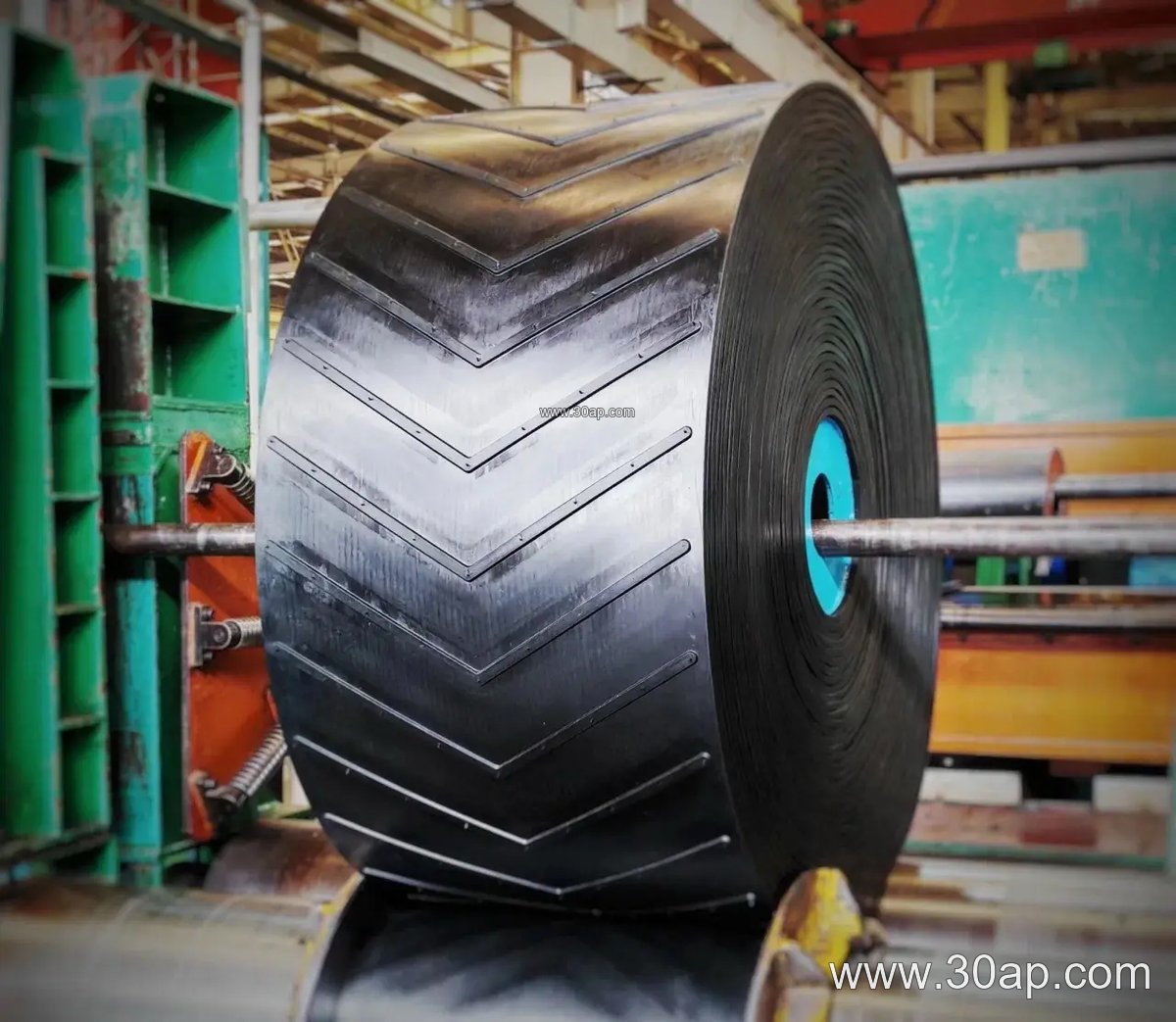
Typical construction values for reference only; actual belts are made to order:
- Number of plies: commonly 2 to 6
- Cover thickness combinations: 3+1.5, 4+2, 5+2, 6+2, 8+3 mm
- Carcass fabric: EP or NN textile
Tensile Grades and Belt Widths
Fabric core belts are specified by nominal tensile strength per unit width. Common EP grades include EP200, EP315, EP400, EP500, EP630, EP800, EP1000, EP1250, EP1600 and EP2000. Widths commonly run from B500 through B650, B800, B1000, B1200, B1400, B1600, B1800 and B2000, with the final choice set by the conveyor design. Wider or higher grade belts are not automatically better; the belt must match the calculated tension, the load profile and the pulley and idler arrangement.
| Parameter | Common range | Notes |
|---|---|---|
| Carcass type | EP, NN | EP preferred where low elongation is required |
| Nominal strength | EP200 to EP2000 | Selected from calculated belt tension |
| Belt width | B500 to B2000 | Determined by capacity and lump size |
| Cover thickness | 3+1.5 to 8+3 mm | Top and bottom cover given separately |
| Plies | 2 to 6 | More plies do not always mean a better belt |
Where It Fits in a Conveyor
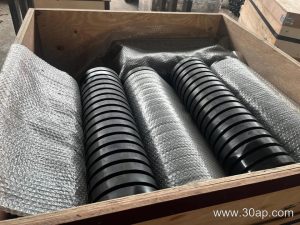
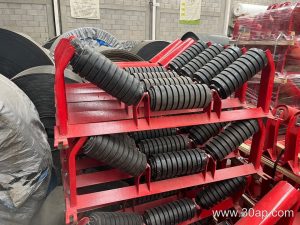
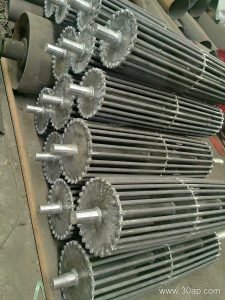
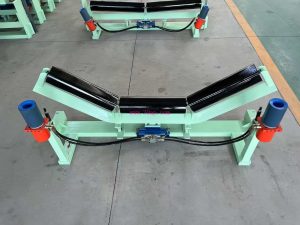
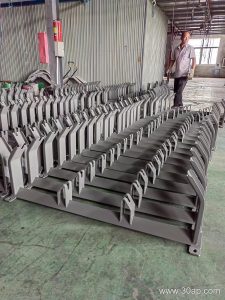
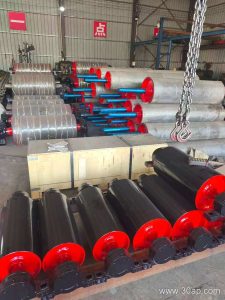
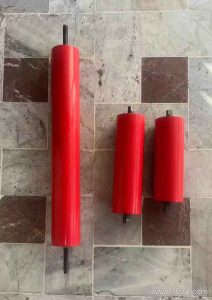
The belt is only one part of the system. Drive pulleys transmit motion, tail pulleys return the belt, and bend pulleys redirect it around take-up or transition zones; these are distinct components and are not interchangeable. Idler rollers support the carrying and return strands, while conveyor brackets hold idlers and pulleys in alignment. On a typical coal or cement line, the fabric core belt runs over troughing idlers, passes a head drive pulley and a tail pulley, and may be trained by self-aligning idlers. Where a steel cord belt would be used on very long, high-tension trunk conveyors, the fabric core version is usually chosen for medium duty, shorter centers and more flexible routing.
Selection Notes for Buyers
Before ordering, confirm the duty: material type, lump size, moisture, temperature, oil or chemical exposure, and whether flame resistance or antistatic behavior is needed. Provide the conveyor layout so the supplier can check belt tension and minimum pulley diameters; belt width alone does not fix a pulley or shaft size. Ask for the cover grade and thickness, ply count, carcass fabric, splice method and edge condition. For hot clinker, oily scrap or fine abrasive sand, the cover compound matters as much as the strength grade. Store belts dry, off the ground and away from ozone sources, and inspect splices and edges during routine maintenance to catch damage before it spreads.