What an Underground Mining Conveyor Belt Does
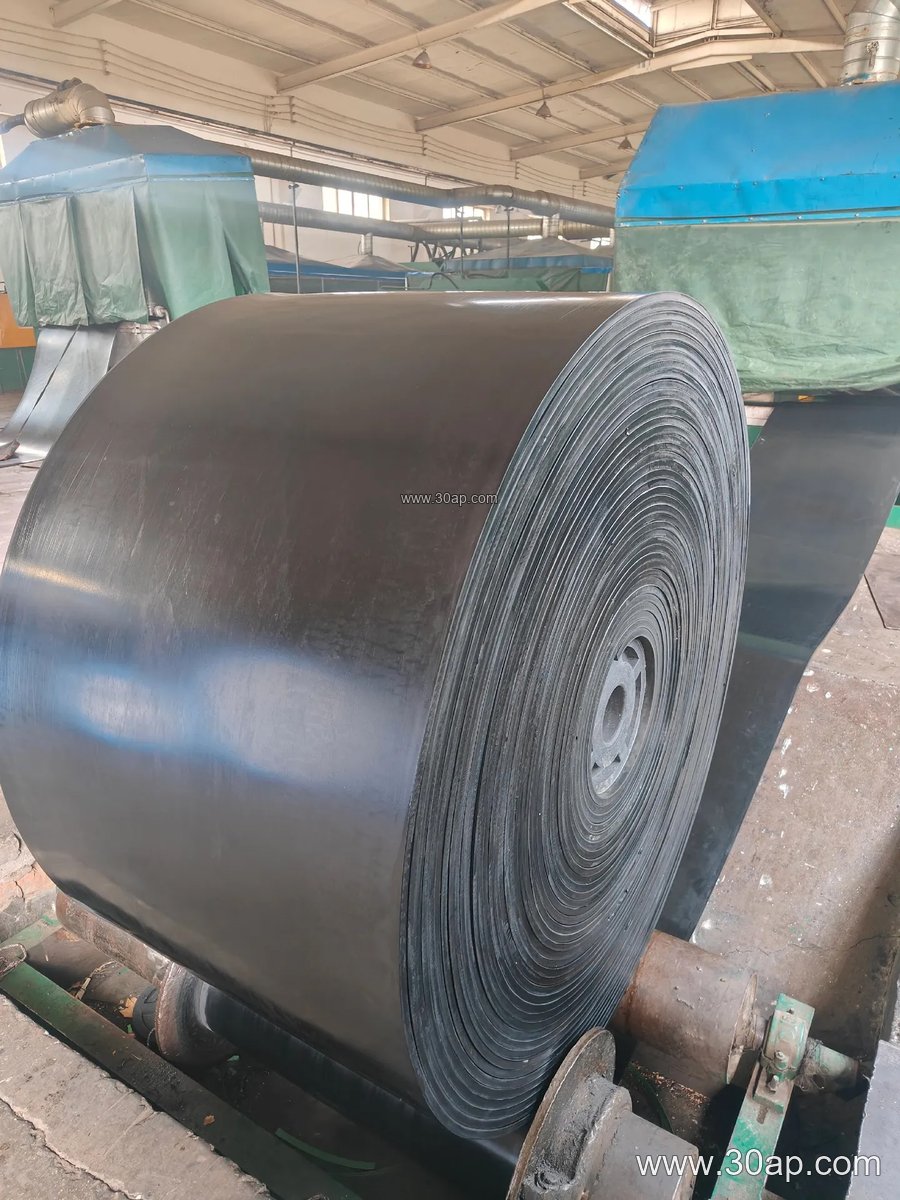
An underground mining conveyor belt is the load-carrying element of a belt conveyor system installed in tunnels, drifts, and inclined roadways below the surface. It moves coal, ore, rock, and other bulk material from the working face or loading point toward the shaft, slope, or surface transfer station. In a coal mine or metal mine, the belt works in a confined, often dusty and damp environment, so the carcass, cover compounds, and flame resistance all matter as much as raw tensile strength. The same product family also appears in cement plants, power stations, and sand and gravel yards where enclosed conveying is required.
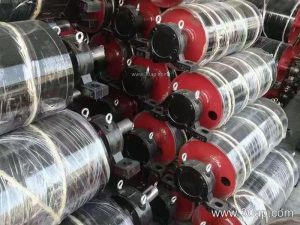
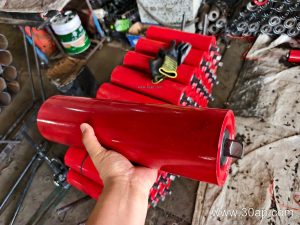
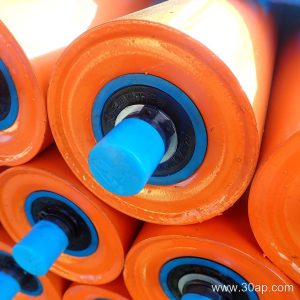
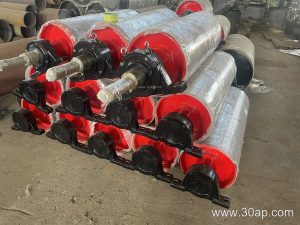
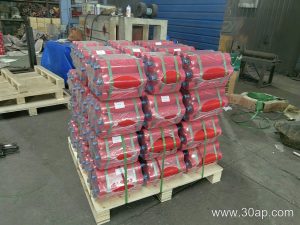
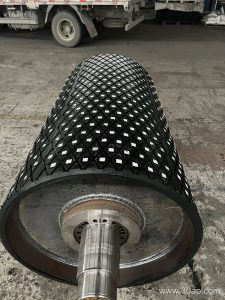
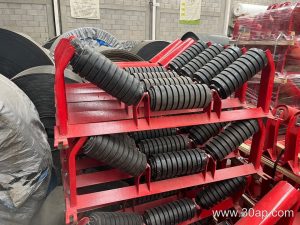
The belt itself is only one part of the system. It runs over idler rollers that support the load, around a head or drive pulley that supplies motion, a tail pulley that returns the belt, and bend pulleys that route it through curves and inclines. Conveyor brackets and frames hold these components in alignment. Choosing the belt without matching it to the pulleys, rollers, and structure usually leads to tracking problems and short service life.
Construction and Common Specifications
Most underground belts use a fabric carcass or a steel cord carcass. Fabric types include EP (polyester-cotton) and NN nylon belts, usually with two to six plies. Steel cord belts are chosen for long runs and high tension. Cover rubber is specified as top and bottom thickness, for example 4+2 mm, 5+2 mm, 6+2 mm, or 8+3 mm, and the compound can be plain, abrasion resistant, heat resistant, oil resistant, flame retardant, antistatic, or cold resistant. Underground coal service generally calls for flame-retardant and antistatic grades, often PVG or PVC where the application allows a solid-woven construction.
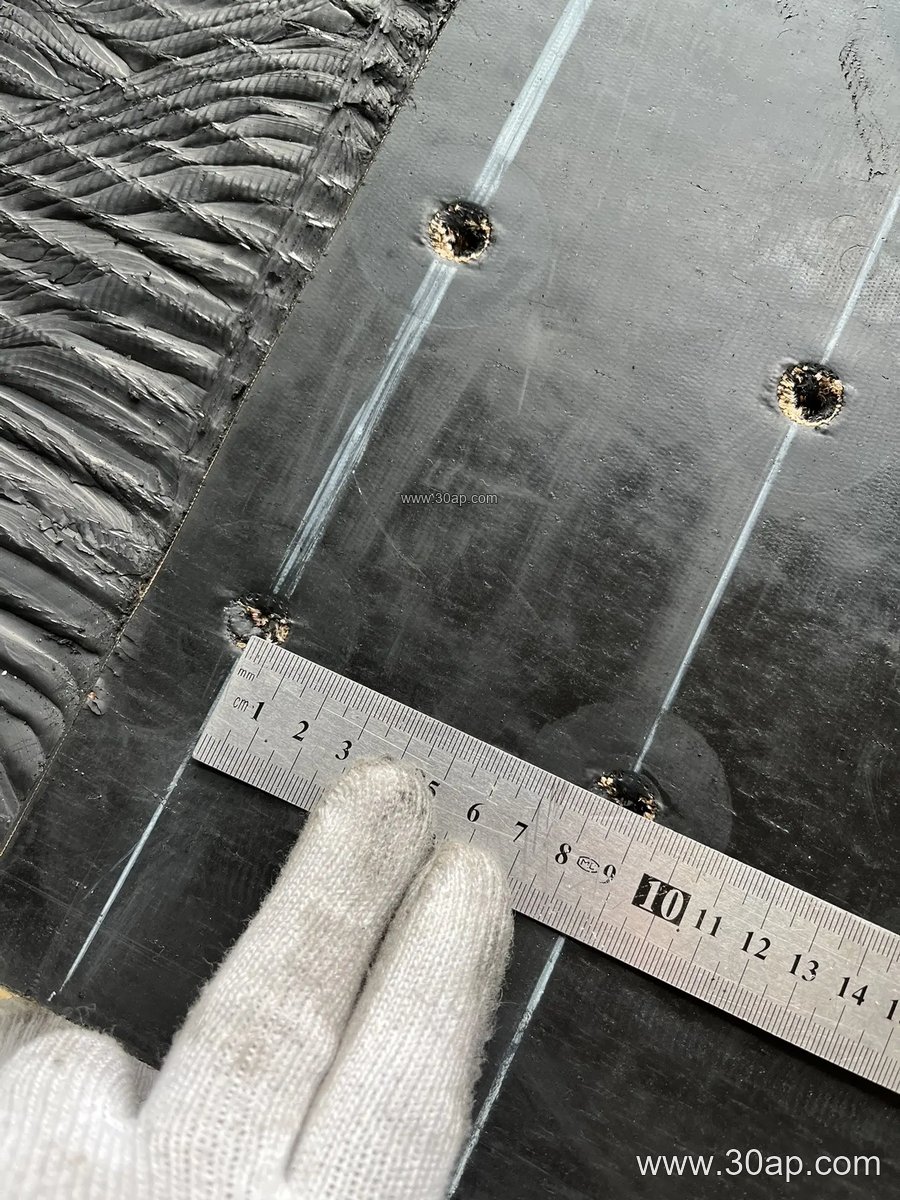
Typical reference values are shown below. These are common ranges, not fixed combinations; final selection follows the conveyor design.
| Parameter | Common reference values |
|---|---|
| Belt type | EP, NN nylon, steel cord, PVC, PVG |
| Tensile strength | EP200 to EP2000 |
| Belt width | B500, B650, B800, B1000, B1200, B1400, B1600, B1800, B2000 |
| Cover thickness | 3+1.5, 4+2, 5+2, 6+2, 8+3 mm |
| Carcass plies | 2 to 6 layers for fabric belts |
Surface forms such as patterned, herringbone, and corrugated sidewall belts are used where grip or steep inclination demands them. A belt width does not dictate one pulley diameter; the drive, tail, and bend pulleys are sized from tension, shaft load, and wrap angle, and they are not interchangeable parts.
Where It Is Used
- Coal mines and preparation plants, where flame resistance and antistatic behavior are priorities.
- Metal mines and quarries moving crushed ore and waste rock.
- Cement plants handling clinker, limestone, and additives.
- Power stations and sand and gravel yards with enclosed transfer lines.
In each case the layout of idler rollers, conveyor pulleys, and brackets determines how well the belt tracks and how evenly it wears.
Selection Points for Buyers
Start with the material: lump size, density, moisture, temperature, and oil or chemical exposure. Then confirm the required tensile grade and width against the conveyor design, and check whether flame-retardant or antistatic properties are required by the site. Review cover thickness against abrasion and impact, and confirm splice method and edge condition. Ask for the pulley and idler layout so the belt specification matches the actual hardware.
Installation and Maintenance Notes
Keep the belt centered during installation, tension it to the design value, and check that idler rollers turn freely. Inspect covers for cuts and ply separation, watch for edge damage near the tail pulley, and recheck splice condition at regular intervals. A belt that mistracks is usually a sign of misaligned frames, worn rollers, or uneven loading rather than a belt defect alone.