What a Head Bend Pulley Does
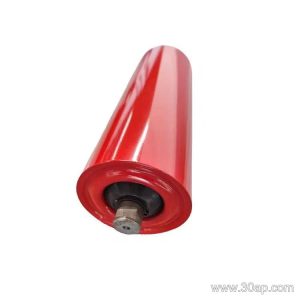
A head bend pulley is a direction-changing conveyor pulley placed near the head of a belt conveyor, where the belt leaves the discharge zone and must be guided back into the return run. It does not drive the belt and it does not tension it on its own; its job is to bend the belt path smoothly so the conveyor profile fits the structure. In a crushing and screening plant, for example, a head bend pulley often sits just behind the head pulley, turning the belt downward before it meets the first return idler roller.
Because the function is guidance rather than traction, this pulley is a close relative of the bend pulley family used at other turning points. It should not be confused with the head pulley that transmits drive torque, nor with the tail pulley at the loading end. Those are separate positions with separate duties, and swapping one for another changes how the conveyor behaves.
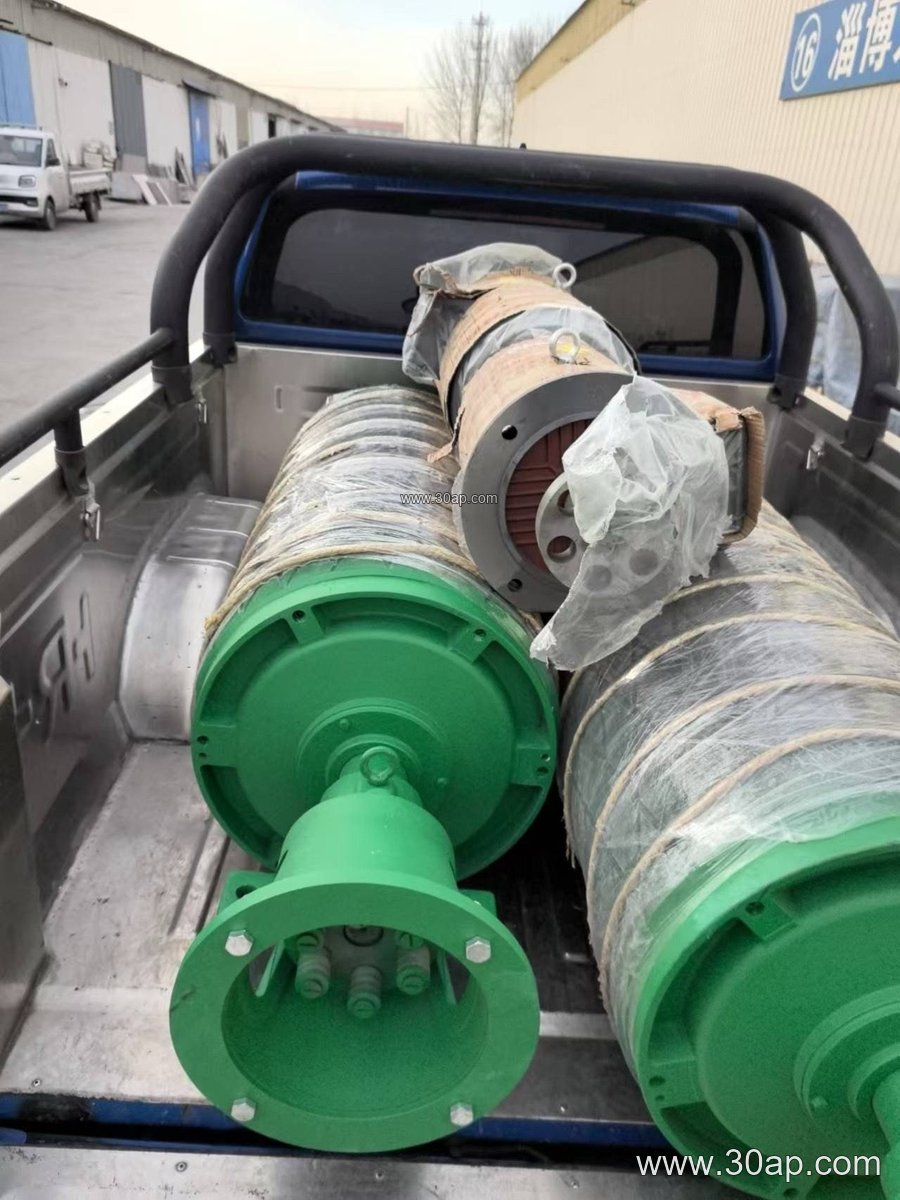
Construction and Surface Options
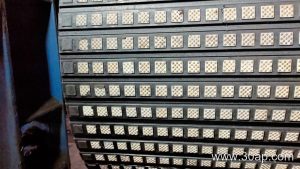
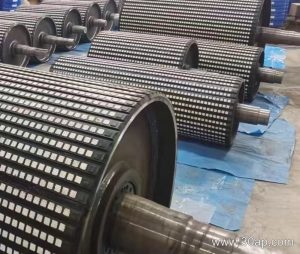
The body is usually a welded steel drum with machined end discs, fitted with a shaft, bearing housings and a lagging layer where extra grip or wear protection is needed. Common surface forms include plain finish, cold-bonded rubber, hot-vulcanized rubber, diamond lagging, herringbone lagging and ceramic lagging. Lagging thickness is commonly 8, 10, 12, 15 or 20 mm, chosen according to belt speed, material carryback and ambient conditions.
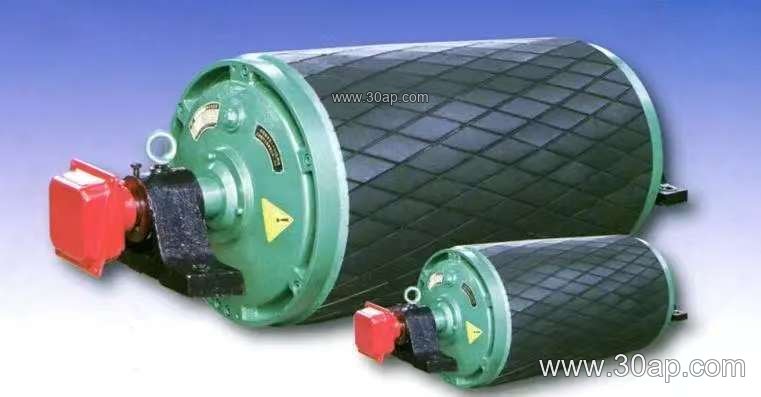
Bearing selection and shaft diameter follow the actual load and torque, not the belt width alone. Shaft sizes such as Ø80, Ø100, Ø120 or Ø140 mm appear in many designs, but the correct value is confirmed by the pulley manufacturer after the belt tensions and radial loads are known.
Typical reference dimensions
| Belt width | Usual face width | Example diameter pairing |
|---|---|---|
| B500 | about 600 mm | Ø315 or Ø400 |
| B650 | about 750 mm | Ø400 or Ø500 |
| B800 | about 950 mm | Ø500 or Ø630 |
| B1000 | about 1150 mm | Ø630 or Ø800 |
| B1200 | about 1400 mm | Ø800 or Ø1000 |
| B1400 | about 1600 mm | Ø1000 or Ø1250 |
| B1600 | about 1800 mm | Ø1250 or Ø1400 |
These are reference pairings only. A B1200 conveyor may use a Ø1000 head bend pulley in one layout and a different diameter in another, depending on wrap angle, space and belt stiffness.
Where It Fits in a Coal or Aggregate Line
In a coal handling system at a power plant, the head bend pulley helps route the conveyor belt away from the discharge chute without sharp contact that could damage the carcass. In a limestone quarry or sand and aggregate line, the same component keeps the return strand clear of the frame and the conveyor bracket assemblies. It is also found in cement plants, steel sintering lines and port bulk terminals where the head area is congested.
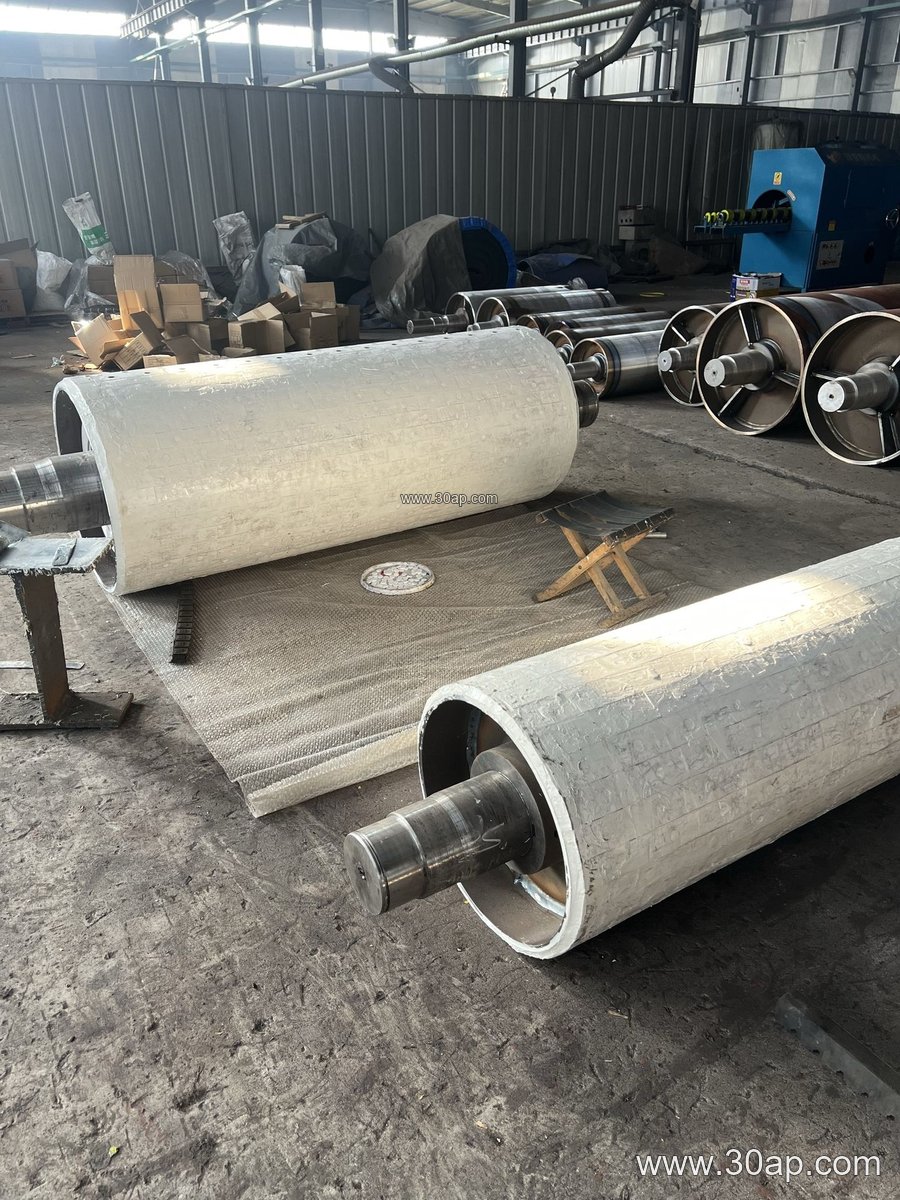
Correct alignment matters. A head bend pulley that is out of square with the belt centerline will cause edge wear and mistracking, and the problem often shows up as uneven loading on the nearby conveyor idler roller rather than at the pulley itself.
Buyer Checklist
- Confirm the position and wrap angle, then state the belt width, speed and material handled.
- Specify the surface: plain, rubber lagging or ceramic, and the lagging thickness.
- Provide belt tensions so the shaft and bearings can be sized properly.
- Check that the face width suits the belt and that the pulley fits the existing conveyor bracket.
- Ask for the balancing grade and the bearing type, since these affect vibration and service life.
A head bend pulley is a small part of the conveyor cost but a large part of its reliability. Matching it to the real layout, rather than to a catalog shortcut, is the practical way to keep a belt conveyor running in mining, quarrying and bulk handling duty.