What a Carbon Steel Conveyor Bracket Does
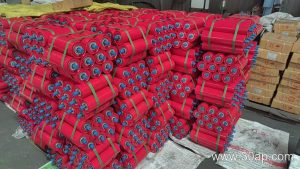
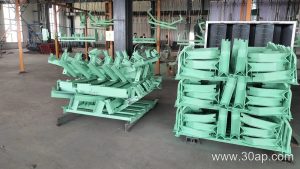
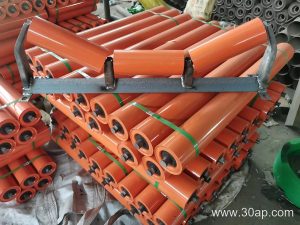
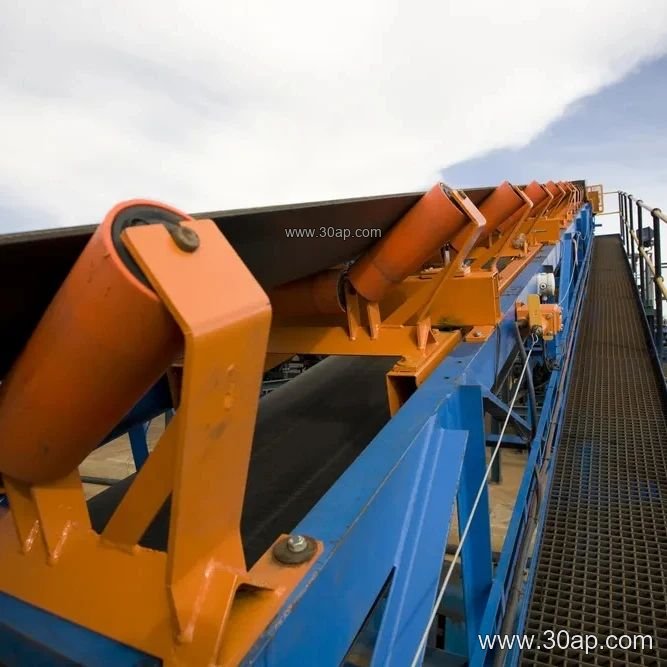
A carbon steel conveyor bracket is the structural interface between the conveyor frame and the idler roller that carries the conveyor belt. It holds each idler at the correct height, angle and spacing so the belt keeps its trough shape and tracks steadily under load. In a quarry, a cement plant or a coal handling line, these brackets are the parts that quietly transfer the weight of the belt and material into the main frame.
The product is also called a carbon steel idler bracket or carbon steel roller support bracket. It is a fabricated steel part, not a rotating component, so its job is stiffness, alignment and long service life rather than motion.
How the Bracket Is Built
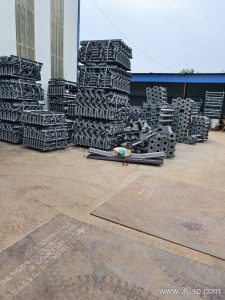
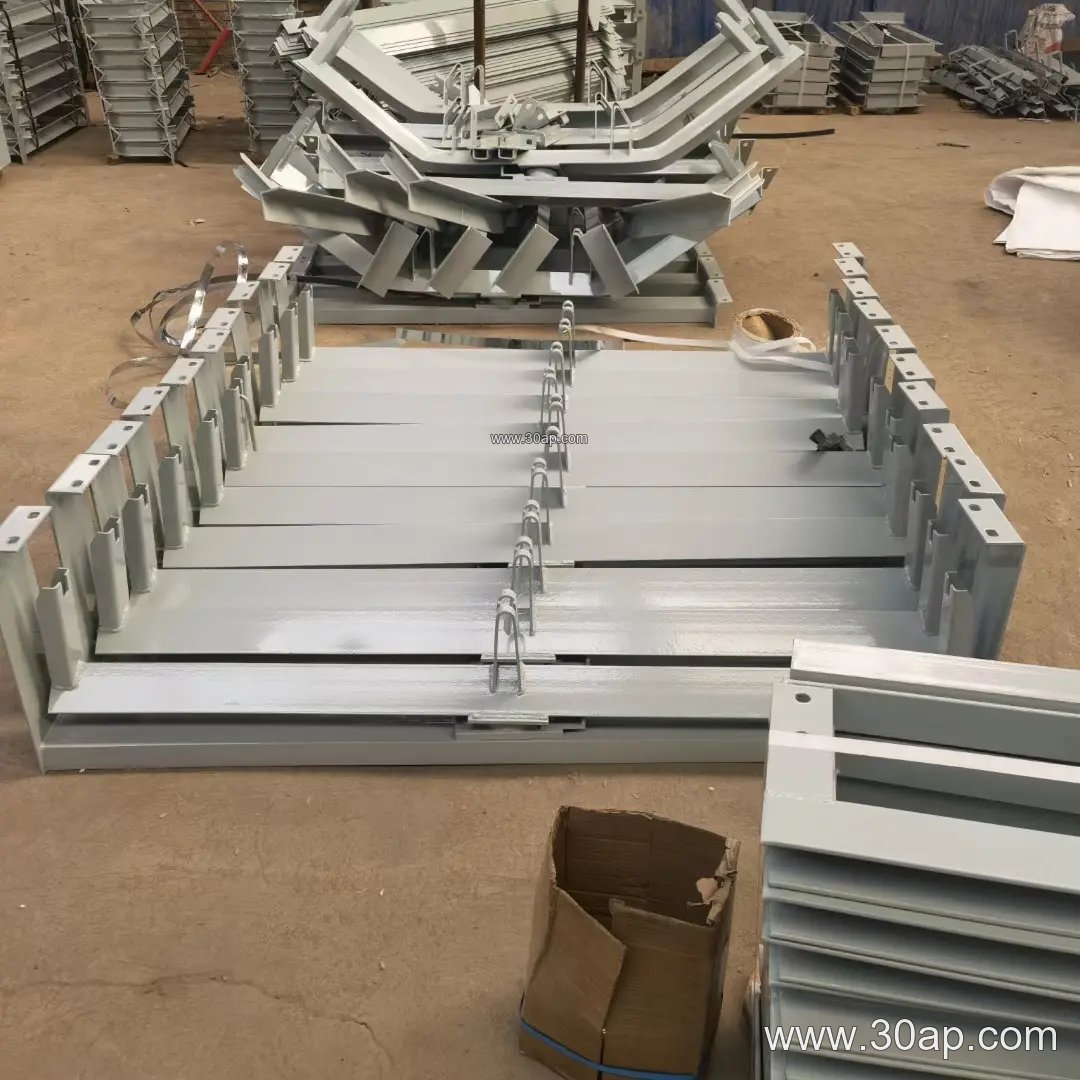
Most brackets are fabricated from angle steel, channel steel or folded steel plate. The fabrication route is straightforward but needs care: cutting, punching or drilling the mounting holes, bending the idler seats, welding the gussets, and then surface treatment such as painting or galvanizing. Carbon steel gives the bracket good strength and weldability at a reasonable cost, which suits heavy bulk handling duty.
Key construction details a buyer should check include:
- Plate and section thickness, since this controls stiffness under belt load
- Slot or hole position for the idler shaft, which must match the roller end
- Welding quality at the gusset and seat joints
- Hole spacing and crossbeam length, which are determined by belt width and trough angle rather than fixed values
- Surface protection for dusty, wet or corrosive sites
Common Bracket Types and Where They Sit
A conveyor system uses several bracket positions, and they are not interchangeable. Trough brackets support the carrying side of the belt, while return brackets support the empty side. Transition brackets sit near the pulleys to guide the belt from flat to troughed. Self-aligning brackets help correct belt drift, and impact brackets are used at loading points where material falls onto the belt.
The table below shows typical reference combinations. These are examples, not fixed rules, and final dimensions follow the conveyor design.
| Bracket position | Typical belt width | Trough angle | Typical idler diameter |
|---|---|---|---|
| Carrying trough bracket | B800 | 35 degrees | Ø108 |
| Carrying trough bracket | B1200 | 45 degrees | Ø133 |
| Return flat bracket | B650 | Flat | Ø89 |
| Transition bracket | B1000 | 30 degrees | Ø108 |
| Heavy duty carrying bracket | B1400 | 35 degrees | Ø159 |
Adjustable brackets allow the trough angle to be changed within a range, commonly between 20 and 45 degrees. Fixed brackets are welded or bolted at one angle. In a coal preparation plant, for example, a fixed 35 degree bracket may be chosen for stable running, while a sand and gravel line may use adjustable brackets to fine-tune belt capacity.
Matching the Bracket to the Belt and Roller
The bracket must match both the conveyor belt width and the idler roller it carries. A wider belt needs a longer crossbeam and wider mounting span, and the bracket seat must accept the roller shaft end correctly. The trough angle also affects the bracket geometry, because a 20 degree seat and a 45 degree seat place the idler at different positions.
Do not assume that one belt width can only use one trough angle or one roller diameter. A B800 conveyor may run with 30 or 35 degree troughing and with different roller diameters depending on load and belt speed. Shaft diameter should come from the roller and frame design, not from belt width alone.
Buying and Maintenance Notes
When specifying carbon steel conveyor brackets, confirm the belt width, trough angle, roller diameter, mounting hole spacing and the frame beam size. Ask for the drawing so the seat height and hole pattern can be checked against the idler roller and the conveyor pulley positions at the head and tail. For dusty sites such as a lime plant or a crushing and screening line, specify a coating or galvanized finish that suits the environment.
During operation, inspect brackets for loose bolts, bent seats, weld cracks and corrosion. A bracket that has lost its angle will let the belt sag or drift, which increases wear on the belt edge and on the idler. Replacing a damaged bracket early is usually cheaper than repairing a damaged belt.