What the Head Pulley Does on a Belt Conveyor
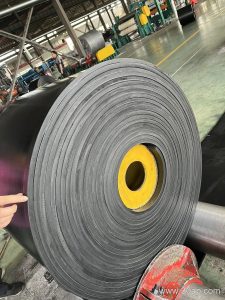
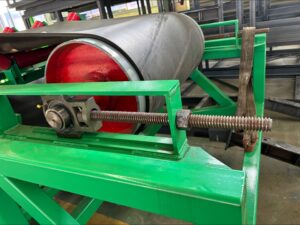
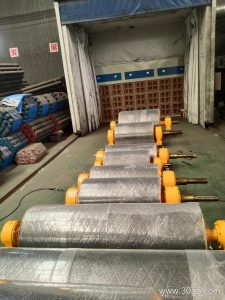
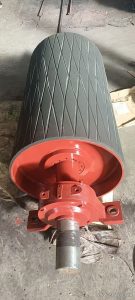
The belt conveyor head pulley is the driven drum at the discharge end of a conveyor. It grips the conveyor belt, pulls the loaded strand toward the discharge point, and transfers torque from the drive system to the belt. Because it sits at the head, it also sets the belt path as material leaves the conveyor. In hard-rock mines, coal preparation plants, cement kilns, and power station coal yards, this pulley is often the component that determines how smoothly the belt tracks and how well the belt is cleaned before the return run.
Another accurate name for the same product is the conveyor head drum. It is not a tail pulley, a bend pulley, or a tension pulley; those serve different positions and duties. A tail pulley turns at the tail end, a bend pulley changes belt direction, and a tension pulley takes up slack. The head pulley is the one that drives and discharges.
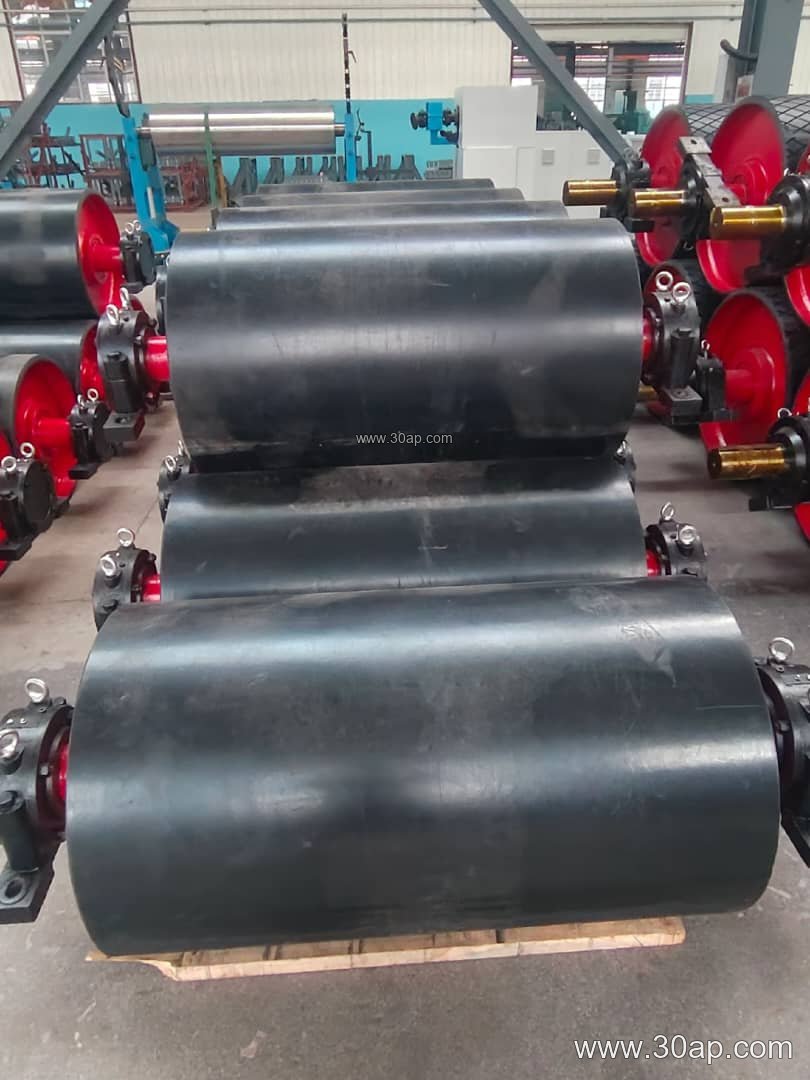
Construction and Surface Options
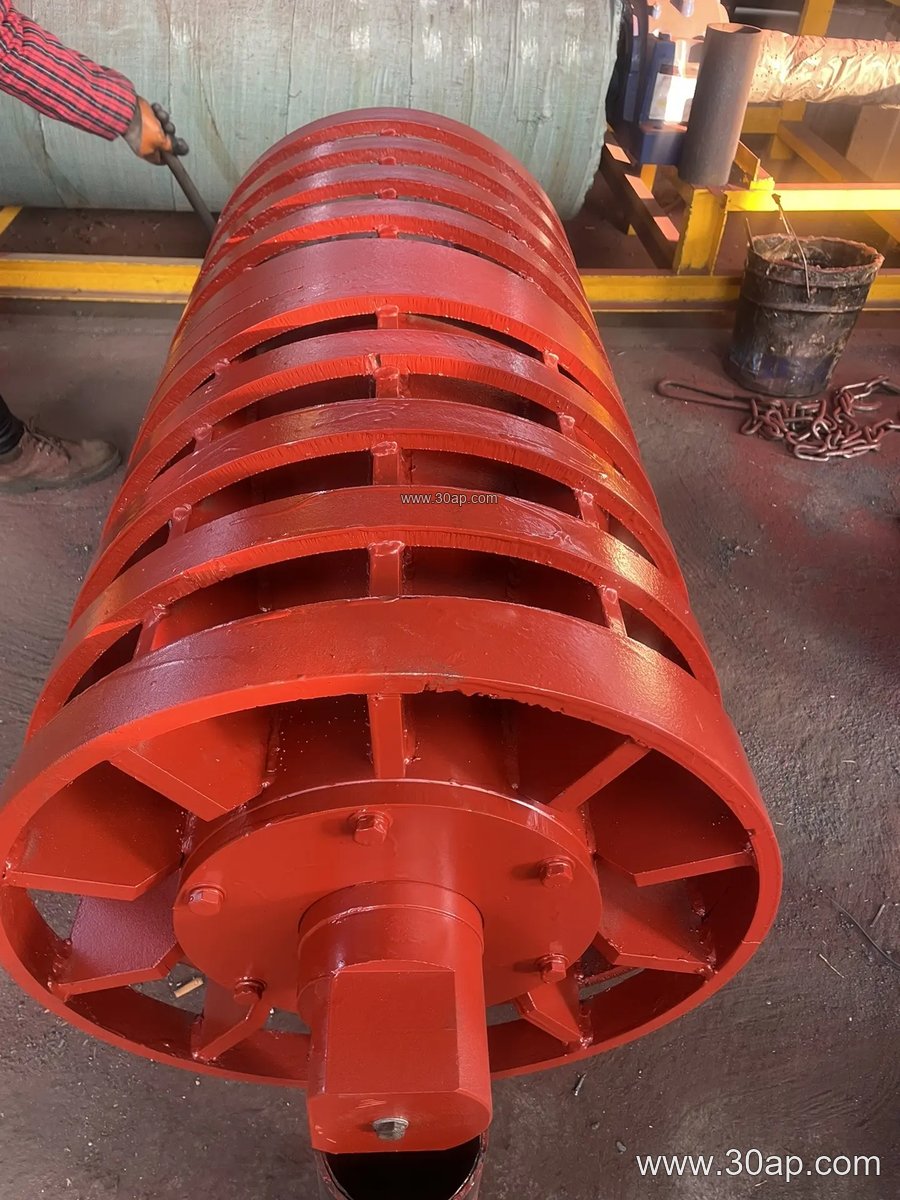
A typical head pulley is built around a steel shell, a shaft, and end discs or hubs. The shell carries the belt, while the shaft transmits torque to the drive. Lager sizes are matched to belt width and load, not chosen from a single formula. Common diameters include Ø500, Ø630, Ø800, Ø1000, and Ø1250 mm, and shell widths usually run slightly wider than the belt. For example, a B800 belt may use a shell around 950 mm wide, while a B1200 belt may use about 1400 mm.
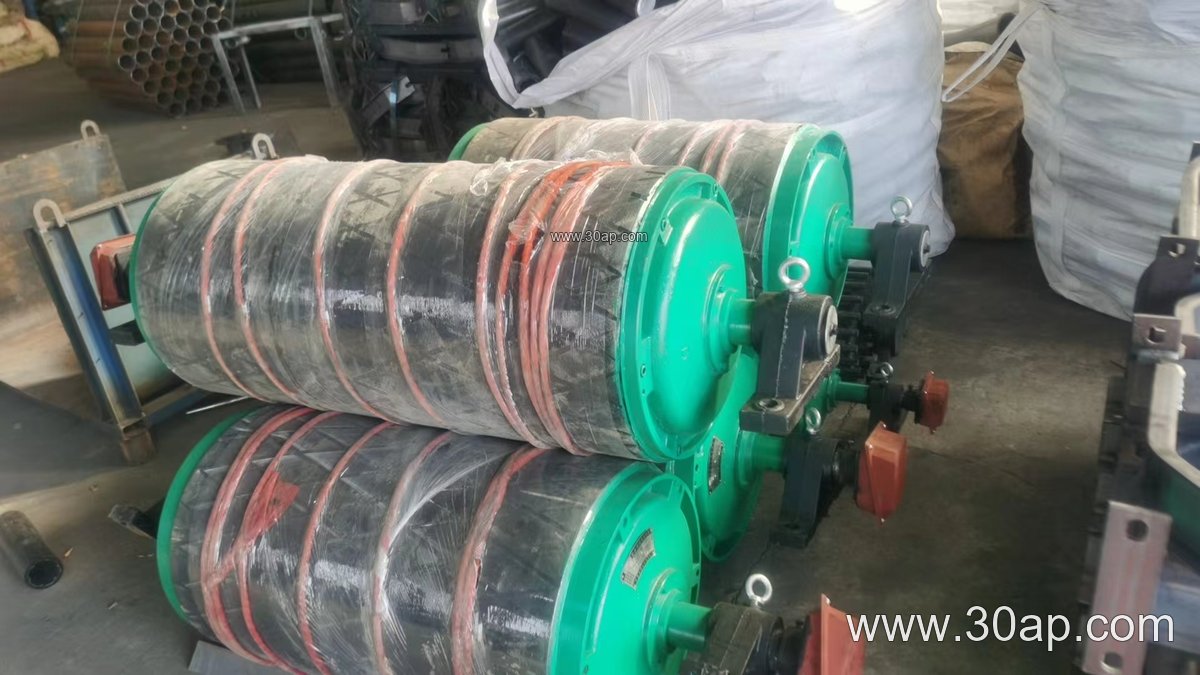
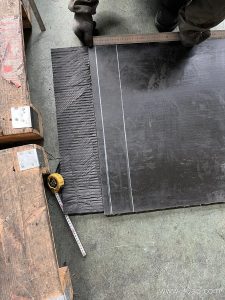
The surface form matters as much as the size. Plain steel is used where grip is adequate. Rubber lagging—applied by hot vulcanizing, cold bonding, or casting—improves friction and protects the shell. Diamond and herringbone patterns help shed water and fines, while ceramic lagging is chosen for high-wear, high-traction duties. Lagging thickness commonly ranges from 8 mm to 20 mm. A buyer should state the material, belt speed, and expected wet or dry conditions so the lagging pattern and thickness can be selected sensibly.
Where It Fits in the Plant
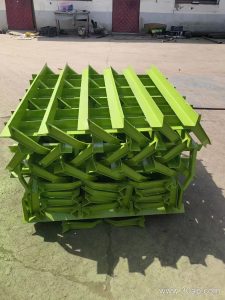
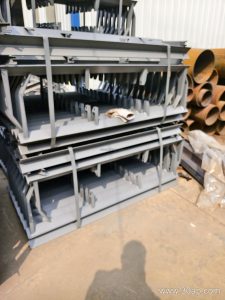
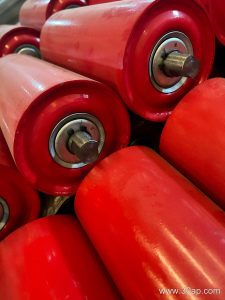
In a sand and gravel line, the head pulley at the discharge of a primary conveyor often works with a belt cleaner and a skirtboard to control material flow. In a coal washing plant, the same component may face fine coal slurry and require a grooved or ceramic surface for grip. In a cement plant, clinker conveyors put abrasive dust on the belt and pulley, so shell protection and lagging wear life become key. The head pulley also interacts with the conveyor belt, idler roller, conveyor bracket, and take-up system; poor alignment at the head can affect the whole conveyor.
Specification Pointers for Buyers
When specifying a belt conveyor head pulley, use the belt width, belt speed, motor power, and load profile to define the diameter and shaft. Do not assume a fixed shaft diameter from belt width alone; shaft size follows torque and bearing load. The table below gives common reference combinations, not universal rules.
| Belt width | Common shell width | Example diameter | Typical lagging |
|---|---|---|---|
| B400 | about 500 mm | Ø200–Ø315 | 8–12 mm |
| B650 | about 750 mm | Ø315–Ø500 | 10–12 mm |
| B800 | about 950 mm | Ø400–Ø630 | 10–15 mm |
| B1000 | about 1150 mm | Ø500–Ø800 | 12–15 mm |
| B1200 | about 1400 mm | Ø630–Ø1000 | 12–20 mm |
| B1400 | about 1600 mm | Ø800–Ø1250 | 15–20 mm |
Use the table as a starting point for discussion. Final dimensions depend on belt tension, drive arrangement, and the pulley’s position. A head pulley with the right lagging and a well-matched shaft will reduce belt slip and extend conveyor belt life. Mention the belt width, desired diameter, shaft size, lagging type, and bearing style in the inquiry so the supplier can confirm the design.
Maintenance Notes
Check lagging wear, shell runout, and bearing condition during scheduled shutdowns. Worn lagging reduces grip and can cause belt slippage, especially in wet coal or aggregate service. Keep the discharge area clear so material does not build up against the pulley. When replacing a head pulley, verify that the new unit matches the conveyor bracket and drive coupling, and recheck belt tracking after installation.