What a Belt Conveyor Bracket Does
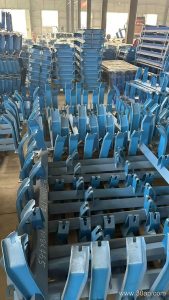
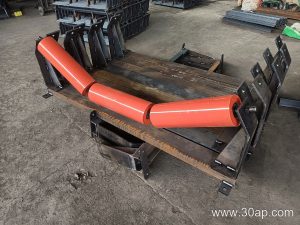
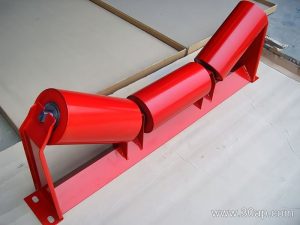
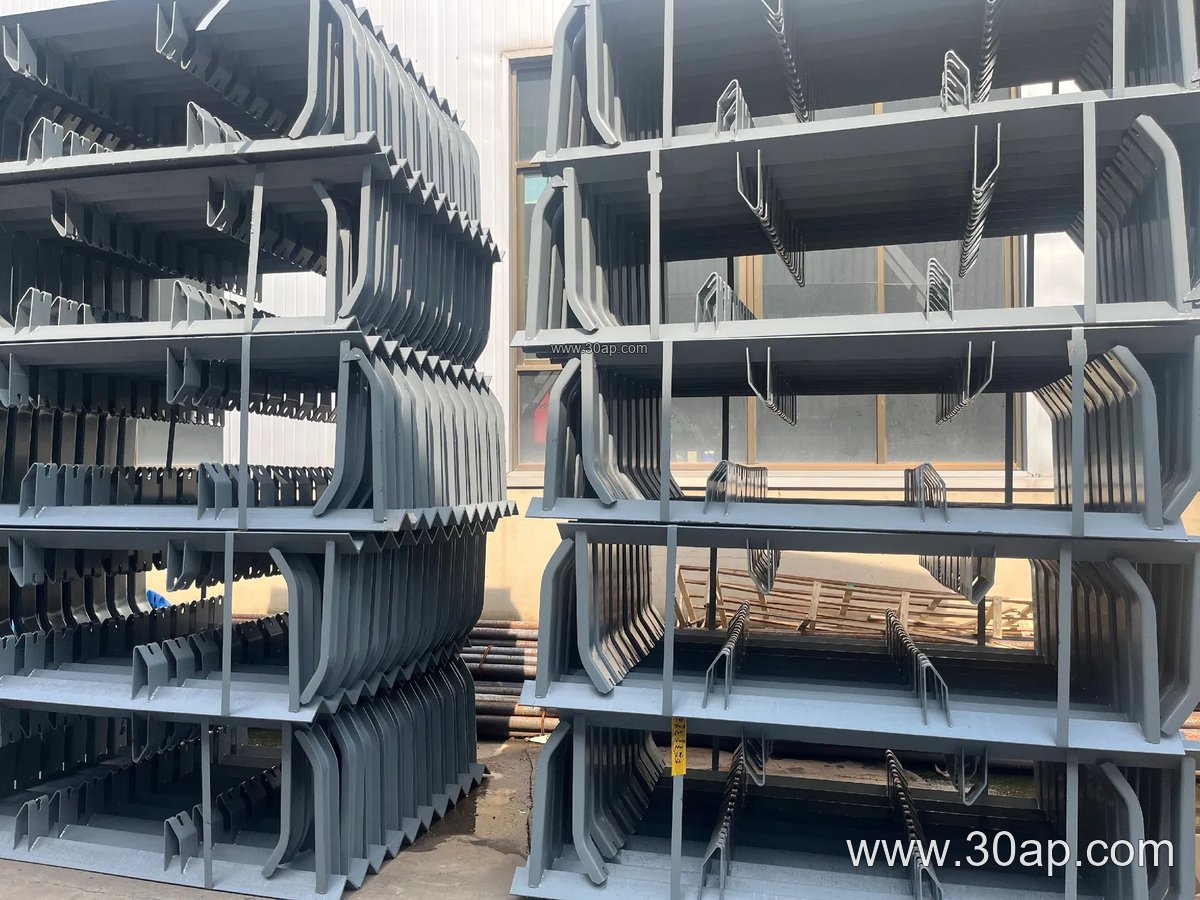
A belt conveyor bracket is the support structure that holds idler rollers in the correct position under and around the conveyor belt. It is a fabricated steel component, usually made from angle steel, channel steel, or bent steel plate, and it connects the idlers to the conveyor frame. In a quarry, a coal washing plant, or a cement plant, the bracket is the part that keeps the belt profile stable, so material stays on the belt instead of spilling off the edges.
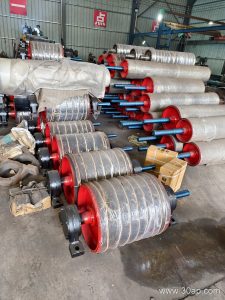
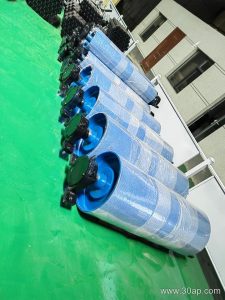
The bracket is often called a conveyor bracket or idler bracket, but it should not be confused with the pulley assemblies at the ends of the conveyor. Drive pulleys, tail pulleys, and bend pulleys are separate components with different functions. The bracket works with the conveyor belt, the idler roller, and the conveyor pulley to form the complete conveying line.
Common Types and Where They Sit
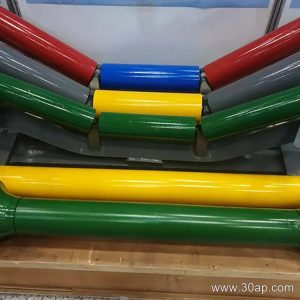
The type of bracket depends on its position along the conveyor. Troughing brackets carry the loaded side of the belt and set the trough angle. Return brackets support the empty side, and V-type return brackets help center the belt on the return run. Transition brackets sit near the pulleys, where the belt changes from flat to troughed. Impact brackets are used under loading points to absorb shock, while self-aligning brackets help correct belt tracking.
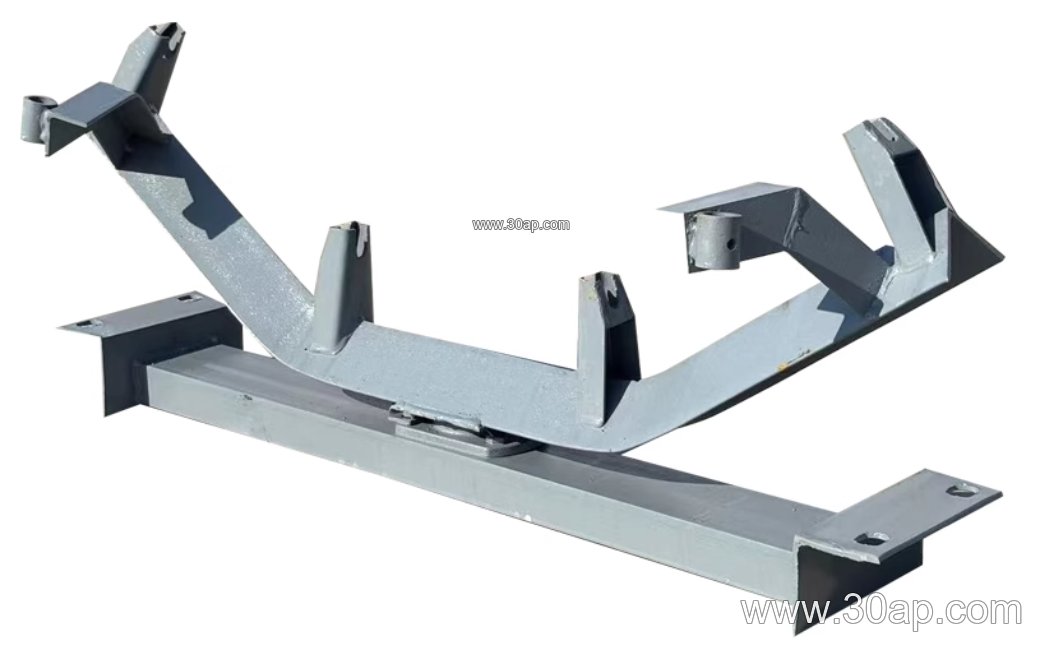
- Troughing and upper trough brackets for the carrying side
- Return and V-return brackets for the empty side
- Transition brackets near head and tail pulleys
- Impact brackets at transfer points
- Self-aligning and forward-leaning brackets for tracking control
- Hanging and adjustable brackets for special frame layouts
Adjustable brackets allow the trough angle to be changed on site, which is useful when the same frame design serves different materials. Forward-leaning brackets usually tilt about 1.5 to 2 degrees to encourage belt centering.
Sizes, Angles, and Roller Diameters
Bracket dimensions follow the belt width and the required trough angle. Common belt widths include B500, B650, B800, B1000, B1200, B1400, B1600, B1800, B2000, and B2200. Trough angles are commonly 20, 30, 35, or 45 degrees, and roller diameters are usually Ø89, Ø108, Ø133, Ø159, or Ø194. These are reference ranges, not fixed pairings. A B800 belt may run at 35 degrees with Ø108 rollers, while a B1200 line might use 45 degrees and Ø133 rollers, depending on the material and design speed.
Mounting hole spacing and crossbeam length change with belt width and trough angle, so they should be confirmed from the conveyor drawing rather than assumed. The table below shows typical combinations for reference only.
| Belt width | Common trough angle | Typical roller diameter | Typical bracket use |
|---|---|---|---|
| B500 | 20–30 degrees | Ø89 | Small transfer lines, sand and gravel |
| B650 | 30 degrees | Ø89–Ø108 | Aggregate and fertilizer handling |
| B800 | 35 degrees | Ø108 | Coal washing and cement plants |
| B1000 | 35–45 degrees | Ø108–Ø133 | Iron ore and power plant coal lines |
| B1200 | 45 degrees | Ø133 | Heavy bulk material transport |
| B1400–B1600 | 35–45 degrees | Ø133–Ø159 | Large quarry and port conveyors |
| B1800–B2200 | 35–45 degrees | Ø159–Ø194 | High-capacity bulk handling |
What Buyers Should Check
Before ordering, confirm the belt width, trough angle, roller diameter, and mounting hole pattern against the existing frame. Check the steel grade and surface treatment, since dusty or wet conditions in a limestone mine or tunnel project can shorten the life of a poorly finished bracket. Ask whether the bracket is fixed or adjustable, and whether it is designed for impact or self-aligning service. The bracket should match the idler roller series already in use, so spare parts stay compatible.
Installation matters as much as the part itself. Brackets should be aligned so the idlers sit square to the belt path, and fasteners should be tightened to the supplier’s recommendation. During maintenance, check for bent brackets, worn mounting holes, and loose bolts, because a misaligned bracket can cause belt edge wear and tracking problems. Replacing a damaged bracket early is usually simpler than correcting the belt damage it can cause.
Summary
A belt conveyor bracket is a small but critical part of any bulk handling line. Matching the bracket type, trough angle, and roller diameter to the belt width and operating conditions keeps the conveyor belt running centered and reduces downtime in mines, cement plants, power stations, and aggregate yards.