What an Impact Resistant Conveyor Belt Is
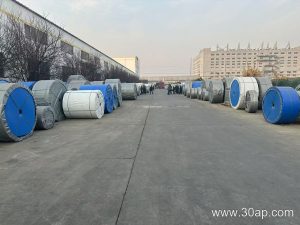
An impact resistant conveyor belt is a heavy-duty rubber belt designed to absorb the shock of large, sharp or heavy lumps at the loading point. In mines, quarries, coal preparation plants, cement works, power stations and sand and gravel yards, rock and clinker often drop from a considerable height onto the belt. A standard belt may cut, gouge or bruise under that load, while an impact resistant conveyor belt uses a tougher cover and a shock-absorbing carcass to spread the force over a wider area.
This belt is still a conveyor belt in the ordinary sense. It carries material along the troughing idlers, around the drive pulley, tail pulley and bend pulleys, and returns on the return idlers. The difference lies in how the belt is built, not in the basic conveying principle.
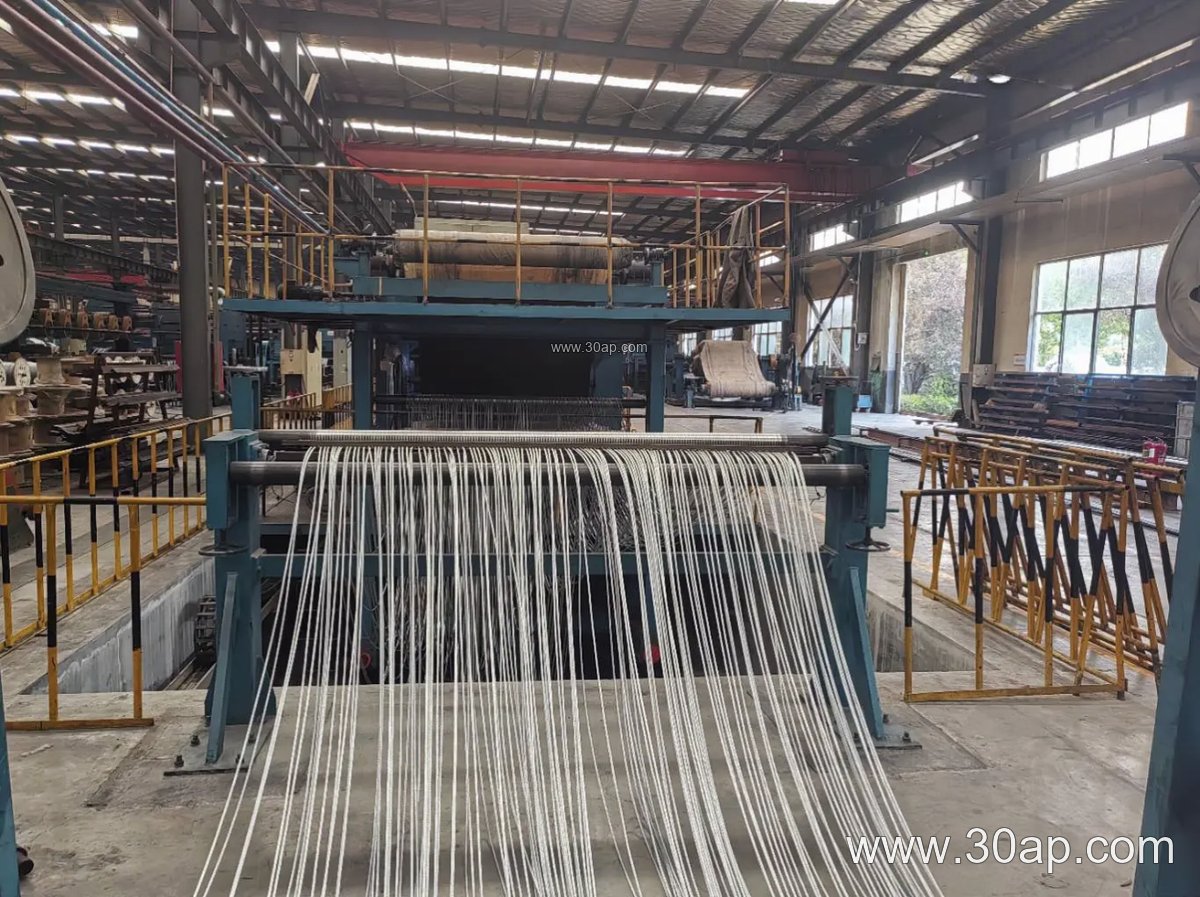
How the Belt Is Constructed
The impact resistance comes mainly from two parts of the belt: the top cover compound and the carcass. The cover is usually a thick, high-elasticity rubber that resists cutting and tearing. Cover thickness is often specified in pairs such as 6+2 mm or 8+3 mm, where the first figure is the top cover and the second is the bottom cover. Heavier loading points tend to call for a thicker top cover.
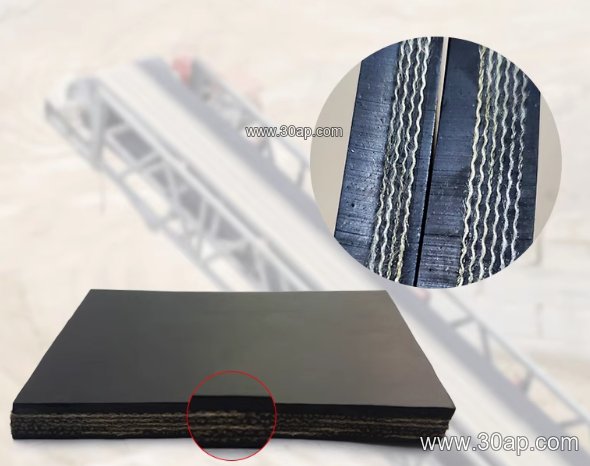
The carcass provides strength and flexibility. Common constructions include EP fabric plies, NN nylon plies and steel cord. For impact duty, fabric belts with 3 to 6 plies are often used, and the fabric layer helps distribute point loads. Steel cord belts are chosen where very high tensile strength is needed, but the cover and breaker layer still do much of the impact work.
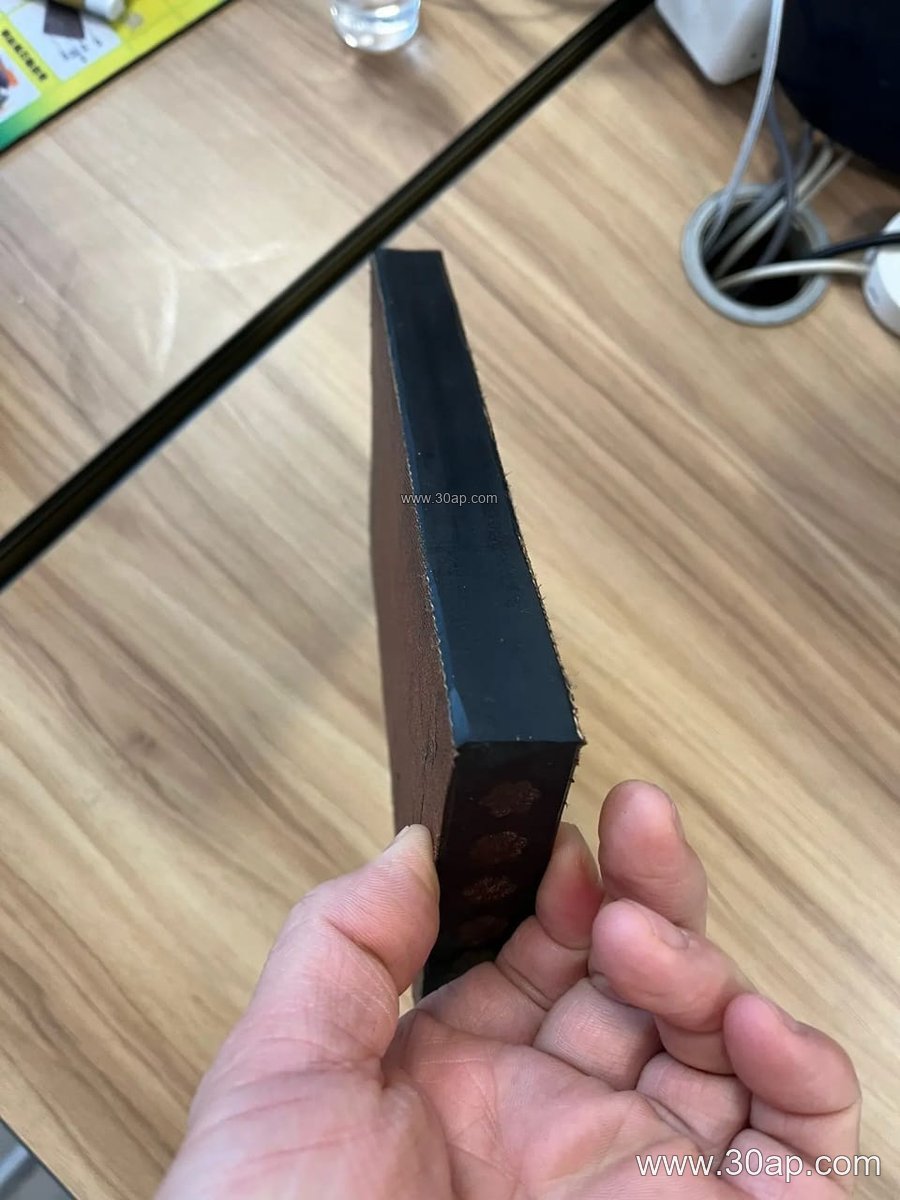
A breaker layer, sometimes called an impact breaker, may be placed under the top cover to resist penetration by sharp stone. The belt edges are also protected, since edge damage is a common cause of early failure at transfer points.
Typical Specifications
The figures below are common reference values. Actual belts are made to order, and different manufacturers offer different combinations. They are not fixed pairings.
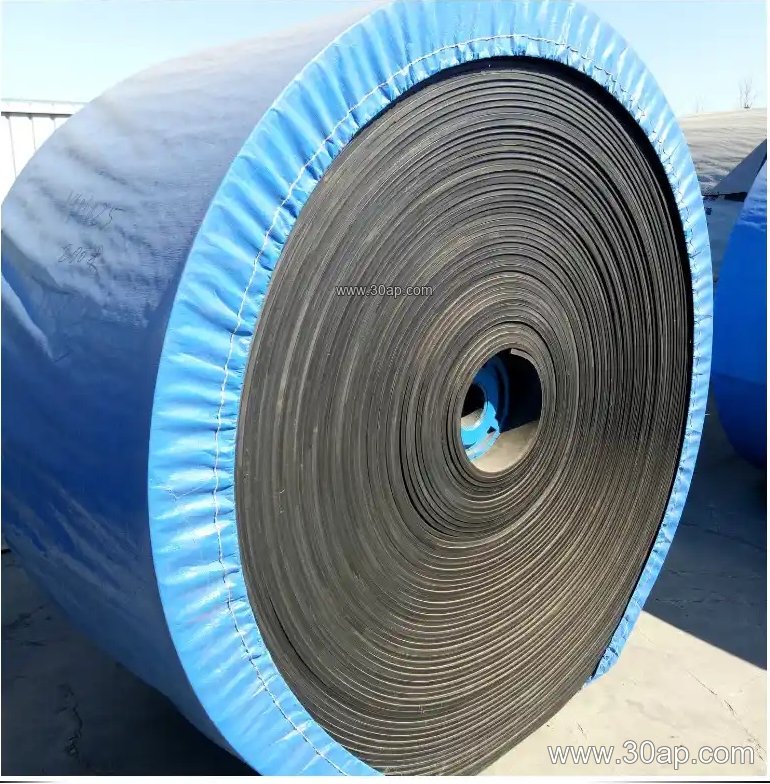
| Parameter | Common reference values |
|---|---|
| Belt type | EP, NN nylon, steel cord |
| Tensile strength | EP200, EP315, EP400, EP500, EP630, EP800, EP1000, EP1250, EP1600, EP2000 |
| Belt width | B500, B650, B800, B1000, B1200, B1400, B1600, B1800, B2000 |
| Top and bottom cover | 3+1.5, 4+2, 5+2, 6+2, 8+3 mm |
| Carcass plies | Usually 2 to 6 fabric layers |
Width and strength should be selected together with the conveyor design, the lump size, the drop height and the throughput. A wide belt does not automatically suit every pulley or idler arrangement, and the pulley diameter is set by the conveyor designer, not by belt width alone.
Where It Is Used
- Primary crushing stations in metal mines and stone quarries, where run-of-mine rock hits the belt hard.
- Coal handling systems in coal mines and power plants, especially below crushers and screens.
- Cement plants handling clinker, limestone and gypsum.
- Sand and gravel yards loading washed aggregate from hoppers.
- Steel and foundry plants moving coke, ore and slag.
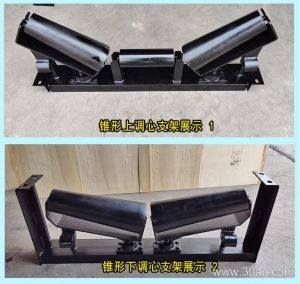
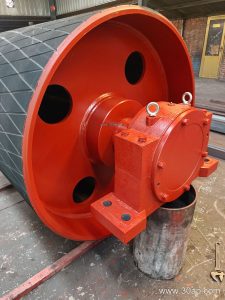
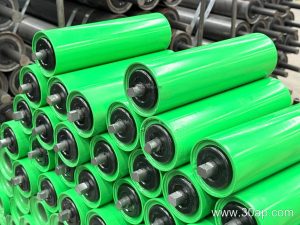
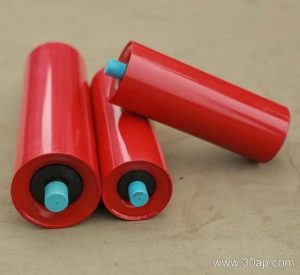
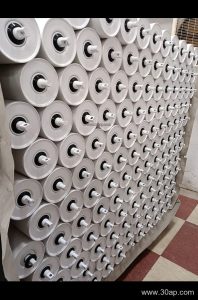
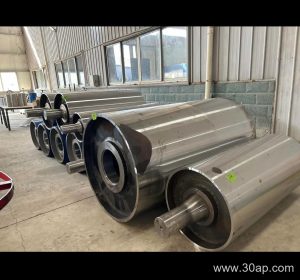
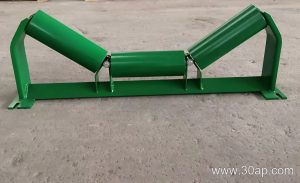
In these places the belt works alongside conveyor pulleys, idler rollers, conveyor brackets and the supporting frame. A well-aligned conveyor pulley and properly spaced idler roller sets reduce edge wear and help the belt run true.
Buyer Checklist
Before ordering, describe the material, maximum lump size, drop height, belt speed and daily running hours. Ask for the cover grade and carcass construction, not just the tensile grade. Check whether a breaker layer is included. Confirm the belt width and cover thickness against the actual loading conditions.
At the transfer point, use impact idlers or cushion idlers under the loading zone, keep the chute height reasonable and avoid off-centre loading. Check the tail pulley and bend pulleys for material build-up, since a worn or misaligned pulley can damage even a tough belt. Store spare belts flat and away from sunlight, and inspect the cover regularly for cuts that could grow into carcass damage.
An impact resistant conveyor belt is not a substitute for good conveyor design. It is a wear part chosen to survive harsh loading, and its service life depends on matching the belt build to the duty, then keeping the pulleys, idlers and frame in good order.