What the Ø108 Mining Idler Is
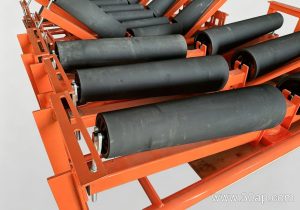
The Ø108 Mining Idler is a carrying or return roller with a nominal shell diameter of 108 mm, built for belt conveyors that move abrasive bulk material. In a limestone quarry, a coal washing plant, or a cement kiln feed line, this roller diameter sits in a practical middle range: large enough to hold a stiff shaft and a robust bearing housing, small enough to keep the conveyor frame compact. It is one of the standard sizes in the Ø89 to Ø133 band and is often specified when belt widths from roughly B800 to B1400 are used.
The same product also appears under its equivalent name, the 108 mm belt conveyor roller or Ø108 conveyor idler. All three terms describe one item, and buyers should treat them as interchangeable when reading a parts list.
How the Roller Is Built
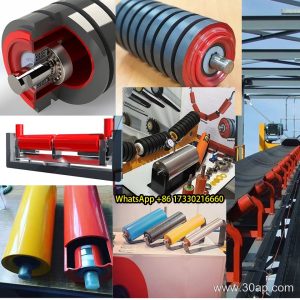
A typical Ø108 idler combines a steel tube shell, a through shaft, pressed bearing housings, and a multi-stage seal. The shell wall thickness and the bearing seat are the two features that decide service life in dusty conditions. Common bearing options for this diameter include 6205, 6305, and 6306, but the final choice depends on load, speed, and the housing design rather than on the diameter alone.
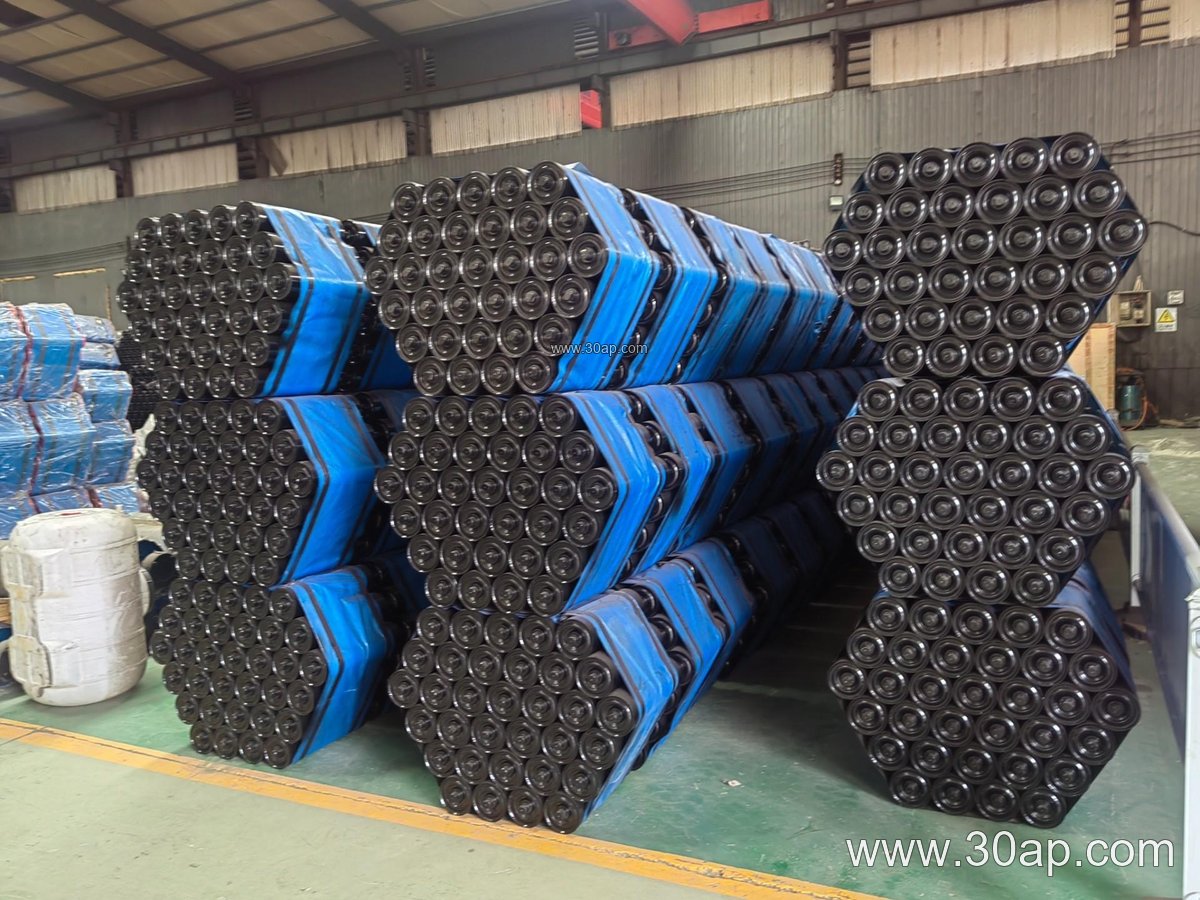
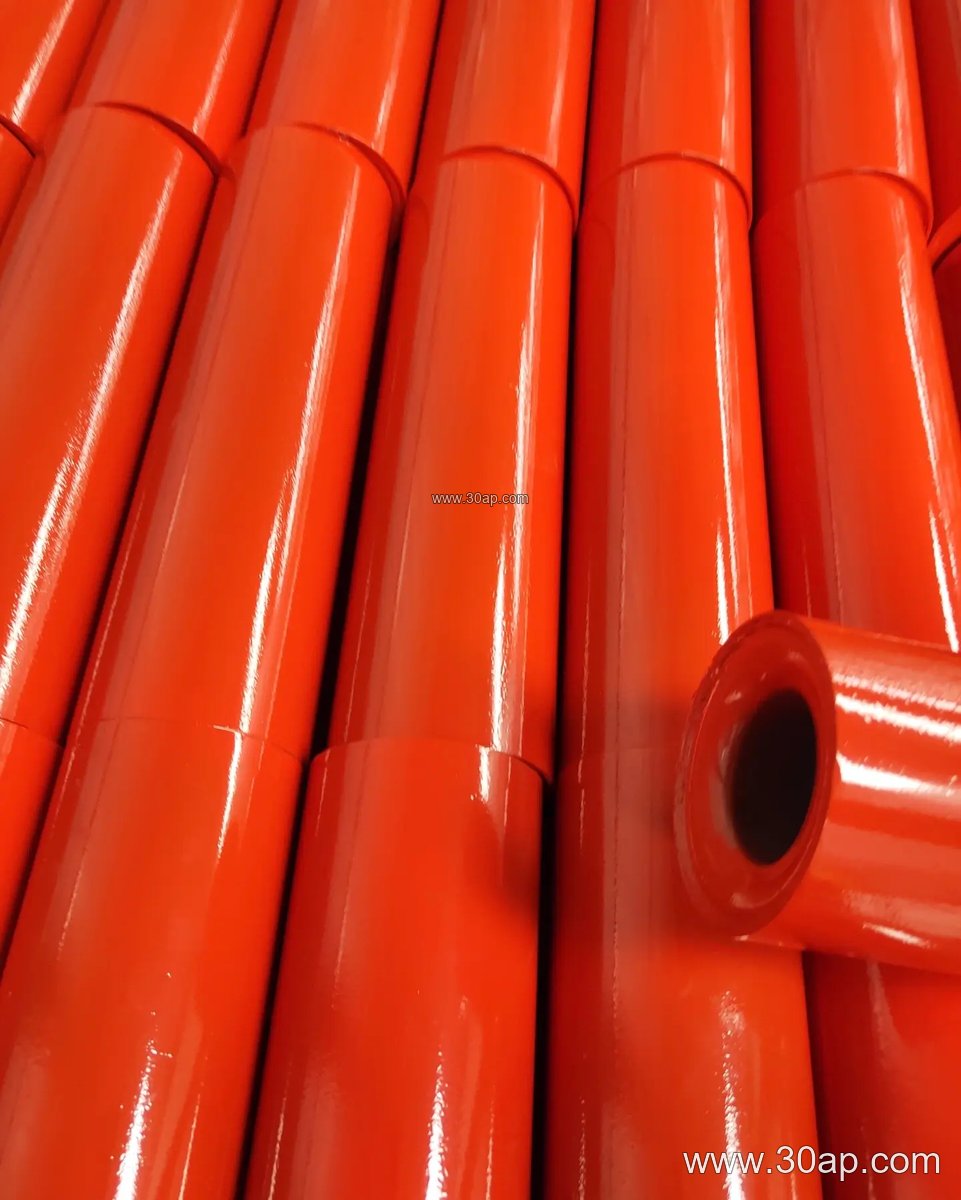
Surface form matters as much as the shell. A plain steel tube suits clean, dry material. A rubber ring version is used at transfer points where impact is heavy, and a ceramic or nylon cover is chosen when sticky fines build up on the shell. The seal is what keeps grit out of the bearing cavity, so a labyrinth or triple-lip arrangement is worth checking on any quotation for a mine site.
Where It Fits on the Conveyor
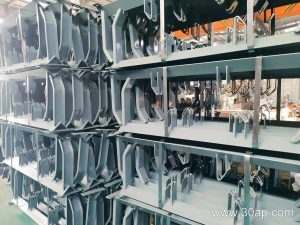
On the carrying side, three-roll troughing sets are the usual arrangement, with a trough angle of 20, 30, 35, or 45 degrees depending on how much the belt should be cupped. On the return side, a single flat roller or a V-return pair supports the empty belt. Transition idlers are placed near the head and tail to ease the belt from flat to troughed, and impact idlers sit under the loading chute.
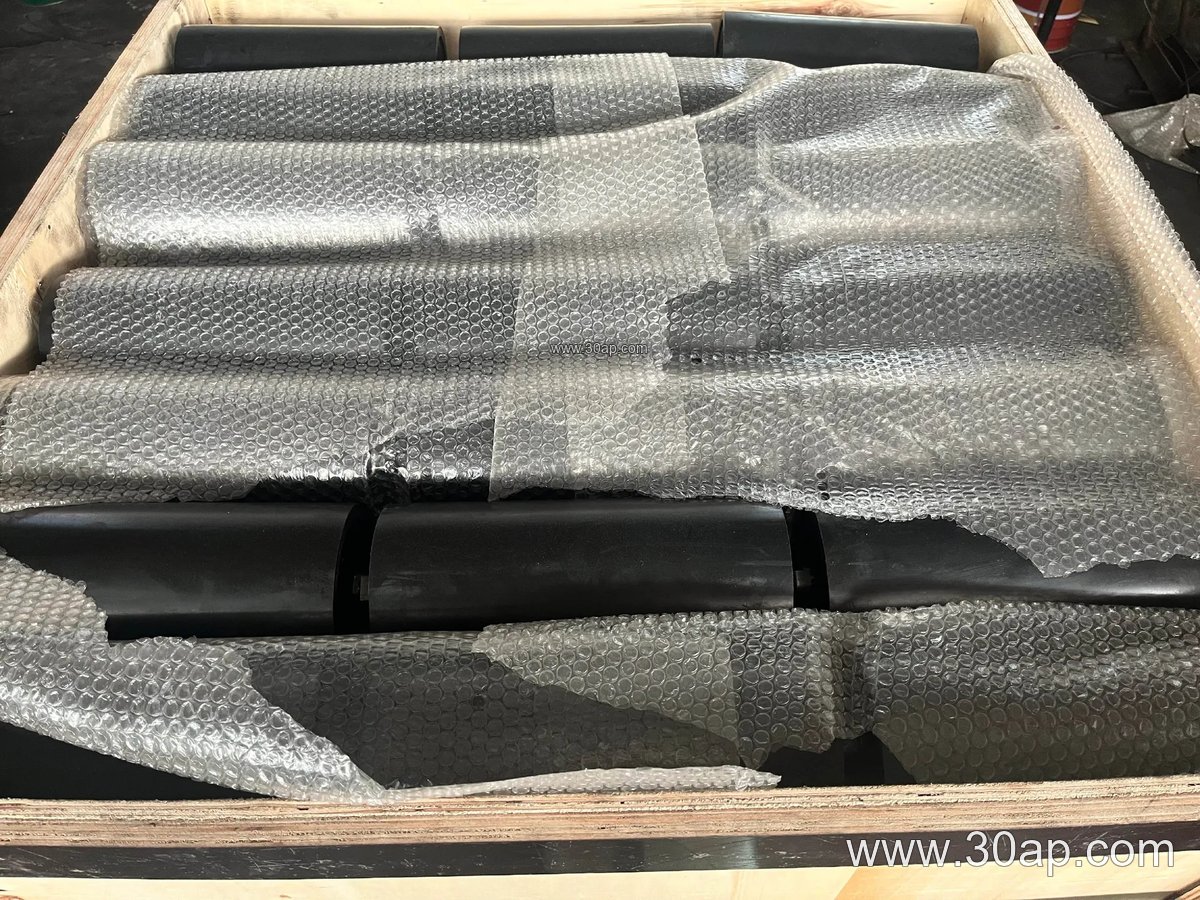
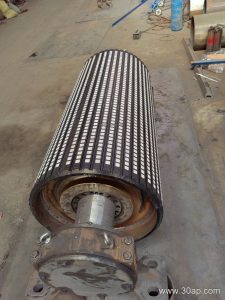
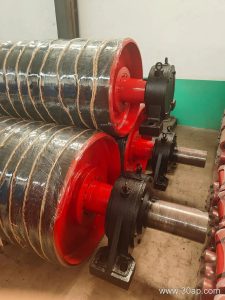
The Ø108 size is common in aggregate plants, iron and copper mines, power station coal handling, and sinter lines. It is not a substitute for a drive pulley, tail pulley, or bend pulley; those are different components with different duties. A conveyor pulley transmits power or changes belt direction, while an idler roller only supports the belt and the load.
Common Reference Dimensions
The table below gives typical reference values for planning. Roller length changes with belt width, trough angle, and roll position, so side rollers and the centre roller often differ. These are examples, not fixed matches, and the final dimensions should be confirmed against the conveyor design.
| Belt width | Typical roller length (three-roll trough) | Common shell diameter |
|---|---|---|
| B800 | about 315 mm | Ø89, Ø102, Ø108 |
| B1000 | about 380 mm | Ø102, Ø108, Ø127 |
| B1200 | about 465 mm | Ø108, Ø127, Ø133 |
| B1400 | about 530 mm | Ø108, Ø133, Ø159 |
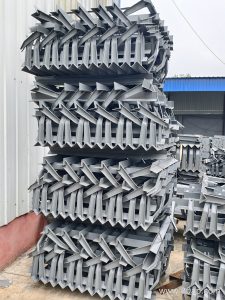
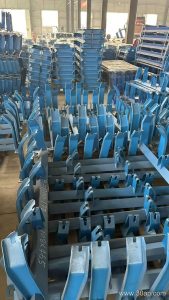
A 108 mm roller can serve several belt widths, and one belt width can accept more than one roller diameter. The shaft diameter should come from the load calculation and the frame bracket, never from belt width alone. Conveyor brackets, also called idler frames, must match the shaft end and the mounting hole spacing.
Choosing and Maintaining the Idler
Buyers should ask for the shell wall thickness, bearing designation, seal type, and surface finish, because two rollers with the same Ø108 label can differ widely in these details. Check that the roller rotates freely by hand, that the seal sits flush, and that the shaft ends fit the existing conveyor bracket. Spare parts should be ordered with the trough angle and roll position stated, since a centre roll and a side roll are not interchangeable.
During operation, listen for squealing or rumbling, watch for belt misalignment, and check for material build-up on the shell. Replacing a seized idler early protects the conveyor belt from edge damage and reduces drag on the drive. In a coal preparation plant or a dusty crushing circuit, a planned inspection interval is more useful than waiting for a failure.
Practical Notes for Buyers
- State the application: quarry, coal mine, cement plant, or power station coal yard.
- Give belt width, trough angle, and whether the roll is centre or side.
- Confirm the shaft end and bracket style before ordering.
- Choose the surface form for the material, not for the diameter.
- Keep a small stock of seals and bearings for the sizes already in use.
The Ø108 Mining Idler is a workhorse component rather than a universal answer. Matching it to the belt, the load, and the environment is what keeps a conveyor running quietly through a long shift.