What a Diamond Grooved Lagged Pulley Does on a Conveyor
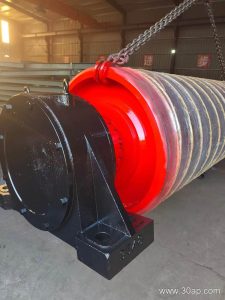
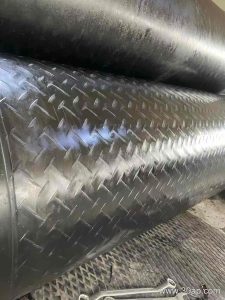
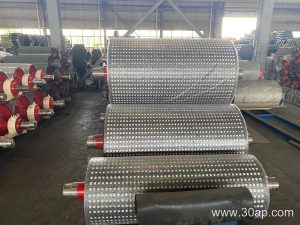
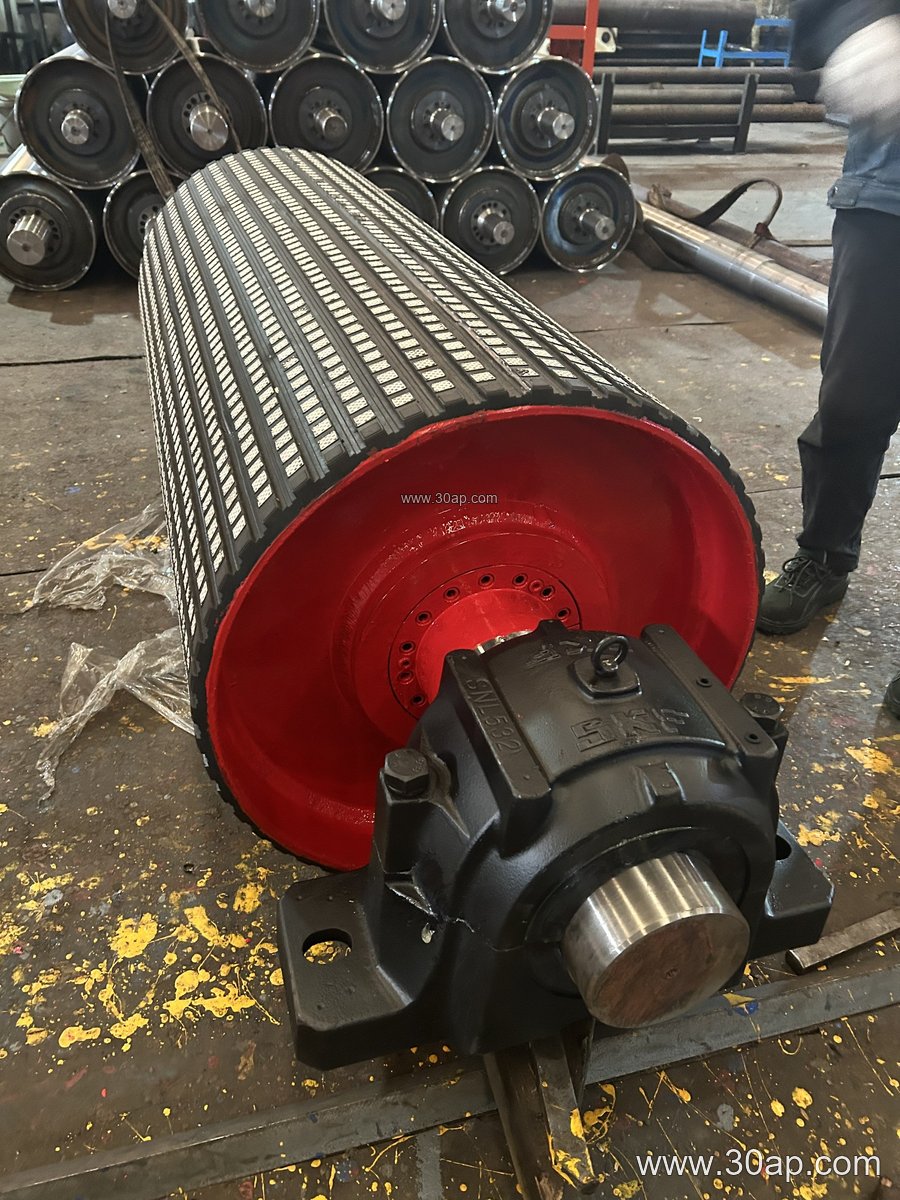
A diamond grooved lagged pulley is a conveyor pulley whose shell carries a rubber lagging molded or bonded with a diamond-shaped groove pattern. The grooves cut through the rubber surface in a crosshatch layout, so water, fine dust and slurry can escape from under the conveyor belt instead of being trapped between belt and shell. That drainage effect is the main reason this surface form appears in wet or dirty duty, from a wash plant in a sand and gravel line to a coal preparation circuit.
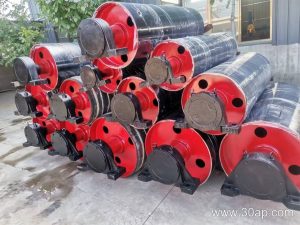
In practice the product is often described by its function on the machine. A drive pulley with diamond grooved lagging is the version most buyers ask about, because the head-end drive needs the highest friction between shell and belt. The same surface can be specified on a bend pulley or a take-up pulley where belt tracking and slip control matter, but each position is designed for its own load case. Drive, tail and bend pulleys are separate components and are not interchangeable, even when they share a lagging pattern.
How the Grooved Rubber Surface Is Built
The lagging is applied to a machined steel shell, usually by hot vulcanization in a press or by cold-bonded rubber sheet, and the diamond pattern is formed during the process rather than cut afterwards. Common lagging thicknesses are 8, 10, 12, 15 and 20 mm. Thicker rubber suits high-torque drives and coarse, abrasive material, while a thinner layer keeps the pulley diameter compact on lighter duty. Plain flat rubber lagging is smoother and easier to clean; the diamond grooved form trades a little of that simplicity for better grip in damp conditions.
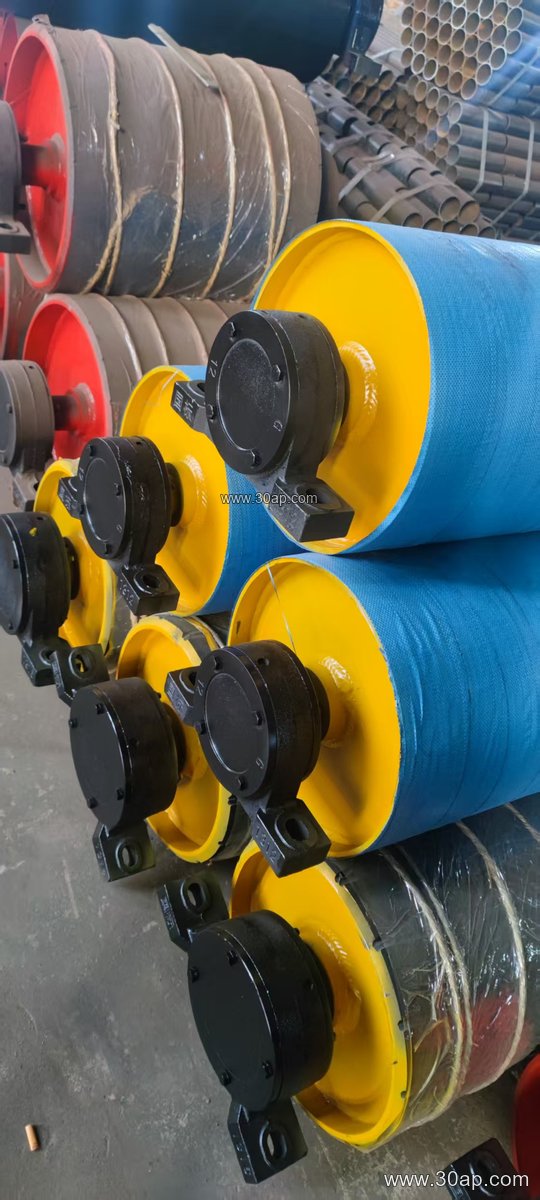
Build details a buyer should confirm include the shell wall thickness, the weld quality at the end discs, the locking arrangement between hub and shaft, and whether the pulley is supplied with a keyed bore or a shrink-disc hub. A conveyor bracket or bearing housing interface should be agreed early, since shaft extension and bearing center distance affect installation in a cement plant or power station conveyor gallery.
Typical Conveyor Pulley Sizes and Combinations
Pulley dimensions follow belt width, tonnage and the wrap angle at the pulley, not a single fixed rule. The table below shows reference values often seen in project specifications; final sizes are determined by the conveyor designer.
| Reference Item | Common Values | Notes |
|---|---|---|
| Belt width B | B400, B500, B650, B800, B1000, B1200, B1400, B1600, B1800, B2000 | Selected from conveyor capacity and material lump size |
| Pulley diameter Ø | Ø200, Ø250, Ø315, Ø400, Ø500, Ø630, Ø800, Ø1000, Ø1250, Ø1400 | Set by belt tension, torque and belt carcass |
| Lagging thickness | 8, 10, 12, 15, 20 mm | Diamond grooved rubber, hot or cold bonded |
| Shaft diameter | Ø50, Ø60, Ø70, Ø80, Ø90, Ø100, Ø120, Ø140, Ø160, Ø180, Ø200 | Calculated from torque and bending load, not belt width alone |
| Face width | Usually wider than belt, e.g. B800 about 950 mm, B1200 about 1400 mm, B1400 about 1600 mm | Confirmed against belt wander allowance |
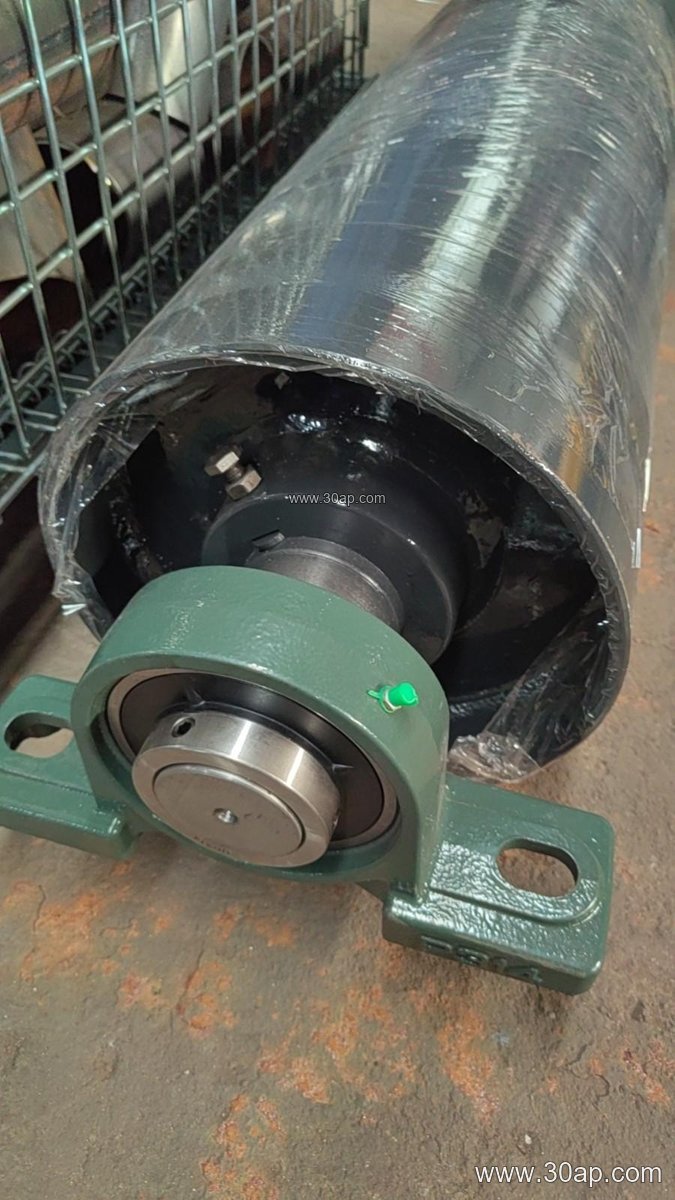
Combinations such as B800 × Ø500, B1200 × Ø1000 or B1400 × Ø800 are normal starting points for discussion. They are examples, not fixed pairings, and a wider belt does not automatically mean one particular shaft diameter.
Where Diamond Grooved Lagging Earns Its Place
Wet and dusty service is the natural home for this surface. In a limestone quarry, a head drive handling damp crushed rock benefits from the groove channels that keep the belt from hydroplaning. In a coal handling system feeding a power plant boiler, fine coal dust mixed with wash water is a typical problem the pattern helps manage. Sand and gravel plants, fertilizer granulation lines and tunnel spoil conveyors also use grooved lagging where material sticks to the belt and gets carried onto the pulley face.
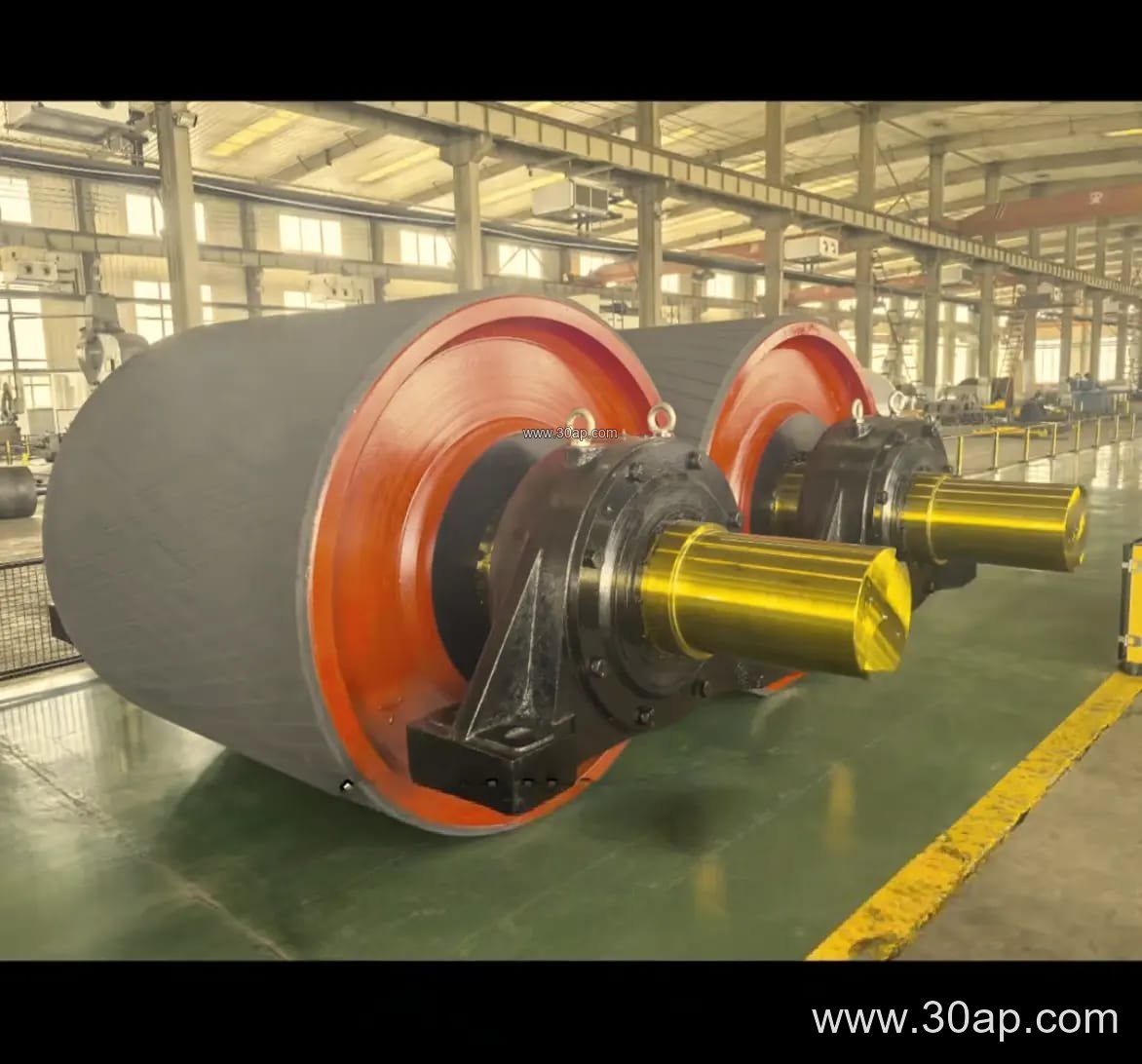
For comparison, ceramic lagging offers very high abrasion resistance on heavily loaded drive pulleys in iron ore or sinter service, while plain rubber is often enough on a lightly loaded bend pulley. Those alternatives are chosen for different conditions; they do not replace the diamond grooved design where drainage and moderate-to-high friction are both required.
Buyer Checklist Before Ordering
- State the pulley function clearly: drive, tail, bend, take-up or snub, and the belt width and speed.
- Provide the calculated torque and belt tension so shaft and shell can be sized properly.
- Specify lagging thickness and bonding method, and confirm the diamond pattern depth suits the duty.
- Confirm bore, keyway or shrink-disc mounting, plus bearing and conveyor bracket details.
- Ask for the balancing grade and runout tolerance, especially for high-speed drives.
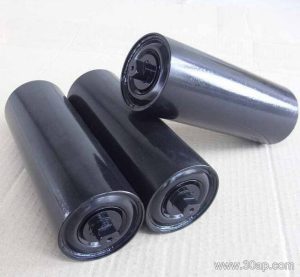
- Plan inspection: check lagging wear, groove depth and belt tracking at each shutdown, and keep the conveyor belt and idler roller alignment in good order to protect the pulley face.
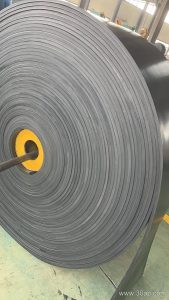
Matching the pulley to the surrounding conveyor pulley, frame and belt condition is as important as the lagging pattern itself. A correctly sized diamond grooved lagged pulley, installed with the right belt tension and alignment, keeps slip and material build-up under control in some of the toughest handling environments.