What Is a Fabric Core Conveyor Belt
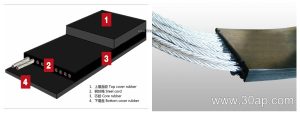
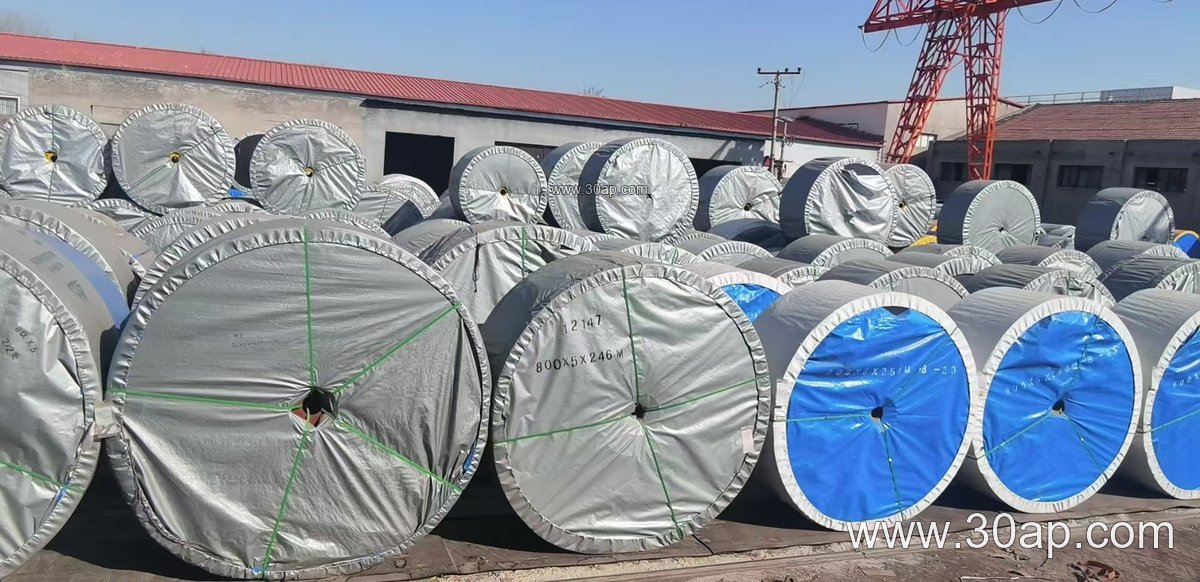
A fabric core conveyor belt is a type of conveyor belt that uses woven textile fabric as its strength member, or carcass. The fabric plies are bonded together with rubber and covered with top and bottom rubber covers. This construction gives the belt flexibility, good troughability, and resistance to impact — qualities that make it a common choice in industries such as mining, coal, cement, power plants, and aggregate yards. The term “fabric core conveyor belt” is often used interchangeably with “textile conveyor belt” or “ply conveyor belt,” all referring to the same product family.
Construction and Materials
The carcass of a fabric core conveyor belt typically consists of multiple layers of fabric, usually 2 to 6 plies. Common fabric materials include EP (polyester warp, polyamide weft) and NN (nylon warp, nylon weft). EP fabric offers low elongation and good dimensional stability, while NN fabric provides high strength and excellent impact resistance. The rubber covers protect the carcass from abrasion, moisture, and chemical attack, and their thickness is selected according to the material being conveyed.
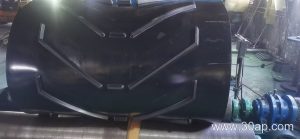
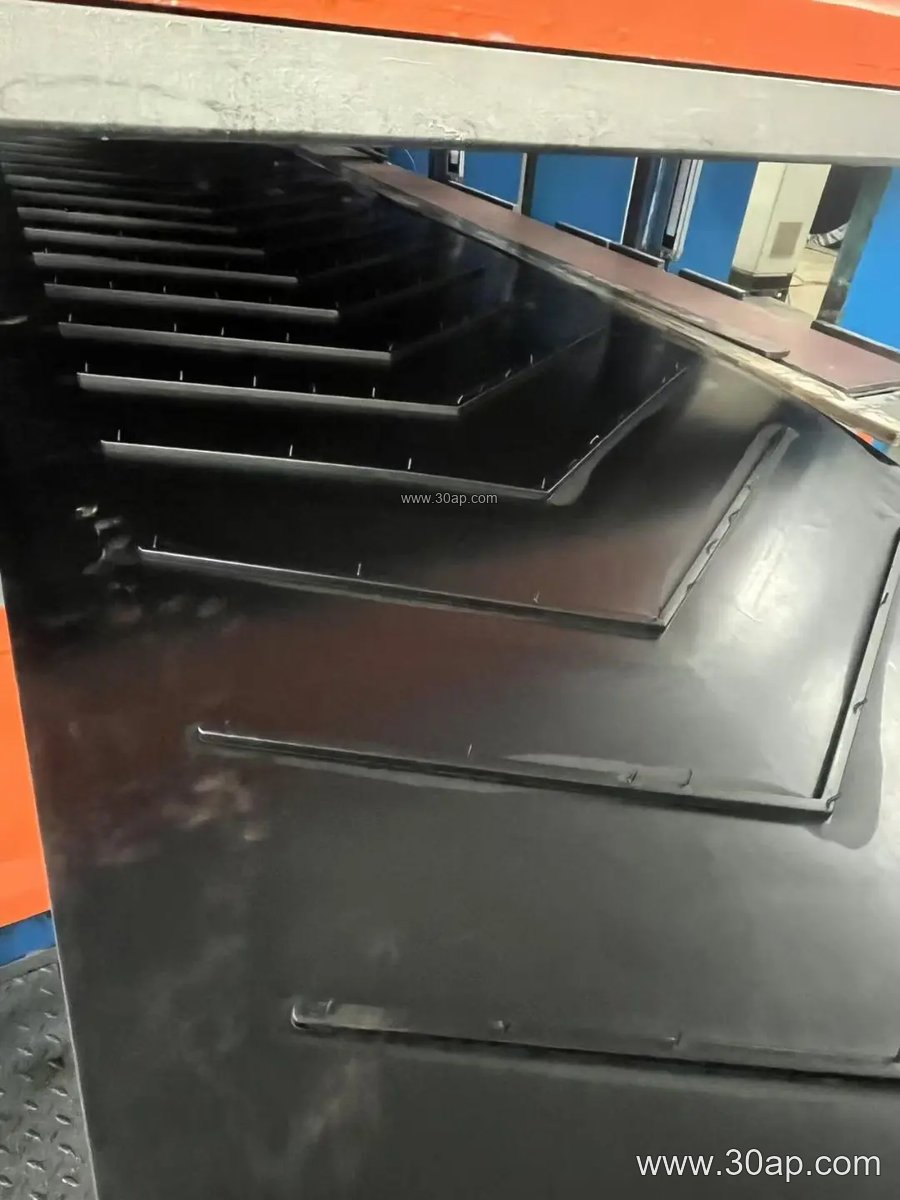
Cover rubber grades are available for different operating conditions: abrasion-resistant, heat-resistant, oil-resistant, flame-retardant, anti-static, cold-resistant, and acid-alkali resistant. Special surface forms such as patterned, chevron, and corrugated sidewall belts are also produced on a fabric core base when extra grip or material containment is needed.
Common Specifications
Fabric core conveyor belts are available in a wide range of strength ratings, widths, and cover thicknesses. The table below lists typical reference values; actual supply depends on the manufacturer and the application.
| Parameter | Common Reference Values |
|---|---|
| Strength series | EP200, EP315, EP400, EP500, EP630, EP800, EP1000, EP1250, EP1600, EP2000 |
| Belt width | B500, B650, B800, B1000, B1200, B1400, B1600, B1800, B2000 |
| Cover thickness (top + bottom) | 3+1.5 mm, 4+2 mm, 5+2 mm, 6+2 mm, 8+3 mm |
| Carcass plies | 2 to 6 layers, depending on strength grade |
These values are for reference only and should not be treated as fixed combinations. Belt width and pulley diameter are selected independently based on conveyor design, and one belt width does not dictate a single pulley size.
Where Fabric Core Belts Are Used
Fabric core conveyor belts are widely found in bulk material handling systems. In coal mines and power plants, flame-retardant and anti-static grades are often required. Cement plants use heat-resistant belts for clinker and abrasion-resistant belts for limestone. Sand and gravel yards rely on EP or NN belts for aggregate transport. The flexibility of the fabric carcass makes these belts suitable for conveyors with relatively small pulley diameters and for mobile or transfer conveyors where good troughing is important.
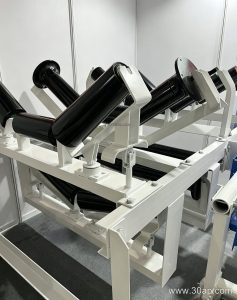
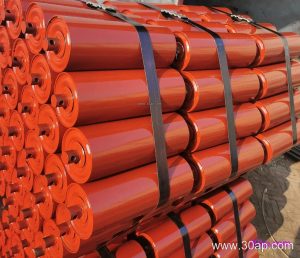
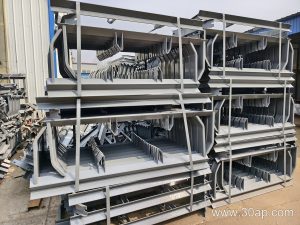
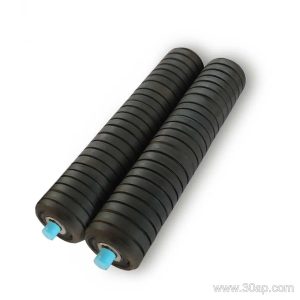
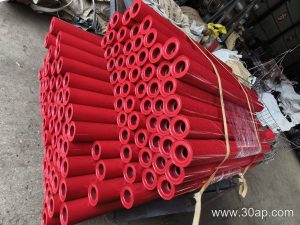
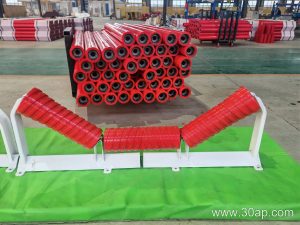
Supporting equipment such as idler rollers, conveyor pulleys, and conveyor brackets work together with the belt to form a complete conveyor system. The belt runs over the idlers and is driven by the drive pulley, while the tail pulley and bend pulleys guide its return path.
Buyer’s Selection Checklist
When choosing a fabric core conveyor belt, consider the following:
- Material to be conveyed: size, weight, temperature, oil content, and chemical exposure.
- Required strength grade: match the belt’s rated tension to the conveyor load and length.
- Cover thickness: thicker covers last longer under abrasive conditions but add weight.
- Special properties: flame resistance, anti-static behavior, or cold resistance may be mandatory in certain environments.
- Belt width and ply count: confirm with the conveyor design, not by rule of thumb.
- Pulley and idler compatibility: check that the belt can trough properly and that pulley diameters suit the carcass flexibility.
Always request the manufacturer’s data sheet for the specific belt grade and verify that the supplied product meets the required operating conditions.
Maintenance Notes
Proper maintenance extends the service life of a fabric core conveyor belt. Keep idler rollers turning freely and aligned, inspect conveyor pulleys for worn lagging, and check belt tracking regularly. Avoid over-tensioning, which can damage the fabric carcass, and repair small cover cuts before they reach the fabric plies. In dusty or wet conditions, clean the belt and components to prevent material build-up that can cause mistracking and premature wear.