What a Ceramic Lagged Pulley Is
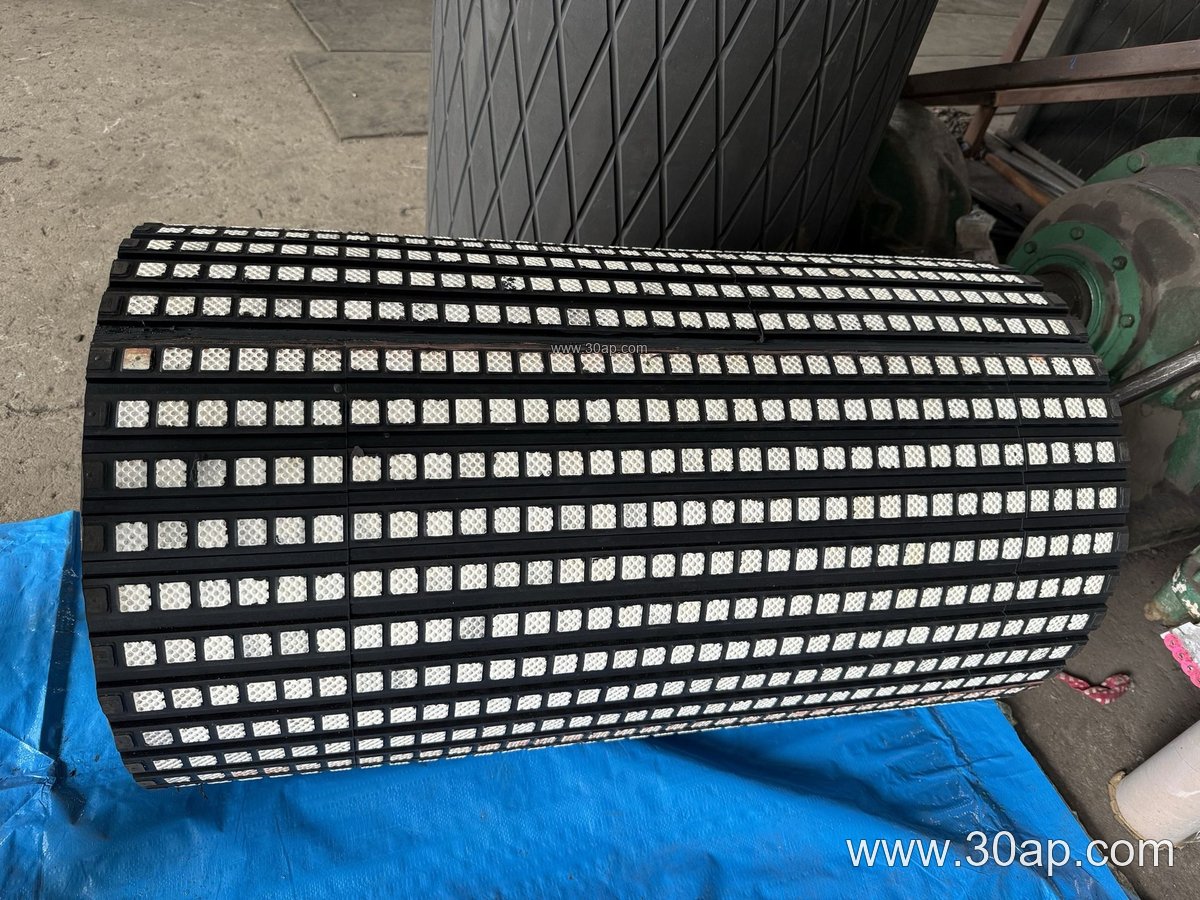
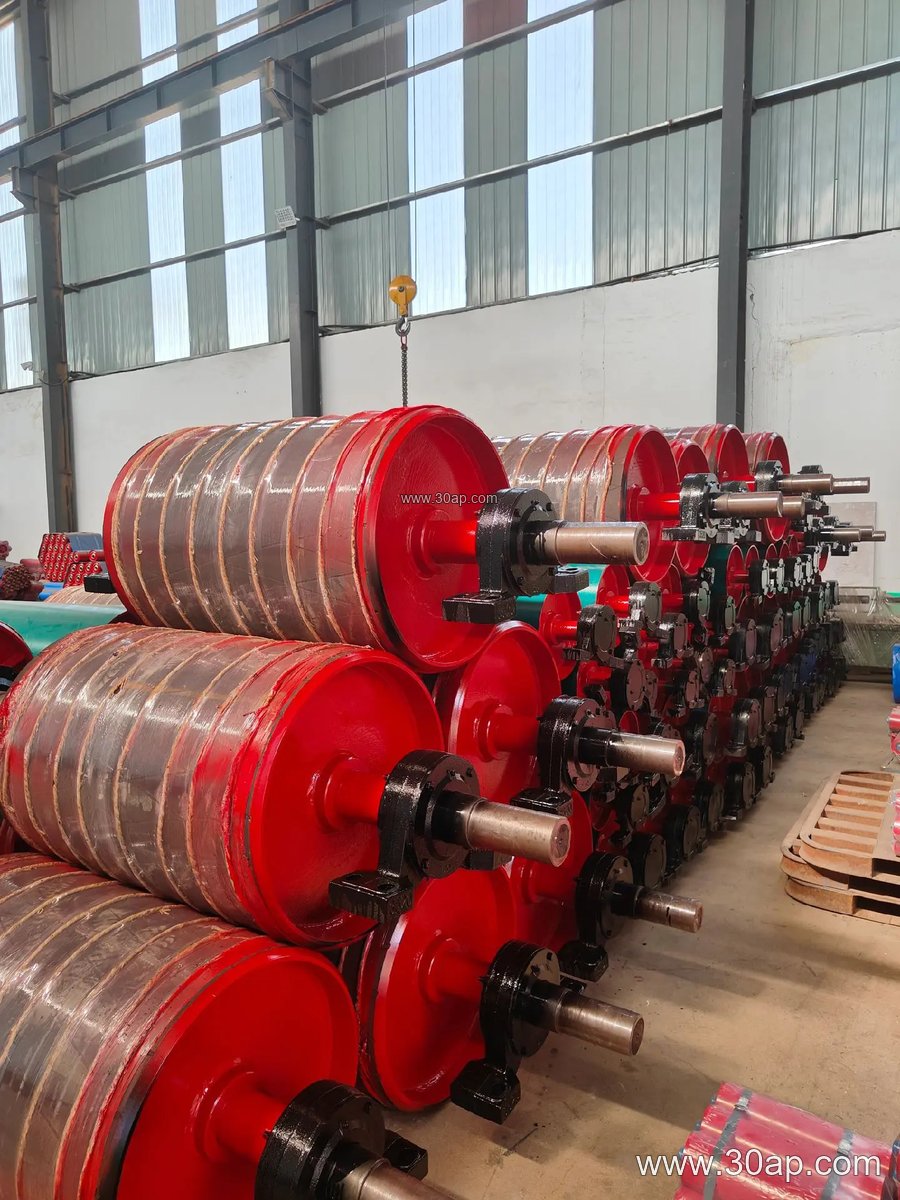
A ceramic lagged pulley is a conveyor pulley whose outer surface is covered with ceramic tiles embedded in a rubber or polymer matrix. This ceramic lagging creates a high-friction surface that grips the conveyor belt firmly, reducing slip even in wet, muddy, or oily conditions. Unlike standard rubber lagging, the ceramic elements provide wear resistance and maintain traction over a longer service life. This makes the ceramic lagged pulley a preferred choice for drive pulleys in tough industries such as mining, cement, and power generation.
Construction and Design
The pulley body is typically fabricated from steel, with shafts sized according to torque and load requirements. Ceramic lagging is applied in several forms, including tiles set in vulcanized rubber or cold-bonded rubber. The tiles are often arranged in a diamond or rectangular pattern, with grooves between them to allow water and debris to escape, further enhancing grip. Common lagging thicknesses are 8, 10, 12, 15, and 20 mm, selected based on the application and belt tension. The pulley face width is usually slightly wider than the belt to ensure full contact; for example, a B1000 belt might use a pulley face of about 1150 mm.
Where It Is Used
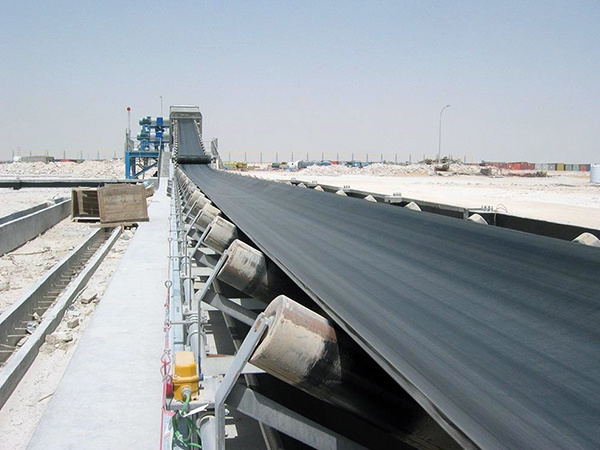
Ceramic lagged pulleys are most often found as drive pulleys in conveyor systems handling abrasive or wet materials. In a limestone quarry, for instance, the primary drive pulley must maintain traction despite dust and moisture. In a coal preparation plant, ceramic lagging resists wear from fine coal particles and keeps the belt running true. Other applications include cement clinker conveyors, aggregate plants, and bulk terminals where reliability is critical. While tail pulleys and bend pulleys may also use lagging, the ceramic version is primarily specified for high-traction drive positions.
Key Selection Factors
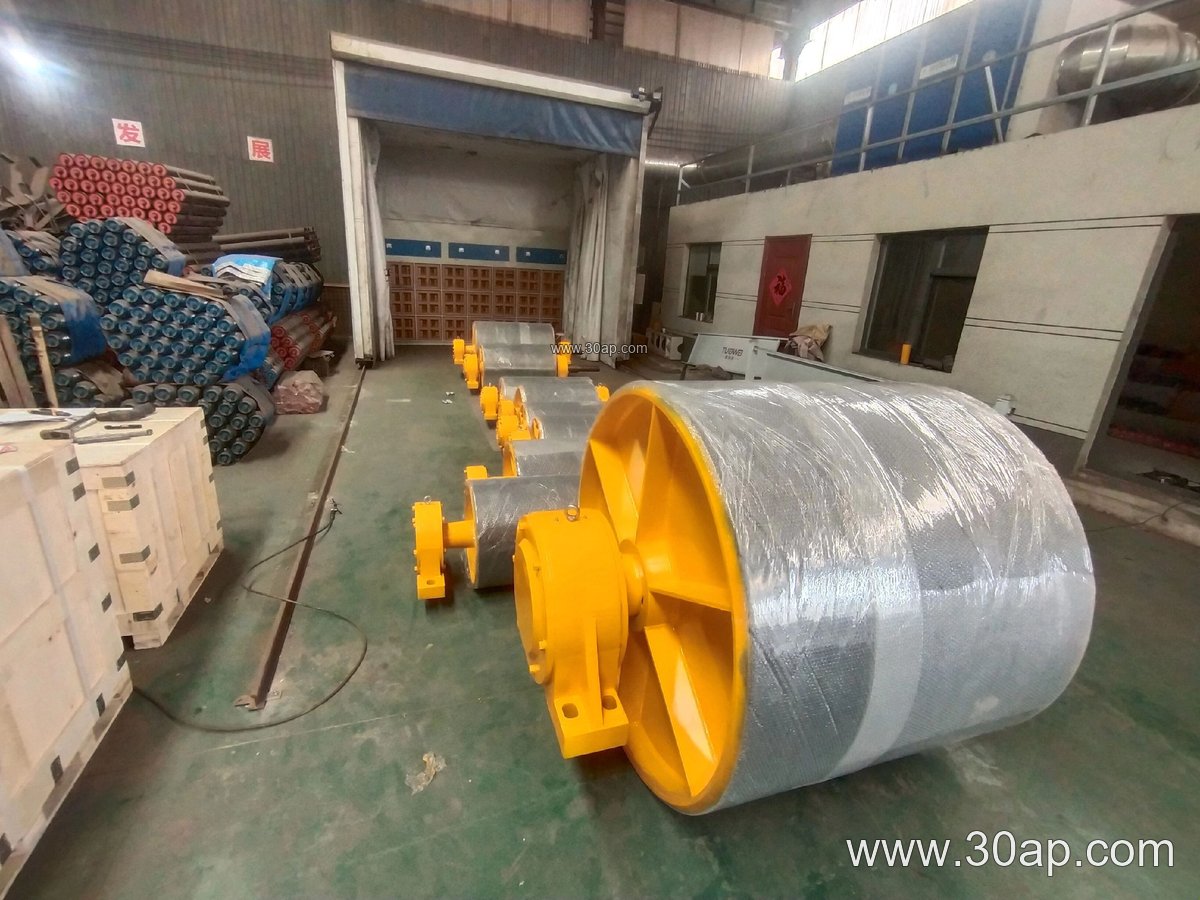
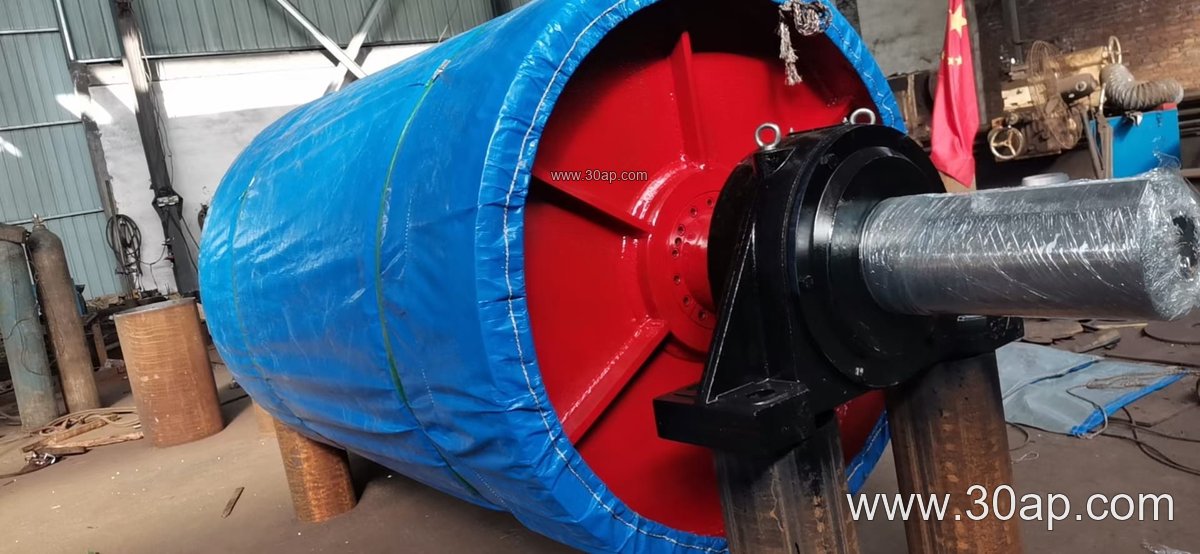
When choosing a ceramic lagged pulley, several parameters must be considered. The belt width (B) determines the minimum pulley face width, but the pulley diameter (Ø) should be selected based on belt tension, speed, and the required wrap angle. Common combinations include B800 with Ø500, B1200 with Ø1000, and B1400 with Ø800, but these are not fixed rules—each system requires individual calculation. Shaft diameter is sized by torque and load, with typical values ranging from Ø50 to Ø200 mm. Lagging thickness and pattern should match the material being conveyed and the environment; for example, a ceramic tile pattern with grooves is effective in wet conditions.
Installation and Maintenance
Proper installation ensures the ceramic lagging performs as intended. The pulley must be aligned with the conveyor frame, and the belt tension should be set according to the manufacturer’s recommendations. Regular inspection of the lagging surface for damaged or missing tiles is advisable, as exposed areas can reduce traction and potentially damage the belt. Keeping the pulley clean and free of buildup helps maintain friction. In dusty environments such as a sand and gravel plant, periodic washing may be necessary to prevent material from packing into the grooves.
Summary
A ceramic lagged pulley offers a durable, high-friction solution for conveyor drive applications where slip and wear are concerns. By understanding its construction, typical uses, and selection criteria, buyers can specify the right pulley for their material handling needs. Whether in a copper mine or a fertilizer plant, the ceramic lagged pulley contributes to efficient and reliable conveyor operation.