What a Large Drive Pulley Does
A large drive pulley is the head pulley that transmits power from the drive unit to the conveyor belt. In a heavy-duty conveyor—whether in a limestone quarry, a copper mine, a coal preparation plant, or a cement clinker line—this pulley must handle high torque, continuous load, and often abrasive dust. Unlike a tail pulley or a bend pulley, which guide or tension the belt without driving it, the drive pulley is the only one connected to the motor and gearbox. Its diameter and face width are usually the largest on the conveyor, which is why it is often called a large head drum or main drive drum.
Construction and Key Components
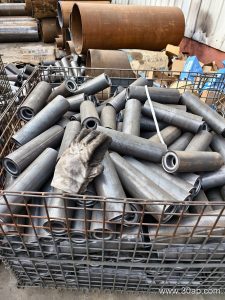
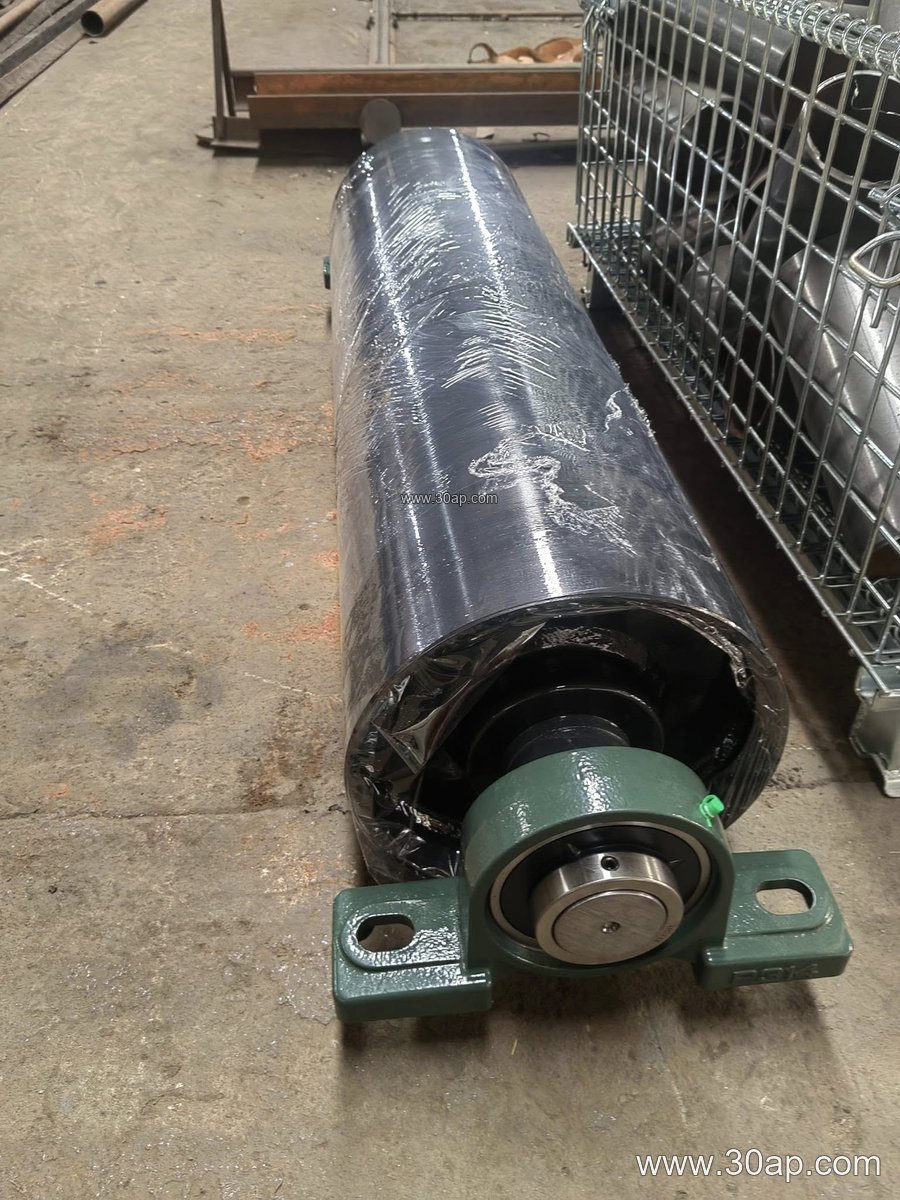
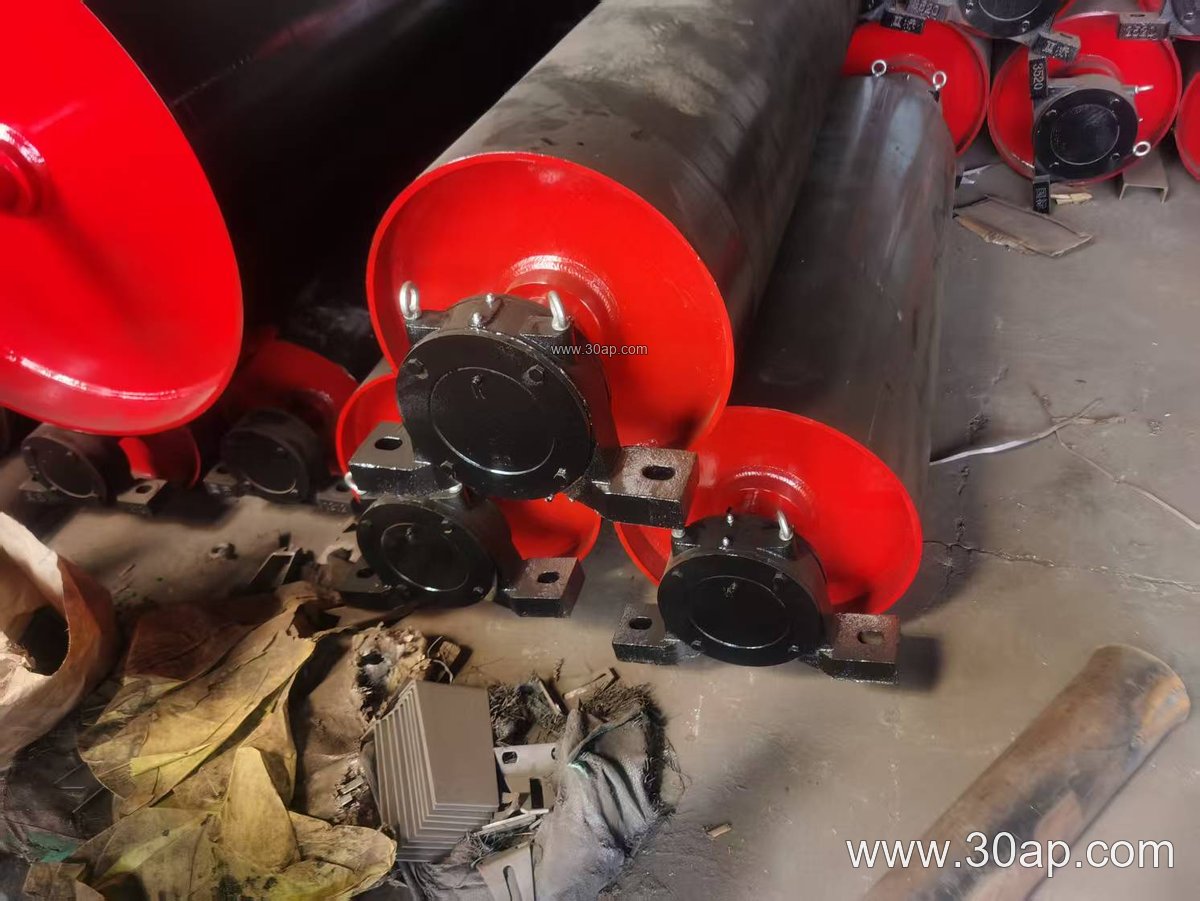
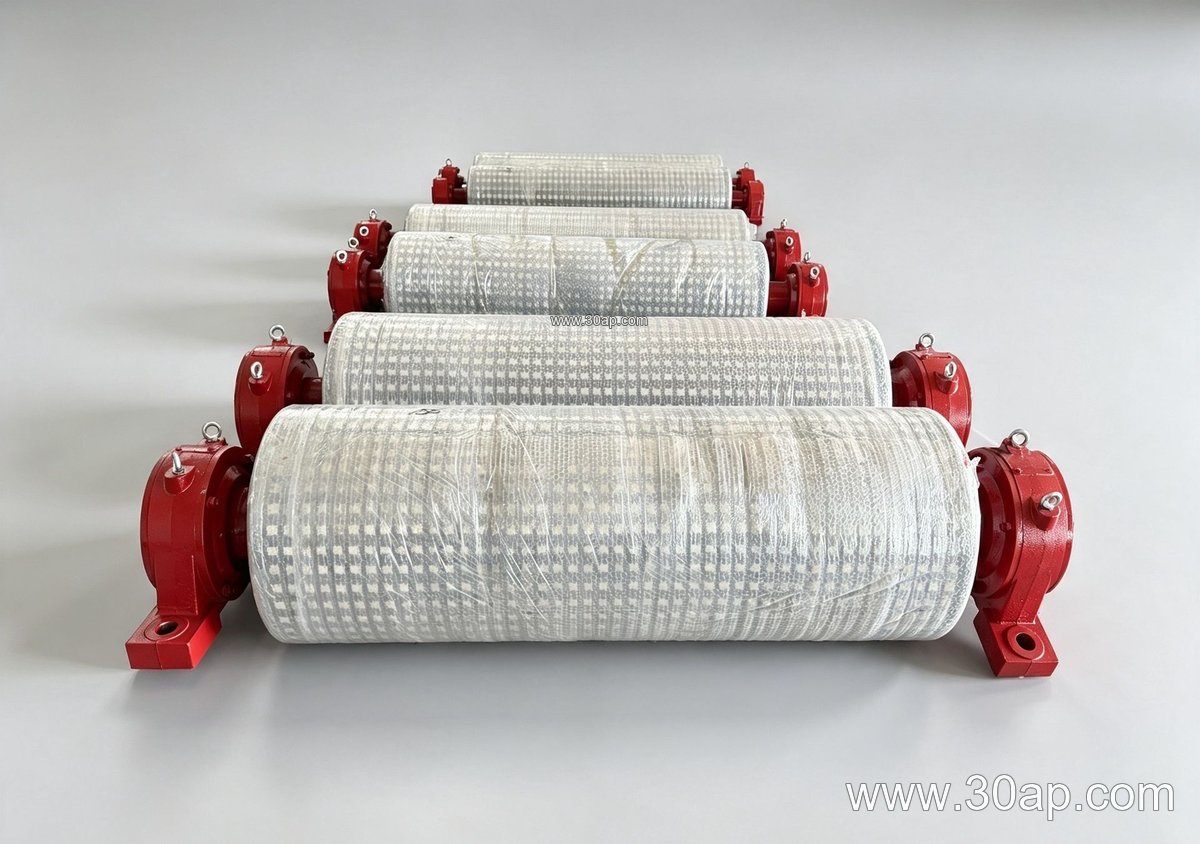
A typical large drive pulley is built around a welded steel shell, with end discs, a hub, and a shaft. The shell surface may be plain or covered with rubber, ceramic, or other lagging. Common surface forms include plain, hot-vulcanized rubber, cold-bonded rubber, diamond grooving, herringbone grooving, and ceramic lagging. Lagging thickness is often 8 mm, 10 mm, 12 mm, 15 mm, or 20 mm, depending on grip requirements and material conditions. The shaft diameter is determined by torque and load, not by belt width alone—common shaft sizes range from Ø50 to Ø200 mm. Bearings are mounted on a sturdy frame, and the pulley is fixed to the conveyor bracket using pillow blocks or flange bearings.
Matching Belt Width and Pulley Dimensions
The pulley face width is usually wider than the belt to allow for misalignment. For example, a B800 belt often runs on a pulley with about 950 mm face width, while a B1200 belt may use a pulley around 1400 mm wide. Diameter selection depends on belt speed, torque, and the required wrap angle. A large drive pulley might be Ø800, Ø1000, or Ø1250 mm, but there is no single rule that ties one belt width to one diameter. Below are some common reference combinations for large drive pulleys, shown as examples only—not as fixed specifications.
| Belt Width | Typical Pulley Face Width | Example Diameter Range |
|---|---|---|
| B800 | ≈950 mm | Ø500 – Ø800 |
| B1000 | ≈1150 mm | Ø630 – Ø1000 |
| B1200 | ≈1400 mm | Ø800 – Ø1250 |
| B1400 | ≈1600 mm | Ø800 – Ø1400 |
| B1600 | ≈1800 mm | Ø1000 – Ø1600 |
These values are for orientation. Actual dimensions are set by the conveyor design, including the required torque, belt tension, and space available at the head station.
Where Large Drive Pulleys Are Used
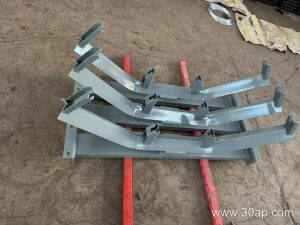
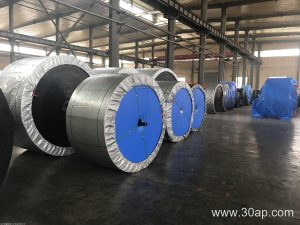
You will find large drive pulleys in primary crushing circuits at a hard-rock quarry, in long overland conveyors at a coal mine, and in raw material handling at a cement plant. They also appear in power plant coal feeding, port bulk terminals, and steel sinter lines. In these settings, the drive pulley works together with the conveyor belt, idler rollers, and conveyor brackets to keep material moving. The pulley must resist belt slippage, especially when the belt is wet or dusty, so lagging selection matters. A diamond or herringbone rubber lagging can improve grip and help shed water, while ceramic lagging may be chosen for very abrasive conditions.
Buyer Checklist for a Large Drive Pulley
- Confirm the application: Is it a head drive, an inclined conveyor, or a high-torque start? Mention the material—crushed stone, coal, clinker, or ore—so the supplier can recommend suitable lagging.
- Specify belt width and pulley face width: Give the belt width (e.g., B1200) and the required face width. Do not assume a fixed relationship; state the actual dimension from your conveyor drawing.
- State the shaft diameter or torque requirement: Shaft size is based on load and torque, not belt width. Provide the design torque or the existing shaft diameter if replacing a unit.
- Choose the lagging type and thickness: Plain, rubber, diamond, herringbone, or ceramic. Thickness options include 8, 10, 12, 15, and 20 mm. Consider whether the environment is wet, oily, or abrasive.
- Check mounting and bearing details: Confirm the bearing type, bracket dimensions, and whether the pulley needs a keyed shaft or a shrink disc connection.
- Ask for balancing and inspection: Large pulleys should be balanced for smooth operation. Request surface inspection and runout tolerance if the conveyor is critical.
A large drive pulley is a long-term investment. Getting the diameter, lagging, and shaft details right the first time helps avoid belt slip, premature wear, and unplanned downtime in demanding mining, quarry, or plant environments.