When Rubber Alone Is Not Enough
A wear-resistant ceramic lagged pulley is a conveyor pulley whose shell is covered with ceramic tiles set in a rubber or polymer backing. The ceramic provides the actual contact surface, while the backing absorbs shock and holds the tiles in place. In a quarry, a coal handling plant or a cement clinker line, the pulley that drives the conveyor belt often works under constant abrasion and slip risk. Standard rubber lagging can polish and wear thin in such conditions. Ceramic lagging keeps a rough, hard face that grips the belt and resists grooving for much longer.
The product is also called a ceramic lagged conveyor pulley or a ceramic-coated drive pulley. These are the same item; the wording changes, the construction does not.
How the Ceramic Surface Is Built
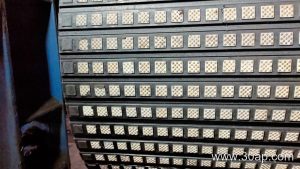
Ceramic tiles, usually small squares or rectangles with raised studs or grooves, are bonded to the pulley shell. The gaps between tiles are filled with rubber, which gives the surface some flexibility and helps shed fines. The tile pattern matters: an open pattern lets water and dust escape, while a denser pattern gives more grip on a clean, dry belt.
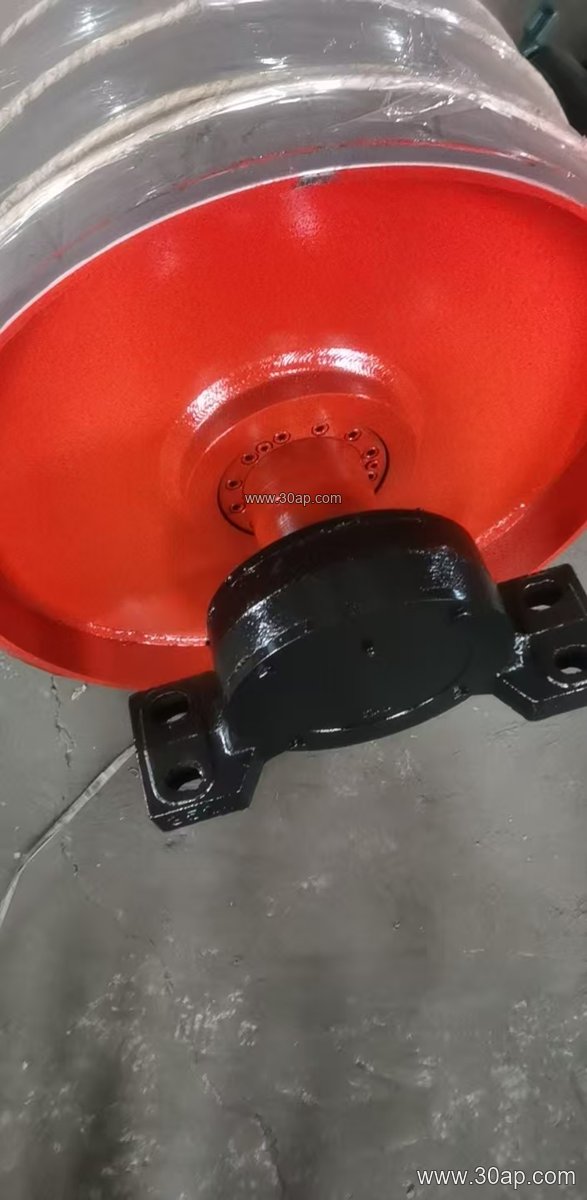
Typical lagging thicknesses are 8, 10, 12, 15 and 20 mm, with the tile height included. The shell itself is usually steel, machined and balanced before lagging. Shaft diameter is chosen from torque and load, not from belt width; common shaft sizes range from Ø50 to Ø200 mm depending on the drive duty.
Where It Earns Its Place
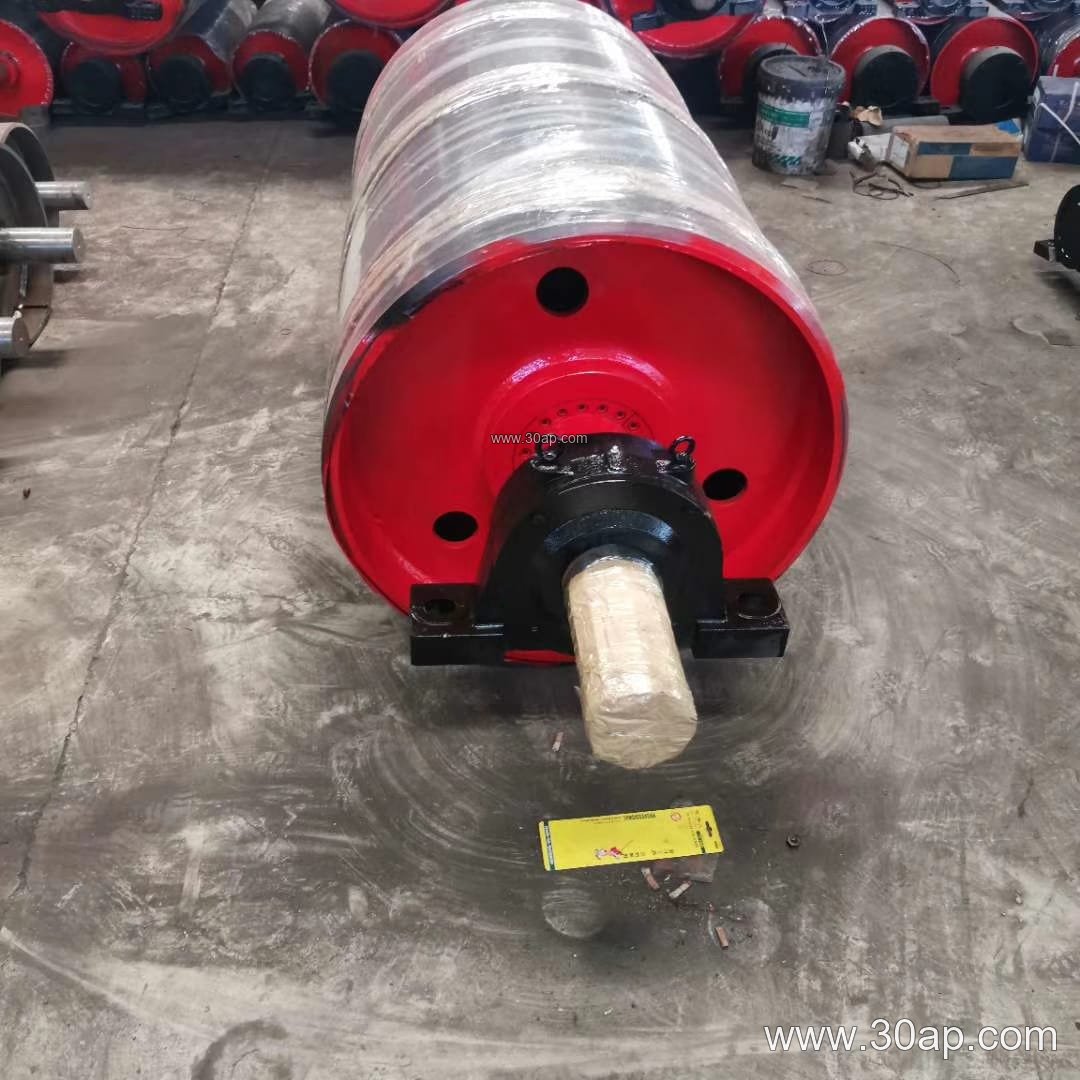
The main use is at the drive position, where torque transfer depends on friction between pulley and belt. A ceramic lagged drive pulley is common in:
- Sand and gravel aggregate lines with abrasive dust
- Coal preparation plants and power station coal conveying
- Cement plants handling clinker and raw meal
- Iron, copper and limestone mines with wet or gritty material
A bend pulley or tail pulley may also be ceramic lagged when the belt wraps at a sharp angle or when fines pack around the shell. However, a drive pulley, tail pulley and bend pulley are not interchangeable: each has its own load path and wrap geometry, and the lagging choice should follow the duty of that position.
Matching Pulley to Belt and Layout
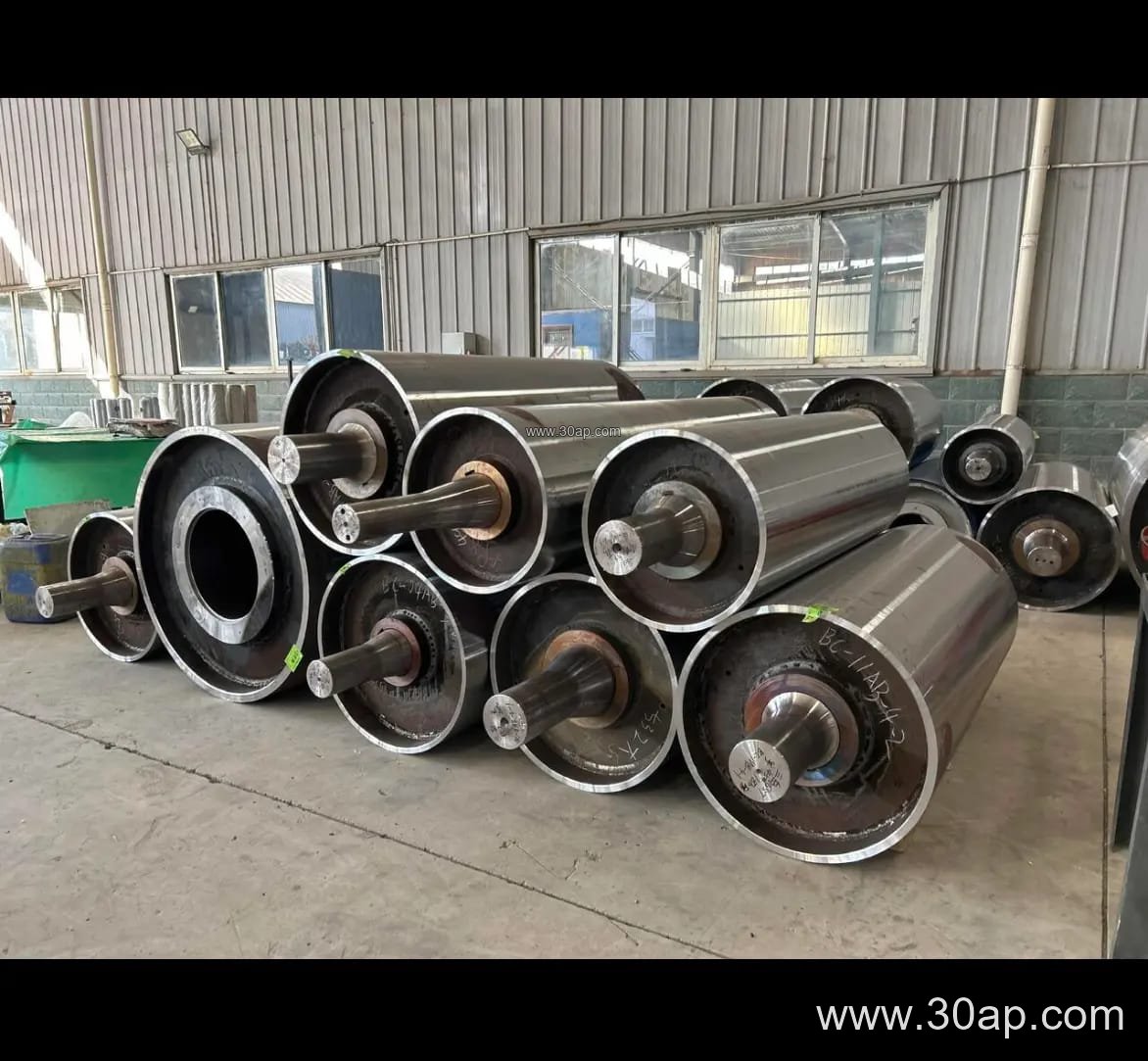
Pulley face width is normally a little wider than the conveyor belt. Some common pairings are shown below; these are reference examples, not fixed rules.
| Belt width | Typical pulley face width | Example diameter |
|---|---|---|
| B500 | about 600 mm | Ø315 or Ø400 |
| B650 | about 750 mm | Ø400 or Ø500 |
| B800 | about 950 mm | Ø500 or Ø630 |
| B1000 | about 1150 mm | Ø630 or Ø800 |
| B1200 | about 1400 mm | Ø800 or Ø1000 |
| B1400 | about 1600 mm | Ø1000 or Ø1250 |
| B1600 | about 1800 mm | Ø1250 or Ø1400 |
A single belt width can work with more than one pulley diameter. The diameter is set by belt speed, wrap angle, belt stiffness and the space available around the conveyor bracket. Never assume that a given belt width fixes the shaft size either; the shaft must be calculated from the actual torque and bearing loads.
What a Buyer Should Check
- Position and duty. Confirm whether the pulley is the drive, tail, tension or bend unit, and state the belt speed and absorbed power.
- Lagging thickness and pattern. Thicker lagging lasts longer but adds weight and cost; the tile pattern should suit whether the belt is wet, dry or dusty.
- Bearing and shaft details. Ask for the shaft diameter, bearing type and locking method, since these determine how the pulley fits the conveyor bracket.
- Balance and runout. A ceramic surface is heavier on one side if tiles are unevenly bonded, so dynamic balancing should be part of the specification.
- Compatibility with the belt. Ceramic studs grip well but can be harsh on thin or worn belts; check belt cover grade and tension before choosing a coarse pattern.
Also confirm that the pulley face clears the conveyor belt tracking range and that the lagging does not interfere with the skirt rubber or the conveyor pulley guards. Spare ceramic tiles and the correct bonding adhesive are worth keeping on site, because a chipped tile can be replaced without scrapping the whole pulley.
Maintenance Notes
Inspect the ceramic face at each shutdown. Look for missing tiles, cracked corners and rubber undercutting. Clean packed material from the shell and from nearby idler roller surfaces, since build-up changes belt tracking. Keep the belt tension within design range; a loose belt slips even on a good ceramic surface and overheats the lagging. When a pulley is re-lagged, the old ceramic and rubber should be fully removed and the shell checked for corrosion before the new surface is bonded.