What a Parallel Return Idler Does
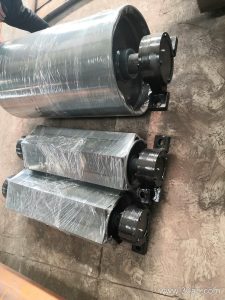
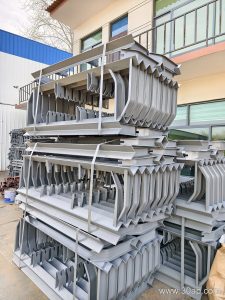
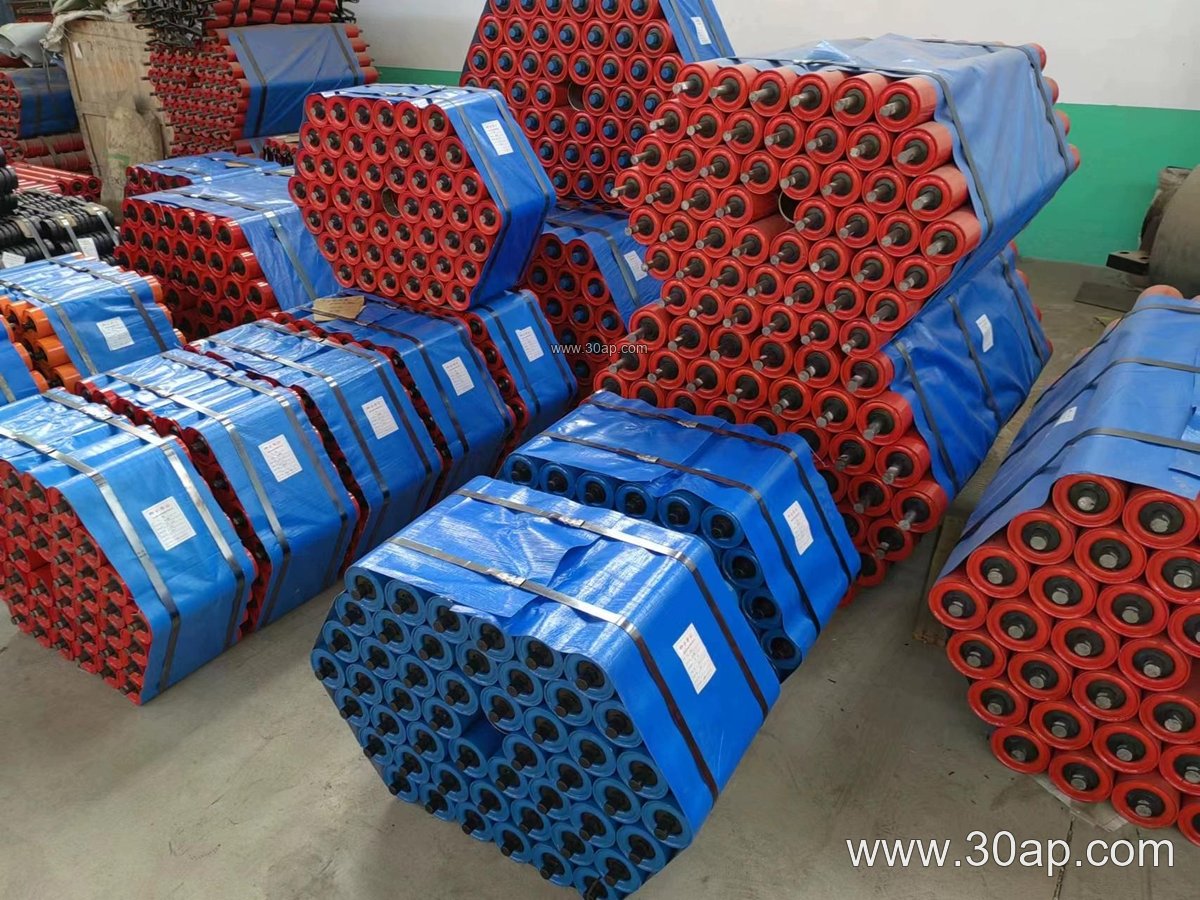
A parallel return idler is the plain, straight roller mounted under the carrying side to support the empty conveyor belt on its way back to the tail pulley. In many plants it is simply called a flat return roller or a parallel lower idler, and it sits in a conveyor bracket frame across the return strand. Unlike a V-type return idler, the roll is a single straight cylinder, so the belt runs flat rather than being trained into a trough shape.
Its job is straightforward but not trivial. It carries the belt weight and any clinging material, keeps the return strand from sagging between support points, and lets the belt track without excessive edge wear. In a quarry, a coal washing plant or a cement kiln line, these rollers are often the most numerous components on the conveyor, which makes their quality and fit worth attention.
Construction and Typical Materials
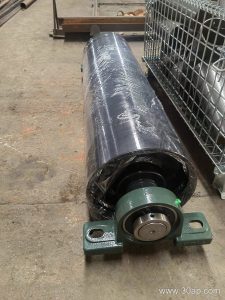
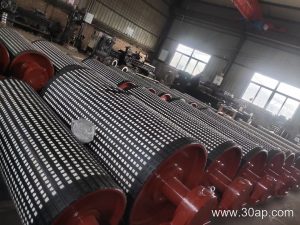
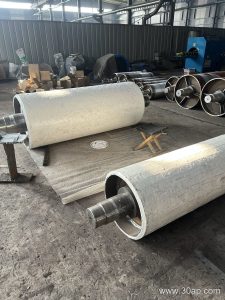
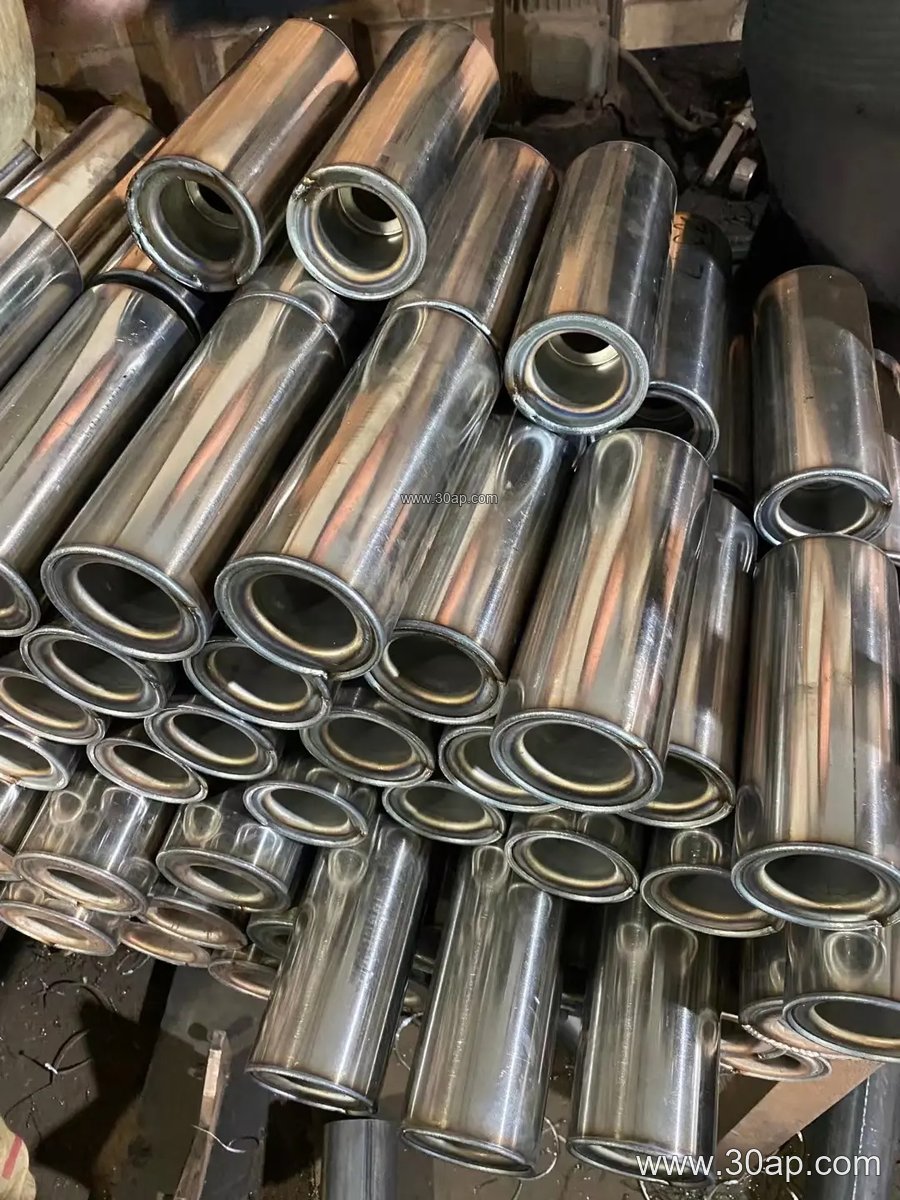
The body is usually a steel tube with welded end discs, fitted with a shaft, bearing housings and a sealing arrangement. Roller surfaces may be plain steel, nylon-coated, or fitted with rubber rings where build-up or impact is a concern. Seals matter in dusty service: a multi-stage labyrinth seal and good grease retention protect the bearing from fines that would otherwise shorten life.
Common bearing sizes include 6204, 6205, 6305, 6306, 6308 and 6310. The bearing is matched to the load and shaft design, not to a single belt width, so a Ø102 roller may appear with more than one bearing option depending on the duty.
Dimensions and Common Ranges
Roller diameter and belt width are the two figures a buyer will be asked for first. Diameters commonly range from Ø63 up to Ø219, and belt widths from B400 to B2400. The table below gives typical reference values; final dimensions are set by the conveyor design.
| Reference item | Typical values |
|---|---|
| Roller diameter | Ø63, Ø76, Ø89, Ø102, Ø108, Ø127, Ø133, Ø159, Ø178, Ø194, Ø219 |
| Belt width | B400, B500, B650, B800, B1000, B1200, B1400, B1600, B1800, B2000, B2200, B2400 |
| Bearing | 6204, 6205, 6305, 6306, 6308, 6310 |
| Roller surface | Steel tube, nylon, ceramic, rubber ring |
Roller length follows belt width, trough angle and the idler arrangement. As a rough guide, a three-roll troughing set may use a roller of about 200 mm at B500, 250 mm at B650, 315 mm at B800, 380 mm at B1000, 465 mm at B1200, 530 mm at B1400, 600 mm at B1600, 670 mm at B1800 and 750 mm at B2000. These are examples only, and side rollers and centre rollers can differ.
Where It Fits on the Conveyor
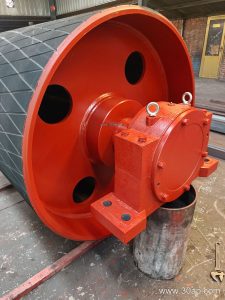
The parallel return idler belongs to the lower strand, often spaced at intervals to control belt sag. It is not a substitute for the drive pulley, tail pulley or bend pulley, which transmit power and change belt direction. It also differs from a troughing idler set on the carrying side: a three-roll 20 to 45 degree troughing set shapes the belt to hold material, while the return roll keeps the empty belt flat. A V-type return idler may be chosen on some belts for training, but the parallel type remains the standard flat support.
Applications are broad. In an iron ore or copper mine, heavy belts need robust rollers and strong brackets. In a power plant coal yard, dust sealing is a priority. In an aggregate line or a concrete batching plant, easy replacement and consistent roll diameter simplify maintenance. A tunnel spoil conveyor and a fertilizer or grain handling line each bring their own concerns about abrasion, moisture or material build-up.
Buyer Checklist
- Confirm belt width, roller diameter, shaft size and bearing type from the conveyor drawing.
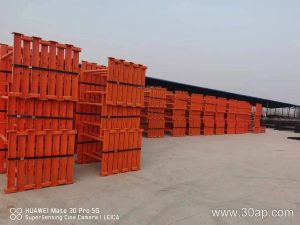
- Check the return bracket and frame spacing before ordering; the roller must seat correctly.
- Specify the roller surface for the environment: plain steel for general duty, rubber rings for impact or build-up areas.
- Ask about seal design and grease access, especially for dusty coal, cement or quarry service.
- Keep spare rollers in the same diameter and length to avoid mismatched replacements.
Good selection comes down to matching the parallel return idler to the belt, the bracket and the site conditions rather than relying on a single universal size.