What an Anti-Material-Buildup Idler Does
An anti-material-buildup idler is a conveyor idler roller designed to keep sticky, wet, or fibrous material from clinging to its shell. On a standard idler, fines and moisture can cake onto the rotating surface until the roller turns out of balance, the belt tracks poorly, and spillage increases. The anti-buildup idler attacks that problem at the surface, so the conveyor belt keeps a cleaner running line in applications where carryback is a daily nuisance.
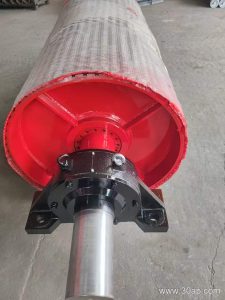
This is still an idler roller, not a pulley. It mounts on the conveyor bracket structure and supports the belt, and it should not be confused with a drive pulley, tail pulley, or bend pulley, which transmit power or change belt direction. Those are separate components with separate jobs.
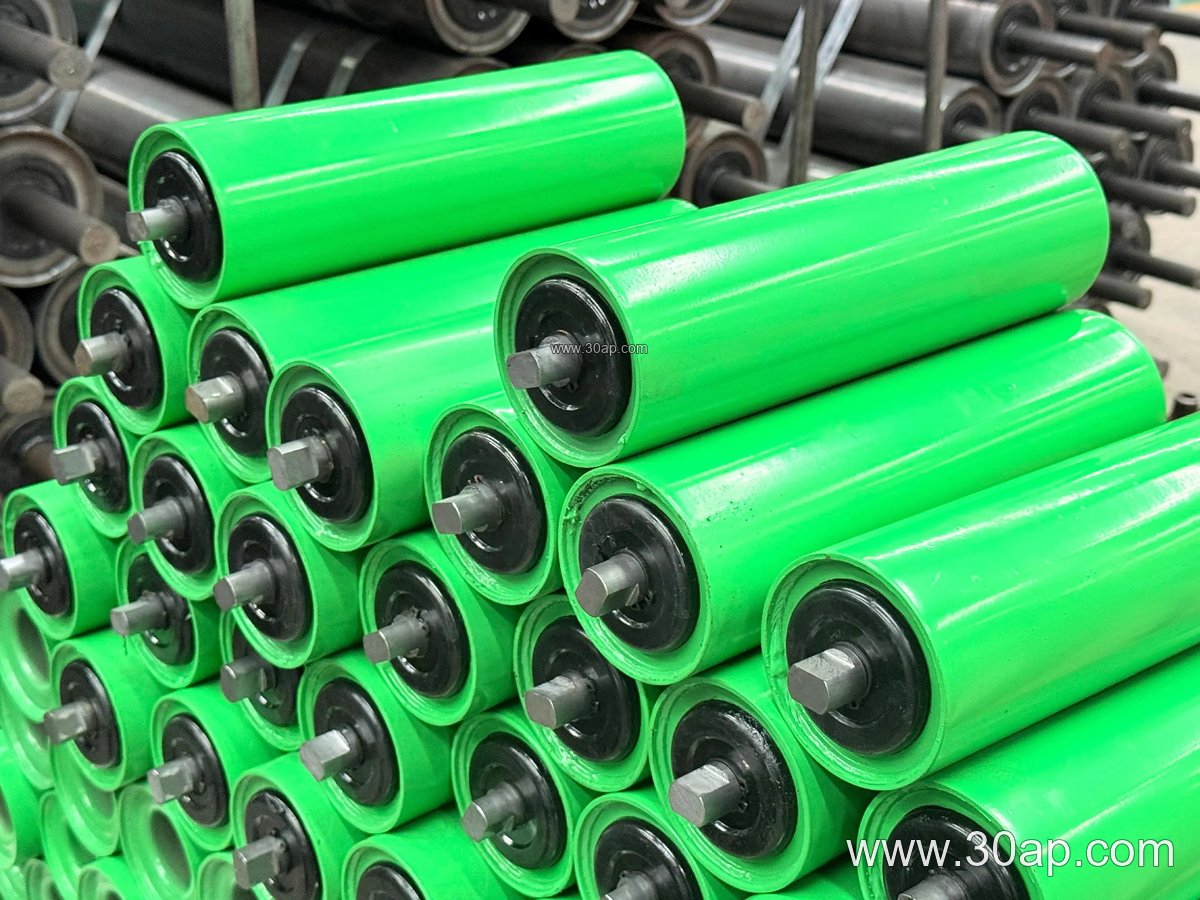
How the Surface Sheds Material
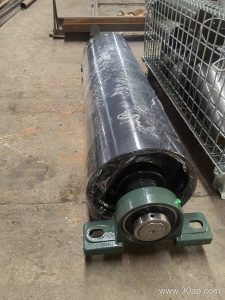
The defining feature is the roller face. Instead of a plain steel shell, an anti-material-buildup idler usually carries a profile or covering that limits adhesion. Common approaches include spiral or helical forms that push material aside as the roller turns, and rubber or ceramic coverings that resist wet fines. Spiral idlers are often chosen for wet, sticky service because the helix continuously works the surface clean.
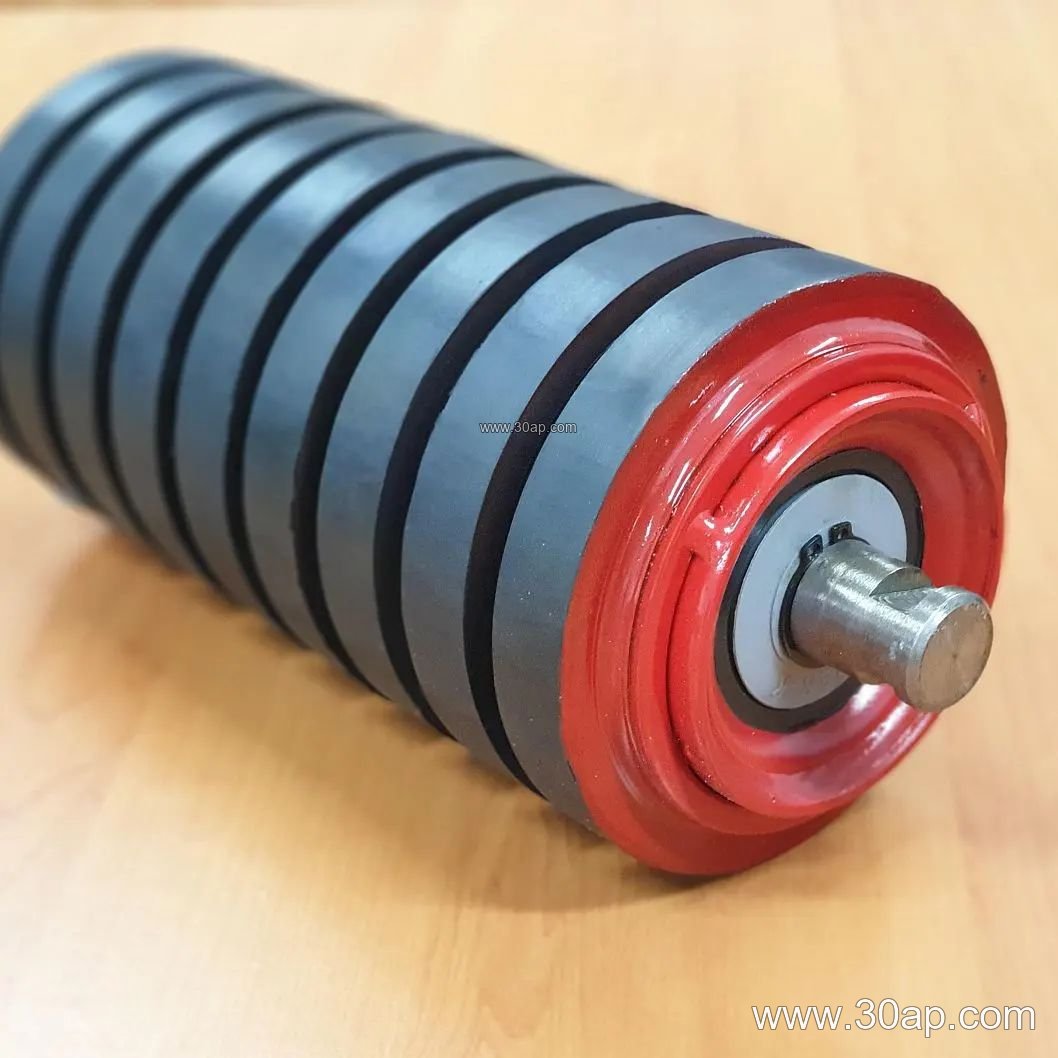
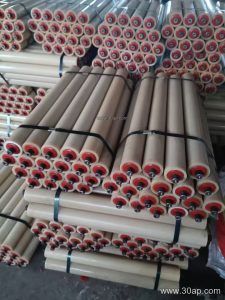
Build details matter as much as the profile. Seals should suit dusty, damp conditions, and bearings are typically selected from common sizes such as 6204, 6205, 6305, 6306, 6308, or 6310, matched to the load and roll diameter rather than to the belt width alone. Roll diameters in this family commonly run from about Ø63 and Ø76 up through Ø89, Ø102, Ø108, Ø127, Ø133, Ø159, and larger sizes where heavier belts demand them. The face can be supplied in steel, nylon, ceramic, or rubber ring form depending on the material being handled.
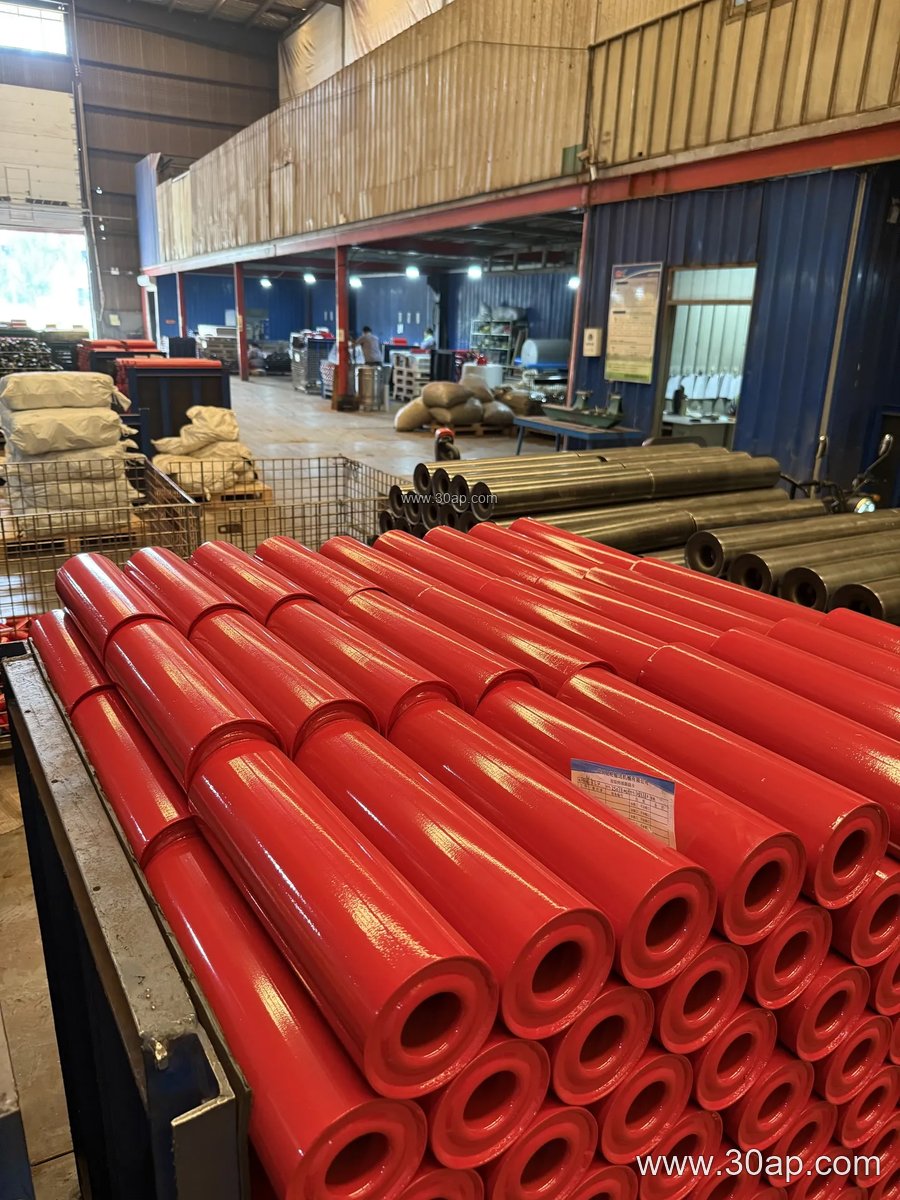
Where It Earns Its Place
Sticky service shows up in coal preparation plants, cement plants, and power station coal handling, where damp fines coat ordinary rollers quickly. It also appears in sand and gravel lines after washing, in fertilizer plants, and in tunnel muck handling. In these settings, a buildup-resistant idler is usually placed on the carrying side where the belt first contacts wet material, while return-side positions may use a V-type return idler or a plain flat return roller.
Location within the conveyor matters. Troughing positions near the loading point see the wettest, most adhesive material, so that is often where the anti-buildup design pays back first. Transition zones and bends in the route can also benefit, because buildup there disturbs belt training and can lead to edge damage.
Common Reference Dimensions
The table below gives typical reference values, not fixed pairings. Roll length changes with belt width, trough angle, and idler arrangement, and side rollers can differ from the center roller.
| Belt width | Common three-roll troughing roll length |
|---|---|
| B500 | about 200 mm |
| B650 | about 250 mm |
| B800 | about 315 mm |
| B1000 | about 380 mm |
| B1200 | about 465 mm |
| B1400 | about 530 mm |
| B1600 | about 600 mm |
Trough angles commonly used include 20, 30, 35, and 45 degrees, and a small forward lean of roughly 1.5 to 2 degrees appears on some self-training designs. Belt widths in the range of B400 to B2400 are seen across bulk handling plants, so the idler should be specified against the actual conveyor drawing rather than a single generic figure.
Buyer Checklist
- Describe the material: moisture content, fines ratio, and whether it is sticky, abrasive, or corrosive.
- Confirm the mounting position and whether the idler sits on the carrying or return side.
- Give the belt width, trough angle, and required roll length from the conveyor layout.
- State the roll diameter and bearing size expected by the existing brackets and shaft.
- Choose the surface form, such as spiral steel, rubber ring, or ceramic, to match the duty.
- Ask how the seal and bearing arrangement handle dust and washdown water.
A well-matched anti-material-buildup idler reduces cleaning labor and keeps the belt running true. Specify it as part of the whole conveyor package, alongside the conveyor belt, conveyor pulley, and conveyor bracket, so the roller face, diameter, and bearing selection all fit the real operating conditions.