What a Conveyor Bracket Quotation Covers
A conveyor bracket quotation is more than a price for a piece of steel. It is a document that defines how the support frame will fit the conveyor structure, which bracket type is being supplied, and what the buyer can expect in terms of material, dimensions, and installation compatibility. In a quarry, a coal preparation plant, or a cement plant, the bracket connects the idler roller to the conveyor stringer and holds the conveyor belt at the correct profile. A clear quotation helps maintenance teams compare offers without guessing which bracket fits which position.
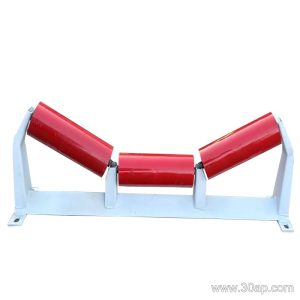
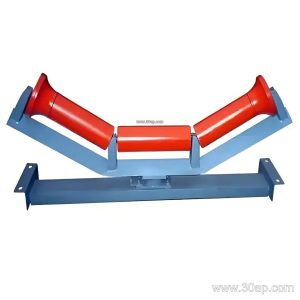
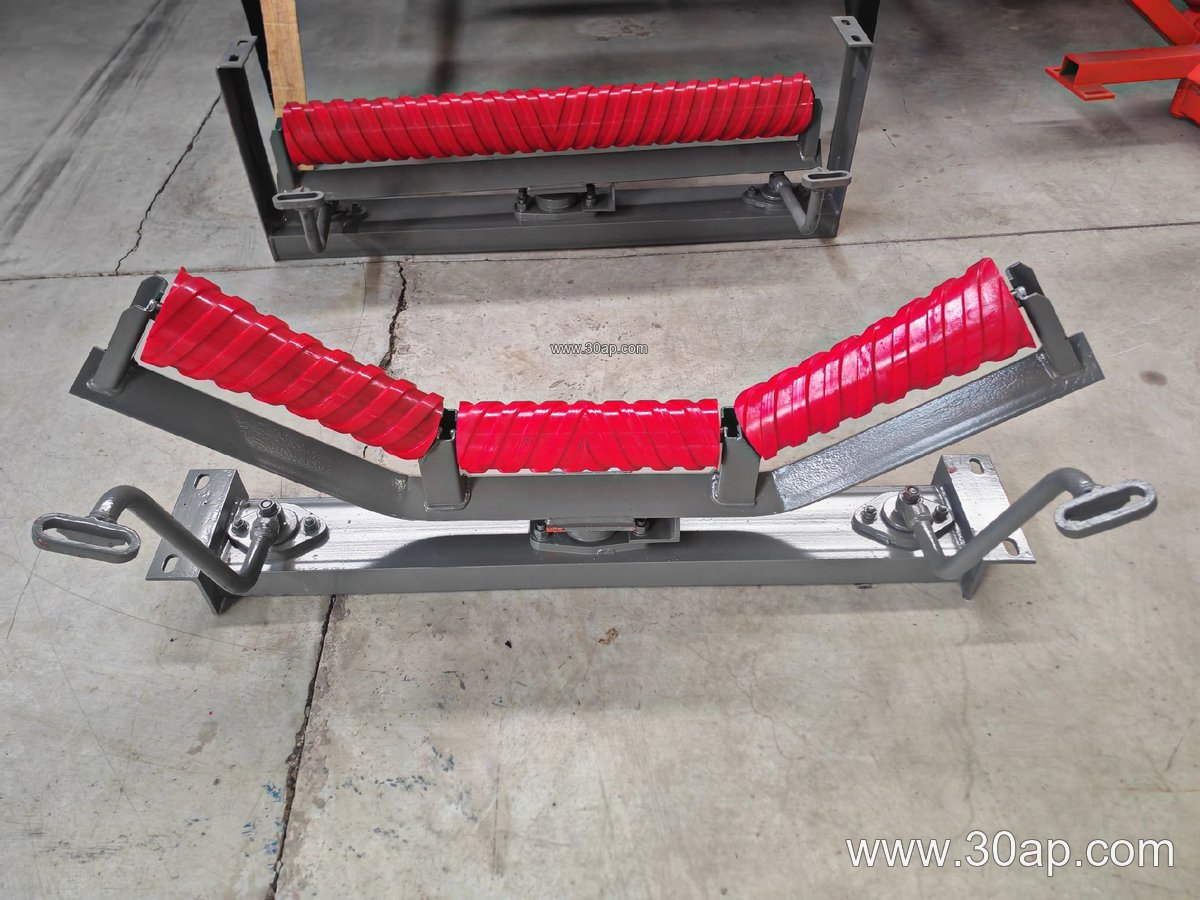
The product is often called a conveyor support bracket or belt conveyor bracket frame. These names refer to the same family of components, while subtype names such as trough bracket, return bracket, and transition bracket describe specific positions and must not be treated as interchangeable.
How the Bracket Is Built
Fabrication usually starts with angle steel, channel steel, or folded steel plate. The bracket may be a single folded piece or a welded assembly with mounting holes, cross beams, and idler seats. Surface treatment is often included in the quotation, but the exact coating or finish should be confirmed in writing rather than assumed.
Key quotation details include:
- Bracket type and position on the conveyor
- Material and steel profile
- Belt width reference, such as B650, B1000, or B1400
- Trough angle, commonly 20, 30, 35, or 45 degrees
- Idler diameter reference, such as Ø89, Ø108, Ø133, or Ø159
- Mounting hole spacing and cross beam length, which usually vary with belt width and trough angle
- Finish or surface treatment
These values are reference points for discussion. A quotation should state the actual dimensions for the order instead of relying on a general table.
Where the Brackets Are Used
Trough brackets and upper brackets carry the loaded side of the conveyor belt in a sand and gravel line or an iron ore stockyard. Return brackets and V-return brackets support the empty side. Transition brackets help guide the belt between pulley zones, while self-aligning brackets are chosen where belt tracking is a concern. Adjustable brackets allow the trough angle to be set within a range, which can be useful when the same frame design serves more than one conveyor profile.
In a power plant coal handling system or a limestone crushing circuit, the bracket works together with the idler roller, conveyor pulley, and conveyor belt. The quotation should identify the bracket subtype clearly so that a trough bracket is not confused with a return bracket or a transition bracket.
What Buyers Should Check Before Ordering
Start with the conveyor layout and the idler position. Confirm the belt width, the required trough angle, and the idler diameter. Do not assume that one belt width can only match one pulley diameter or one bracket size; the frame design and mounting details determine the fit. Ask for a drawing or dimension sheet with the quotation, and check the hole spacing against the existing stringer.
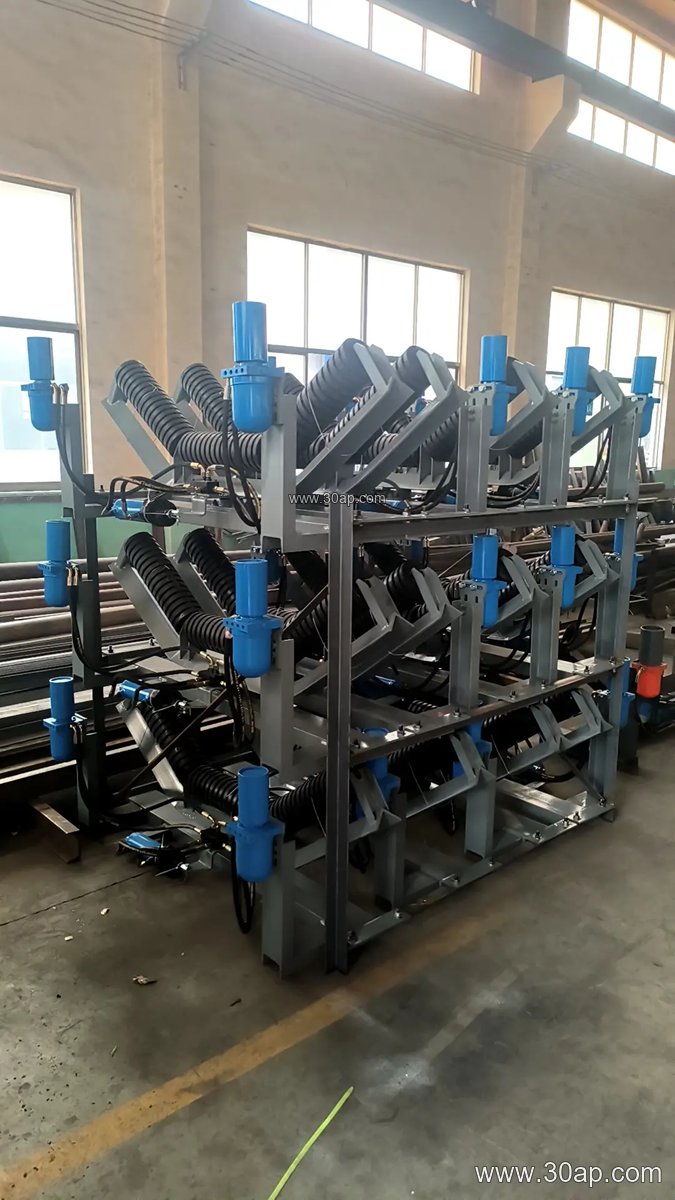
For adjustable brackets, confirm the adjustment range and the locking method. For fixed brackets, confirm the exact trough angle. If the quotation includes multiple bracket types, list each subtype separately with its own dimensions and quantity. This keeps the offer readable and reduces the risk of supplying a bracket that fits the structure but not the intended idler.
Quotation Example Reference
The following table shows how bracket references might appear in a quotation. The values are examples only and should be confirmed against the actual conveyor design.
| Bracket Type | Belt Width Ref. | Trough Angle Ref. | Idler Diameter Ref. |
|---|---|---|---|
| Trough bracket | B800 | 35 degrees | Ø108 |
| Transition bracket | B1000 | 30 degrees | Ø133 |
| Return bracket | B1200 | Not applicable | Ø133 |
| Adjustable trough bracket | B650 | 20 to 45 degrees | Ø89 |
Use this kind of table to compare offers, but always request the final dimensioned drawing with the order.
Making the Quotation Useful
A good conveyor bracket quotation answers three questions: which bracket subtype is being supplied, how it mounts to the conveyor frame, and which idler roller it accepts. When those points are clear, the buyer can compare offers from different suppliers and plan installation without holding up the belt conveyor maintenance schedule.