What a Conveyor Bracket Quotation Covers
A conveyor bracket quotation is the priced breakdown a supplier issues for the steel support frames that hold idler rollers and carry the conveyor belt on a belt conveyor. Buyers in a limestone quarry, a coal washing plant, a cement kiln line, or a power station coal yard often request this document when they replace worn frames or build a new conveying line. The quotation usually lists the bracket type, the belt width it fits, the trough angle, the roller diameter it accepts, the material and finish, and the quantity, together with delivery and packing terms.
It helps to treat the quotation as a small engineering summary rather than a price list alone. A well-prepared offer makes clear which frame sits on the carrying side and which one supports the return strand, so the buyer can compare offers on the same basis.
How These Frames Are Built
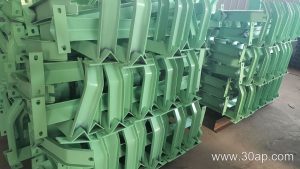
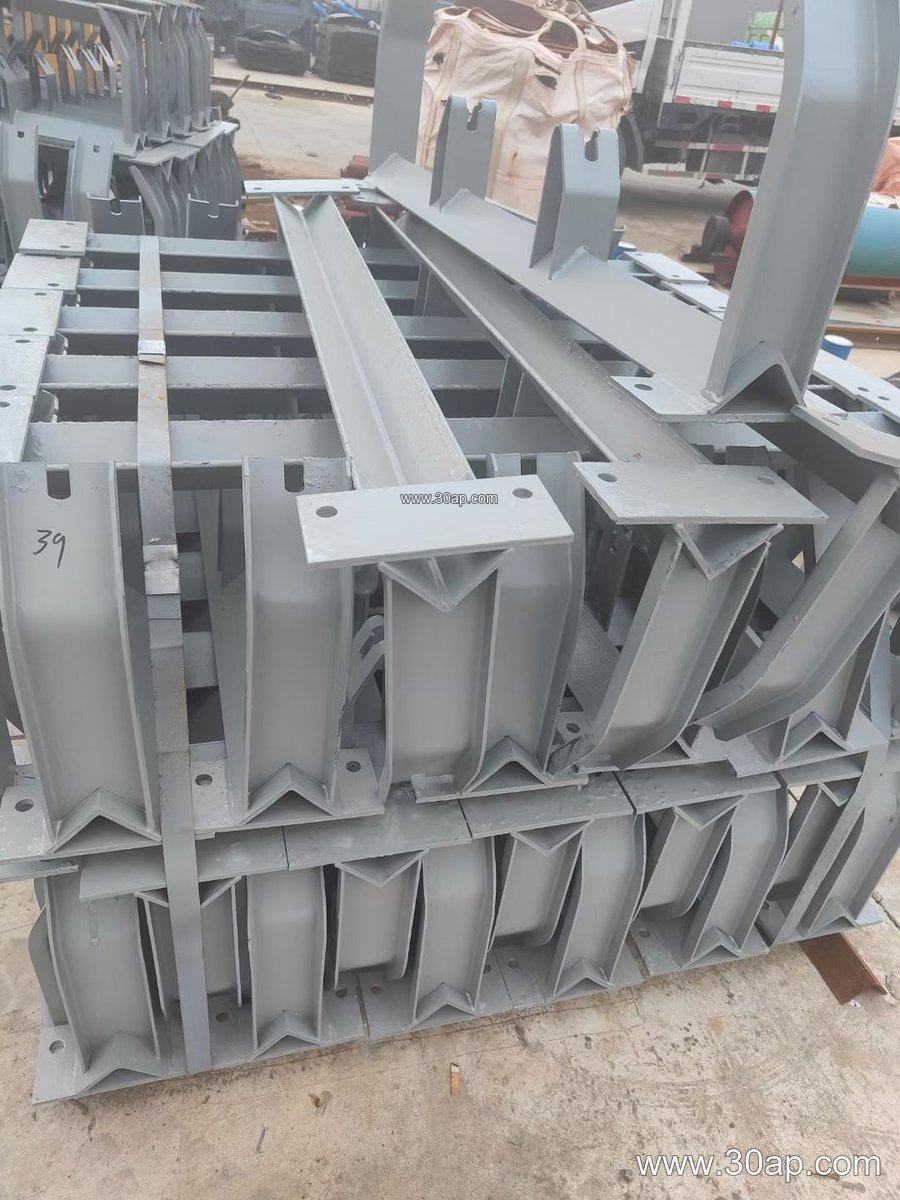
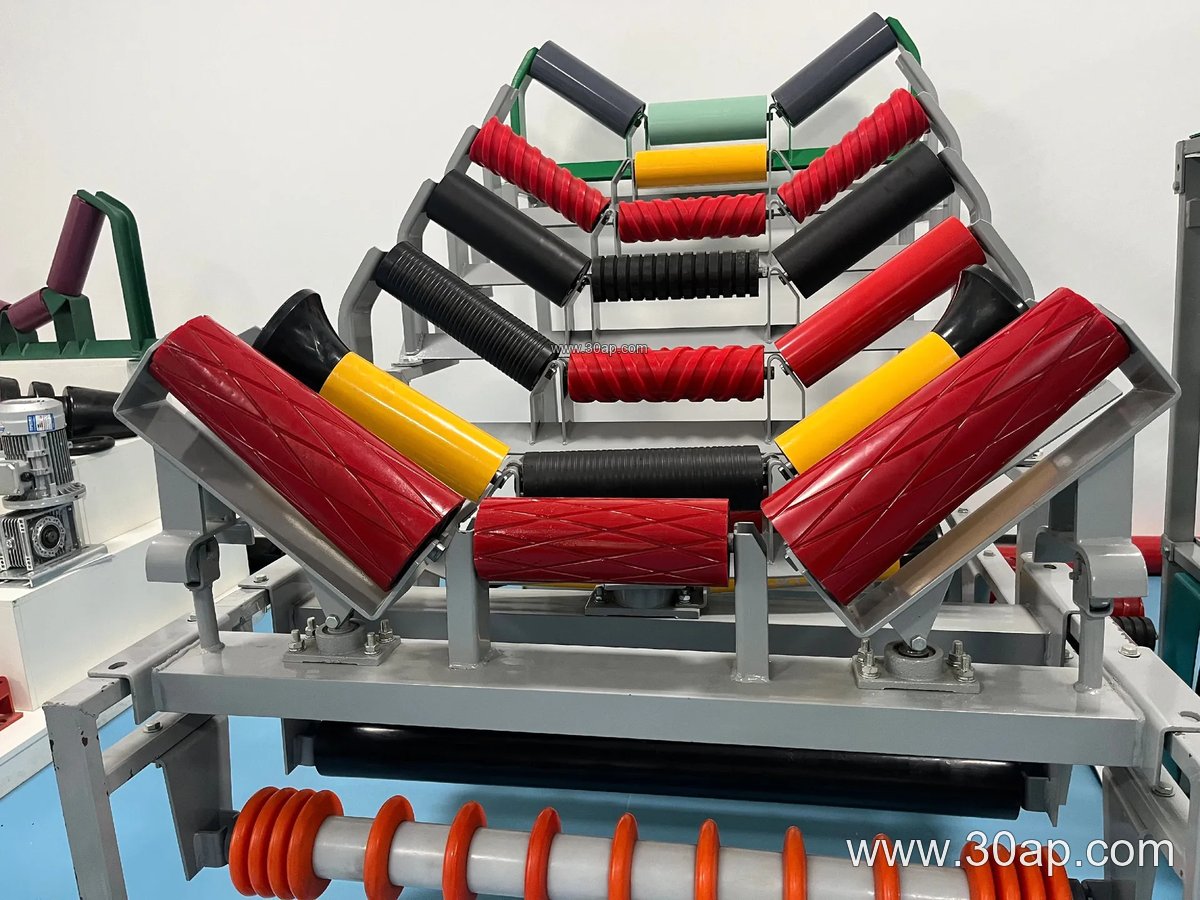
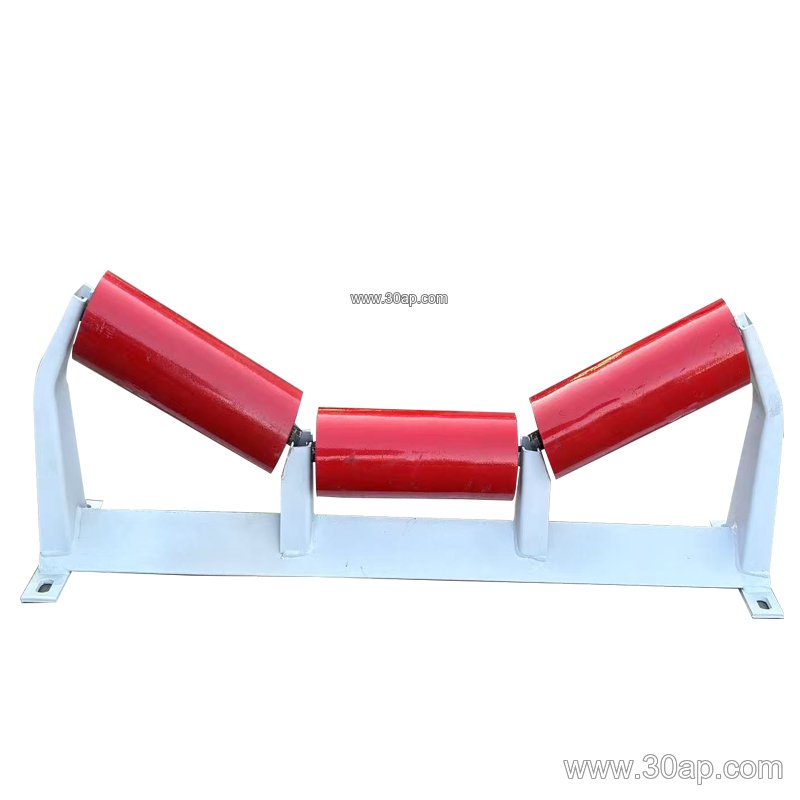
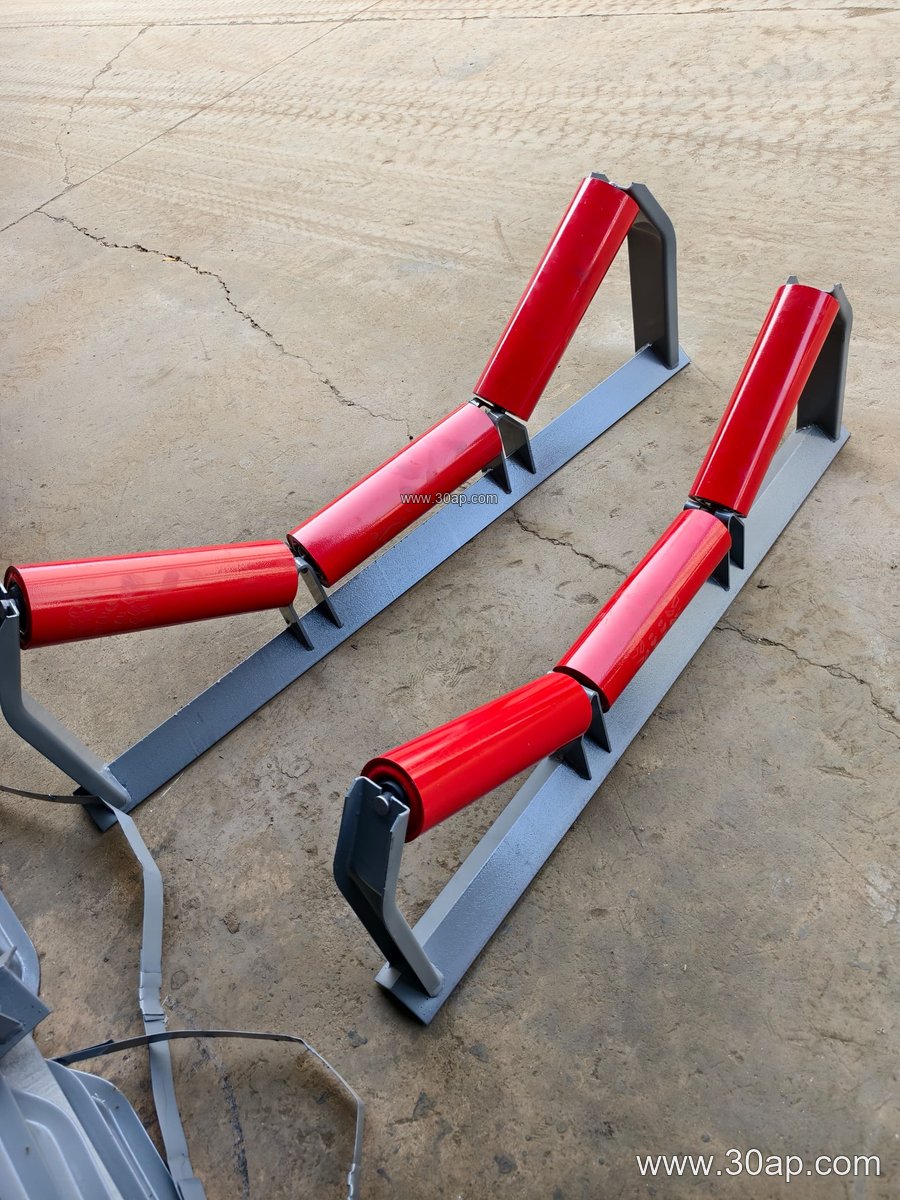
Most conveyor brackets are fabricated from angle steel, channel steel, or folded steel plate, then drilled or punched for mounting. A carrying-side bracket usually has angled arms that set the trough shape of the belt, while a return bracket is flatter or V-shaped to support the empty strand. Welding quality, hole alignment, and hole spacing matter because a frame that does not line up with the conveyor stringer slows installation and can misalign the idler roller.
Surface treatment is normally stated in the offer: painted, galvanized, or bare steel for workshop finishing. The quotation should also note the mounting hole distance and crossbeam length, since these follow the belt width and trough angle rather than being fixed numbers.
Common Types and Reference Parameters
The table below shows reference data that often appears in a quotation request. Values are typical ranges for discussion, not a fixed supply promise; final dimensions are confirmed by design.
| Item | Common options | Notes |
|---|---|---|
| Bracket type | Carrying trough bracket, transition bracket, return flat bracket, V-return bracket, impact bracket, self-aligning bracket, suspended bracket, adjustable bracket | Selected by position along the conveyor |
| Belt width | B500, B650, B800, B1000, B1200, B1400, B1600, B1800, B2000, B2200 | Crossbeam length follows width |
| Trough angle | 20°, 30°, 35°, 45° | Adjustable frames can move between these angles |
| Roller diameter | Ø89, Ø108, Ø133, Ø159, Ø194 | Matched to belt width and load by design |
| Material | Angle steel, channel steel, folded plate | Thickness stated per drawing |
Forward-leaning frames, often about 1.5° to 2°, are a separate detail used for belt tracking and should be quoted as such. A quotation may combine values such as B800 with 35° and Ø108, or B1200 with 45° and Ø133, but one belt width does not lock the buyer to a single angle or roller size.
Where the Frames Are Used
These supports appear wherever a conveyor belt runs over idlers: crushing and screening plants, sinter lines, fertilizer granulation halls, grain silos, and tunnel spoil handling. In a sand and gravel line, impact brackets are common under the loading point, while self-aligning frames are placed where the belt tends to wander. The quotation should reflect that mix instead of offering one frame for the whole run.
What to Check Before Accepting an Offer
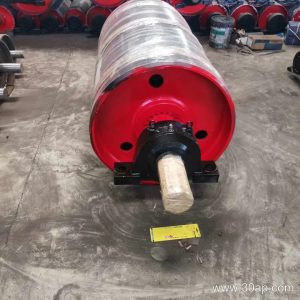
- Confirm the bracket type and position for each line item, and keep drive, tail, and bend pulley parts out of the bracket scope.
- Check that belt width, trough angle, and roller diameter are written per item, not assumed.
- Ask for mounting hole spacing and crossbeam length as design-confirmed values.
- Review material thickness and surface treatment, since these drive service life in dusty or wet plants.
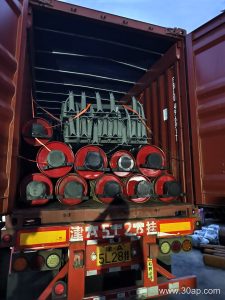
- Clarify packing, quantity tolerance, and whether fasteners are included.
A clear conveyor bracket quotation lets maintenance teams in a coal preparation plant or a cement works order the right frames the first time and keep the belt running straight.