What the Ø133 Return Idler Does on a Conveyor
The Ø133 return idler is a 133 mm diameter roller that supports the empty side of a conveyor belt on its way back to the tail end. In a quarry, a coal washing plant or a crushing and screening line, the carrying side gets most of the attention, yet the return run quietly determines how well the belt tracks and how long the bottom cover lasts. A 133 mm roll sits in the middle of the common return idler range, large enough to turn smoothly under load and small enough to keep the conveyor frame compact.
The same product is also described as a 133 mm diameter return roller or lower roller. Those are equivalent names for the same item, not different equipment.
Construction Details
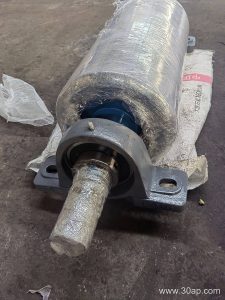
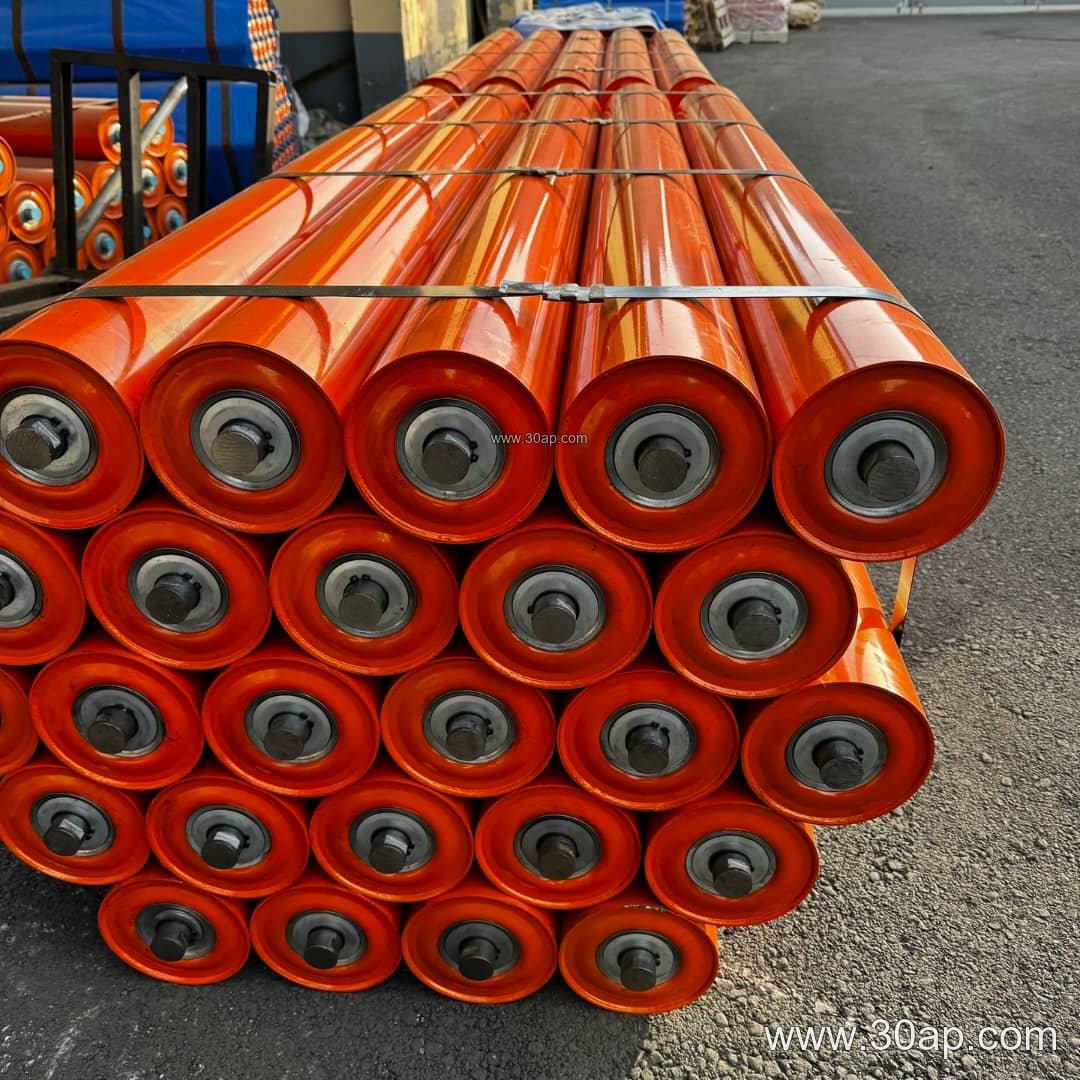
A typical unit is built around a steel tube shell with welded end discs, a through shaft, and bearing housings at each end. The shaft is usually machined at the ends to fit the conveyor bracket, so the roller drops into the frame without extra adapters. Sealing is the detail that separates a long service life from a short one: dust from limestone, iron ore or cement clinker is abrasive, and a labyrinth or multi-stage seal keeps grit away from the bearing.
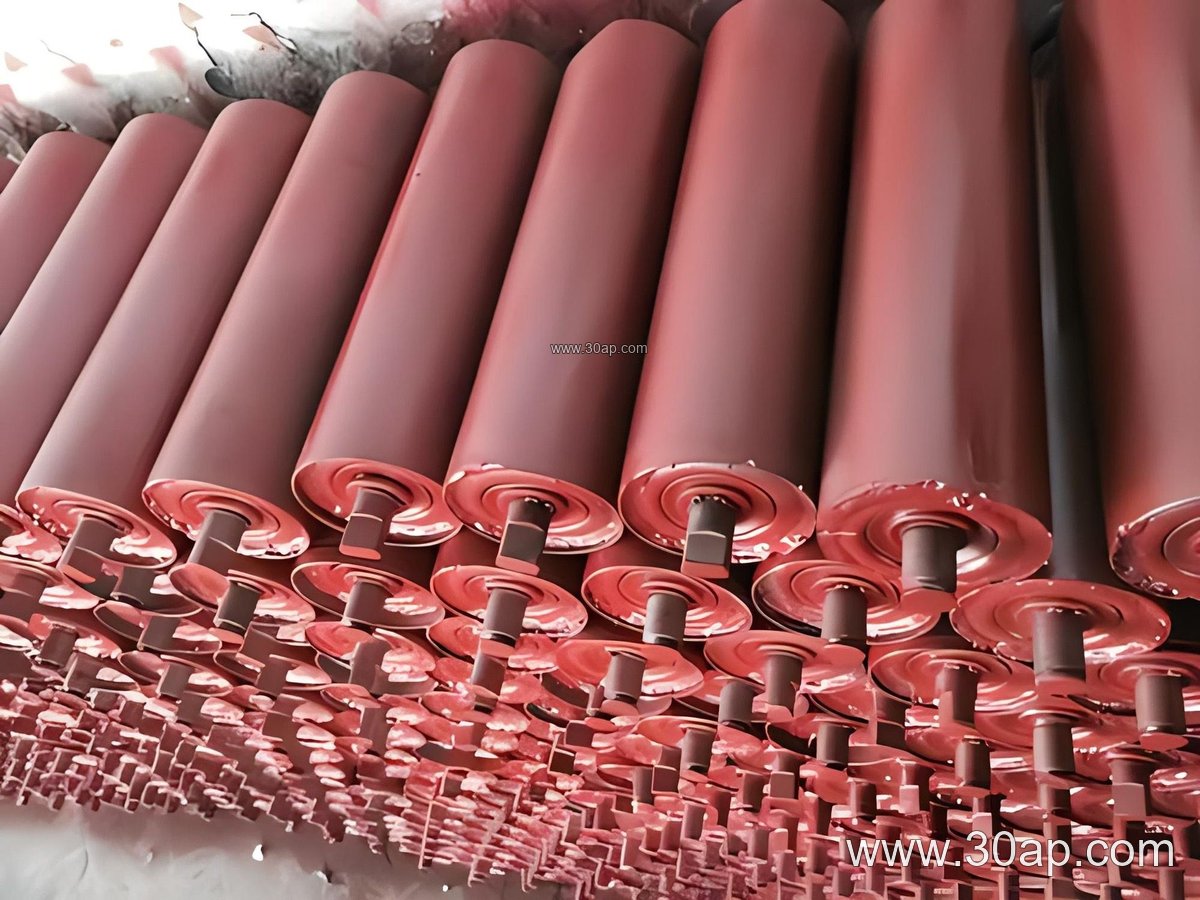
Common bearing sizes used in this diameter class include 6205, 6305, 6306 and 6308, selected according to load and shaft design rather than tied to one shell size. Shell surfaces may be plain steel, nylon, or rubber-covered where buildup and impact are concerns. Roll length follows belt width, frame type and the roller arrangement, so it should be confirmed against the drawing rather than assumed.
Return Idler Forms and Where They Fit
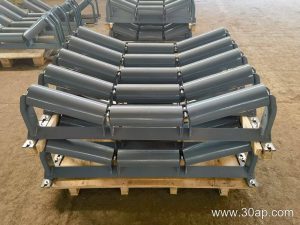
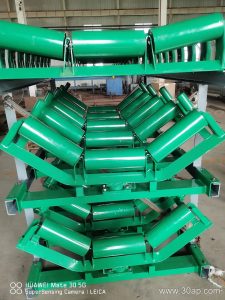
The flat lower roller is the simplest form and suits many standard conveyors. Where the belt needs guidance, a V-type return idler uses two rolls set at an angle to keep the belt centered. Spiral and comb-type return rollers are chosen when sticky material tends to build up on the shell. These are all return-side options; they are not replacements for carrying idlers, impact idlers or transition idlers, which sit on the loaded side and serve different purposes.
- Flat return idler: single roll, general support under the empty belt.
- V-type return idler: two angled rolls, helps with belt training.
- Spiral return roller: self-cleaning action for tacky fines.
- Rubber-disc return roller: reduces noise and vibration in some layouts.
Common Reference Dimensions
The table below gives indicative values only. Actual roll length, shaft size and bearing choice are set by the conveyor design, belt width and frame dimensions.
| Item | Common reference |
|---|---|
| Roller diameter | Ø133 mm |
| Belt width examples | B650, B800, B1000, B1200, B1400, B1600 |
| Roll length examples | approx. 250 mm at B650, 315 mm at B800, 380 mm at B1000, 465 mm at B1200, 530 mm at B1400, 600 mm at B1600 |
| Bearing options | 6205, 6305, 6306, 6308 (by design) |
| Shell options | steel, nylon, rubber-covered |
Do not read the table as a fixed pairing between belt width and roller length. Side rolls and center rolls differ, and frame geometry can shift the required length by a noticeable margin.
Where It Is Used
Return rollers of this size appear in aggregate plants, cement works and power station coal handling, as well as in fertilizer and grain conveyors where the belt runs long distances. In a tunnel muck line or a sinter plant, the return side often carries the same dust load as the top, so seal quality matters as much as shell thickness. On a belt feeder or a short transfer conveyor, a smaller diameter may be preferred; on high-tension main lines, a larger roll such as Ø159 may be specified. The 133 mm size is a practical middle choice for many medium-duty installations.
Buyer Checklist
- Confirm shaft end shape and bracket spacing, not just the roller diameter.
- Check whether the frame uses a flat return idler or a V-type set, and order accordingly.
- Match bearing and seal class to the dust and moisture level at the site.
- Ask for the roller length tolerance and shell runout, since these affect belt tracking.
- Inspect the conveyor pulley alignment and belt tension before blaming the idlers for mistracking.
Replacement is straightforward when the frame is in good condition: lift the belt slightly, release the bracket, and swap the roller. Keep a small stock of spare return rollers in the warehouse so a seized unit does not stop the line. During routine walks, listen for squealing bearings and look for material stuck to the shell, both early signs that a Ø133 return idler needs attention.