What a Power Plant Conveyor Pulley Does
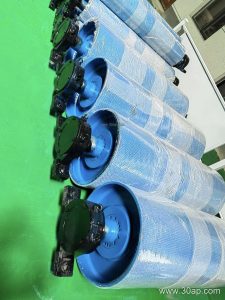
In a coal-fired or biomass power plant, the coal handling system depends on a reliable conveyor pulley to keep the belt moving between the stockpile, crusher house, and boiler bunkers. The power plant conveyor pulley is the cylindrical component that transmits drive force, maintains belt tension, and changes belt direction. It is not a single part but a family of components, each with a specific role in the belt line. The drive pulley, often called the head pulley, is connected to the gearbox and motor to pull the loaded belt. The tail pulley at the return end supports the belt and helps maintain tracking. Bend pulleys and take-up pulleys guide the belt through tensioning devices. These subtypes are not interchangeable; a drive pulley must handle high torque, while a bend pulley mainly redirects the belt with minimal power transmission.
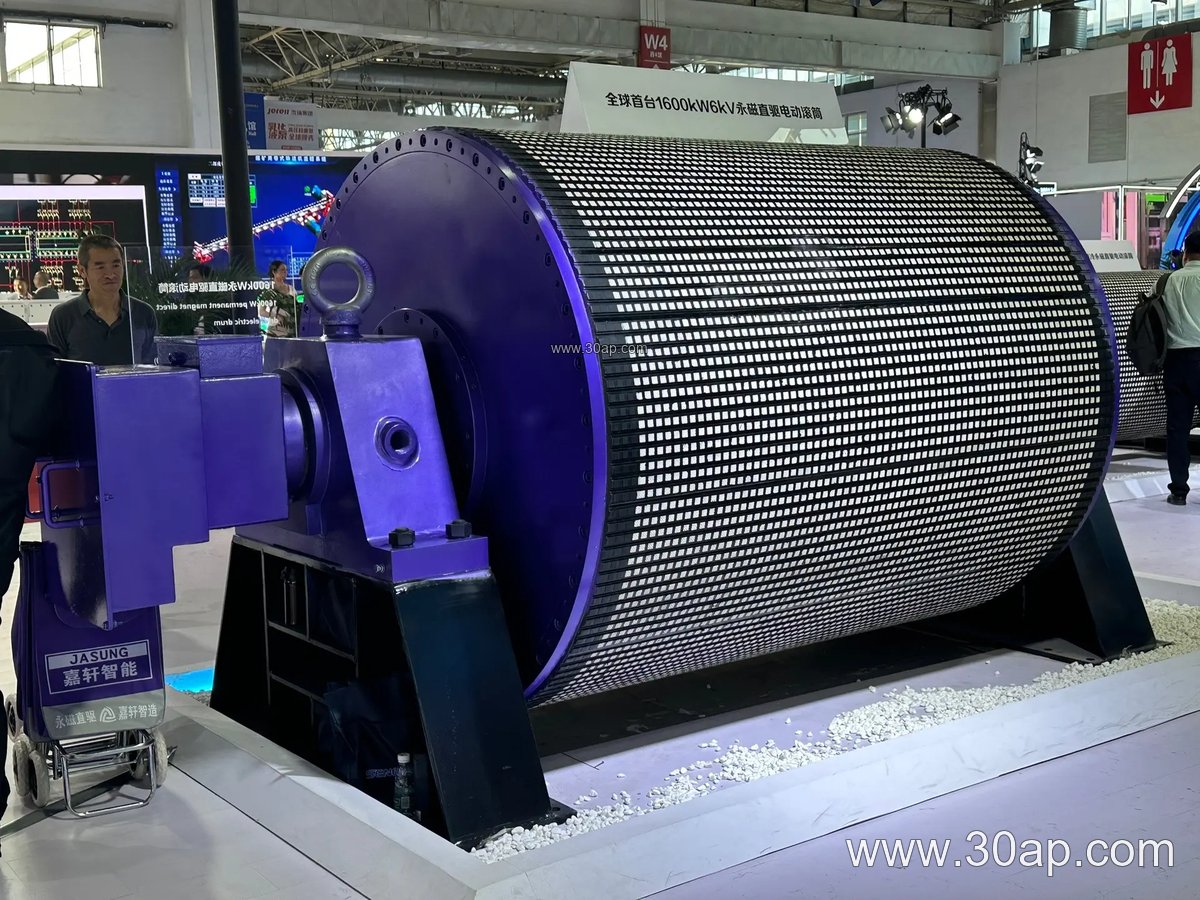
Construction and Surface Options
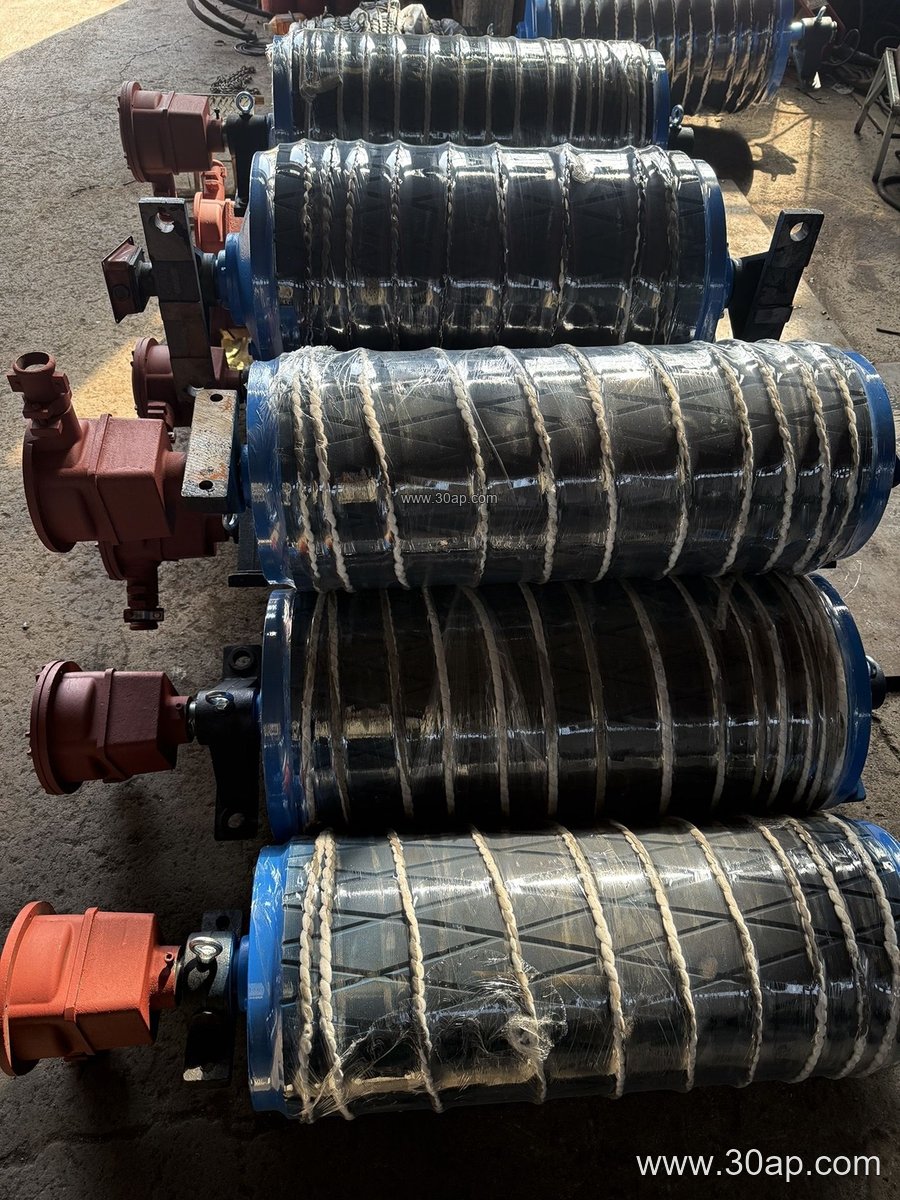
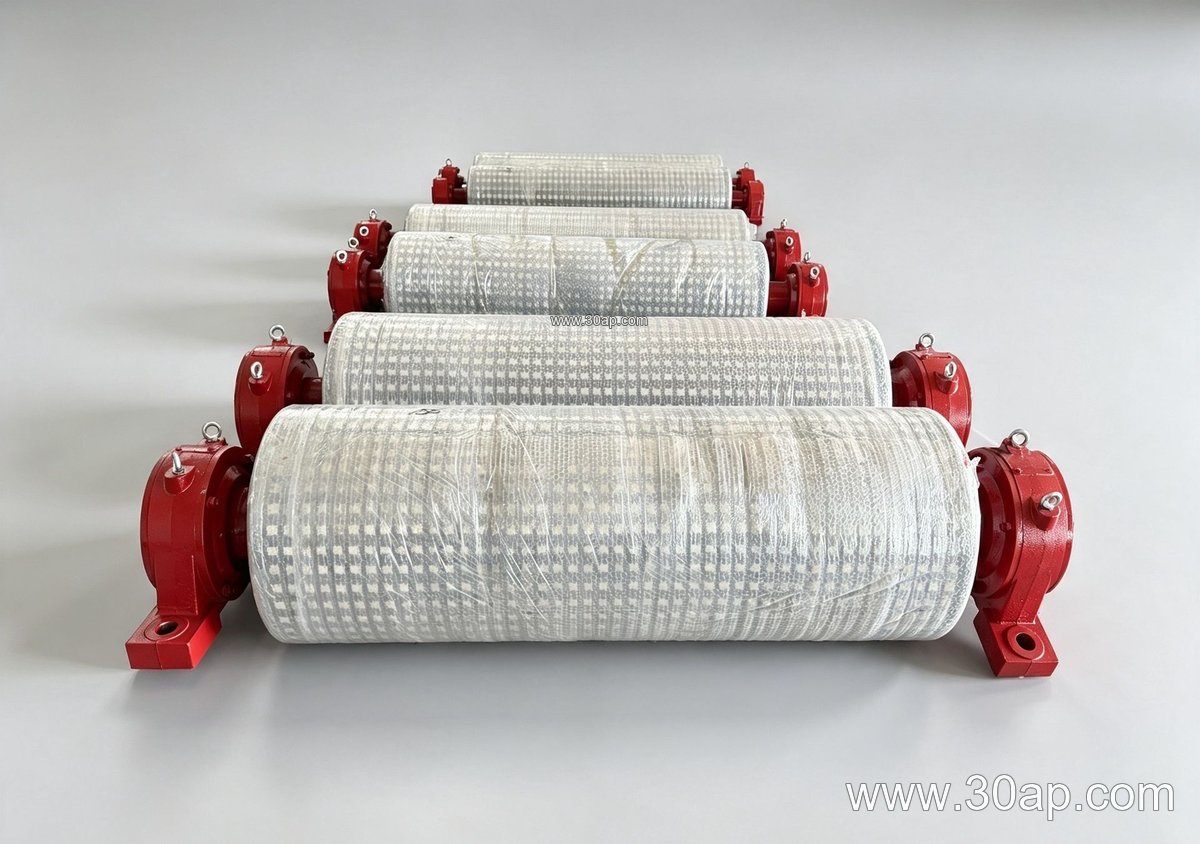
A power plant conveyor pulley is typically built from a steel drum shell, end discs, and a shaft. The shell is machined to accept lagging, which improves grip and protects the belt. Common surface forms include plain steel, hot vulcanized rubber, cold bonded rubber, diamond grooved lagging, herringbone lagging, and ceramic lagging. Lagging thickness commonly ranges from 8 mm to 20 mm, depending on the duty. For coal handling with dusty and abrasive conditions, diamond or ceramic lagging is often chosen to reduce slip and extend service life. The pulley face width is usually wider than the conveyor belt to allow for mistracking; for example, a B1200 belt may use a pulley face around 1400 mm, but this is a reference point, not a fixed rule.
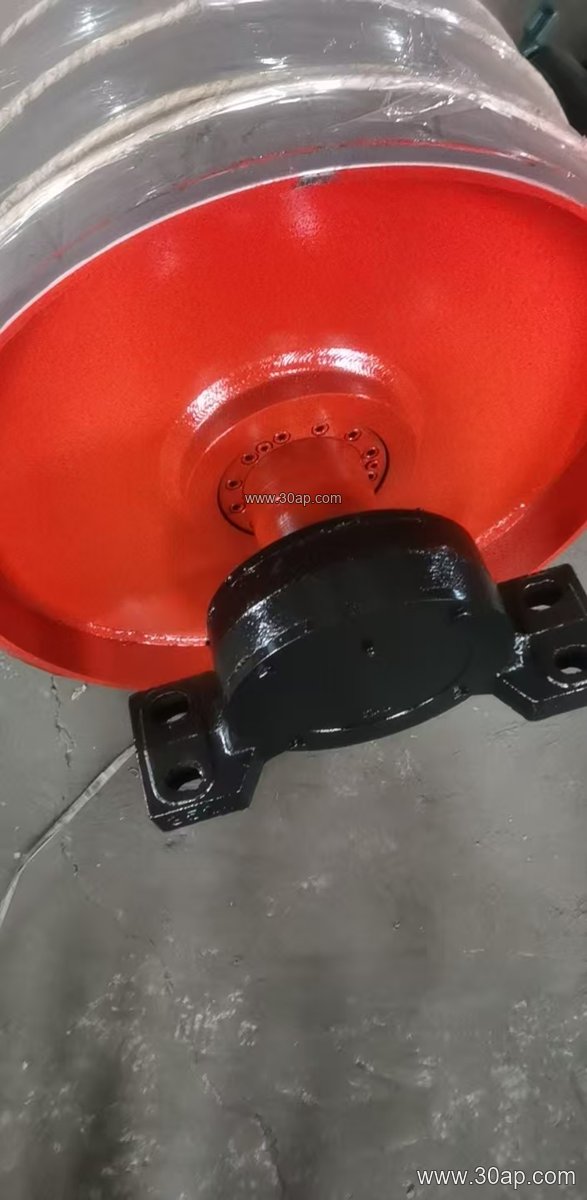
Common Pulley Types in Power Plants
- Drive pulley (head pulley): transmits power to the belt.
- Tail pulley: supports the belt at the loading end.
- Bend pulley: changes belt direction in the tensioning system.
- Take-up pulley: works with the take-up device to maintain tension.
- Snub pulley: increases belt wrap around the drive pulley.
Electric drum motors are also used in compact layouts, but they are a distinct subtype and not a replacement for a standard drive pulley in high-torque applications.
Typical Applications and Sizing Considerations
Power plant conveyor pulleys are found in coal yards, limestone handling for flue gas desulfurization, and ash removal systems. In a coal mine or washing plant, similar pulleys handle raw coal and refuse. The pulley diameter and shaft size are determined by belt tension, torque, and load, not by belt width alone. A common reference table for pulley face width versus belt width is shown below, but final dimensions should be confirmed by the conveyor designer.
| Belt Width (mm) | Typical Pulley Face Width (mm) |
|---|---|
| B400 | 500 |
| B650 | 750 |
| B800 | 950 |
| B1000 | 1150 |
| B1200 | 1400 |
| B1400 | 1600 |
| B1600 | 1800 |
Diameter options commonly range from Ø200 mm to Ø1800 mm, with shaft diameters from Ø50 mm to Ø200 mm. For example, a B800 conveyor might use a Ø500 mm drive pulley with a Ø80 mm shaft, while a B1400 system could use a Ø800 mm pulley with a Ø120 mm shaft. These are illustrative combinations; the actual selection depends on the calculated torque and radial load. Do not assume that one belt width can only match one pulley diameter.
What Buyers Should Check
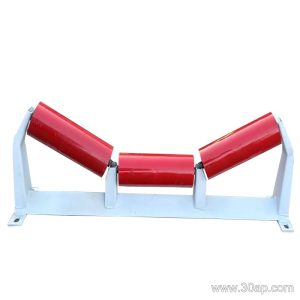
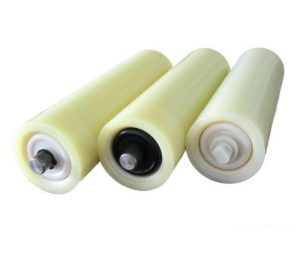
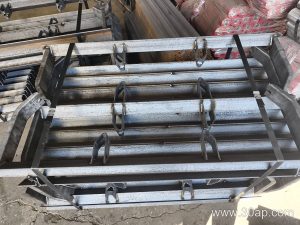
When specifying a power plant conveyor pulley, confirm the belt width, pulley face width, shaft diameter, lagging type and thickness, and bearing type. Check that the pulley is balanced for the belt speed and that the lagging is suitable for the material being conveyed. In coal handling, fire-resistant and antistatic lagging may be required. Also consider the conveyor bracket and idler roller layout, as these affect belt tracking and pulley load. Maintenance access for bearing lubrication and lagging inspection should be planned. A spare drive pulley and tail pulley can reduce downtime during scheduled outages. Buyers should request dimensional drawings and material certificates from the supplier, but should not treat any single size as mandatory for every conveyor. The power plant conveyor pulley is a critical wear part, and matching it to the actual duty is more important than following a generic size chart.